Staying Safe in a WiMAX World
Staying safe in a WiMAX world is crucial for users navigating this emerging technology. This comprehensive guide explores the security considerations inherent in WiMAX networks, from understanding the fundamental components to addressing potential privacy violations. We’ll delve into user safety measures, data protection strategies, and the latest trends in WiMAX security, equipping you with the knowledge to confidently use this technology while safeguarding your devices and data.
WiMAX, while offering potential for high-speed connectivity, presents unique security challenges. This guide provides a thorough analysis of the various aspects, including the architecture of WiMAX networks, common security vulnerabilities, and the specific security protocols in use. We’ll also examine how to protect yourself from common attacks like phishing and unauthorized access, and understand how to manage your personal information securely in this new environment.
Understanding the Wimax Environment
WiMAX, or Worldwide Interoperability for Microwave Access, is a wireless broadband technology designed for high-speed data transmission over long distances. It offers a viable alternative to traditional wired networks in areas with limited infrastructure, particularly in rural or developing regions. Its potential applications span a wide range of services, including internet access, video conferencing, and mobile data.This technology leverages radio frequencies to establish connections, allowing for flexibility and scalability in network deployments.
Understanding the intricacies of a WiMAX network, from its fundamental components to its security considerations, is crucial for both users and administrators to ensure secure and reliable operation.
Wimax Network Architecture
A WiMAX network comprises several key components working in concert. The access point (AP) serves as the central hub, transmitting data to and receiving data from subscriber stations (SS). Base stations (BS) are strategically positioned to extend coverage, acting as intermediaries in larger deployments. A control plane manages the network’s operations, ensuring efficient data flow and connection management.
The core network handles routing and data aggregation.
Security Considerations in Wimax
Security is paramount in any wireless network, and WiMAX is no exception. The wireless nature of WiMAX makes it susceptible to various attacks if appropriate security measures aren’t in place. Unauthorized access, data interception, and denial-of-service attacks are all potential threats. Strong authentication and encryption protocols are essential for protecting sensitive data transmitted across the network.
Common Security Vulnerabilities in Wimax Networks
Several vulnerabilities can compromise the security of a WiMAX network. Weak or default passwords on access points are a common entry point for attackers. Insufficient encryption can expose transmitted data to eavesdropping. Poorly configured network devices can create loopholes for malicious actors. Lack of regular security audits can result in undetected vulnerabilities.
A crucial aspect is the potential for rogue access points that could disrupt or compromise the network.
Typical User Interface for Wimax Connection
A typical WiMAX connection user interface often involves an authentication process. Users typically connect to a WiMAX access point using a wireless device. The user interface will display a list of available WiMAX networks. The user needs to select the desired network and provide credentials, such as a username and password, for authentication. This process ensures only authorized users can access the network.
After successful authentication, the user can browse the internet and utilize other WiMAX services.
Comparison of Wimax Security Protocols
| Protocol | Description | Security Strengths | Limitations |
|---|---|---|---|
| WPA2 | Wi-Fi Protected Access 2 | Strong encryption, robust authentication | May not be natively supported by all WiMAX implementations. |
| 802.1x | Port-based network access control | Centralized authentication, strong user authorization | Requires additional infrastructure, potentially complex setup. |
This table highlights the strengths and limitations of different security protocols used in WiMAX networks. Choosing the appropriate protocol depends on the specific security requirements and the network’s infrastructure. A comprehensive security strategy usually combines multiple protocols to enhance overall protection.
User Safety in Wimax Connectivity

Staying safe online is crucial, especially in a wireless world like WiMAX. Understanding the vulnerabilities inherent in any network, including WiMAX, is the first step toward mitigating risks. This section focuses on proactive measures users can take to protect their devices and data.Protecting your WiMAX connection involves a multifaceted approach, focusing on strong passwords, vigilant security practices, and awareness of potential threats.
Staying safe in a WiMAX world is crucial, especially as technology advances. Recent developments, like IBM, Sony, and Toshiba collaborating on cell chips, highlighting the importance of secure hardware , mean we need to be vigilant about potential vulnerabilities. Staying updated on these advancements is key to navigating the ever-evolving digital landscape and ensuring safety.
By understanding common attack vectors and employing the right defensive strategies, users can significantly reduce the risk of compromise.
Protecting WiMAX Devices from Attacks
Robust security starts with the individual user. Protecting WiMAX devices from attacks requires a layered approach, focusing on both software and hardware security. Users must be diligent about the measures they take to protect their devices from cyberattacks.
- Strong Passwords and Multi-factor Authentication: Employing strong, unique passwords for WiMAX accounts and enabling multi-factor authentication (MFA) adds an extra layer of security. A strong password is at least 12 characters long, including a mix of uppercase and lowercase letters, numbers, and symbols. MFA requires a second verification step, such as a code from a dedicated app, making it significantly harder for unauthorized access.
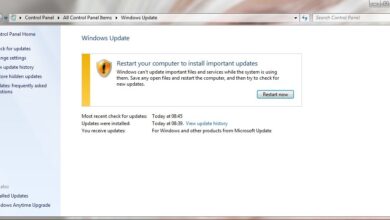
- Keeping Software Updated: Regularly updating WiMAX devices with the latest security patches is essential. These updates often include crucial fixes for vulnerabilities that attackers might exploit. Staying current minimizes the potential attack surface.
- Using a Firewall: A robust firewall acts as a gatekeeper, filtering incoming and outgoing network traffic. This prevents unauthorized access to your device and protects against malware. Ensure your firewall is configured to block suspicious connections.
Common Phishing Tactics and Avoidance
Phishing attacks, which aim to trick users into revealing sensitive information, are a significant threat. Understanding these tactics helps users recognize and avoid them.
- Recognizing Phishing Attempts: Phishing emails and websites often use deceptive techniques to mimic legitimate organizations. Look for misspellings, generic greetings, and requests for sensitive information. Suspicious links or attachments should be avoided.
- Verifying Email Addresses and Website URLs: Double-check the sender’s email address and the website URL to ensure they are legitimate. Look for misspellings or slight variations in the address that could indicate a phishing attempt. Legitimate websites often use secure connections (HTTPS).
- Avoid Clicking Suspicious Links or Attachments: Resist the temptation to click on links or open attachments from unknown or untrusted sources. These can contain malware or redirect you to phishing websites. Exercise caution, and always verify the source before interacting.
Safe Practices for Using Public WiMAX Hotspots
Using public WiMAX hotspots requires extra caution due to the shared network environment. These measures are crucial to maintaining security when using public networks.
Staying safe in a WiMAX world involves more than just strong signals. Considering the shift towards alternative communication methods, like cutting the cord for mobile phones, cutting the cord for mobile phones is a significant development. This could potentially impact how we navigate the security landscape, especially in areas with less reliable traditional cellular service.
Ultimately, staying vigilant about online threats and personal data remains crucial regardless of our communication choices.
- Avoid Sensitive Activities on Public Hotspots: Refrain from accessing sensitive accounts or performing financial transactions on public WiMAX hotspots. The network might be vulnerable to eavesdropping. Use a VPN for added security.
- Using a VPN on Public Hotspots: A virtual private network (VPN) encrypts your internet traffic, making it difficult for attackers to intercept your data. VPNs are an excellent measure when using public WiMAX hotspots.
- Be Aware of Rogue Access Points: Be cautious of seemingly legitimate WiMAX hotspots that may be set up by attackers to collect information or infect devices. Verify the hotspot’s legitimacy before connecting.
WiMAX Security Threats and Mitigation Strategies
The table below Artikels common WiMAX security threats and corresponding mitigation strategies.
Staying safe in a WiMAX world involves more than just knowing the basics of wireless technology. With the ever-increasing digital footprint, it’s crucial to understand how search and research are changing. For example, Google taking libraries online via search and research google takes libraries online presents both opportunities and potential risks. Ultimately, staying vigilant and informed about online resources is key to navigating this digital landscape safely.
| Security Threat | Mitigation Strategy |
|---|---|
| Man-in-the-Middle Attacks | Use strong encryption protocols and validate connection endpoints. |
| Malware Infections | Keep software updated, use antivirus and anti-malware software, and exercise caution with downloaded files. |
| Phishing Attacks | Verify email addresses, website URLs, and avoid clicking suspicious links or attachments. |
| Denial-of-Service Attacks | Employ robust network infrastructure and security measures to mitigate such attacks. |
Protecting Data in Wimax
Wimax, while offering promising high-speed connectivity, introduces unique data security challenges. Understanding these risks and implementing robust protection measures is crucial for users and businesses alike. This section delves into critical data protection aspects within a Wimax network, including encryption, backups, and security protocols.Data security in Wimax networks, like any other network, is paramount. Compromised data can lead to financial losses, reputational damage, and legal repercussions.
This section Artikels the critical elements of data protection in a Wimax environment.
Data Encryption Techniques in Wimax, Staying safe in a wimax world
Data encryption is a fundamental security practice for safeguarding sensitive information transmitted over Wimax networks. Various encryption algorithms, such as AES (Advanced Encryption Standard) and 3DES (Triple DES), are employed to transform readable data into an unreadable format, preventing unauthorized access. The strength of encryption depends on the algorithm’s complexity and the length of the encryption key. Wimax networks often employ these methods to protect user data during transmission.
Importance of Data Backups and Recovery Strategies
Regular data backups are essential for maintaining data integrity in a Wimax environment. Loss of data due to hardware failure, software errors, or malicious attacks can have severe consequences. Comprehensive backup and recovery strategies, including offsite backups and disaster recovery plans, mitigate these risks. Regular testing of backup and recovery procedures is critical for ensuring data restoration capabilities.
Risks of Data Breaches in Wimax Networks
Data breaches in Wimax networks can stem from various vulnerabilities. These include weak passwords, compromised network devices, and malicious attacks targeting user accounts or network infrastructure. The potential impact of a data breach includes financial losses, reputational harm, and legal liabilities. Implementing robust security measures, including strong passwords, multi-factor authentication, and intrusion detection systems, is crucial to mitigating these risks.
Secure Data Transmission within a Wimax Network
Secure data transmission within a Wimax network is achieved through the use of various security protocols. These protocols ensure confidentiality, integrity, and authenticity of data during transit. Data integrity verifies that data hasn’t been altered during transmission, while authenticity ensures that the sender of the data is legitimate.
Role of Firewalls in Safeguarding Wimax Connections
Firewalls play a critical role in safeguarding Wimax connections by controlling network traffic. They act as a barrier between the internal network and external threats, blocking unauthorized access attempts. Configuring firewalls with appropriate rules and regularly updating them are essential to maintaining network security.
Data Security Protocols in Wimax
| Protocol | Strengths | Weaknesses |
|---|---|---|
| AES | High security, strong encryption | Potentially slower processing |
| 3DES | Backward compatibility with older systems | Lower security than AES, slower than AES |
| IPsec | Provides encryption and authentication for IP packets | Can add overhead to network traffic |
| SSL/TLS | Widely used for secure web communication | Requires trusted certificate authorities |
Data security protocols like AES and 3DES provide robust encryption capabilities, but their performance characteristics vary. IPsec ensures secure communication at the packet level, while SSL/TLS is commonly used for secure web traffic. Choosing the appropriate protocol depends on the specific security requirements of the Wimax network.
Privacy Considerations in a Wimax World: Staying Safe In A Wimax World
In today’s interconnected world, wireless technologies like WiMAX play a crucial role in communication. However, this connectivity brings forth significant privacy concerns. Users need to understand the potential risks and proactively protect their personal information. The ease of access to data in a network environment, particularly a wireless one, necessitates a thorough understanding of privacy implications and effective strategies for safeguarding sensitive information.The nature of a WiMAX network, with its reliance on shared airwaves and potential vulnerabilities, necessitates careful consideration of user privacy.
Protecting personal data in this environment is not just a technical issue; it is a critical aspect of ensuring the security and well-being of individuals and businesses. Effective privacy management in a WiMAX network requires a multi-faceted approach, combining technical safeguards with responsible user practices and robust legal frameworks.
Potential for Privacy Violations in Wimax Connections
A WiMAX network’s architecture, relying on shared infrastructure, creates vulnerabilities. Unauthorized access to data streams, eavesdropping on communications, and potential manipulation of network traffic are significant concerns. Weak encryption protocols or insecure network configurations can compromise the confidentiality of user data, potentially leading to the exposure of personal information, financial details, and sensitive communications. Furthermore, malicious actors could potentially exploit vulnerabilities to gain access to user data or disrupt network operations.
Role of User Consent and Data Policies in Protecting User Privacy
User consent plays a critical role in mitigating privacy risks. Clear and comprehensive data policies are essential for establishing trust and transparency. Users should be informed about how their data is collected, used, and protected. Explicit consent for data collection and usage is crucial for safeguarding user privacy. Transparent data policies outlining data retention periods, access controls, and data security measures are vital for building user confidence and fostering a secure environment.
Legal and Regulatory Frameworks Addressing Privacy Concerns in Wimax
Various legal and regulatory frameworks worldwide address privacy concerns in different ways. Regulations often mandate data protection principles, outlining requirements for data collection, storage, and security. These frameworks vary significantly by jurisdiction, leading to complexities in ensuring compliance across different WiMAX deployments. International cooperation and harmonization of privacy standards are crucial for ensuring consistency and facilitating cross-border data transmission within a WiMAX network.
The implementation of strict privacy protocols is crucial for maintaining user trust.
Comparison of Different Privacy Policies Associated with Various Wimax Providers
Different WiMAX providers often adopt various privacy policies. A comparative analysis reveals disparities in data collection practices, data retention policies, and user access rights. Some providers might prioritize user data security while others may have less stringent policies. Transparency and consistency in privacy policies are essential for ensuring equitable protection of user data across different providers.
Secure Management of Personal Information in a Wimax Environment
This flowchart illustrates the process of securely managing personal information within a WiMAX environment.  Explanation of Flowchart:The flowchart depicts a step-by-step process for managing personal information within a WiMAX environment. It begins with user awareness and consent, followed by data encryption and secure storage protocols. Continuous monitoring and audits are essential to ensure data security and compliance with relevant regulations.
User education, access controls, and incident response procedures are all part of the secure management process.
Addressing Specific Security Concerns
Staying safe in a WiMAX world requires understanding the potential threats and proactively addressing them. This section focuses on common security issues, identifying suspicious activities, and reporting vulnerabilities within WiMAX networks. Proactive measures are crucial for maintaining a secure and reliable WiMAX environment.Unauthorized access to WiMAX networks is a significant concern. Malicious actors may attempt to gain access to network resources without authorization, potentially disrupting service or stealing sensitive data.
This underscores the importance of robust security measures and vigilant monitoring.
Unauthorized Access to WiMAX Networks
Unauthorized access to WiMAX networks can take various forms, from simple network intrusion to more sophisticated attacks aiming at compromising network infrastructure. This necessitates comprehensive security measures and proactive monitoring to detect and mitigate such threats. Common methods of unauthorized access include exploiting weak passwords, using brute-force attacks, or leveraging vulnerabilities in network protocols. The potential impact of unauthorized access can range from minor disruptions to severe data breaches and service outages.
Identifying and Reporting Suspicious Activities
Regular monitoring and analysis of WiMAX network traffic are vital for identifying suspicious activities. Systems should be designed to detect unusual patterns and alert administrators to potential threats. Indicators of suspicious activity might include unusual spikes in network traffic, login attempts from unusual locations, or unexpected data transfers. Implementing intrusion detection systems and security information and event management (SIEM) solutions can significantly aid in the early detection of security incidents.
Importance of Reporting Vulnerabilities and Security Breaches
Reporting vulnerabilities and security breaches promptly is crucial for maintaining network security and mitigating potential damage. A prompt response can prevent further exploitation and minimize the impact on users and the network. Vulnerabilities, whether discovered by internal personnel or external parties, should be reported to the appropriate security team for investigation and remediation. This proactive approach to security strengthens the overall network resilience.
Procedures for Contacting Support if Security Incidents Occur
Establishing clear procedures for reporting security incidents is essential. This includes specifying contact points, reporting mechanisms, and escalation paths. A well-defined process ensures that incidents are addressed efficiently and effectively. Contacting the designated security support team or hotline is critical in the event of a security breach or suspected incident.
Comparing Different Reporting Mechanisms for WiMAX Security Issues
Different reporting mechanisms exist for reporting WiMAX security issues, including email, dedicated web portals, and security incident response teams. Each method has its own advantages and disadvantages. Email provides a straightforward method for initial reporting, while dedicated portals often offer more detailed reporting capabilities and secure communication channels. Security incident response teams provide specialized expertise in handling and investigating security incidents.
Typical WiMAX Security Incident Responses and Escalation Procedures
| Incident Level | Response Actions | Escalation Procedures |
|---|---|---|
| Low | Initial investigation and assessment by security team; minor configuration adjustments. | Internal resolution; no escalation required. |
| Medium | Detailed investigation; potential impact assessment; communication to affected users; security patches or updates deployed. | Escalation to senior security personnel or third-party experts; incident log maintained. |
| High | Immediate containment; full investigation by security team and incident response team; communication to affected users and relevant stakeholders; security audit and analysis; external experts consulted. | Escalation to senior management and legal counsel; external breach notification and incident reporting required; forensic analysis. |
Future Trends in Wimax Security

The ever-evolving digital landscape presents new challenges to the security of wireless technologies like Wimax. As Wimax networks continue to adapt and integrate with emerging technologies, safeguarding data and user privacy remains paramount. This section explores anticipated security trends, focusing on emerging threats, potential protocol advancements, and future architectural considerations.The future of Wimax security hinges on proactive measures to anticipate and mitigate emerging threats.
Adapting existing security protocols and developing innovative solutions are crucial for maintaining a robust and secure Wimax environment.
Emerging Threats and Vulnerabilities
The Wimax environment is susceptible to various evolving threats. These threats include sophisticated denial-of-service attacks targeting network infrastructure, malicious software targeting user devices connected to Wimax, and potential vulnerabilities in the encryption protocols used to protect data transmission. The rise of IoT devices and the increasing reliance on connected devices for critical functions could expose Wimax networks to new and unforeseen attack vectors.
Moreover, the potential for insider threats, whether malicious or unintentional, cannot be overlooked.
Potential Advancements in Security Protocols
Advanced encryption standards, such as post-quantum cryptography, will likely play a significant role in future Wimax security protocols. This shift will enhance data confidentiality and integrity, protecting against increasingly sophisticated attacks. Integration of blockchain technology for enhanced data authentication and integrity is another potential advancement. Moreover, the development of more robust authentication mechanisms, such as multi-factor authentication, will be crucial for verifying user identities.
Future Directions in Wimax Network Security Architecture
Future Wimax network security architecture will likely incorporate distributed security mechanisms. This approach will decentralize security functions, enhancing resilience against large-scale attacks. The integration of AI and machine learning algorithms for real-time threat detection and mitigation is another anticipated direction. Furthermore, the development of robust intrusion detection and prevention systems is crucial to proactively identify and respond to security breaches.
Overview of Ongoing Research in Wimax Security
Ongoing research in Wimax security focuses on developing more efficient and robust security protocols. Researchers are exploring the use of advanced cryptographic techniques, such as homomorphic encryption, to enhance data privacy without compromising data usability. There is also ongoing investigation into the implementation of secure communication channels for IoT devices connected to Wimax networks.
Timeline of Anticipated Wimax Security Updates and Improvements
While precise timelines are difficult to predict, the following is a general overview of anticipated security updates:
- 2024-2025: Increased focus on post-quantum cryptography standards, and initial implementations in Wimax networks. The emphasis will be on the development and testing of these standards within a simulated Wimax environment.
- 2026-2028: Wider adoption of multi-factor authentication and distributed security mechanisms in Wimax networks. Real-world deployment in various network configurations is expected.
- 2028-2030: Integration of AI/ML for real-time threat detection and mitigation within Wimax networks. The primary focus will be on refining and evaluating the performance of these technologies in a production environment.
Last Word
In conclusion, navigating the WiMAX landscape safely requires a proactive approach. By understanding the technology’s architecture, common threats, and the crucial security measures, you can confidently embrace the opportunities WiMAX presents while minimizing risks. The future of WiMAX security hinges on continued innovation and user vigilance. Staying informed and proactive will be key to maintaining safety and security in this ever-evolving world.