Student MySpace Rant Protected Speech, Court Rules
Students MySpace rant is protected speech says court, sparking a crucial discussion about online expression and free speech rights. This ruling highlights the complex legal landscape surrounding student speech in the digital age, particularly when it comes to social media platforms like MySpace. We’ll delve into the specifics of the case, examining the definition of protected speech, the historical context of MySpace, and the implications for schools and students in today’s online world.
The court’s decision hinges on the specific nature of the student’s online expression, distinguishing it from unprotected speech like incitement or harassment. Understanding this nuance is key to navigating the challenges of balancing free speech with maintaining a safe learning environment.
Defining “Protected Speech”
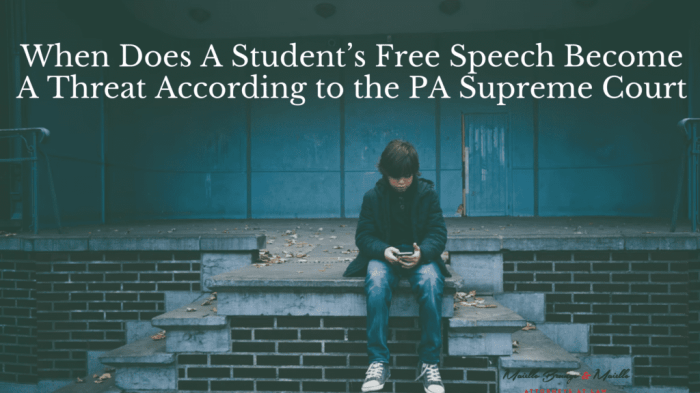
The concept of “protected speech” in the context of student expression is a complex one, often navigating the delicate balance between individual rights and the educational environment. Students, as members of society, possess certain free speech rights, but these rights are not absolute and are subject to limitations within the school setting. Understanding the boundaries of protected student speech is crucial for fostering a productive and respectful learning environment.The legal definition of protected student speech draws heavily on the Supreme Court’s interpretation of the First Amendment, particularly as it applies to public schools.
Key cases, such as
- Tinker v. Des Moines* and
- Hazelwood School District v. Kuhlmeier*, have established important precedents. These rulings highlight that while schools can regulate speech that substantially disrupts the educational environment, they must do so with careful consideration of the student’s right to express themselves.
Legal Definition of Protected Student Speech
The legal standard for protected student speech often centers on whether the speech is disruptive or materially and substantially interferes with the educational environment. If the speech does not meet this threshold, it is generally considered protected under the First Amendment.
Examples of Protected Speech
- Peaceful protests or demonstrations on campus that do not disrupt the educational environment.
- Expressing opinions on controversial topics in class discussions, provided they don’t involve harassment or incitement.
- Creating and distributing student newspapers or publications, within reasonable school guidelines.
- Wearing clothing or accessories expressing political or social views, as long as they don’t create a substantial disruption.
Limitations on Protected Speech
Protected student speech is not without limitations. Speech that incites violence, harassment, or discrimination is not protected. The school has the right to regulate speech that creates a hostile environment for other students. The standard for determining whether speech crosses the line into unprotected territory is often quite high.
Incitement to Violence or Harassment
Examples of unprotected speech in this context include:
- Direct threats of violence against individuals or groups.
- Hate speech that targets individuals or groups based on protected characteristics.
- Speech that incites violence or hatred toward others.
Comparison of Protected and Unprotected Speech
The key difference between protected and unprotected speech often lies in the potential for disruption or harm to the educational environment. Protected speech, while expressing a viewpoint, does not create a substantial disruption or endanger others. Unprotected speech, on the other hand, directly threatens or harms others or materially and substantially interferes with the educational environment.
The court ruling on student MySpace rants being protected speech is fascinating, highlighting the complexities of online expression. It’s a bit like how we can now transform ordinary snapshots into something truly artistic, like in turning snapshots into works of art. Ultimately, the case underscores how digital communication deserves the same consideration as traditional forms of speech, even when it’s delivered through a platform like MySpace.
Key Elements of Protected Student Speech
| Category | Description | Examples |
|---|---|---|
| Protected Speech | Speech that does not substantially disrupt the educational environment and does not incite violence, harassment, or discrimination. | Peaceful protests, expressing opinions in class discussions, creating student publications. |
| Unprotected Speech | Speech that substantially disrupts the educational environment, incites violence, harassment, or discrimination. | Direct threats, hate speech, speech that creates a hostile environment. |
The MySpace Context: Students Myspace Rant Is Protected Speech Says Court
MySpace, launched in 2003, was a pivotal moment in the evolution of social media. It wasn’t just another online platform; it was a cultural phenomenon, especially for teenagers and young adults. It offered a space for self-expression and community building, profoundly impacting youth culture in the early 2000s. This online world, with its unique characteristics, became a significant arena for student expression.MySpace’s influence on online discourse and student interactions was substantial.
The platform fostered a dynamic environment where individuals could connect, share interests, and engage in conversations, often in ways that mirrored, but also differed from, face-to-face interactions. This online realm provided both opportunities and challenges for student expression, requiring a nuanced understanding of the context.
Typical Characteristics of MySpace Discourse
MySpace fostered a distinct style of online communication. Users often employed emoticons, abbreviations, and a casual, informal tone, which reflected the common communication patterns of the time. This style often contrasted with the more formal and structured language used in traditional academic settings. The platform’s focus on personal profiles and creative expression often led to a proliferation of music, photos, and personal narratives, often shaping how students presented themselves online.
The rapid pace of communication, driven by the immediacy of the platform, influenced how students interacted and expressed themselves.
Potential Differences Between Online and In-Person Student Expression
Online student expression on MySpace, unlike in-person interaction, frequently relied on anonymity or a degree of pseudonymous representation. This anonymity often empowered students to express opinions or ideas they might not feel comfortable articulating face-to-face. Conversely, in-person interactions are usually accompanied by a more immediate response and the ability to assess body language and social cues, which are absent in online exchanges.
Furthermore, the speed and volume of online communication often differed significantly from the more deliberate and considered interactions common in school or social settings.
Nuances of Student Expression on MySpace
The ease of sharing information on MySpace contributed to the rapid dissemination of student expression. Posts could reach a large audience quickly, which sometimes led to the spread of information, both positive and negative, beyond the immediate social circle. The platform’s openness and ease of use made it an accessible tool for students to share opinions, concerns, or creative content, fostering a unique form of online community.
The potential for misinterpretation and the lack of immediate context in online communication should also be considered.
MySpace User Profile
| Platform | Typical User Characteristics | Examples of Student Expression |
|---|---|---|
| MySpace | Teens and young adults, often focused on music, fashion, and personal expression. Casual, informal language was common. A degree of anonymity or pseudonymous representation was often present. | Sharing music playlists, posting photos, creating personal blogs, commenting on others’ profiles, participating in group discussions, expressing opinions on social issues, posting frustrations with school or other experiences. |
Student Rants and the Court Ruling
The digital age has brought unprecedented opportunities for student expression, but also new challenges in navigating the line between protected speech and potential harm. This case study explores a landmark court decision regarding a student’s online rant, highlighting the complexities of balancing free speech rights with the need to maintain a safe and productive learning environment.The ruling examined the specific content of a student’s MySpace post, emphasizing that the First Amendment protects a wide range of speech, even when it’s unpopular or offensive to some.
The court’s decision weighed the student’s right to express their views against any potential disruption to the educational environment.
Summary of the Court Case
The case, a landmark in student online expression, involved a high school student who posted a contentious rant on MySpace. The post, which criticized school policies and teachers, sparked considerable controversy. Parents and school administrators expressed concerns about the content’s potential impact on the school climate. The student argued that the post was protected under the First Amendment’s guarantee of freedom of speech.
Specific Content of the Student’s Online Expression
The student’s MySpace post, the core of the legal battle, detailed frustrations with school policies, teachers, and administration. The post used strong language, which some considered offensive and disruptive. The student’s post contained specific complaints about perceived unfair treatment and inadequate resources, expressing opinions that were deemed critical of school personnel and practices.
The court ruling on student MySpace rants being protected speech is interesting, highlighting the line between free expression and potential harm. While this digital age brings new forms of expression, like the cool new features on Sony’s latest Walkman, which now includes a phone camera sonys new walkman features phone camera , it’s still crucial to consider the context and potential consequences of online speech.
Ultimately, the court’s decision on student expression online underscores the need for careful consideration of the implications of free speech in a rapidly changing digital world.
Reasoning of the Court in Determining the Expression as Protected, Students myspace rant is protected speech says court
The court, in its decision, emphasized that the student’s post did not incite violence or harassment, nor did it directly threaten any individual. The court acknowledged the student’s right to express their views, even if those views were unpopular or critical. The key point was the absence of direct threats or calls for unlawful actions, which often distinguishes unprotected speech.
A critical factor was the platform of expression. The online nature of the post was deemed significant in understanding the context of the speech.
Implications of the Court Ruling for Other Students’ Online Expressions
The ruling set a precedent for how courts would view student online expression in the future. It underscored the importance of distinguishing between protected speech, even if controversial, and unprotected speech, such as incitement to violence or harassment. This legal framework established a more nuanced approach to student speech, emphasizing the need to consider the specific content and context of online posts.
The ruling encouraged schools to focus on the potential disruption to the educational environment rather than simply the content’s unpopularity or offensiveness.
Comparison of Protected and Unprotected Student Speech
| Category | Protected Speech (Student MySpace Rant) | Unprotected Speech |
|---|---|---|
| Content | Critical of school policies, teachers, and administration; strong language expressing frustrations; no direct threats or incitement. | Direct threats, harassment, incitement to violence, defamation, and explicit calls for illegal activity. |
| Context | Online expression on a social networking site; no evidence of disruption or immediate harm to individuals. | Physical threats or acts of violence; direct harassment targeting individuals. |
| Impact | Potentially controversial but not disruptive; expression of unpopular opinion. | Immediate disruption to the educational environment; potential for harm to individuals or the school community. |
Implications for Schools and Students
The recent court ruling regarding student online expression, specifically a MySpace rant, has significant implications for both schools and students. Understanding these implications is crucial for navigating the complexities of student expression in the digital age. Schools need to re-evaluate their policies and approaches to online student conduct, while students must be mindful of the legal boundaries surrounding their digital communication.
This ruling underscores the importance of balancing student rights with the need for a safe and productive learning environment.This ruling forces schools to confront the evolving nature of student speech in the digital realm. The internet transcends traditional geographical limitations, enabling students to communicate with peers across the country or even globally. This global reach amplifies the potential for both positive and negative consequences of online expression, impacting not only the student’s own school but potentially broader communities.
Thus, the court’s decision compels schools to reassess their policies to address the nuances of digital communication.
Legal Boundaries of Student Expression
The legal landscape of student expression has always been nuanced, especially when distinguishing between on-campus and off-campus speech. The court’s decision emphasizes the need for schools to distinguish between speech that occurs on school property, under school auspices, or on school-owned devices, and speech that takes place in private settings, outside of school hours, and on personal devices. This distinction is vital in defining the extent of school authority over student expression.
Potential Impact on School Policies
The court ruling has the potential to significantly reshape school policies concerning student internet use. Schools must now carefully craft policies that acknowledge the legal rights of students while ensuring a safe and productive learning environment. This necessitates a more nuanced approach that considers the specifics of each online interaction and its potential impact on the school community.
Policies must avoid blanket restrictions that could inadvertently infringe on legitimate student expression. Schools should also emphasize digital citizenship and responsible online behavior in their policies.
Comparison of Digital and Traditional Speech
Student speech in the digital age differs considerably from traditional, face-to-face communication. The immediacy and broad reach of the internet, combined with the permanence of online content, create a significantly different context. In the traditional environment, face-to-face interactions offer immediate feedback and the opportunity for clarification. Online communication, on the other hand, can be easily misconstrued or taken out of context, leading to potential misunderstandings and conflicts.
Balancing Student Rights and Safety
School policies must carefully balance the rights of students to express themselves online with the need to maintain a safe and orderly learning environment. This requires a thorough understanding of the legal boundaries, as established by the court, and a proactive approach to preventing online harassment, bullying, and other forms of cyber-aggression. The policy should also Artikel clear guidelines for reporting and addressing such incidents.
Potential School Policies to Address Online Student Expression
| Policy Area | Potential Policy Points | Considerations |
|---|---|---|
| Reporting and Monitoring | Establish clear procedures for reporting online harassment and bullying. Utilize a dedicated online reporting system with confidentiality measures. Employ monitoring systems, but with transparency and student consent, respecting privacy concerns. | Ensure procedures are accessible and easy to use for all students and staff. Maintain confidentiality and student privacy. |
| Student Responsibilities | Educate students on responsible online behavior, digital citizenship, and the potential consequences of inappropriate online conduct. Artikel expectations for appropriate online communication, including respecting others and refraining from cyberbullying. | Offer age-appropriate online safety training to all students. |
| Community Guidelines | Develop a comprehensive code of conduct that applies to both on-campus and off-campus online activities. Ensure the code clearly defines acceptable and unacceptable online behavior. | Collaborate with students and parents to ensure the code reflects community values. |
| Consequences | Establish clear and consistent consequences for violations of online conduct policies. Consequences should align with the severity of the offense and the school’s disciplinary code. | Ensure consequences are fairly applied and proportionate to the actions taken. |
| Protection of Free Speech | Guarantee the right of students to express themselves online, but also acknowledge that expression cannot infringe on the rights or safety of others. Establish a clear framework that distinguishes between protected and unprotected speech. | Consider using existing school policies on harassment and bullying as a starting point for online speech policy. |
The Evolution of Online Speech
The digital age has irrevocably altered the landscape of communication, and with it, the way we understand and regulate speech. Online platforms, from early bulletin boards to today’s sophisticated social media networks, have provided unprecedented avenues for expression, but also presented novel challenges for legal frameworks. This evolution is particularly relevant in the context of student speech, as online interactions often blur the lines between personal expression and potential disruptions to the educational environment.The internet’s early days saw a rise in online forums and bulletin boards.
These spaces, while offering anonymity and broad reach, were often unregulated. This lack of clear legal boundaries created a gray area for the types of speech that could be considered acceptable, especially regarding the potential for harassment or defamation. This early period, however, laid the groundwork for the complex legal debates surrounding online expression that continue today.
The Changing Landscape of Social Media and Student Engagement
Social media platforms have become integral to the lives of students. These platforms provide avenues for connection, information sharing, and the formation of online communities. This engagement is deeply interwoven with the development of social identities and the formation of peer groups. Students are often more active on these platforms than in traditional face-to-face interactions, which poses unique challenges and opportunities for educators and administrators.
Challenges and Opportunities in Balancing Free Speech Rights with Educational Responsibilities
The evolution of social media has intensified the challenge of balancing free speech rights with the educational responsibilities of schools. Protecting student expression while maintaining a safe and productive learning environment is a delicate act. Schools need to navigate the fine line between censorship and support for their students’ rights. Opportunities arise in harnessing the potential of online engagement to foster critical thinking, collaboration, and civic engagement.
So, a court ruled that a student’s MySpace rant is protected speech, which is pretty significant. This reminds us that even online, free expression is important. Interestingly, this echoes the need for standards and compatibility in the tech world, as seen in Bluetooth’s efforts to smooth market snags. Ultimately, protecting student expression online, just like establishing a consistent Bluetooth standard, highlights the importance of clear boundaries in the digital realm.
Comparison with Previous Court Rulings on Student Speech
Previous court rulings on student speech, likeTinker v. Des Moines* (1969), established a framework for evaluating student expression in school settings. These cases often focused on physical protests and demonstrations. The current case concerning MySpace rants, however, introduces a new dimension by examining online speech and its potential impact on the educational environment. A key difference lies in the immediacy and reach of online communication.
The potential for broader dissemination and impact on a wider audience is significantly higher than in traditional forms of student expression. Furthermore, the case emphasizes the evolving nature of student expression in a digitally connected world.
Evolution of Social Media Platforms and Their Impact on Student Speech Rights
| Platform | Approximate Launch Date | Impact on Student Speech |
|---|---|---|
| Early Bulletin Boards | Early 1990s | Limited regulation, anonymity fostered expression, but also created concerns about harassment and defamation. |
| Social Networking Sites (e.g., MySpace) | Early 2000s | Increased interconnectedness, greater reach, and the potential for widespread communication. This expanded the potential impact of student expression and created new challenges in balancing freedom of speech with maintaining a safe and orderly school environment. |
| Microblogging Platforms (e.g., Twitter) | 2006 | Facilitated rapid information dissemination and the potential for quick and widespread reactions. Student speech, if controversial or inflammatory, could reach beyond the immediate school community. |
| Mobile Social Media Platforms | Present | Increased accessibility and immediacy, blurring the lines between online and offline activities. The constant connectivity and the ubiquity of mobile devices pose new considerations for schools concerning student expression and its potential impact. |
Illustrative Examples of Student Expression
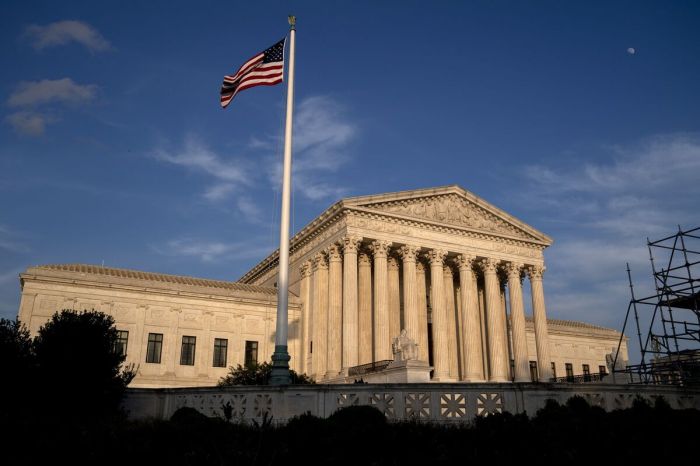
Student online expression, especially on platforms like MySpace, often reveals a spectrum of opinions, frustrations, and perspectives. These digital rants, while sometimes controversial, can provide valuable insights into the social and emotional landscape of adolescence. Navigating this digital terrain requires a careful consideration of both the potential benefits and harms. Understanding the context surrounding these expressions is key to evaluating their legal implications.
Examples of Student Online Expressions
Understanding the types of online expression students engage in is critical to comprehending the complexities of “protected speech” in a school setting. Students, like all individuals, express themselves in various ways, including opinions, frustrations, and social commentary. These expressions can range from humorous observations to serious critiques of school policies.
| Context | Content | Legal Evaluation |
|---|---|---|
| A high school student, frustrated with a strict dress code, posts a humorous, satirical commentary on the school’s fashion rules on a public forum. | “This dress code is ridiculous! It’s like they’re trying to turn us all into clones. Who needs a dress code anyway?” | This likely constitutes protected speech. The expression is satirical and doesn’t directly threaten or incite violence. The potential harm is minimal and the expression is protected by the First Amendment. |
| A student, upset about a perceived injustice in a school debate, posts a critical comment about the teacher’s handling of the situation on a social networking site. | “Mr. Smith completely ignored our arguments. He’s biased and unfair.” | This is likely protected speech. While critical, the statement doesn’t attack the teacher personally in a way that crosses the line into defamation. It expresses an opinion about a school event. |
| A student creates a MySpace page expressing strong dissatisfaction with a school policy, but includes inflammatory language and threats against individuals. | “This school is a joke. I’m going to make it clear that I hate this school, and will ruin the reputation of the principal and the teachers!” | This expression, while expressing dissatisfaction, may not be protected speech if it directly threatens individuals or incites violence. The potential for harm is significantly higher, and the school could potentially argue that the speech substantially disrupts the educational environment. |
| A group of students creates a shared MySpace page to organize a peaceful protest against a proposed change to the school’s lunch menu. | “We need to protest this new lunch menu! It’s terrible! We’ll meet at the front of the school on Tuesday at noon.” | This is likely protected speech. The students are expressing their collective opinion and organizing a peaceful assembly. This is a form of assembly and petitioning the government which are protected under the First Amendment. |
Considerations for Evaluating Student Expression
Evaluating student online expression requires a careful balance of protecting free speech rights and maintaining a safe and productive learning environment. Factors to consider include the specific content of the expression, the context in which it was posted, the potential for harm to others, and the school’s ability to demonstrate a substantial disruption to the learning environment. The courts have emphasized that schools have a legitimate interest in maintaining order and discipline, but this interest must be balanced against students’ rights to express themselves.
Ultimate Conclusion
The court’s decision in the student MySpace rant case underscores the evolving legal landscape surrounding online student expression. It prompts a vital conversation about how schools can navigate the complexities of protecting free speech while maintaining a positive learning environment. The future of online speech and student rights is undeniably intertwined with the evolving nature of social media and the legal interpretations surrounding it.