Study US Latinos Digital Divide
Study u s latinos on far side of digital divide – Study US Latinos on the far side of the digital divide explores the significant challenges faced by this community in accessing and utilizing digital resources. The divide manifests in various ways, from limited access to affordable internet to the lack of digital literacy skills. This study delves into the socioeconomic factors, language barriers, and cultural norms that contribute to this disparity, highlighting the impact on education, employment, and civic engagement.
It also examines strategies and solutions to bridge this divide and empower US Latinos to thrive in the digital age.
This in-depth analysis examines the different facets of the digital divide, including access, affordability, literacy, and skills. It analyzes how these factors disproportionately affect US Latinos and the resulting consequences for their opportunities in education, employment, and community engagement. The study also provides a framework for addressing these issues through potential solutions and best practices.
Defining the Digital Divide for U.S. Latinos
The digital divide, a persistent societal chasm, disproportionately affects U.S. Latinos. It’s not simply a gap in technology access; it’s a multifaceted issue impacting education, employment, and overall well-being. This disparity stems from a complex interplay of socioeconomic factors, cultural nuances, and systemic barriers. Understanding the various facets of this divide is crucial to fostering equitable access to digital resources and opportunities for U.S.
Latinos.The digital divide for U.S. Latinos encompasses a range of issues, from basic access to high-speed internet to the development of essential digital literacy skills. This disparity is not merely a matter of having a computer or phone; it’s about the ability to effectively utilize digital tools for education, employment, and social engagement. The impact is profound, creating barriers to economic advancement and hindering participation in the modern information economy.
Access to Technology
Latinos in the U.S. often face significant hurdles in accessing essential technologies, including computers, smartphones, and reliable internet connections. Limited household incomes frequently restrict the purchase of these devices, while inadequate infrastructure in certain communities can impede access to high-speed internet. This lack of access directly impacts educational opportunities and job prospects. For instance, online learning platforms, job applications, and essential government services are often inaccessible to those without the necessary technology.
Affordability of Technology and Services, Study u s latinos on far side of digital divide
The cost of technology and internet services can be a substantial barrier for U.S. Latinos. Many families struggle to afford the initial purchase of devices and the recurring costs of internet subscriptions. This economic constraint often leads to limited or infrequent use of digital tools, hindering skill development and participation in the digital economy.
Digital Literacy and Skills
Even with access to technology, digital literacy is crucial for effective utilization. A lack of digital literacy skills can impede the ability to navigate online resources, access educational materials, or apply for jobs online. U.S. Latinos may experience disparities in digital literacy due to factors like language barriers, limited educational opportunities, and cultural differences in technology usage. The inability to effectively utilize online tools creates a significant disadvantage in an increasingly digital world.
Impact of Language Barriers
Language barriers pose a significant obstacle to digital literacy and access for U.S. Latinos. Many websites and online resources are not translated into Spanish or other common Latino languages, creating a significant hurdle for effective navigation and comprehension. Limited language proficiency can restrict access to information and opportunities, contributing to the digital divide.
Table: Dimensions of the Digital Divide Affecting U.S. Latinos
| Dimension | Description | Impact on U.S. Latinos | Examples |
|---|---|---|---|
| Access | Lack of access to computers, smartphones, and reliable internet connections. | Limited access to online education, job applications, and essential services. | Families in low-income communities may not be able to afford a computer, or reliable internet access might not be available in their area. |
| Affordability | High cost of technology and internet services. | Limited or infrequent use of digital tools, hindering skill development and participation in the digital economy. | The cost of a monthly internet plan can be prohibitive for some families. |
| Literacy | Lack of digital literacy skills to effectively use online resources and tools. | Inability to navigate online resources, access educational materials, or apply for jobs online. | Limited ability to use online job search platforms or complete online applications. |
| Skills | Lack of specific digital skills needed for employment and education. | Reduced opportunities for employment and advancement in the digital economy. | Difficulty in using specialized software or platforms necessary for particular jobs. |
Factors Contributing to the Divide
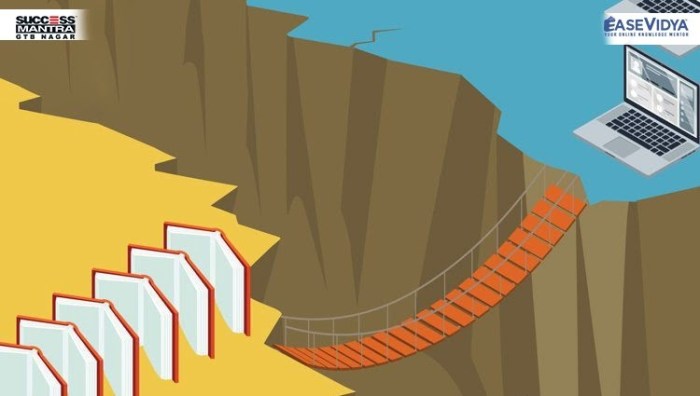
The digital divide among U.S. Latinos is a multifaceted issue, deeply rooted in socioeconomic disparities, language barriers, and cultural norms. Understanding these factors is crucial for developing effective strategies to bridge the gap and ensure equitable access to digital resources. This complex interplay of factors necessitates a nuanced approach, recognizing that no single solution will address the diverse needs of the Latino community.Socioeconomic factors, such as income levels, education attainment, and access to reliable internet infrastructure, significantly influence digital participation.
Language barriers, particularly for first-generation immigrants, pose a significant hurdle, impacting not only access but also the ability to effectively utilize digital tools. Cultural and social norms surrounding technology adoption also contribute to varying levels of digital engagement within different Latino subgroups.
Socioeconomic Factors
Economic limitations often restrict access to computers, smartphones, and reliable internet service. Lower income levels can make the upfront costs of technology prohibitive, while limited access to affordable internet plans further exacerbates the issue. Educational attainment levels also play a role; individuals with lower levels of education may have less familiarity with technology and fewer opportunities to develop digital skills.
Furthermore, geographic location can be a critical factor, as underserved communities often lack adequate internet infrastructure, creating a digital divide within the Latino community.
Language Barriers
Language barriers are a significant obstacle to digital access and engagement. For many U.S. Latinos, particularly those who are first-generation immigrants, English proficiency may be limited. This limitation can create significant barriers to understanding online information, navigating websites, and utilizing online resources. Furthermore, the absence of content in their native languages can limit their ability to engage in online communities and educational resources.
Cultural and Social Norms
Cultural and social norms play a significant role in shaping digital adoption among U.S. Latinos. Different cultural values and beliefs regarding technology usage can influence the level of comfort and engagement with digital tools. Family structures and traditional gender roles can also impact access and participation. Furthermore, a lack of trust in online platforms or a perception that technology is not relevant to their lives can also hinder digital adoption.
Comparison of Digital Divide Factors Across Latino Subgroups
| Factor | First-Generation Immigrants | Second-Generation Immigrants | Impact |
|---|---|---|---|
| Socioeconomic Status | Often lower incomes, limited access to resources | Potentially higher incomes, increased access to resources | First-generation faces greater challenges in acquiring technology and internet access. |
| Language Proficiency | Significant language barriers in accessing and using digital resources. | Greater English proficiency, but cultural barriers may persist. | Limited English proficiency hinders access to digital tools and resources for first-generation immigrants. |
| Cultural Norms | Traditional values and beliefs about technology use. | More exposure to technology from a younger age. | Cultural norms can affect comfort levels with technology, impacting adoption rates. |
Government Policies and Initiatives
Government policies and initiatives can significantly impact efforts to bridge the digital divide for U.S. Latinos. Policies focused on expanding broadband access in underserved communities can be instrumental in improving access to digital resources. Efforts to provide digital literacy training and resources can empower individuals to effectively utilize technology. Additionally, government funding for bilingual online resources can support individuals who face language barriers.
Recent studies highlight the digital divide affecting US Latinos, a significant portion struggling with access to technology. This lack of digital access has far-reaching consequences, and security issues like the recent “Santy” worm, as detailed in this article about google thwarts santy a worm amid growing threat , further compound the problem. Ultimately, bridging the digital gap for US Latinos is crucial for their economic and social advancement in today’s increasingly tech-driven world.
Conversely, policies that fail to address the unique needs of the Latino community or that prioritize specific technologies over others can exacerbate the divide. For example, the lack of sufficient funding for bilingual educational programs or resources in certain areas may hinder the ability of Latinos to engage in digital literacy programs.
Access to Digital Resources: Study U S Latinos On Far Side Of Digital Divide
Bridging the digital divide for U.S. Latinos hinges on equitable access to digital resources. This includes not just internet access, but also the necessary tools and skills to effectively utilize them. The disparities in digital literacy and availability of affordable options create a significant barrier to economic and educational advancement. Understanding these challenges is crucial to crafting effective solutions.Affordable internet access remains a significant hurdle for many U.S.
Latino households. High costs, coupled with limited income, often result in families choosing between essential needs like food and shelter and the cost of internet service. This constraint limits opportunities for education, employment, and social engagement. Efforts to expand affordable options, like subsidized programs and community-based initiatives, are vital.
Affordable Internet Access Options
Numerous initiatives aim to provide affordable internet access for U.S. Latinos. These range from government programs offering subsidies to community-based initiatives that provide discounts or shared access points. Understanding these options and their reach within specific communities is essential to tailoring interventions. Many internet providers offer lower-cost plans, and some programs offer discounted rates based on income.
Role of Community Organizations
Community centers, libraries, and other organizations play a critical role in expanding digital access. These organizations often serve as hubs for digital literacy training, providing free Wi-Fi access and computer labs for community members. They often act as crucial connectors between individuals and the digital world, providing guidance and support. Libraries, in particular, are valuable resources due to their established presence and community engagement.
Essential Digital Tools and Platforms
Specific digital tools and platforms are critical for U.S. Latinos to thrive in today’s society. Basic internet access alone is insufficient; users need to be equipped with tools and platforms that support education, job searching, and social interaction. These include:
- Educational Platforms: Online learning platforms (e.g., Coursera, Khan Academy) enable access to educational resources, fostering skill development and knowledge acquisition. These resources are particularly important for lifelong learning and professional advancement.
- Job Search Platforms: Online job portals (e.g., Indeed, LinkedIn) are essential for job seekers. These platforms connect job seekers with opportunities, empowering them to navigate the job market effectively.
- Financial Management Tools: Online banking and financial management tools empower individuals to manage their finances effectively, aiding in budgeting and saving for future goals. This is particularly important for immigrant communities.
- Social Media Platforms: Social media platforms (e.g., Facebook, WhatsApp) connect individuals with their communities and support networks. These platforms can be critical for maintaining social connections and accessing information. This is important for immigrant communities to connect with relatives.
Digital Literacy Levels Comparison
Significant disparities exist in digital literacy levels across different demographic groups. Studies indicate that U.S. Latinos often exhibit lower levels of digital literacy compared to other groups. This disparity is attributable to factors like limited access to technology and training opportunities. Addressing these disparities is crucial to fostering economic and social mobility.
For instance, many immigrant families lack experience with using digital tools.
Successful Community Programs
Numerous successful community-based programs exist that aim to increase digital literacy among U.S. Latinos. These programs often involve workshops, tutoring sessions, and one-on-one support. Examples include:
- Local Libraries: Many libraries offer free computer classes and workshops designed to teach basic computer skills and internet navigation. This helps bridge the digital divide.
- Community Centers: Community centers provide accessible spaces for workshops, training sessions, and mentorship, often offering technology-related classes to promote digital literacy.
- Nonprofit Organizations: Nonprofit organizations focused on community development often run programs that provide access to technology, training, and support to improve digital literacy. These are crucial for helping individuals navigate online resources and opportunities.
Digital Literacy and Skills
Bridging the digital divide for U.S. Latinos requires more than just access to technology. Essential digital literacy skills empower individuals to navigate the online world effectively, unlocking opportunities for education, employment, and personal growth. This crucial aspect of digital inclusion is often overlooked, yet its impact is profound. Understanding the challenges and opportunities surrounding digital literacy training is key to ensuring equitable participation in the digital economy.Digital literacy goes beyond simply knowing how to use a computer or smartphone.
It encompasses a wide range of skills, from critical evaluation of online information to effective communication and collaboration in digital spaces. For U.S. Latinos, these skills are particularly vital for navigating complex systems, accessing crucial resources, and participating fully in their communities and society.
Importance of Digital Literacy for U.S. Latinos
Digital literacy skills are essential for U.S. Latinos to thrive in the modern world. Proficiency in digital tools allows them to access vital information, such as educational resources, job postings, and government services. It also enables them to communicate effectively with others, participate in online communities, and build professional networks. These skills are crucial for socioeconomic advancement and empowerment.
The study on US Latinos facing the digital divide is concerning. While advancements in technology, like the rapidly evolving world of solid state pcs computings next horizon , offer exciting possibilities, it’s crucial to ensure equitable access for all. Bridging this gap is essential to foster a more inclusive digital future for everyone, especially marginalized communities.
Challenges in Teaching Digital Literacy to U.S. Latinos
Several challenges hinder the effective teaching of digital literacy to U.S. Latinos. Language barriers, varying levels of prior knowledge, and cultural nuances all play a significant role. Additionally, unequal access to quality internet connectivity and devices further complicates efforts to provide comprehensive digital literacy training. Addressing these obstacles requires tailored approaches that cater to the diverse needs and experiences of the community.
For example, offering bilingual resources and adapting teaching methods to different learning styles can significantly enhance the effectiveness of digital literacy programs.
Specific Digital Skills Needed by U.S. Latinos
U.S. Latinos need a range of digital skills to succeed. Fundamental skills, like navigating the internet, using email, and creating documents, are foundational. More advanced skills, such as digital marketing, graphic design, and web development, can open doors to higher-paying jobs and entrepreneurial opportunities. Furthermore, critical thinking and media literacy skills are essential to evaluate information critically and avoid misinformation.
The ability to safely and securely use digital tools is also paramount.
Digital Literacy Programs Targeting U.S. Latinos
| Program | Target Audience | Methods | Outcomes |
|---|---|---|---|
| Digital Inclusion Initiative | Low-income U.S. Latino families | Workshops, one-on-one tutoring, online courses | Improved digital literacy skills, increased access to online resources, enhanced job prospects |
| Latino Tech Mentorship Program | High school and college-aged U.S. Latinos | Mentorship program connecting with experienced professionals in tech fields, hackathons, and coding boot camps | Increased interest in STEM fields, improved coding skills, career guidance and networking opportunities |
| Community-Based Digital Literacy Centers | U.S. Latinos of all ages and backgrounds | Workshops, computer labs, bilingual staff | Improved digital skills for daily tasks, accessing online resources, connecting with local communities |
Empowering U.S. Latinos Through Digital Literacy
Digital literacy programs empower U.S. Latinos in numerous ways. These programs can enhance their access to education and employment opportunities. They can also strengthen their participation in civic engagement and community building. By equipping U.S.
Latinos with the skills they need, these programs help bridge the digital divide and foster economic empowerment. For example, digital literacy programs can enable U.S. Latinos to easily find job postings, apply for jobs online, and even conduct business online.
The Far Side of the Divide
The digital divide, a chasm separating those with access to technology and the internet from those without, disproportionately impacts U.S. Latinos. This lack of digital access creates significant barriers to educational advancement, economic opportunity, and civic participation. The consequences extend beyond individual struggles, impacting communities and hindering overall societal progress. This section delves into the profound effects of this divide on the lives of U.S.
Latinos.The digital divide is more than just a lack of computers or internet access; it’s a multifaceted problem that manifests in various ways, from limiting educational opportunities to hindering entrepreneurship. This disparity in digital access has profound and lasting consequences for U.S. Latino communities, perpetuating existing inequalities and hindering their ability to fully participate in the 21st-century economy and society.
Consequences in Education
Limited access to online learning resources, educational software, and virtual classrooms hinders educational progress for U.S. Latino students. The digital divide often exacerbates existing socioeconomic disparities, as students without reliable internet access may struggle to keep up with their peers. This can lead to lower academic achievement, decreased graduation rates, and fewer opportunities for higher education.
Consequences in Employment
The digital divide significantly impacts employment prospects for U.S. Latinos. Many jobs now require digital literacy and online skills, creating a barrier for those without access to technology and training. This limits job opportunities and can lead to lower wages and fewer advancement opportunities. A significant number of U.S.
The recent study on US Latinos being on the far side of the digital divide is a real concern. It highlights a significant gap in access to technology, which can impact everything from education to job opportunities. To bridge this divide, maybe consider some cool and unusual gifts for Christmas, like cool and unusual gifts for Christmas that foster digital literacy and help close the gap.
Ultimately, ensuring everyone has equal access to technology is crucial for a more equitable future for US Latinos.
Latino workers in various sectors face challenges in competing for jobs requiring online proficiency.
Impact on Economic Advancement and Entrepreneurship
The lack of digital access poses a considerable obstacle to economic advancement and entrepreneurship for U.S. Latinos. Online platforms and digital tools are increasingly essential for starting and growing businesses. Without access to these resources, U.S. Latino entrepreneurs face difficulties in marketing their products, reaching customers, and managing their businesses effectively.
This lack of access can lead to missed opportunities for economic growth and self-sufficiency.
Impact on Civic Engagement
The digital divide also limits civic engagement among U.S. Latinos. Online resources and platforms are crucial for political participation, including researching candidates, engaging in political discussions, and participating in online activism. Without access to these resources, U.S. Latinos may be less informed and engaged in political processes.
This can lead to decreased political representation and limited influence in shaping policy decisions.
Effects on Social Inclusion and Community Development
The digital divide can hinder social inclusion and community development for U.S. Latinos. Online communities and forums provide vital platforms for social interaction, information sharing, and community building. Limited access to these resources can isolate individuals and limit their ability to connect with others in their communities. This can lead to a lack of support networks and hinder the growth of community organizations.
Bridging the Divide
Closing the digital divide for U.S. Latinos requires a multifaceted approach that tackles the complex interplay of socioeconomic factors, educational disparities, and technological access. This involves more than simply providing devices; it necessitates a comprehensive strategy that fosters digital literacy and equips individuals with the skills to navigate the digital world confidently. A focus on community-based initiatives, educational partnerships, and supportive business models is essential for long-term success.Bridging the digital divide for U.S.
Latinos is not just about providing technology; it’s about fostering a digital ecosystem that empowers individuals to thrive in the modern economy. This includes dismantling systemic barriers and creating opportunities for participation in the digital sphere, recognizing that technology is no longer a luxury but a necessity.
Potential Strategies to Bridge the Digital Divide
Strategies to bridge the digital divide for U.S. Latinos must be comprehensive and tailored to the specific needs of diverse communities. This includes addressing the root causes of the divide, such as limited access to affordable internet and digital devices, alongside a lack of digital literacy skills.
- Targeted Community Outreach Programs: Community-based organizations can play a crucial role by organizing workshops, seminars, and mentorship programs focused on digital literacy and basic computer skills. These programs should be culturally sensitive, considering the diverse linguistic and cultural backgrounds within Latino communities. Examples include community centers offering free computer classes, or dedicated digital literacy programs for senior citizens.
- Affordable Internet Access Initiatives: Expanding access to affordable high-speed internet is critical. Government subsidies, community-based internet access points, and partnerships with internet providers can help lower costs and increase connectivity. A key element is promoting the use of existing infrastructure to extend coverage and reduce the cost of internet services.
- Digital Literacy Training for Educators: Equipping educators with the necessary digital literacy skills will allow them to integrate technology effectively into their classrooms, creating opportunities for students to develop these skills early in their academic journey. This includes training on how to use technology effectively in teaching, along with how to identify and address digital literacy gaps in students.
- Mobile Device Provisioning and Support: Providing access to mobile devices, particularly smartphones, can greatly improve access to online resources. This includes providing devices with pre-loaded apps and educational content, along with technical support and training on their use. Such support could be offered by community centers or mobile support units.
Examples of Successful Programs
Successful programs in other communities offer valuable models for bridging the digital divide for U.S. Latinos. These examples demonstrate the effectiveness of tailored approaches that recognize the unique needs and challenges faced by diverse populations.
- The “Internet for All” initiative in Brazil focused on bringing affordable internet access to underserved rural communities. This involved collaborations with local businesses and government agencies, and demonstrated the effectiveness of public-private partnerships in expanding access.
- “Digital Inclusion” programs in South Africa highlighted the importance of digital literacy training alongside access to devices and internet. These programs focused on practical skills and employment opportunities, showcasing the value of linking digital literacy to real-world applications.
Role of Educational Institutions
Educational institutions have a critical role to play in bridging the digital divide. Integrating technology into the curriculum, providing digital literacy training, and creating accessible learning environments are essential steps.
- Technology Integration into Curricula: Schools should integrate technology into all subject areas, using digital tools and resources to enhance learning experiences. This ensures that students develop digital literacy skills alongside traditional academic subjects.
- Digital Literacy Programs for Students: Implementing comprehensive digital literacy programs for students, starting from early childhood, is essential to fostering digital fluency. These programs should cover topics like online safety, responsible use of technology, and information literacy.
- Support for Teachers and Staff: Providing training and support for teachers and staff on how to effectively use technology in the classroom will ensure its integration is successful and sustainable.
Business Partnerships and Initiatives
Businesses can play a vital role in bridging the digital divide through partnerships and initiatives. Collaborations with community organizations and educational institutions can create impactful programs.
- Corporate Social Responsibility Initiatives: Businesses can contribute by funding digital literacy programs, providing equipment and internet access to underserved communities, and sponsoring scholarships for students pursuing digital careers.
- Developing Digital Skills Training Programs: Companies can offer workshops and apprenticeships to equip individuals with the digital skills needed for in-demand jobs. This can include training on specific software, coding languages, or digital marketing strategies.
Proposed Framework for Closing the Digital Divide
A proposed framework for closing the digital divide for U.S. Latinos needs to consider the interconnectedness of access, skills, and opportunity. A holistic approach that includes community involvement, government support, and business partnerships is crucial.
- Community-Based Collaboration: Establishing partnerships between community organizations, schools, and businesses to develop targeted programs that address the specific needs of Latino communities.
- Government Funding and Policies: Implementing policies and programs that increase access to affordable internet and digital devices, alongside supporting digital literacy initiatives. This includes subsidies for internet access, and tax incentives for businesses that invest in digital inclusion.
- Long-Term Sustainability: Ensuring that initiatives are sustainable through long-term funding models, community engagement, and continuous evaluation of their effectiveness.
Last Recap
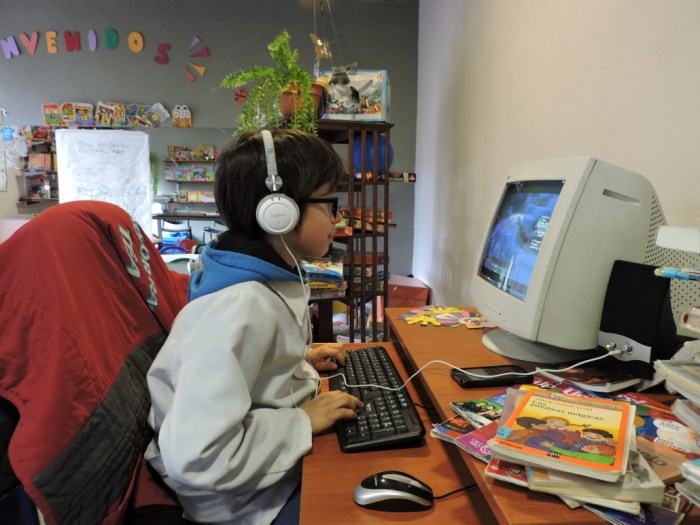
In conclusion, the study underscores the critical need for comprehensive strategies to bridge the digital divide for US Latinos. The findings reveal that addressing this disparity requires a multi-faceted approach, encompassing initiatives that improve internet access, promote digital literacy programs, and foster cultural understanding. Ultimately, closing the digital divide is essential for ensuring equal opportunities and empowering US Latinos in all aspects of their lives.