Study Web News Readers Stick With Stories Longer
Study web news readers stick with stories longer – Study: Web news readers stick with stories longer. This research dives deep into the factors that keep online news readers engaged for extended periods. We’ll explore user engagement metrics, the impact of storytelling, content formats, design elements, and user behavior patterns to uncover why some news articles captivate readers while others fade into the digital background.
Understanding these factors can help news organizations optimize their content and design to maximize reader engagement, ultimately driving traffic and fostering a stronger connection with their audience. From captivating storytelling to intuitive design, we’ll analyze the key elements that contribute to reader retention in the ever-evolving digital news landscape.
User Engagement with Web News Readers: Study Web News Readers Stick With Stories Longer

Understanding how users interact with web news readers is crucial for publishers to optimize content and maximize readership. This involves analyzing various metrics and factors that influence engagement, from the time spent on an article to the likelihood of returning to the site. Effective engagement strategies can significantly impact the success and sustainability of online news platforms.
User Engagement Metrics
User engagement metrics are quantifiable measures of how actively users interact with web news content. These metrics provide insights into user behavior, allowing publishers to identify trends and tailor their content to better resonate with their audience. Key metrics include time spent on a page, click-through rates, returning visitors, and social media shares. Understanding these metrics is critical for assessing the effectiveness of different content strategies.
Methods for Measuring Time Spent on Web News Articles
Several methods exist for measuring how long users stay on web news articles. These methods often involve tracking user behavior through website analytics platforms. One common approach is using session duration, which records the time a user spends on a particular page. Another method involves tracking individual page views and their duration. These tools often offer granular data about user interaction with specific sections or elements within an article, providing valuable insights into reader preferences.
This information can be invaluable in improving the structure and presentation of future content.
Factors Influencing User Engagement with Online News Content
Numerous factors can influence user engagement with online news content. The quality and relevance of the content are paramount. Users are more likely to engage with articles that are well-written, accurate, and address current events or topics of interest. Presentation and design play a crucial role. User-friendly interfaces, clear navigation, and attractive visuals can significantly enhance engagement.
Furthermore, the overall user experience, including loading speed and mobile responsiveness, influences how users interact with the content. In addition, the presence of multimedia elements, such as videos and images, can increase engagement by making the content more engaging and easier to understand.
Comparison of Engagement Metrics
| Metric | Description | How Measured | Importance |
|---|---|---|---|
| Time on Page | The average time a user spends on a specific article page. | Website analytics platforms track the time spent on each page. | Indicates user interest and perceived value of the content. |
| Click-Through Rate (CTR) | The percentage of users who click on a link within an article. | Tracking clicks on internal or external links within the article. | Indicates the effectiveness of internal linking and the reader’s desire to explore related topics. |
| Returning Visitors | The percentage of users who return to the website after their first visit. | Tracking unique visitors and their subsequent return visits. | Indicates user satisfaction and the overall appeal of the website. |
| Social Media Shares | The number of times an article is shared on social media platforms. | Tracking shares on social media platforms linked to the article. | Reflects the perceived value and virality of the article. |
Identifying Factors Contributing to Longer Story Retention
Engaging web news readers goes beyond simply presenting facts; it requires crafting compelling narratives that captivate and hold attention. Readers today are bombarded with information, and maintaining their focus on a particular story hinges on a variety of factors, from the story’s inherent appeal to the presentation format and design choices. This exploration delves into the key elements that contribute to sustained user engagement with online news.Understanding the reasons behind prolonged engagement with news articles is crucial for online publishers.
Successful news platforms understand that retaining readers’ interest isn’t just about presenting the facts, but crafting a compelling and engaging experience that encourages deeper immersion. The quality of storytelling, diverse content formats, and intuitive design all play critical roles in this process.
Compelling Storytelling
Compelling narratives are essential for maintaining reader attention. A well-structured story, with a clear beginning, middle, and end, keeps readers invested. Strong character development, particularly in human-interest stories, can also significantly enhance engagement. Effective storytelling often involves weaving in emotions, presenting relatable experiences, and building suspense. Examples include investigative journalism pieces that unveil intricate plots, or human-interest stories that resonate with readers’ personal experiences.
Content Formats for Engagement
Various content formats can enhance engagement and encourage readers to stay longer. Text, images, videos, and interactive elements all play a role in capturing and maintaining attention.
- Textual Content: Clear, concise, and engaging writing is key. Employing a conversational tone, incorporating compelling anecdotes, and using descriptive language can significantly improve readability and user engagement. For instance, articles using strong verbs and evocative language tend to be more captivating.
- Visual Content: Images and videos significantly enhance the narrative experience. High-quality visuals, relevant infographics, and captivating videos can break up text, increase understanding, and keep readers interested.
- Interactive Elements: Interactive elements, such as quizzes, polls, or embedded data visualizations, can increase user engagement by encouraging active participation and exploration. This type of interactivity provides a dynamic experience and allows readers to connect with the information in a more meaningful way. For instance, a news article about climate change might include a map that allows readers to visualize the impact in their local area.
Examples of Engaging News Articles
Numerous news articles have successfully captivated readers through compelling storytelling and innovative formats. Examples include pieces that use interactive maps to highlight historical events, investigative reports that weave together multiple storylines, or human-interest stories that showcase the human element within complex issues.
Impact of Design Elements on User Engagement
Effective design choices are critical to creating a user-friendly experience that encourages prolonged engagement.
| Design Element | Impact on User Engagement |
|---|---|
| Layout | A clean and uncluttered layout with clear headings and subheadings helps readers easily navigate the content. Use of whitespace is key to improve readability and maintain interest. |
| Typography | Appropriate font choices and sizes are essential for readability. Consider using a combination of different fonts to enhance visual appeal and clarity. This ensures that the content is easy to read and scan. |
| Visuals | Strategic use of images and videos can significantly enhance engagement. High-quality visuals, relevant infographics, and engaging videos can break up text and keep readers interested. |
Content Characteristics and User Retention
Engaging web news readers requires more than just delivering the facts. The way stories are presented, the tone employed, and the integration of multimedia all play crucial roles in determining how long readers stay with an article. Understanding these characteristics is vital for news organizations striving to enhance user engagement and foster a loyal readership.Effective web news articles often blend concise summaries with compelling narratives.
They address reader curiosity, offering a satisfying blend of information and engagement. The design and structure of the article itself also contribute significantly to user retention, with clear headings, concise paragraphs, and strategically placed visuals often being key elements.
Content Style and Reader Engagement
News organizations adopt various styles, impacting reader retention. A concise, straightforward style works well for breaking news, whereas in-depth reports might benefit from a more academic or analytical tone. Opinion pieces, on the other hand, typically employ a more persuasive and argumentative style. The tone employed significantly affects the perceived value and credibility of the news source.
Role of Multimedia in Reader Engagement
High-quality images, videos, and infographics significantly enhance reader engagement. Images can vividly illustrate complex topics, making information more accessible and memorable. Videos provide dynamic storytelling, allowing readers to witness events or processes firsthand. Infographics, in turn, present complex data in an easily digestible format, fostering deeper comprehension.
Recent studies show web news readers are staying engaged with articles longer, which is interesting given the rapid pace of tech advancements. This suggests a need for more compelling content and better user experience. Microsoft, for example, is previewing a new approach to software development, focusing on streamlined processes and reusable components. This kind of innovative approach to software creation might be key to keeping users engaged with longer-form content, mirroring the longer dwell times seen in web news readers.
Hopefully, this new wave of software development will enhance the reading experience and cater to the increased time readers are spending on web news articles.
Comparison of News Source Storytelling Approaches, Study web news readers stick with stories longer
Different news outlets employ varying approaches to storytelling, reflecting their individual editorial styles and target audiences. Some sources prioritize immediacy and breaking news updates, while others focus on in-depth analysis and investigative journalism. This difference in approach often correlates with the average duration readers spend on their articles.
Recent studies show web news readers are staying engaged with articles longer, a trend likely fueled by the desire for deeper dives into information. This longer engagement time could be a valuable insight for companies like the ones behind ruckus unveils free music download service with a catch , potentially impacting their strategies for content creation and user experience.
Ultimately, this suggests a strong connection between reader retention and quality content, a key takeaway for anyone hoping to maximize online engagement.
Typical Reader Engagement Duration Across News Article Types
| News Article Type | Typical Reader Engagement Duration (estimated) | Explanation |
|---|---|---|
| Breaking News | Under 2 minutes | Readers are often seeking immediate updates, and concise reporting is crucial. |
| Opinion Pieces | 3-5 minutes | Readers often seek opinions and perspectives, and the format allows for more in-depth analysis. |
| In-depth Reports | 5-10 minutes | Readers engage with detailed investigations and analyses, which require more time for comprehension. |
| Feature Stories | 5-15 minutes | These stories delve into specific topics with captivating narratives and often include multimedia elements. |
Note: The estimated durations are approximate and can vary based on the specific article’s quality, complexity, and reader interest. For example, a particularly compelling feature story might retain a reader for much longer than 15 minutes, while a poorly written breaking news report could be abandoned quickly.
Impact of Design and Presentation on Engagement
A captivating website design isn’t just about aesthetics; it’s a crucial element in retaining users’ attention and encouraging them to delve deeper into news articles. A well-structured and visually appealing platform directly impacts user experience, influencing how long readers stay engaged with the content. Effective design fosters a sense of trust and encourages exploration, ultimately contributing to a positive feedback loop for the news organization.Modern news consumption demands a seamless user experience, particularly on mobile devices.
A visually appealing website with intuitive navigation, coupled with optimized performance, plays a vital role in maximizing user engagement and fostering long-term relationships with the audience. The design elements should be carefully considered to ensure the platform caters to the needs and expectations of today’s digital news consumers.
Website Design Elements and User Engagement
The visual appeal of a website significantly impacts user engagement. A well-designed website, with an easy-to-navigate structure, can encourage users to spend more time exploring the content. Clear typography, appropriate use of whitespace, and an intuitive layout contribute to a positive user experience, ultimately driving engagement. Consideration of the target audience’s preferences and expectations is key to crafting a website that resonates with users and keeps them coming back for more.
Mobile-Friendliness and Engagement
Mobile-friendliness is no longer a desirable feature but a fundamental requirement for news websites. Users increasingly access news on smartphones and tablets, and a website that isn’t optimized for these devices will likely lose users to competitors who prioritize mobile accessibility. A responsive design, adapting seamlessly to different screen sizes, ensures a consistent and comfortable experience across all devices.
This adaptability is crucial to maximizing engagement, especially for news organizations that want to capture a wider audience.
Role of User Interface Design Elements
User interface (UI) design elements play a significant role in influencing user behavior and encouraging engagement. Clear and concise navigation menus, easily accessible search functions, and visually appealing presentation formats contribute to a smooth and enjoyable reading experience. Visual cues, such as highlighting important sections or using contrasting colors for key information, can guide users’ attention and enhance comprehension.
Intuitive interaction patterns and consistent design language further enhance user engagement and build trust in the platform.
Impact of Website Design Features on User Engagement
| Website Design Feature | Impact on User Engagement |
|---|---|
| Page Load Speed | A faster loading website reduces bounce rates and increases time spent on the site. Users are less likely to abandon a slow-loading page, leading to higher engagement with the news content. |
| Navigation | Intuitive and easy-to-use navigation helps users quickly find the desired content. A clear and logical structure minimizes frustration and encourages exploration of different news topics. |
| Layout | A well-organized layout with clear visual hierarchy guides the user’s eye and enhances readability. Proper use of whitespace, headings, and images contributes to a more engaging reading experience. |
| Visual Appeal | Visually appealing design elements, such as high-quality images and videos, can attract users’ attention and increase engagement with the news content. A visually appealing website can make a positive first impression and encourage users to stay longer. |
| Mobile Responsiveness | Mobile responsiveness ensures a seamless user experience across all devices. A website that adapts to different screen sizes keeps users engaged regardless of the device they are using. |
Analyzing User Behavior and Patterns
Understanding how users interact with web news stories is crucial for optimizing reader engagement. This involves identifying patterns in their behavior, recognizing differences across demographic groups, and analyzing the impact of user interactions like comments and shares. By studying these elements, news websites can better tailor their content and presentation to maintain reader interest and encourage deeper engagement.Examining user behavior provides valuable insights into what attracts readers and how they navigate news articles.
Recent studies show web news readers are actually spending more time on each story, which is interesting. This suggests a deeper engagement with online content. Perhaps this is also why the Sharp notebook, capable of playing 2D DVDs in 3D sharp notebook plays 2 D DVDs in 3D , is gaining traction. Maybe the immersive 3D effect is drawing people into the content.
Regardless, it seems online engagement is evolving and becoming more involved.
This data can inform design choices, content strategies, and the overall user experience. Patterns of interaction can be utilized to personalize the newsfeed and improve the relevance of recommendations, enhancing the user’s experience and fostering a more lasting connection with the news source.
Typical User Behavior Patterns
User behavior when reading web news stories often exhibits predictable patterns. Readers tend to skim headlines and summaries initially, then delve into detailed articles based on perceived relevance. The time spent on a story correlates with factors like perceived importance, familiarity with the topic, and the perceived quality of the writing. Many users will revisit stories that are significant to them.
A substantial portion of users read news stories in short bursts, hopping between multiple articles to stay abreast of current events.
Differences in User Behavior Across Demographic Groups
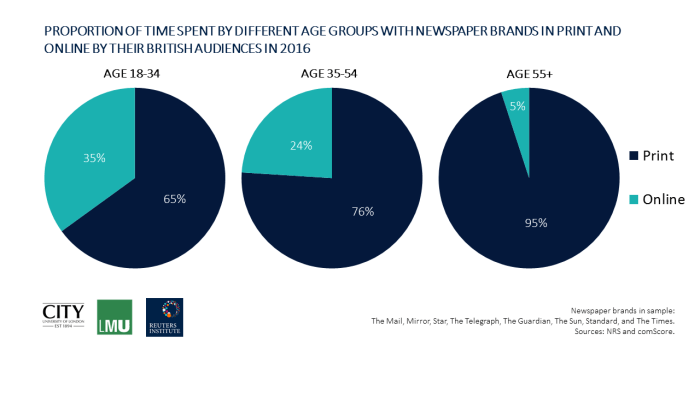
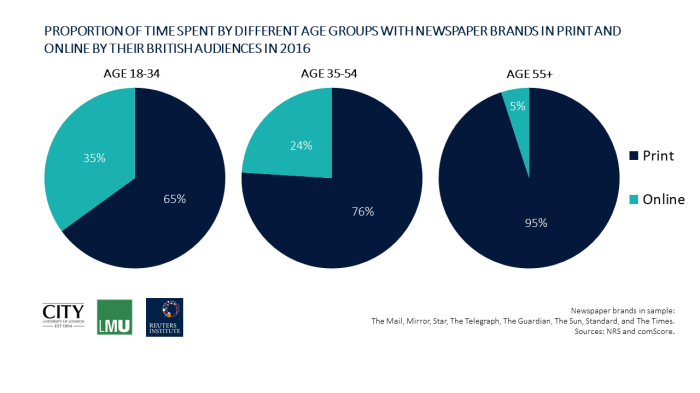
User behavior varies significantly across different demographic groups. Younger readers, for example, may prioritize concise summaries and visually engaging content, while older readers might prefer in-depth articles with detailed reporting. Socioeconomic factors also influence user engagement, with individuals from different economic backgrounds exhibiting varying preferences in the type of news they consume. Cultural backgrounds can also affect how readers interpret and engage with news stories.
Impact of User Interactions on Reader Engagement
User interactions, such as comments and shares, play a vital role in shaping reader engagement. Positive interactions, such as insightful comments and shares, can signal the perceived quality of the content, leading to increased engagement with similar stories. Conversely, negative comments or lack of interaction may signal a need for improvement in the content or presentation. The frequency and nature of interactions provide crucial feedback on the effectiveness of the news presentation.
User Interaction and Engagement Table
| User Interaction | Description | Engagement Impact |
|---|---|---|
| Skimming headlines | Quickly reviewing article titles and summaries. | Initial interest assessment, determines deeper engagement. |
| Clicking on articles | Choosing to read the full article. | Signifies perceived relevance and potential interest. |
| Reading the article | Engaging with the full article content. | Indicates deeper engagement and potential knowledge gain. |
| Commenting | Providing feedback on the article. | Influences perceived quality and engagement with similar content. |
| Sharing | Distributing the article to others. | Signals the article’s perceived value and importance to others. |
| Returning to the article | Revisiting the article at a later time. | Indicates high perceived value and potential for future engagement. |
Strategies to Encourage Longer Story Retention
News websites are increasingly recognizing the importance of reader engagement beyond just clicks. Successful sites understand that holding readers’ attention for longer periods fosters a deeper connection with the content and strengthens brand loyalty. This involves a multifaceted approach that considers both the content itself and the user experience.Enhancing user engagement goes beyond simply presenting compelling stories; it necessitates a strategic combination of content characteristics, design elements, and user-centered approaches.
A website that prioritizes a positive user experience will see increased time spent on site, greater reader interaction, and ultimately, more effective information dissemination.
Methods Employed by Successful News Websites
Successful news websites leverage a variety of strategies to keep readers engaged. These range from employing clear, concise writing styles to incorporating interactive elements and design features that streamline the reading process. The core principle revolves around presenting information in a digestible and easily understandable format, while also making the overall experience pleasurable.
- Clear and Concise Writing: Journalists and editors prioritize clarity and conciseness in their writing. They aim to avoid jargon and complex sentence structures, focusing on delivering information in a straightforward manner. This approach not only enhances readability but also ensures that the core message is understood quickly. Examples include the use of short paragraphs, bullet points, and clear headings to break up text and improve comprehension.
- Interactive Elements: News websites are integrating interactive features like quizzes, polls, and embedded videos. These elements create opportunities for active participation, which can increase engagement. Interactive maps, timelines, and data visualizations can also enhance understanding and keep readers invested in the story. For example, a news article on the history of a city could include an interactive map that allows users to explore key locations mentioned in the article.
- Visual Appeal and Design: A well-designed website with high-quality images, videos, and infographics can greatly enhance the user experience. The layout and presentation of the content should be user-friendly, with clear headings, subheadings, and a visually appealing font. Websites use visuals strategically to convey complex information in a concise manner, making the content more accessible and engaging. For instance, a story about global trade might include interactive charts showing trade flows between different countries.
Strategies to Enhance User Experience
Improving the user experience involves understanding how users navigate and interact with news articles. This entails providing clear navigation, intuitive menus, and easy-to-use tools that facilitate exploration and engagement. The aim is to streamline the process of finding and consuming information, making the reading experience as smooth and effortless as possible.
- Navigation and Organization: Websites with clear navigation menus and logical organization make it easy for readers to find specific articles, sections, or related content. Well-structured websites allow readers to easily navigate to relevant topics, promoting deeper engagement with the material. This can be seen in websites that use a comprehensive table of contents or intuitive search functions.
- Readability and Accessibility: Using appropriate font sizes, sufficient line spacing, and contrasting colors improves readability. Websites also consider users with disabilities, implementing features like adjustable font sizes, text-to-speech options, and alternative text for images. These accessibility features cater to a broader audience and enhance the overall user experience.
- Chunking Information: Breaking down long articles into smaller, digestible chunks with clear headings, subheadings, and bullet points improves readability and comprehension. This approach caters to the way many readers consume information, leading to better retention and comprehension. For example, using short, impactful paragraphs and visually appealing layouts improves the reader’s ability to quickly absorb information.
Accessibility and Understanding
Making news articles accessible to a wider audience involves employing clear language, avoiding complex terminology, and providing contextual information. This strategy allows for a more inclusive experience for all readers, regardless of their background or level of expertise.
- Clear Language and Definitions: Using plain language and avoiding technical jargon enhances comprehension. If specialized terms are necessary, defining them within the article or providing links to further information can help readers grasp the information accurately. This ensures a higher level of understanding for the general public.
- Contextual Information: Providing background information, historical context, and explanations of key concepts helps readers understand the significance of the news. This approach goes beyond simply reporting the facts, ensuring that readers can fully grasp the underlying issues and implications. Adding context also helps readers to understand the bigger picture, thereby improving their comprehension and retention.
- Multimedia Content: Incorporating diverse multimedia elements, like videos, infographics, and audio clips, can enhance understanding and engagement. Multimedia content provides alternative ways to absorb information, thereby catering to different learning styles and enhancing engagement.
Strategies Table
| Strategy | Description | Example |
|---|---|---|
| Clear Writing | Using concise language, avoiding jargon, and structuring sentences for clarity. | Explaining complex topics in simple terms. |
| Interactive Elements | Incorporating quizzes, polls, or embedded videos to engage readers actively. | Interactive maps, timelines, and data visualizations. |
| Visual Appeal | Using high-quality images, videos, and infographics to enhance the visual experience. | Employing visual aids to illustrate key concepts. |
| User-Friendly Navigation | Providing clear navigation menus and intuitive organization for easy content discovery. | Logical categorization of articles by topic. |
| Readability and Accessibility | Optimizing text size, spacing, and colors for ease of reading and accessibility features. | Adjustable font sizes, text-to-speech options. |
| Chunking Information | Breaking down long articles into smaller, more manageable sections. | Using subheadings and bullet points to highlight key points. |
| Clear Language and Definitions | Using plain language and providing definitions for complex terms. | Defining technical jargon within the article. |
| Contextual Information | Providing background information and explanations to enhance comprehension. | Explaining the historical context of an event. |
| Multimedia Content | Incorporating videos, infographics, and audio clips to enhance understanding. | Using videos to explain complex procedures. |
Illustrative Examples of Successful Practices
Understanding what works in web news design is crucial for boosting reader engagement. Successful news organizations are constantly experimenting with different approaches to capture and maintain audience attention. This section examines some leading examples, highlighting the strategies behind their success.High-engagement news sites aren’t just about content; they’re about the overall user experience. They prioritize clarity, visual appeal, and intuitive navigation.
Effective storytelling, coupled with smart design choices, can significantly increase reader retention.
Successful Practices in Reader Engagement
Various news organizations have implemented strategies to keep readers engaged. These approaches often incorporate visual elements, storytelling techniques, and multimedia content. A successful strategy for long-form article retention involves a combination of techniques that prioritize the reader’s experience.
- The New York Times: Known for its in-depth reporting and sophisticated design, the NYT employs a clear, hierarchical structure for long-form articles. Headlines and subheadings break down complex information, while visual elements like infographics and embedded videos enhance understanding. The use of high-quality photography and concise text contribute to a compelling narrative. Readers are drawn into the story, and the design supports that experience.
- The Guardian: The Guardian prioritizes a clean, minimalist design that allows the content to shine. Storytelling techniques, including the use of compelling narratives and diverse perspectives, are employed extensively. The organization utilizes a sophisticated modular layout, allowing for flexibility in presenting different types of content, including multimedia. This facilitates the incorporation of interactive elements and maps, which enrich the reader experience.
- BBC News: The BBC News website maintains a consistent visual identity across its platform. The structure and navigation are straightforward, ensuring ease of access to various sections. The use of concise, accessible language is essential for its broad audience, while the integration of multimedia elements such as videos and audio contributes to the richness of the experience. Emphasis on clear labeling and categorization of articles allows readers to easily find specific information.
Design Choices Contributing to Reader Retention
Effective design choices significantly influence reader engagement. Careful consideration of visual elements, layout, and navigation is essential for keeping readers invested in the content.
| News Organization | Design Feature | Impact on Reader Retention |
|---|---|---|
| The New York Times | Clear hierarchical structure, infographics, embedded videos, high-quality photography | Enhances understanding, supports narrative, improves visual appeal |
| The Guardian | Clean, minimalist design, modular layout, interactive elements | Focuses on content, enhances user experience, allows flexibility in presentation |
| BBC News | Consistent visual identity, straightforward navigation, multimedia elements | Promotes ease of use, enhances content richness, caters to a broad audience |
Multimedia Elements and Their Impact
Multimedia elements play a vital role in reader retention. Visuals, audio, and interactive components can enhance understanding, increase engagement, and create a more immersive experience. Strategic incorporation of multimedia is critical in a modern news environment.
- Infographics: Visual representations of data can make complex information more accessible and engaging. They allow readers to quickly grasp key insights and trends.
- Videos: Videos can bring stories to life, offering a dynamic and engaging way to present information. They can be used to illustrate points, provide interviews, or capture events in real-time.
- Interactive maps: These tools can enhance the geographical context of stories, making them more immersive and informative. They provide an alternative way to engage with information.
Final Thoughts
In conclusion, the study reveals that a multifaceted approach is crucial for retaining web news readers. Compelling storytelling, engaging content formats, intuitive design, and an understanding of user behavior all play vital roles. News organizations that prioritize these elements are better positioned to create a positive user experience, foster reader loyalty, and thrive in the competitive online news environment.
The findings provide valuable insights for enhancing reader engagement and shaping the future of online news consumption.