Cuktech 30 Ultra 300W Charging Station Review: A High-Performance Solution for Multi-Device Power Management

The consumer electronics landscape is currently undergoing a significant transition in how devices are powered and maintained. As major smartphone manufacturers like Apple, Samsung, and Google have phased out the inclusion of charging bricks in retail packaging, a robust secondary market for high-capacity charging solutions has emerged. Among the latest entries in this competitive sector is the Cuktech 30 Ultra, a 300W charging station designed to consolidate the power needs of smartphones, tablets, notebooks, and high-performance gaming laptops into a single, desktop-friendly hub. This device represents a shift toward Gallium Nitride (GaN) technology, which allows for higher power density and improved thermal efficiency compared to traditional silicon-based chargers.
Technical Specifications and Port Configuration
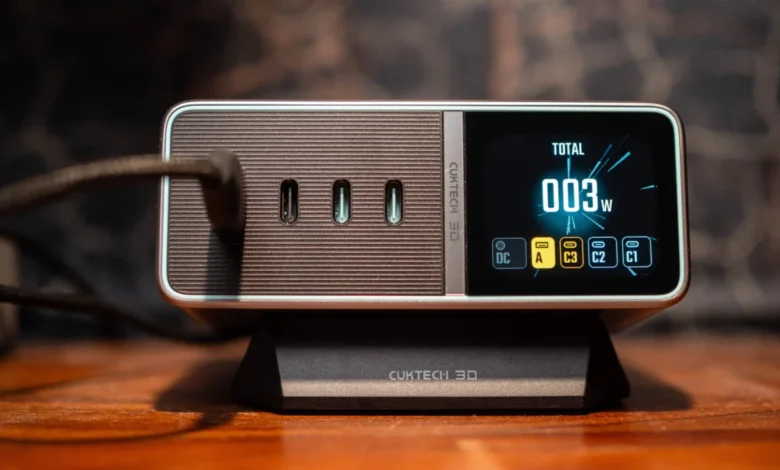
The Cuktech 30 Ultra distinguishes itself through a sophisticated port array and a total power output of 300W. The device features three USB-C ports, one USB-A port, and a specialized DC connector. The primary USB-C ports, designated as C1 and C2, utilize the latest USB Power Delivery (PD) 3.1 protocol. This allows each port to deliver up to 140W of power independently. Crucially, the 30 Ultra is engineered to maintain this 140W output on both ports simultaneously, providing a combined 280W of USB-C power. This capability is particularly relevant for professional environments where multiple high-demand devices, such as two 16-inch MacBook Pros, need to be charged at full speed without performance throttling.
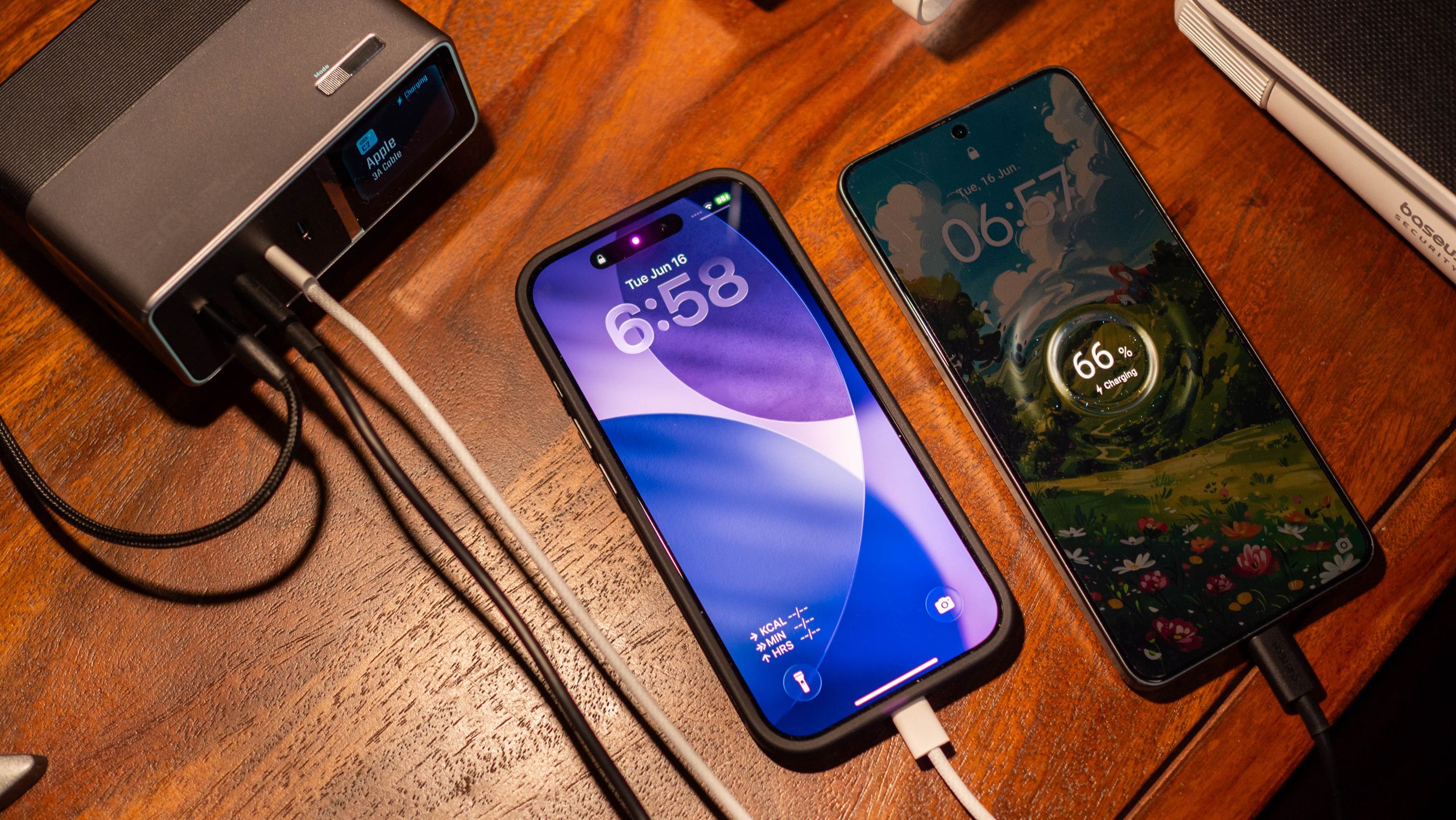
The third USB-C port (C3) provides a more modest but capable 33W output, suitable for tablets or fast-charging smartphones. The USB-A port offers up to 18W, catering to legacy accessories, wearables, or older mobile devices. Beyond the USB interface, the 30 Ultra includes a dedicated DC port capable of the full 300W output. This inclusion addresses a specific pain point for users of high-performance gaming laptops that typically require proprietary barrel-style connectors and massive external power bricks. By providing a selection of DC connectors in the box, Cuktech allows users to replace bulky OEM chargers with a streamlined desktop station.
Evolution of Cuktech and the GaN Market
Cuktech, a brand that has rapidly gained momentum within the Chinese hardware ecosystem, is positioning itself as a direct competitor to established players such as Anker and UGREEN. The brand’s trajectory follows a broader industry trend where specialized power electronics firms leverage advancements in GaN semiconductor technology to create smaller, more efficient products. GaN components are capable of conducting electrons more efficiently than silicon, which translates to less energy lost as heat. This efficiency is what enables the 30 Ultra to pack 300W of total output into a chassis that remains cool enough for desktop use.
The 30 Ultra follows the success of the brand’s previous iterations, including the 15 Ultra power bank and their standalone 140W wall chargers. The introduction of the $159 charging station marks Cuktech’s entry into the high-end "prosumer" market. When compared to the UGREEN Nexode 300W or the 500W variants, which often retail between $199 and $250, the Cuktech 30 Ultra offers a competitive price-to-performance ratio, particularly for users who prioritize the inclusion of a DC output and a sophisticated monitoring interface.
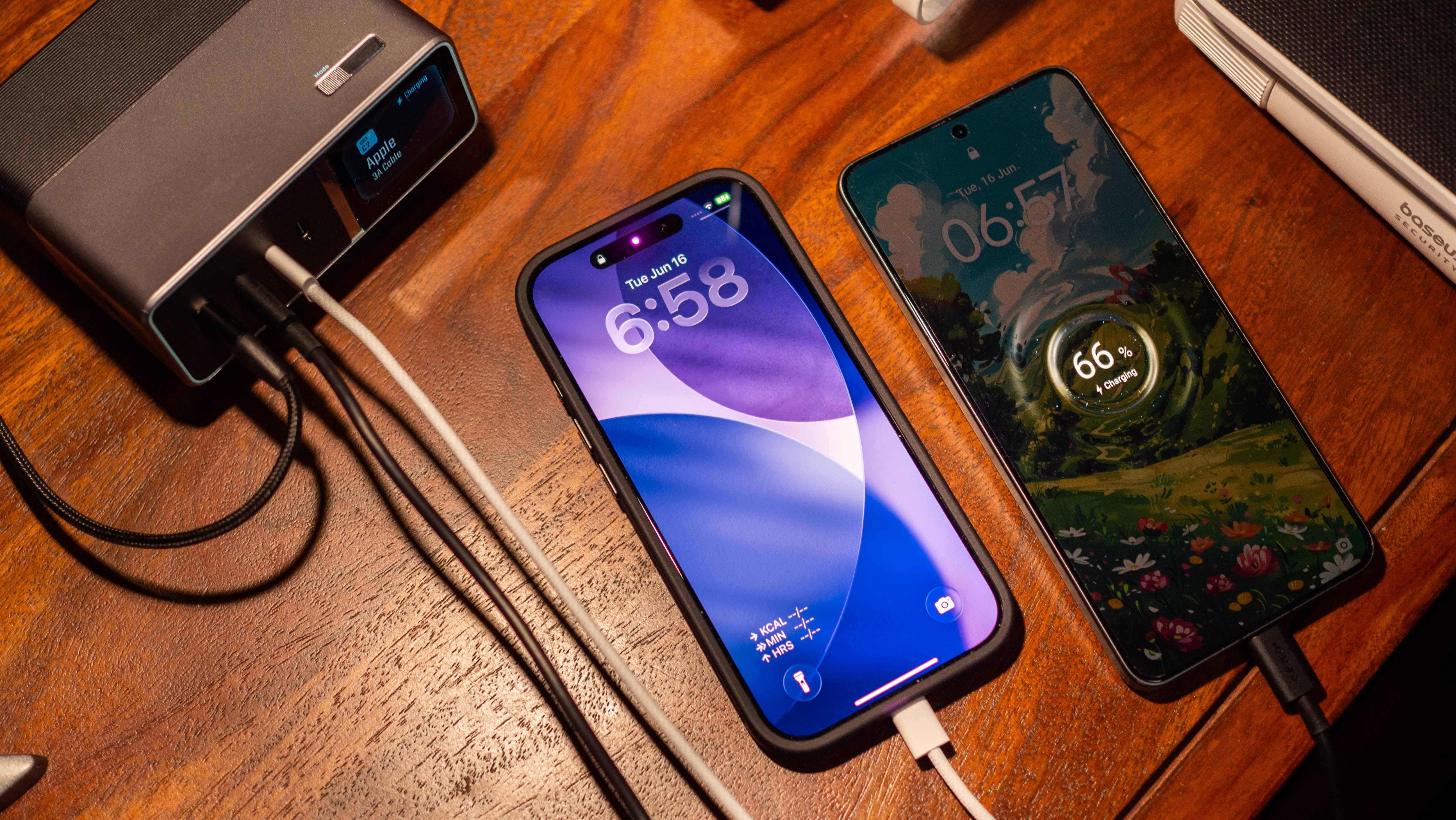
Intelligent Monitoring: The 1.83-inch LCD Interface
One of the most prominent features of the Cuktech 30 Ultra is its integrated 1.83-inch LCD panel. While basic power indicators have become common in high-end chargers, Cuktech has implemented a more comprehensive data suite. The screen provides real-time telemetry for each connected port, including:
- Wattage (W): The current power draw of the connected device.
- Voltage (V) and Amperage (A): The electrical characteristics of the charging handshake.
- Power Curves: A graphical representation of charging stability over time.
- Protocol Identification: Information on which charging standard (PD 3.1, PPS, etc.) is currently active.
This level of transparency is highly valued by tech enthusiasts and professionals who need to verify that their devices are negotiating the correct charging speeds. It also serves as a diagnostic tool, allowing users to identify faulty cables or devices that are not drawing power as expected.
Protocol Compatibility and Industry Standards
A significant challenge in the modern charging market is the fragmentation of proprietary fast-charging standards. While USB Power Delivery (PD) is the industry standard, many Chinese manufacturers utilize custom protocols for their flagship devices. The Cuktech 30 Ultra addresses this by supporting a wide array of standards beyond standard PD.
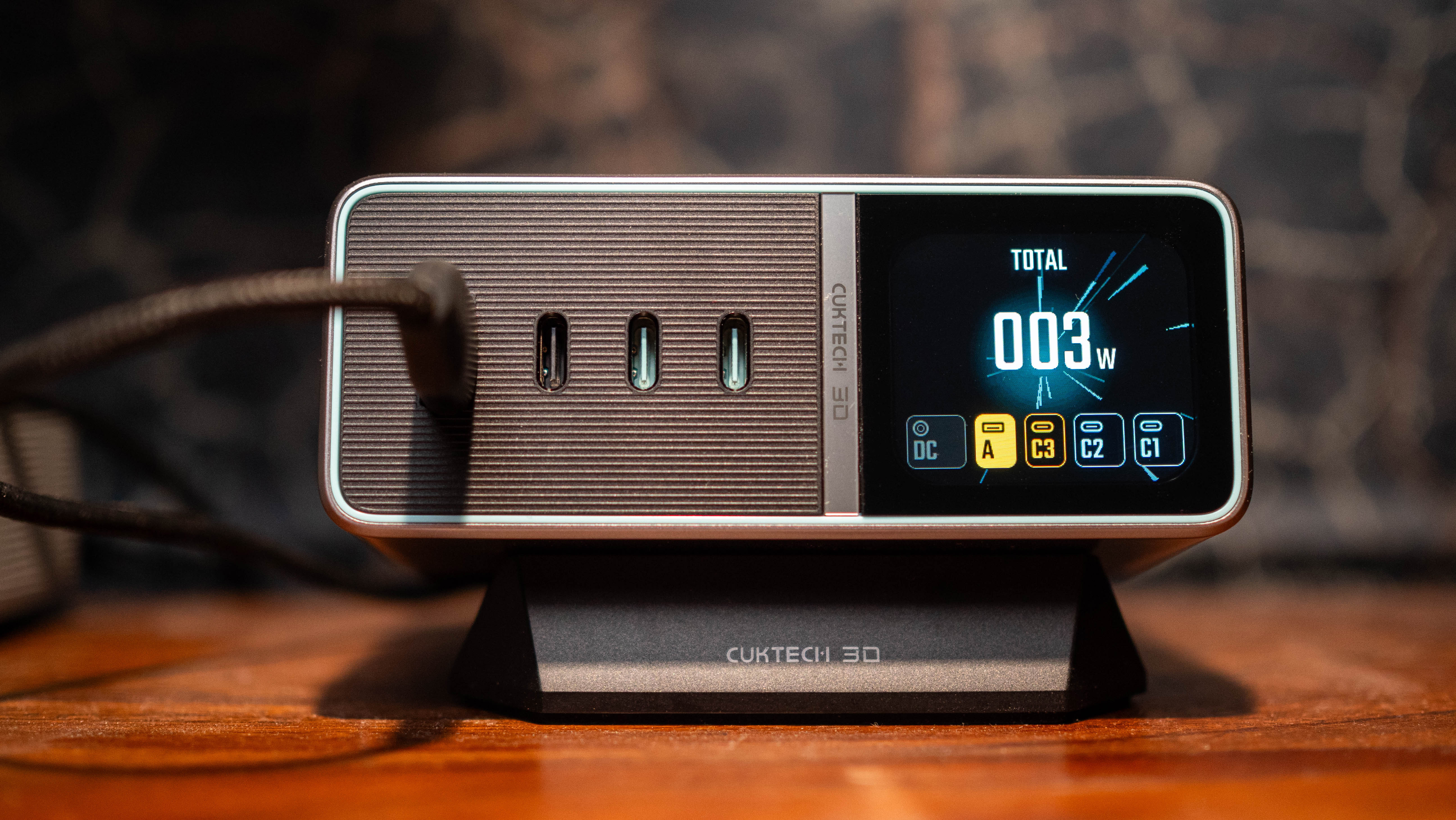
Testing confirms support for Xiaomi’s 120W proprietary charging, which is a rarity in third-party chargers. It also supports the Programmable Power Supply (PPS) standard at up to 100W, which is essential for the "Super Fast Charging 2.0" found in Samsung’s Galaxy S-series Ultra models. Furthermore, the station is compatible with Qualcomm Quick Charge (QC) 3.0 and 2.0, as well as Huawei’s FCP and SCP standards.
The only notable omission is OPPO’s VOOC (and by extension, OnePlus’s Warp/SuperVOOC) protocol. While devices from these brands will still charge via the 30 Ultra, they will default to standard USB PD speeds—typically around 50W—rather than their maximum potential. Despite this, the 30 Ultra remains one of the most versatile charging hubs on the market due to its broad support for various ecosystems.
Design, Ergonomics, and Build Quality
The physical design of the Cuktech 30 Ultra reflects its intended use as a permanent desktop fixture. The unit features a "wedge-style" stand that angles the ports toward the user. This ergonomic choice makes it easier to plug and unplug cables without needing to hold the station in place. The build quality utilizes high-grade, fire-retardant plastics with a metallic finish that aligns with the aesthetic of modern laptops and workstations.
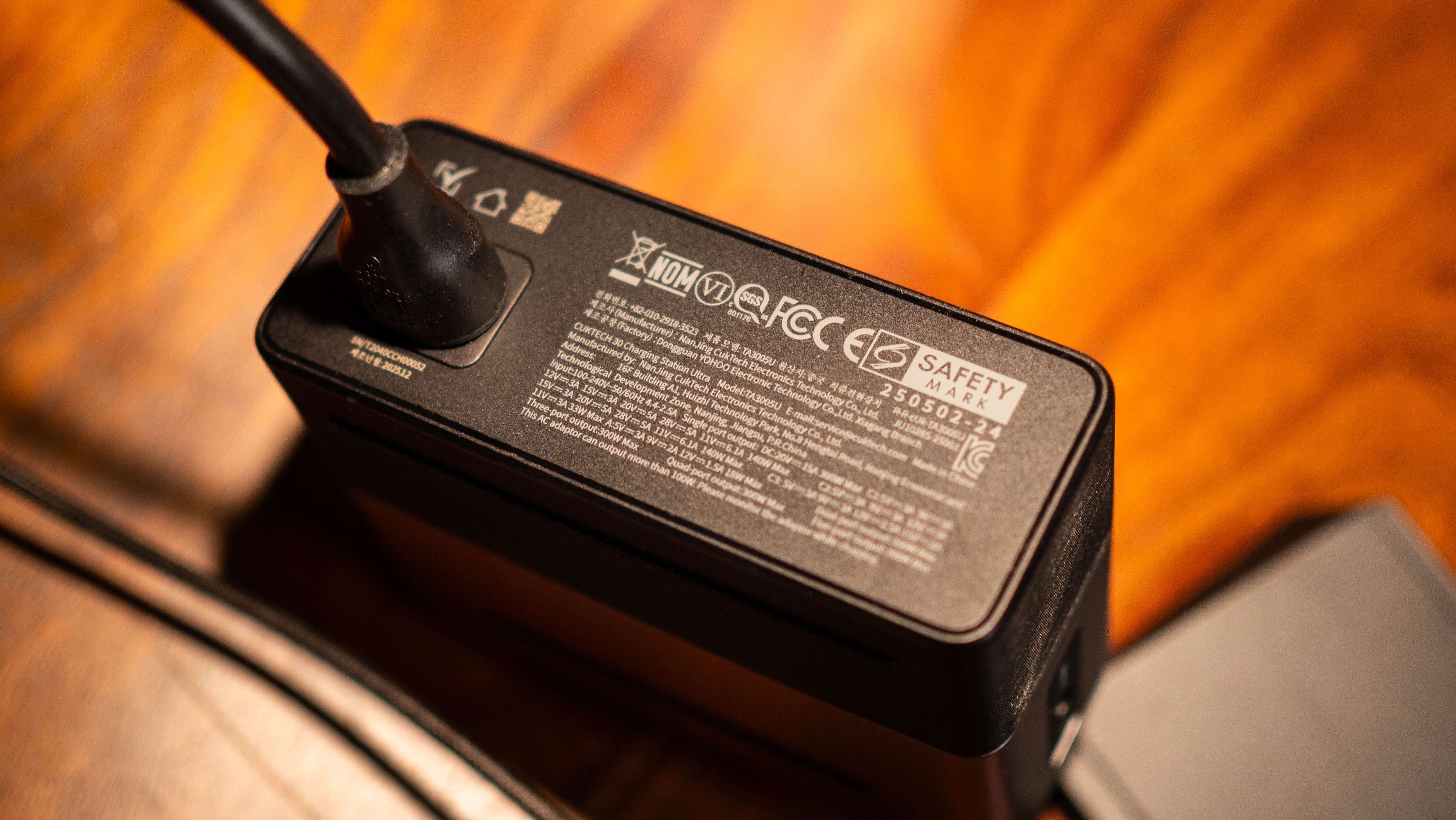
Included in the package is a 240W-rated USB-C to USB-C cable. This is a critical inclusion, as many standard USB-C cables are only rated for 60W or 100W. Using a lower-rated cable with a 140W port would result in the charger automatically throttling the output to ensure safety. By providing a 240W cable, Cuktech ensures that users can utilize the maximum potential of the C1 and C2 ports immediately out of the box.
Chronology of Development and Market Release
The development of the Cuktech 30 Ultra can be traced through the following milestones in the power delivery industry:
- Late 2021: The USB Implementers Forum (USB-IF) releases the USB PD 3.1 specification, increasing the maximum power delivery over USB-C from 100W to 240W.
- 2022-2023: GaN technology matures, allowing manufacturers to shrink 100W+ chargers to the size of previous 60W silicon chargers. Cuktech begins establishing its reputation in the domestic Chinese market.
- Early 2024: Cuktech announces the 30 Ultra (300W) as its flagship desktop solution, targeting international markets via platforms like Amazon.
- Mid-2024: The device undergoes extensive third-party testing, confirming its ability to sustain dual 140W outputs, a feat many competitors struggle to achieve due to thermal limitations.
Market Impact and Future Implications
The release of the Cuktech 30 Ultra has broader implications for the consumer electronics industry. First, it signals the obsolescence of the single-device wall charger for power users. As the "digital nomad" and "hybrid work" trends continue, the demand for a single hub that can power an entire mobile office is increasing.
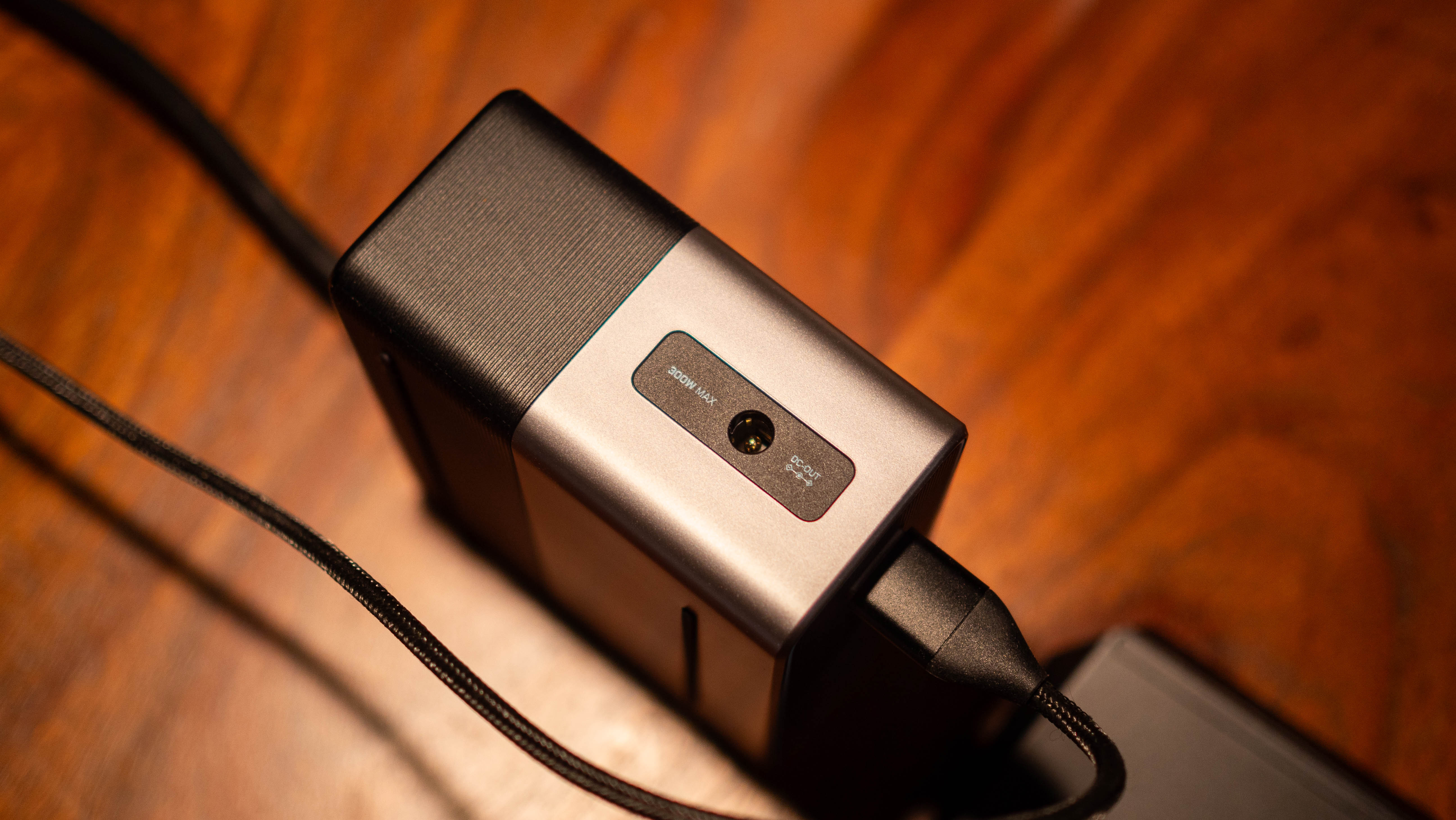
Second, the inclusion of a 300W DC port suggests a convergence between mobile power and traditional computing. As laptops become more powerful, the limitation is often the power supply. By providing a 300W source that also handles mobile devices, Cuktech is reducing the "cable clutter" that plagues modern workspaces.
From an environmental perspective, the adoption of high-capacity multi-port stations could potentially reduce e-waste. Instead of consumers owning five separate low-wattage chargers—each with its own manufacturing and shipping footprint—a single high-efficiency GaN station can serve the same purpose for a decade or more, given its future-proof PD 3.1 architecture.
Final Assessment
The Cuktech 30 Ultra stands as a testament to the rapid advancement of power electronics. By offering 300W of total output, dual 140W USB-C ports, and a comprehensive digital monitoring system, it addresses the needs of the most demanding tech users. While its $159 price point represents a significant investment, the versatility and performance it provides offer a clear value proposition over purchasing multiple individual high-speed chargers. As we move further into 2024 and beyond, devices like the 30 Ultra are likely to become the standard for desktop power management, effectively bridging the gap between mobile convenience and professional-grade power requirements.