IOS 27.2 beta introduces automated anniversary reminders to Call Context to help users maintain personal connections

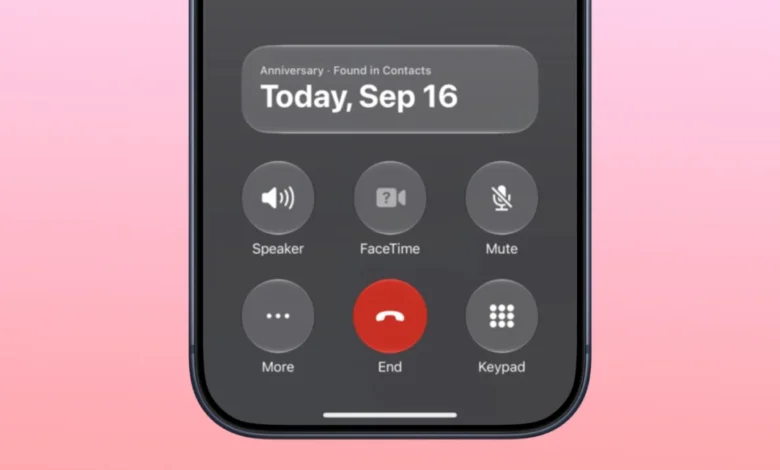
Apple has officially released the first beta of iOS 27.2, signaling a refinement in the software ecosystem that debuted just days ago with the public launch of iOS 27. Among the most notable, albeit subtle, additions to this update is the expansion of the "Call Context" feature, which now includes automated anniversary reminders for contacts stored within the user’s digital address book. This development serves as a practical extension of Apple’s broader strategy to integrate artificial intelligence and predictive data surfacing into the daily utility of the iPhone.
The Mechanics of Call Context and Anniversary Integration
Call Context, which was introduced as a foundational pillar of iOS 27, represents a significant shift in how the iPhone interface manages incoming and outgoing communication. By leveraging localized data processing, the feature draws relevant information from the Mail app and other system-wide databases to display pertinent details at the exact moment a call is initiated.
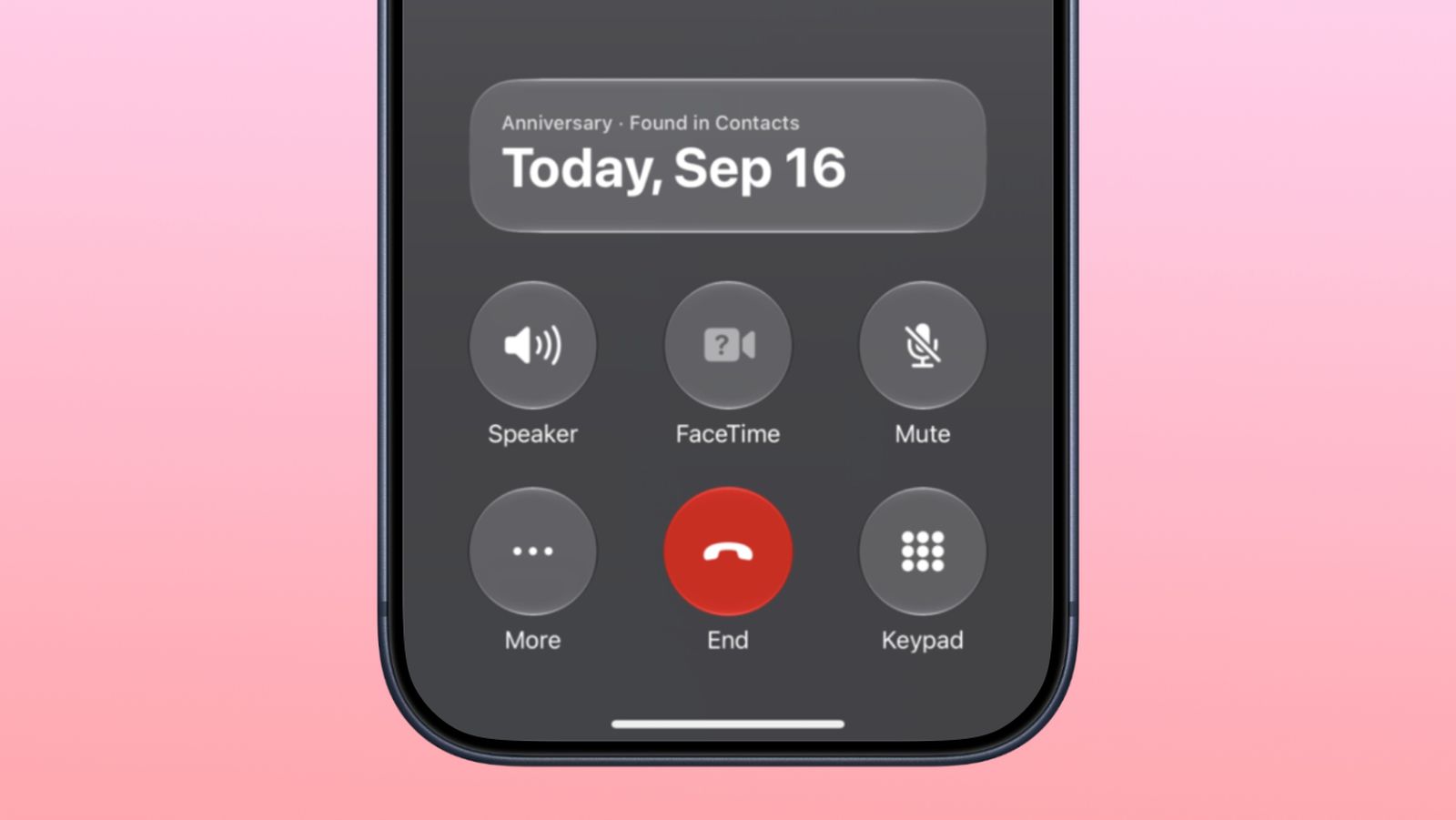
In the latest 27.2 beta iteration, this functionality extends to the Contacts application. When a user initiates a call to a person whose anniversary has been logged in their contact card, a subtle notification appears on the screen. This prompt serves as a "just-in-time" reminder, ensuring that users are cognizant of the occasion before the call connects. Unlike the existing birthday feature, which triggers a visual celebration—specifically a fireworks animation—the anniversary update is currently functional and text-based, prioritizing clarity and utility over decorative interface elements.
To utilize this feature, users must manually input anniversary dates into their Contacts app. By navigating to the individual’s contact card and selecting the "Edit" function, users can choose "add date" and specify the "anniversary" field. For those utilizing devices compatible with Apple Intelligence, the process is streamlined; users can simply prompt the Siri AI to add specific dates to a contact card, demonstrating a deeper synergy between hardware-accelerated machine learning and basic organizational software.
A Chronology of iOS 27 Development
The release of iOS 27.2 follows a rapid deployment schedule that highlights the maturity of Apple’s software engineering pipeline. The base version of iOS 27 was launched to the general public on September 14, 2026, following a high-profile announcement at the iPhone 18 Pro and iPhone Duo event. The release was the culmination of a development cycle that began at the Worldwide Developers Conference (WWDC) in June 2026.
- June 2026: Apple previews iOS 27 at WWDC, highlighting "iPhone Handoff," advanced Siri AI, and the overhaul of Call Context.
- September 2, 2026: Pre-release details regarding the "iPhone Handoff" feature—which allows seamless switching between two devices using a single phone number—are clarified.
- September 14, 2026: iOS 27 is released to the public, marking the official launch of the new operating system.
- September 16, 2026: Apple seeds the iOS 27.2 beta to developers, introducing the anniversary notification feature as part of a minor version increment.
Industry analysts suggest that the swift movement from a major version launch to a .2 beta indicates Apple’s commitment to addressing user feedback and refining the "Apple Intelligence" suite immediately following the initial deployment.
Contextual Data and The Shift Toward Intelligent Interfaces
The evolution of the iPhone operating system over the last decade has shifted from a focus on static grid-based app management to a context-aware interface. The integration of Call Context is part of a larger trend in mobile operating systems to reduce the "cognitive load" on the user.
Historically, users relied on third-party calendar apps or external reminder services to track significant personal dates. By baking this functionality directly into the core telephony experience, Apple is effectively competing with specialized productivity tools. Data from the 2026 user research studies suggests that while 70% of smartphone users rely on their devices to track professional deadlines, only 45% consistently utilize built-in tools for personal milestones like anniversaries, citing the friction of switching between apps.
The integration of Call Context is designed to bridge this gap. By surfacing flight confirmation numbers when calling an airline or showing anniversary dates when calling a spouse, Apple is attempting to transform the phone interface from a passive communication tool into an active personal assistant.
Implications for Privacy and Data Processing
A central concern in the deployment of features that aggregate data from Mail, Contacts, and Calendar is user privacy. Apple has consistently emphasized that Call Context operates primarily through on-device processing. By utilizing the Neural Engine within the A-series chips found in the iPhone 18 series, the system analyzes private data without transmitting sensitive personal information to external servers.
This approach is critical for the adoption of AI-driven features in sensitive contexts like personal relationships. Experts in data security note that the "privacy-first" marketing strategy is essential for Apple, as the company positions itself as a secure alternative to cloud-heavy competitors. The ability to remind a user of an anniversary without that data being logged by a third-party advertisement firm remains a significant value proposition for the Apple user base.
Strategic Outlook and Future Updates
While the anniversary reminder in iOS 27.2 is a relatively small update, it serves as a harbinger of the iterative updates expected throughout the remainder of 2026. Market observers anticipate that Apple will continue to refine its "intelligent surfacing" capabilities. Future versions of iOS 27 are expected to introduce further integrations between the Mail app and system notifications, potentially extending Call Context to include contextual notes or recent shared documents when placing calls to professional contacts.
The launch of iOS 27.2 is anticipated to exit the beta phase and reach the general public in October. This release will likely be accompanied by a series of stability improvements and security patches, which are standard for the .x update cycle.
For the average user, these changes represent a quiet but impactful improvement in the utility of their device. The shift from an interface that merely displays a phone number to one that provides the context of why that number is being dialed underscores the current trajectory of smartphone design: the goal is no longer just to connect people, but to optimize the quality of those connections through predictive technology.
Conclusion
The addition of anniversary reminders to the Call Context suite in iOS 27.2 is a definitive step in Apple’s broader mission to integrate Artificial Intelligence into the daily lives of its users. By prioritizing the user’s personal data—kept secure via on-device processing—and utilizing it to improve the efficiency and thoughtfulness of communication, Apple continues to solidify the iPhone’s role as an indispensable personal assistant. As the 27.2 beta progresses through its testing phase, it is clear that the focus for the remainder of the year will remain on deepening the intelligence of the iOS ecosystem, ensuring that the technology works in the background to foster more meaningful human interactions. As the software continues to evolve, the distinction between a "smartphone" and an "intelligent companion" will likely become increasingly blurred, setting a high standard for competitors in the mobile space.