Google Maps Begins Deployment of Live Speedometer Feature for Android Auto Users After Years of Anticipation

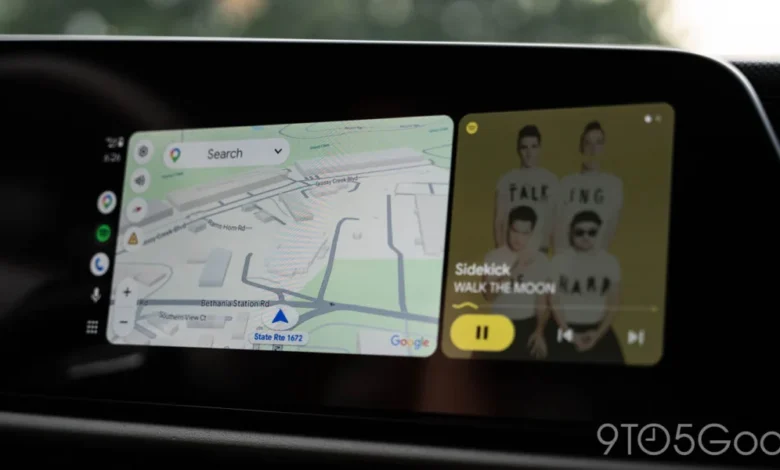
The landscape of in-car navigation is undergoing a subtle but significant transformation as Google begins the long-awaited rollout of a live speedometer for Google Maps on the Android Auto platform. For years, users of the world’s most popular navigation app have questioned the absence of this basic utility, especially as it remained a staple on the mobile version of the app and within Google’s secondary navigation property, Waze. Recent reports from the Android Auto user community indicate that the feature is finally entering a live testing phase, appearing on vehicle dashboards for a select group of beta testers.
The emergence of the speedometer on Android Auto follows a prolonged period of development and a curious sequence of releases across different platforms. While Android smartphone users have enjoyed access to an integrated speedometer for nearly five years, and Apple CarPlay users received the feature in July 2024, Android Auto—Google’s own dedicated vehicle interface—remained noticeably devoid of the tool. This latest development suggests that Google is finally closing the parity gap between its various ecosystem iterations, responding to one of the most persistent feature requests from its global user base.
The Initial Rollout and Technical Specifications
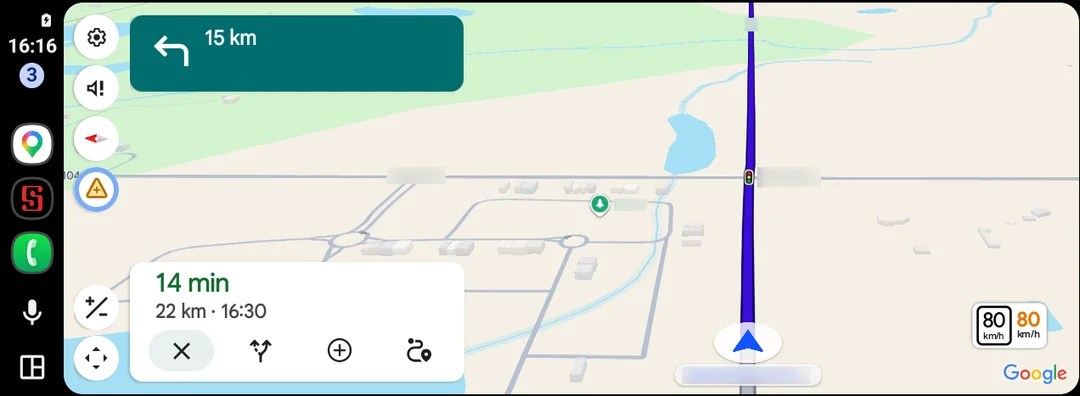
The first indications of the speedometer’s arrival surfaced through community forums, specifically among users participating in the Android Auto beta program. Reports from users in Canada have confirmed the appearance of a circular speed indicator located in the bottom corner of the navigation screen, typically adjacent to the speed limit icon. The feature was identified in Google Maps version 26.29.02.946673643, a specific beta build that appears to be the primary vehicle for this server-side or staged rollout.
As is common with Google’s software deployment strategy, the feature is not immediately available to the general public. The company often utilizes a "canary" or staged rollout approach, enabling features for a small percentage of users to monitor for stability, bugs, and performance issues before a global release. In the context of Android Auto, this is particularly critical, as the software must interface with a vast array of head units, screen resolutions, and vehicle hardware configurations. The presence of the speedometer in the beta channel is the strongest evidence to date that a wider public release is imminent, likely following a successful testing period of several weeks or months.

A Chronology of Navigation Feature Parity
To understand the significance of this update, one must look at the timeline of Google Maps’ feature evolution. For much of its history, Google Maps focused strictly on routing and ETA accuracy. However, the acquisition of Waze in 2013 introduced a different philosophy—one centered on real-time driver data, including speed tracking and hazard reporting.
In early 2019, Google began the rollout of speed limit indicators on the mobile version of Google Maps. This was a watershed moment for the app, as it transitioned from a pure navigation tool to a comprehensive driving assistant. Shortly thereafter, the mobile app gained a live speedometer, allowing drivers to see their current GPS-calculated speed alongside the posted limit.
However, the transition of these features to the vehicle’s dashboard via Android Auto was unexpectedly slow. While speed limits eventually became standard on Android Auto, the live speedometer remained absent. The situation became a point of contention for many users in the summer of 2024 when Google unexpectedly enabled the speedometer for Google Maps on Apple CarPlay. This move meant that iPhone users had a more feature-complete version of Google’s own navigation software in their cars than Android users did—a discrepancy that fueled speculation regarding internal development priorities at Google. The current rollout signifies an effort to rectify this imbalance and provide a uniform experience across all automotive interfaces.
The Technical Mechanics: GPS vs. Dashboard Speedometers
The introduction of a digital speedometer in a navigation app often leads to questions regarding accuracy. It is important to distinguish between the speedometer integrated into a vehicle’s instrument cluster and the one provided by Google Maps. Vehicle speedometers are typically connected to the transmission or wheel sensors. By law in many regions, vehicle speedometers are calibrated to never under-report speed; consequently, many manufacturers calibrate them to read slightly higher (often 2-5%) than the actual speed of the vehicle to avoid liability.
Google Maps, conversely, utilizes Global Positioning System (GPS) data to calculate speed. By measuring the distance traveled over a specific interval of time, GPS provides a highly accurate reading of a vehicle’s "true" ground speed. Under ideal conditions—such as driving on an open highway with a clear view of the sky—the GPS speedometer in Android Auto is likely to be more accurate than the car’s physical gauge.
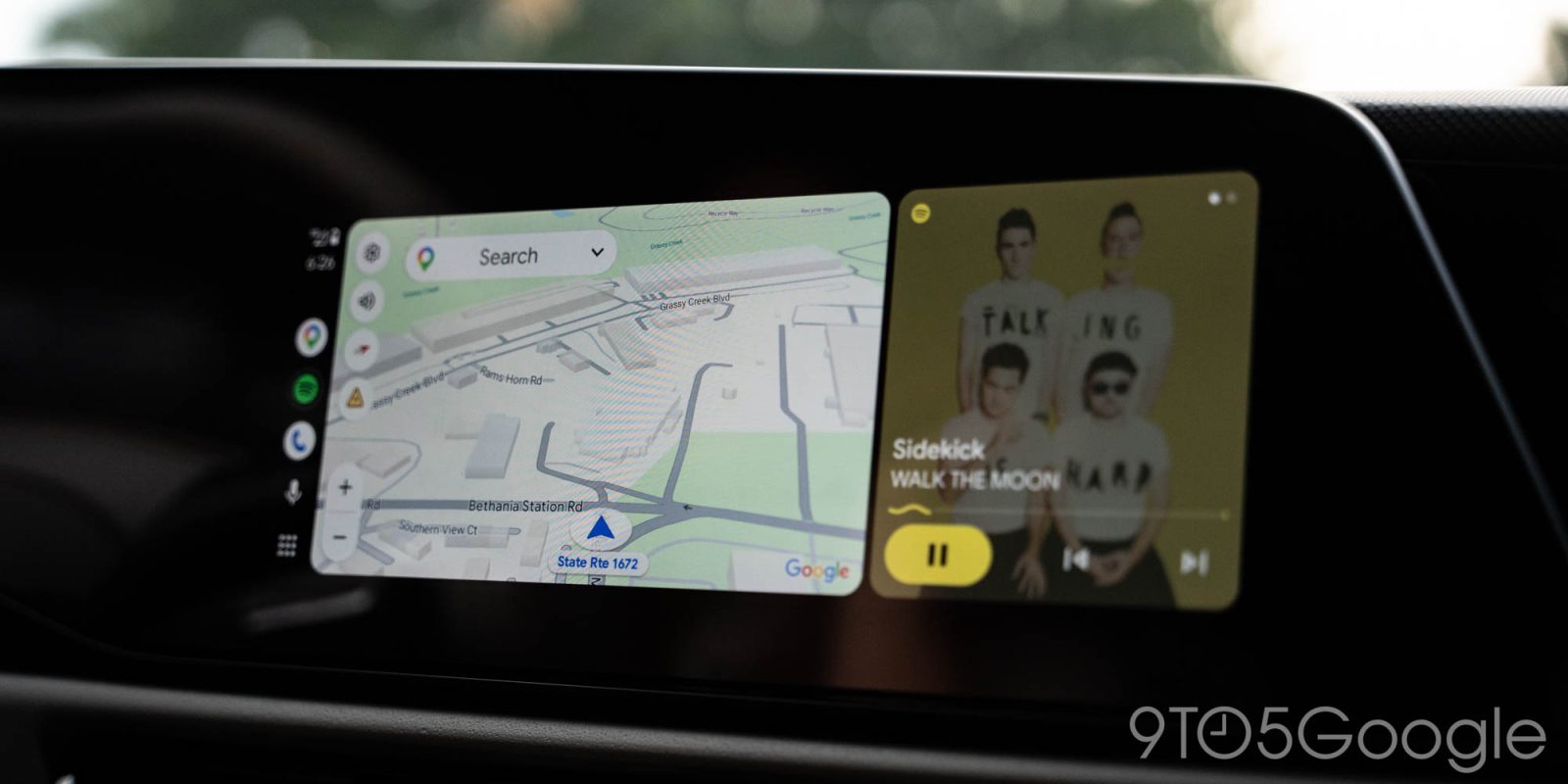
However, GPS-based speed tracking has limitations. It can suffer from latency, meaning the displayed speed may lag behind the vehicle’s actual acceleration or deceleration by a second or two. Furthermore, in "urban canyons" with tall buildings or inside long tunnels, GPS signals can bounce or drop entirely, leading to erratic readings. Google’s implementation typically accounts for these variables, but the company usually includes a disclaimer that the app’s speedometer is for informational purposes only and should not replace the vehicle’s primary instrumentation.
User Experience and Interface Design
The design of the new speedometer on Android Auto follows Google’s Material You and "Coolwalk" design languages, which prioritize legibility and minimalism. On the Android Auto dashboard, the speedometer appears as a small, unobtrusive circle. When the vehicle is in motion, the circle displays the current speed in the user’s preferred units (miles per hour or kilometers per hour).
One of the most functional aspects of this integration is its proximity to the speed limit indicator. By placing the two data points side-by-side, Google allows drivers to perform a "glanceable" check of their compliance with local traffic laws. In some versions of the mobile app, the speedometer changes color—turning red or orange—if the driver exceeds the posted speed limit. While it remains to be seen if this color-coded alerting system will be fully integrated into the Android Auto version, early reports suggest that the visual feedback loop is a core component of the update’s safety-oriented design.
Competitive Landscape and Market Pressures
Google’s decision to finally bring the speedometer to Android Auto is likely influenced by the increasingly competitive nature of the automotive software market. While Google Maps remains the dominant player, other applications have offered these features for years.
Waze, which operates as an independent brand under the Google umbrella, has long been the preferred choice for "power drivers" specifically because of its robust speedometer and alert features. By bringing these features to Google Maps, Google is effectively consolidating the utility of its two apps, making Google Maps a more viable option for those who previously relied on Waze solely for speed tracking.
Furthermore, Apple Maps has been aggressively closing the feature gap with Google. As Apple continues to refine its "next-generation" CarPlay experience—which aims to take over all screens in the vehicle, including the instrument cluster—Google is under pressure to ensure that Android Auto remains the most feature-rich and user-friendly interface available. The addition of the speedometer is a necessary step in maintaining that competitive edge.
Safety Implications and Driver Feedback
The primary goal of integrating a speedometer into the navigation interface is to reduce driver distraction. In many modern vehicles, the central infotainment screen is positioned closer to the driver’s natural line of sight than the traditional instrument cluster. By providing speed data on the main screen, Google reduces the need for the driver to shift their gaze between the dashboard and the navigation map.
Industry safety experts often point out that "information density" can be a double-edged sword. While more information can lead to better-informed drivers, an overly cluttered screen can become a distraction. Google appears to have addressed this by keeping the speedometer icon small and placing it in a consistent peripheral location.
Initial feedback from the beta testing community has been overwhelmingly positive. Users have noted that the feature feels "long overdue" and helps in areas where speed limit signs are sparse or obscured. The consensus among early adopters is that the feature enhances the utility of Android Auto without compromising the clean aesthetic of the Google Maps interface.
Future Outlook: The Road Toward Global Availability
As the beta testing continues, the focus will shift toward a broader stable release. Historically, once a feature reaches this stage of visibility in the Android Auto beta, a global rollout follows within a few months. However, the timeline can be influenced by regional regulations. Some countries have strict laws regarding the display of speed data on third-party devices, which may necessitate a phased country-by-country launch.

Looking ahead, the integration of the speedometer is likely just one part of a larger update cycle for Google Maps on Android Auto. With the rise of Electric Vehicles (EVs), Google is also working on deeper integration for battery pre-conditioning and charging stop optimization. The addition of real-time driving telemetry, such as the speedometer, lays the groundwork for a more "vehicle-aware" navigation experience.
In conclusion, while a live speedometer may seem like a minor addition to a sophisticated software suite, its arrival on Android Auto represents the fulfillment of a long-standing user demand and a significant step toward feature parity across the Google ecosystem. By providing drivers with accurate, GPS-based speed data directly within their primary navigation view, Google is enhancing the safety, convenience, and competitive standing of its automotive platform. As the rollout expands from beta testers in Canada to the global driving public, it marks the end of a multi-year wait for a feature that has finally found its home on the dashboard.