3 reasons I love the Clicks Keyboard for Motorola Razr and 3 things I don’t like

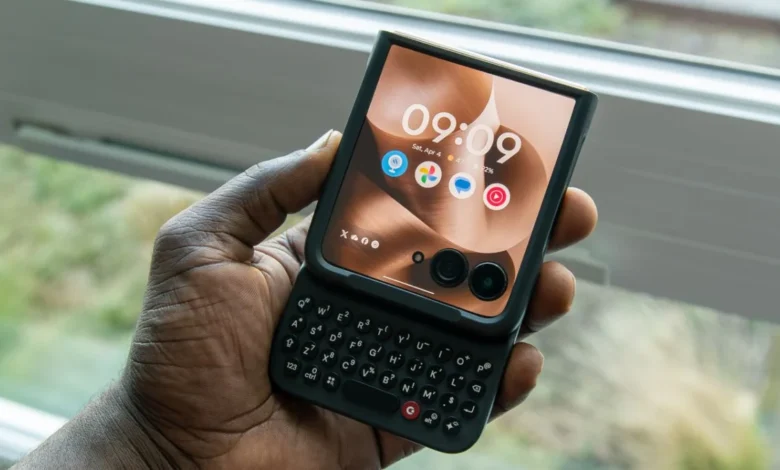
The Clicks Keyboard, which first gained international attention for its iPhone and Google Pixel iterations, has now been tailored specifically for the unique form factor of the Motorola Razr. This accessory is more than a protective shell; it is a functional extension of the device that addresses one of the primary ergonomic hurdles of foldable smartphones: the limited typing area on the external cover screen. By offloading the input interface to physical keys, Clicks allows the Razr’s secondary display to remain fully visible, providing a user experience reminiscent of the classic BlackBerry era while maintaining the cutting-edge benefits of a foldable OLED panel.
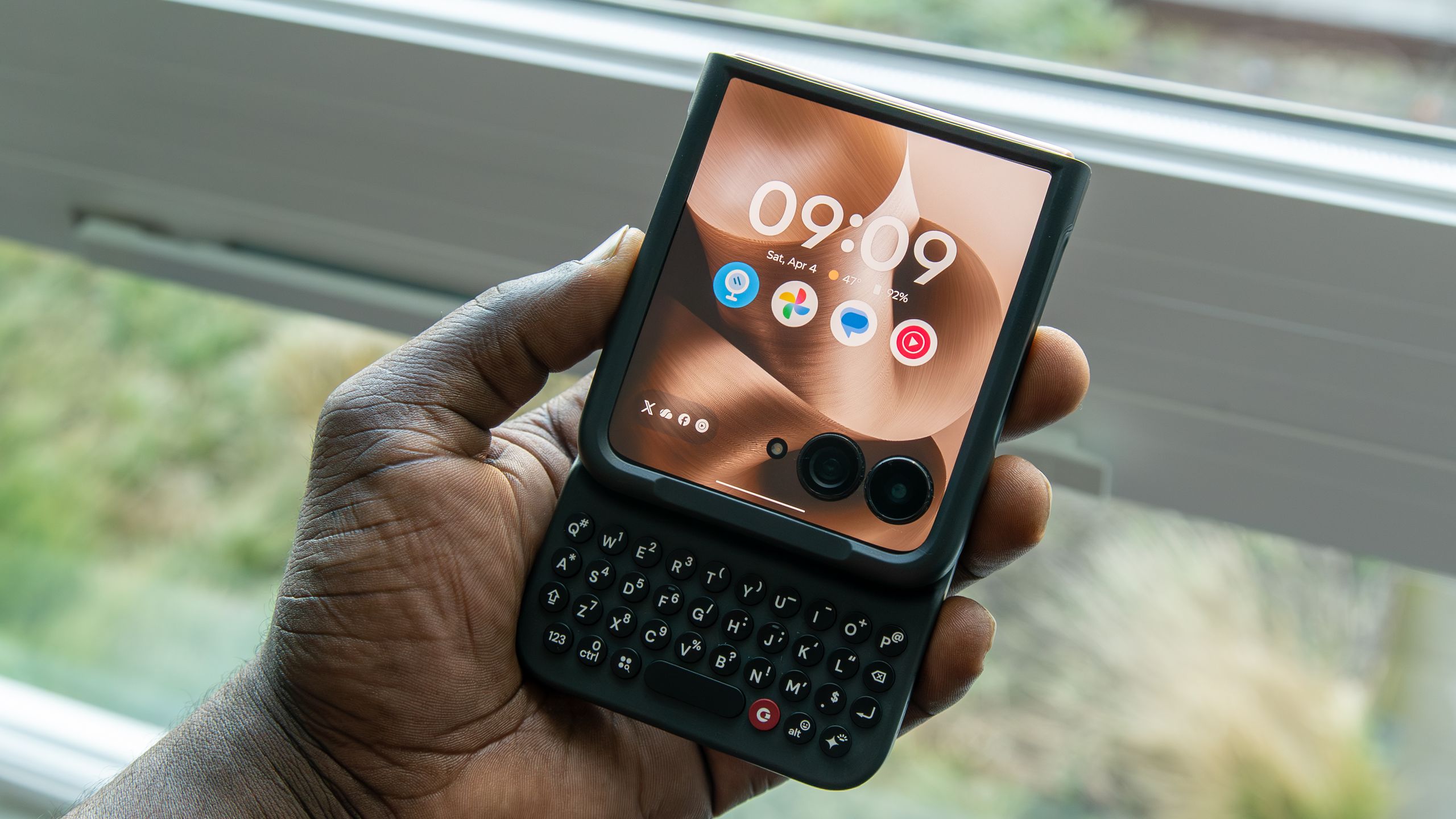
The Evolution of the Tactile Smartphone Interface
The history of the physical keyboard on mobile devices has seen a dramatic shift over the last two decades. In the mid-2000s, devices like the original Motorola Razr V3 and the BlackBerry Curve defined the mobile landscape through their distinct input methods. As the industry transitioned toward the all-glass "slab" design popularized by the original iPhone, physical keyboards were largely relegated to niche enterprise devices. The launch of the Clicks Keyboard by founders Michael Fisher (known as MrMobile) and Kevin Michaluk (CrackBerry Kevin) signaled a resurgence in demand for tactile feedback, targeting a demographic of users who prioritize precision and screen real estate over the convenience of a virtual keyboard.
The adaptation of this technology for the Motorola Razr Ultra 2025 is a logical progression in the device’s chronology. Since Motorola’s 2019 reboot of the Razr as a foldable smartphone, the company has focused on maximizing the utility of the external "Quick View" display. As these external screens have grown in size and capability, the limitations of on-screen typing have become more apparent. The Clicks Keyboard addresses this specific friction point, providing a bridge between the nostalgia of the 2000s and the productivity requirements of the 2020s.
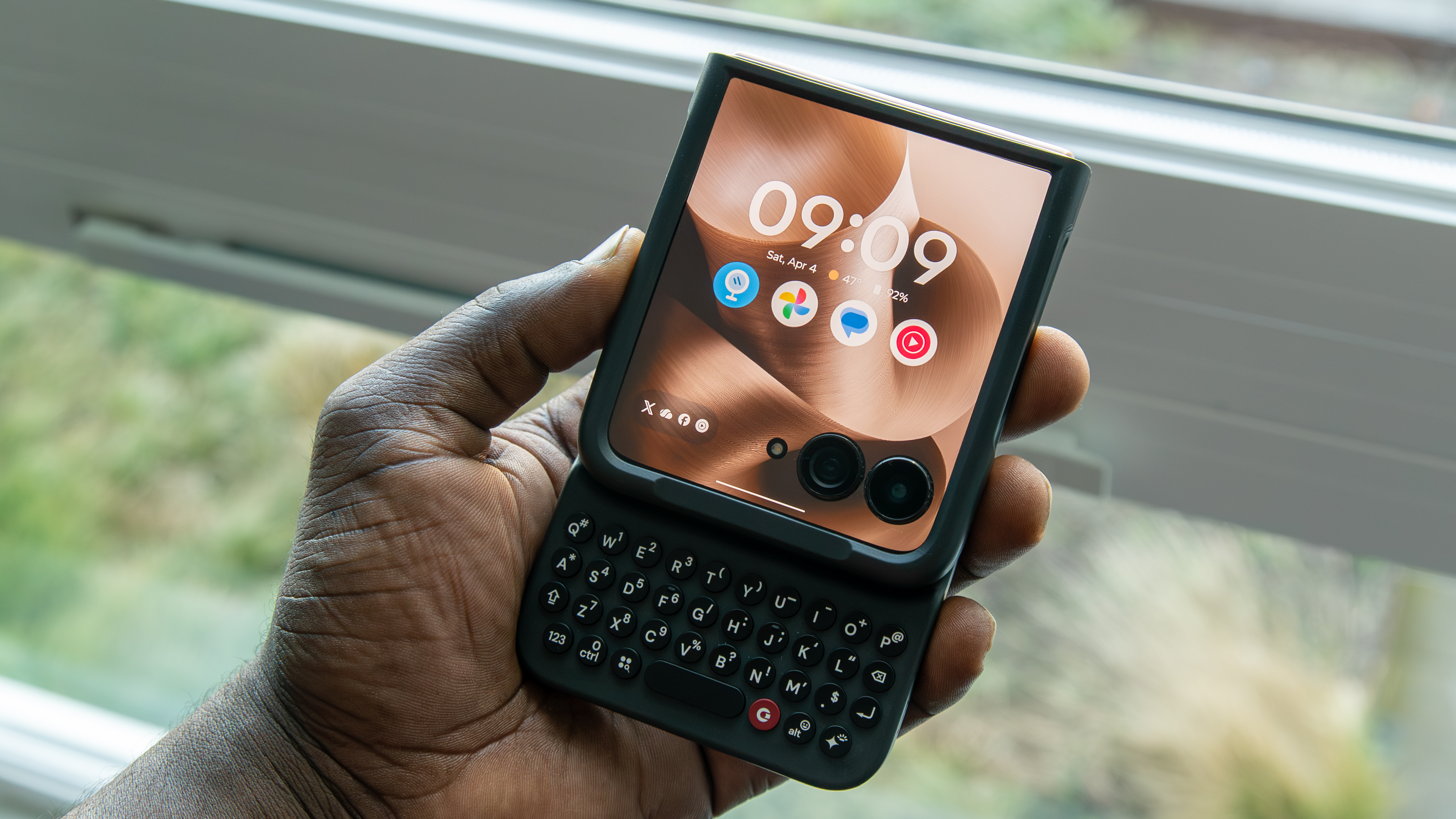
Enhancing Cover Screen Utility and Screen Real Estate
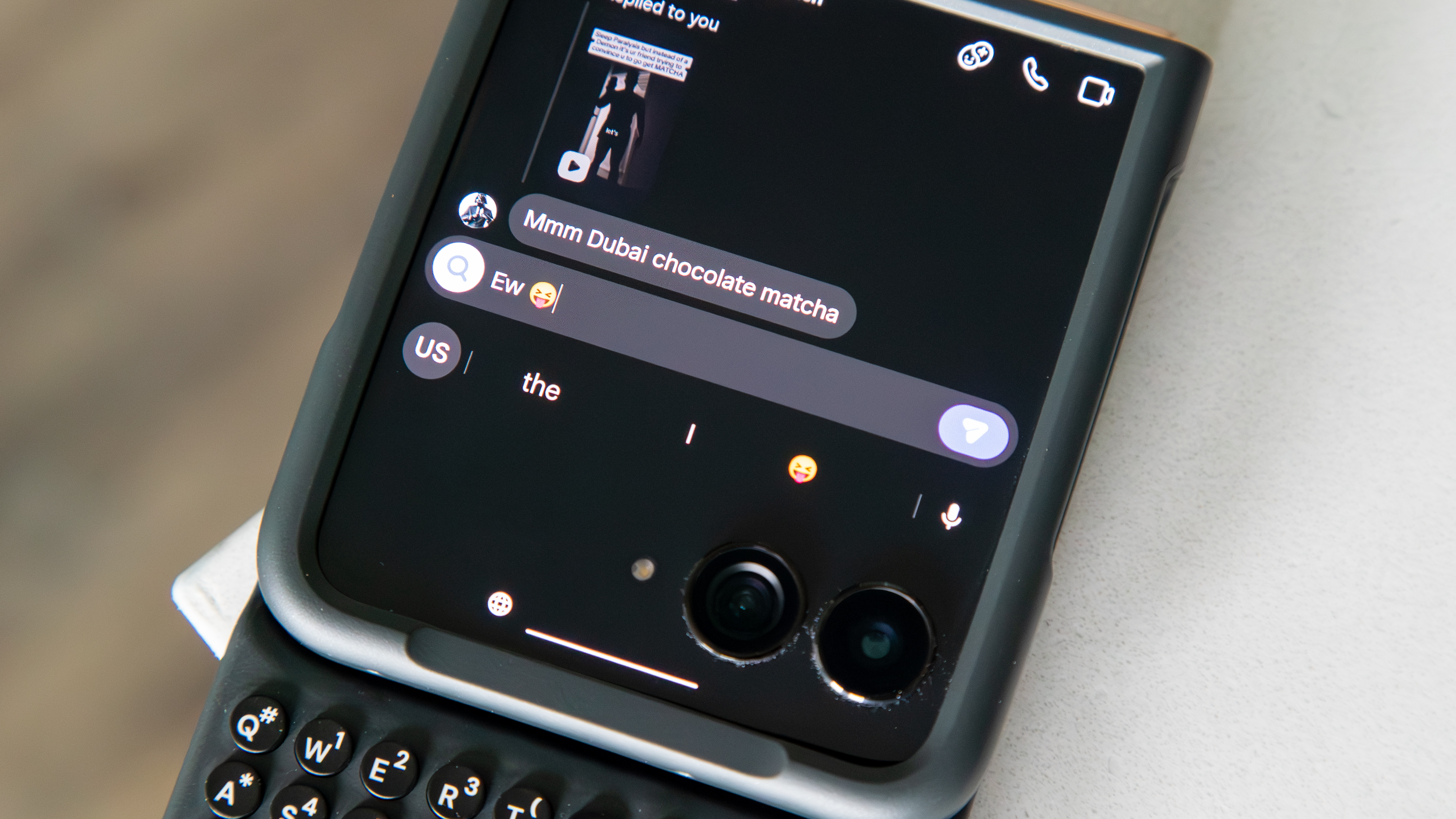
The most significant functional advantage of the Clicks Keyboard for the Razr Ultra 2025 is the preservation of screen real estate. On a traditional smartphone, the virtual keyboard typically occupies between 40% and 50% of the display during text entry. On the Razr’s cover screen, which is already constrained by its smaller dimensions, an on-screen keyboard can obscure almost the entire user interface, making it difficult to reference previous messages in a conversation or view UI elements in productivity apps.
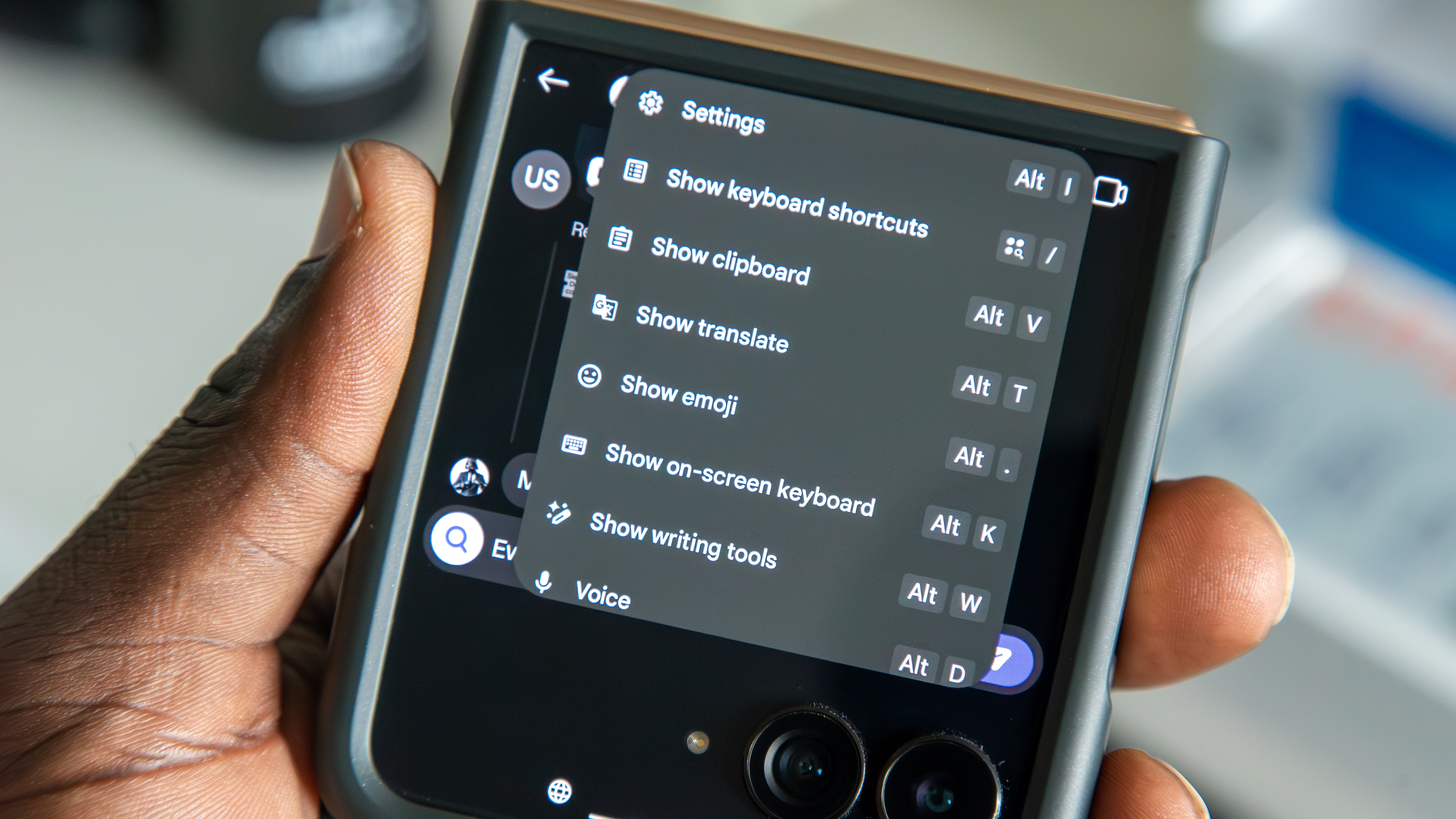
By utilizing the Clicks Keyboard, the virtual keyboard is suppressed, allowing the full resolution of the cover screen to be dedicated to content. This transformation allows the Razr to function as a compact communication hub that can be operated entirely without unfolding the main display. For professionals who manage high volumes of email, Slack messages, or social media interactions, this expanded visibility translates directly into increased efficiency. Furthermore, the case integrates seamlessly with Gboard’s floating menu, ensuring that features such as autocorrect suggestions and voice-to-text remain accessible without compromising the physical typing experience.
Technical Specifications and Design Innovations
The Clicks Keyboard for the Razr Ultra 2025 is engineered with several design considerations that cater to the device’s specific mechanics. Unlike Bluetooth-based accessories that suffer from latency and require independent charging, the Clicks Keyboard utilizes a direct USB-C connection. This ensures a zero-latency typing experience and allows the keyboard to draw a negligible amount of power directly from the smartphone’s battery.
Key technical features of the Clicks Keyboard include:
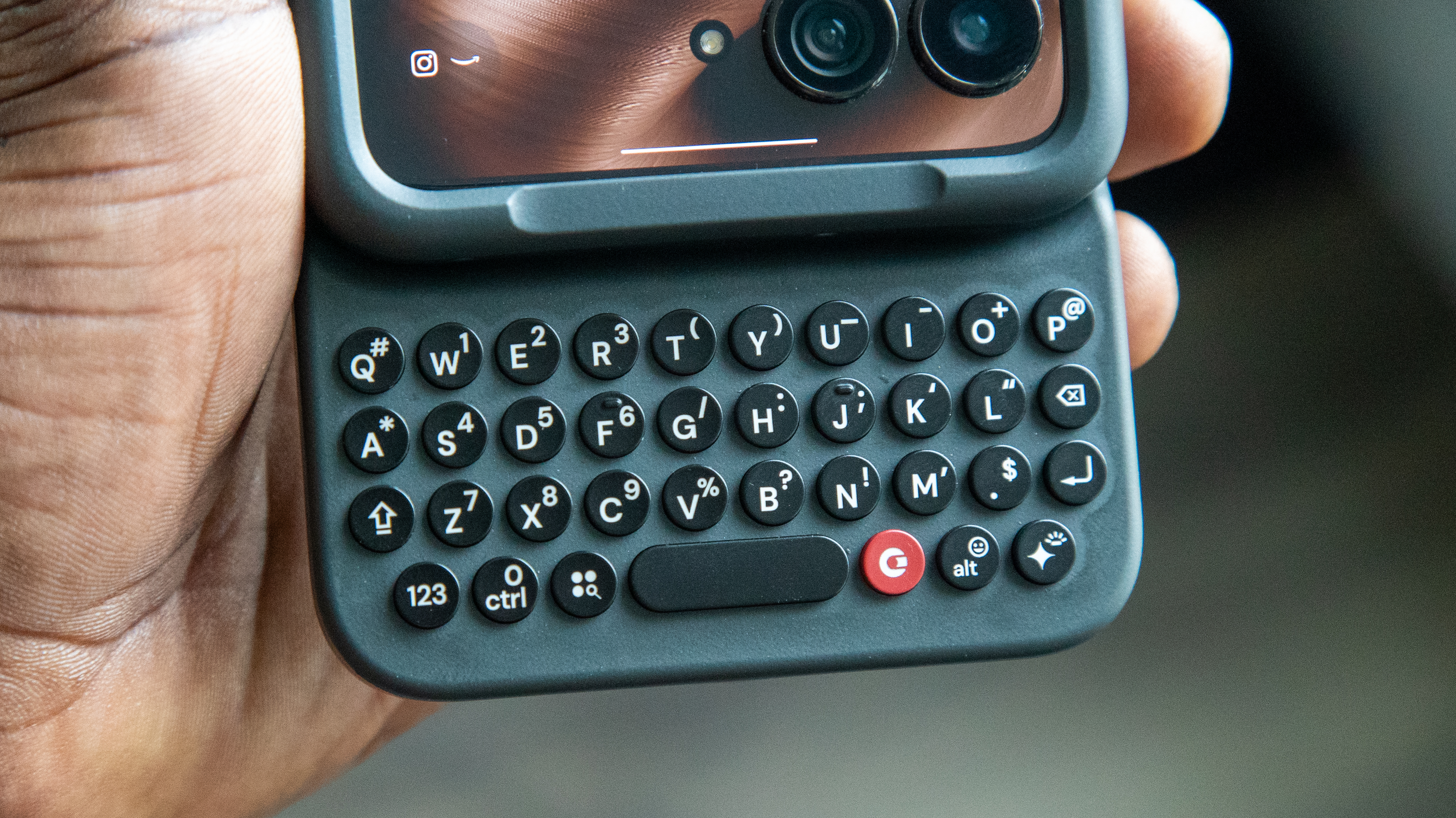
- Backlit Keys: The physical keys are equipped with adjustable backlighting, a critical feature for low-light productivity that can be managed via the dedicated Clicks companion app.
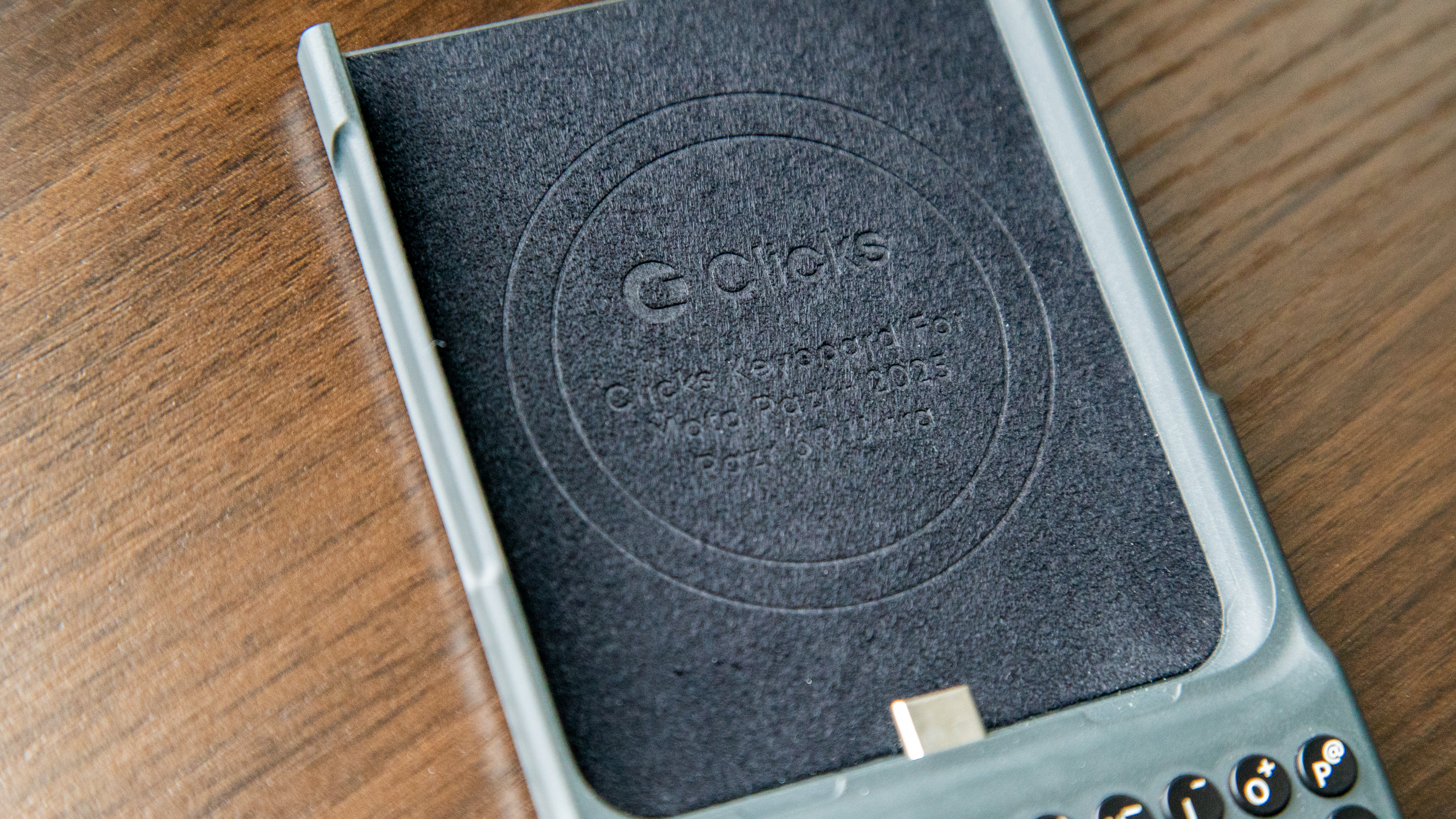
- Material Composition: The interior is lined with a soft-touch microfiber to prevent scratches on the Razr’s chassis, while the exterior features a premium, leather-like material for enhanced grip.
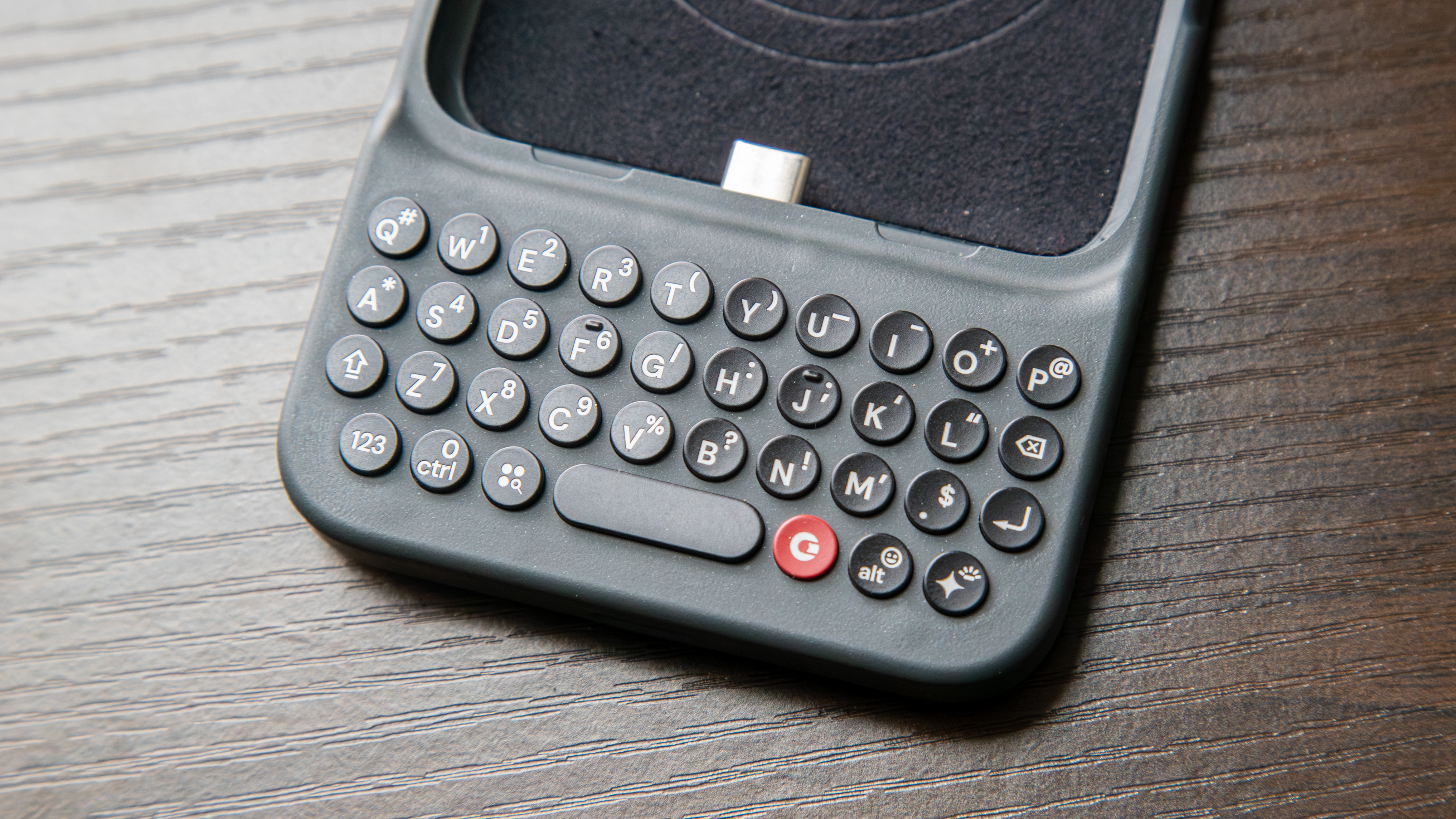
- Ergonomic Curvature: The keys are slightly angled toward the user to facilitate a more natural thumb-typing posture.
- Acoustic Pass-through: The case features precision-milled openings for the Razr’s speakers and microphones, ensuring that audio quality is not degraded during calls or media playback.
- Gesture Navigation Support: A unique indentation at the base of the top cover allows for unobstructed swipe-up gestures, a common failure point in inferior third-party cases that often block the bottom edge of the screen.
Advanced Productivity via Hardware Shortcuts
Beyond simple text entry, the Clicks Keyboard serves as a command center for the Android operating system. The inclusion of a dedicated "Search" key allows for a suite of "Search+Key" shortcuts that mirror the functionality of a desktop computer. These shortcuts significantly reduce the number of taps required to navigate the device:
- Search + B: Launches the default web browser.
- Search + G: Opens Gmail.
- Search + Y: Opens YouTube.
- Search + N: Expands the notification shade.
- Alt + Tab (Clicks Button): Facilitates rapid switching between recently used applications.
Furthermore, the keyboard includes a dedicated Gemini button, providing instant access to Google’s AI assistant directly from the cover screen. This integration highlights the keyboard’s role as a modern tool, moving beyond nostalgia to offer deep software-hardware synergy. A "Cursor Mode" also allows users to navigate the interface using the keyboard as a directional pad, providing a level of precision that is often difficult to achieve with touch inputs on small screens.
Challenges in Ergonomics and the Learning Curve
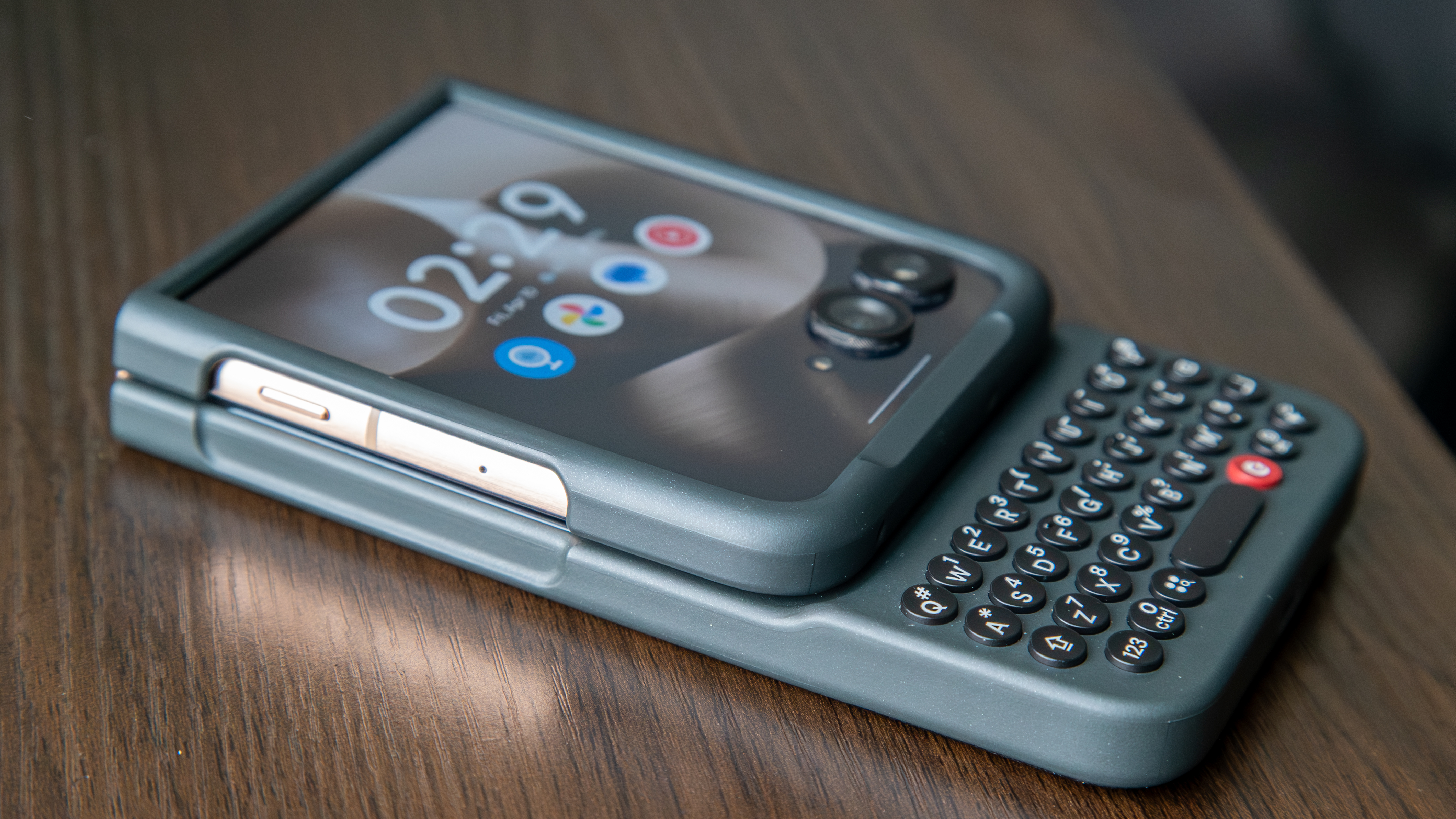
Despite its numerous advantages, the Clicks Keyboard introduces specific trade-offs that users must consider. The primary concern is the physical dimensions of the package when the Razr is unfolded. The Motorola Razr Ultra 2025 already features a tall 22:9 aspect ratio; when the Clicks Keyboard is attached, the total length of the device increases significantly. This "yardstick" effect can make the phone feel top-heavy and unwieldy during traditional one-handed use when the main screen is open.
Additionally, there is a measurable learning curve associated with returning to a physical keyboard. Most modern users have spent over a decade perfecting their "swipe" typing speed on glass displays. Initial testing suggests that while the Clicks Keyboard offers higher accuracy, the raw words-per-minute (WPM) count may initially be lower than on-screen typing. However, consistent use over several days typically results in a "muscle memory" recalibration, allowing users to regain their previous speeds while benefiting from the tactile "click" that touchscreens cannot replicate.
The absence of a dedicated number row on the current Razr model is another point of contention. Users must hold a modifier key to input digits, which can slow down data entry. Clicks has acknowledged this feedback, with the upcoming "Clicks Power Keyboard" expected to feature a dedicated number row and an integrated battery, though that model will necessarily carry a larger physical footprint.
Market Implications and the Future of Mobile Accessories
The success of the Clicks Keyboard for the Razr Ultra 2025 underscores a broader trend in the consumer electronics market: the rise of specialized, high-margin accessories for enthusiast devices. As the smartphone market reaches a plateau in terms of raw performance, consumers are increasingly looking for ways to personalize their experience and reclaim productivity.
Motorola has historically encouraged a robust accessory ecosystem—most notably with the "Moto Mods" of the Z-series—and the Clicks Keyboard represents a spiritual successor to that philosophy. By providing a high-quality, reputable option in a market saturated with "no-name" Amazon cases, Clicks is filling a critical void for Motorola’s flagship users.
Industry analysts suggest that the success of such peripherals may prompt larger manufacturers like Spigen, Bellroy, or Otterbox to reconsider their support for foldable form factors. Until then, Clicks remains in a unique position, offering the only professional-grade keyboard solution for the Razr. The broader implication is a shift toward "modular" productivity, where the smartphone serves as a core engine that can be transformed based on the user’s immediate needs—whether that is a compact foldable for portability or a tactile workstation for communication.
Conclusion
The Clicks Keyboard for the Motorola Razr Ultra 2025 is a rare accessory that manages to improve both the form and function of its host device. It addresses the inherent limitations of the foldable cover screen, provides a suite of professional-grade shortcuts, and offers the kind of build quality that Razr users expect from a premium device. While the increased vertical height and the learning curve for typing speed are valid considerations, the benefits of reclaimed screen real estate and tactile precision make it a compelling choice for power users. As the foldable market continues to mature, the Clicks Keyboard stands as a testament to the enduring value of physical input in an increasingly digital world.