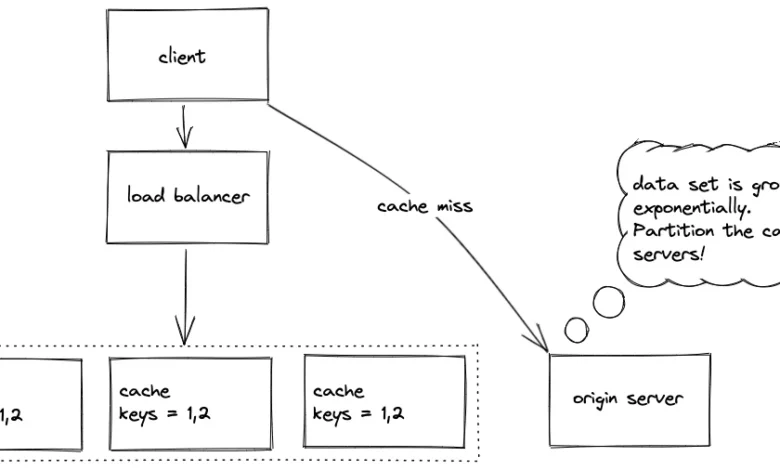
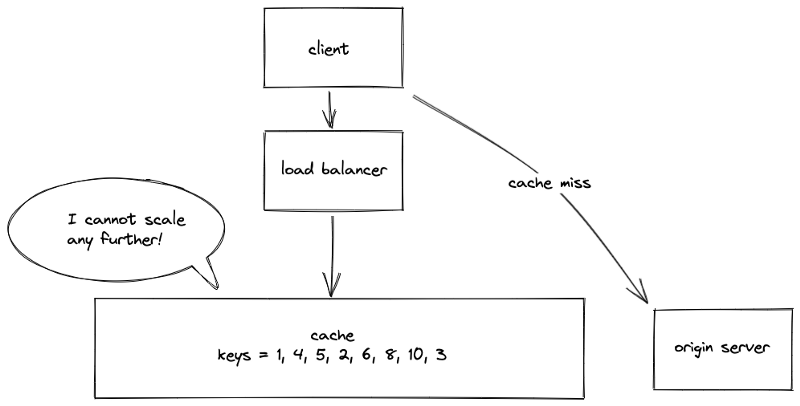
In the era of hyper-scale internet services, the ability to manage vast quantities of data across fluctuating server populations is not merely a technical preference; it is a fundamental requirement for operational viability. As web applications grow in popularity, they encounter the "thundering herd" problem, where an influx of user requests threatens to overwhelm backend origin servers. To mitigate this, engineers employ caching layers to reduce latency and origin load. However, traditional methods of distributing this cache—such as simple modulo-based hashing—falter under the pressure of dynamic scaling. Consistent hashing has emerged as the industry-standard solution to this challenge, providing a robust mechanism for horizontal scaling in distributed environments.

The Evolution of Cache Management and Sharding
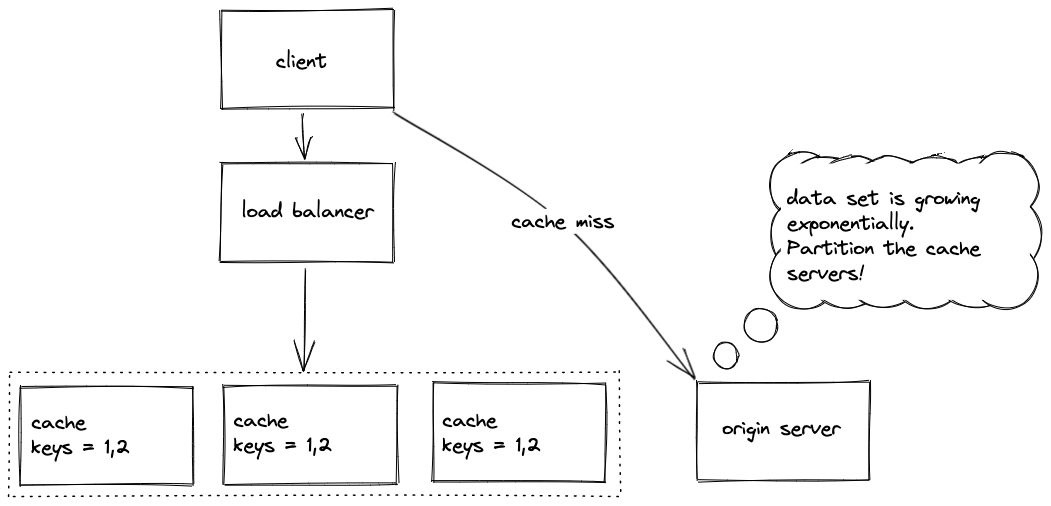
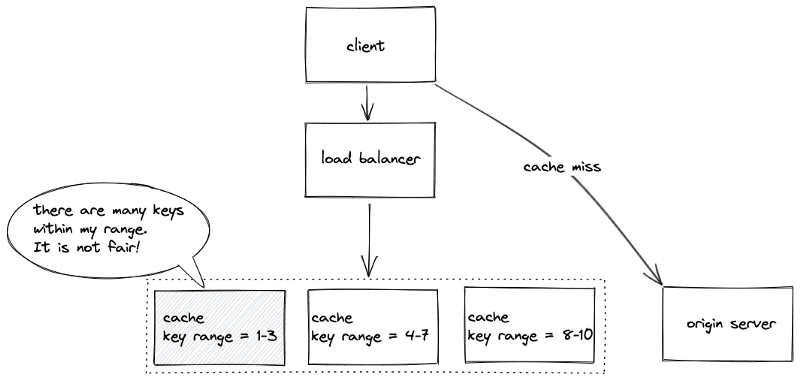
The fundamental goal of any caching strategy is to ensure that data remains accessible with minimal latency. When a single cache server reaches its capacity or processing limit, horizontal scaling—adding more servers—becomes necessary. This process, known as sharding or partitioning, divides the data set into smaller, manageable chunks assigned to specific nodes.
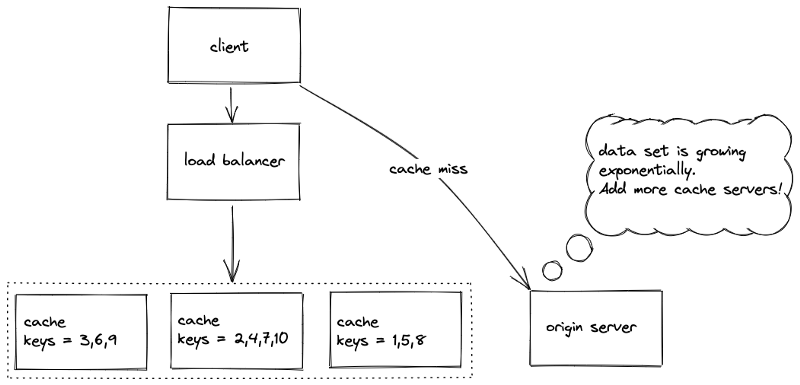
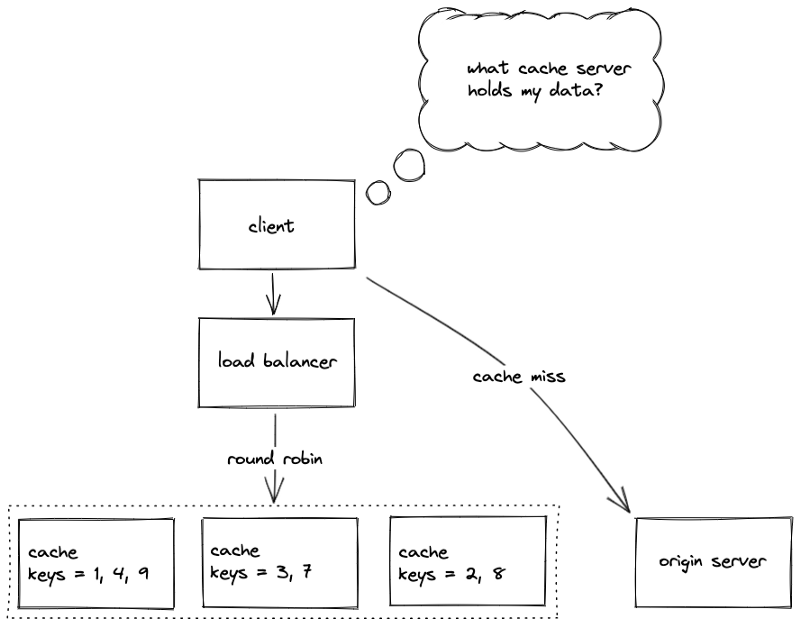
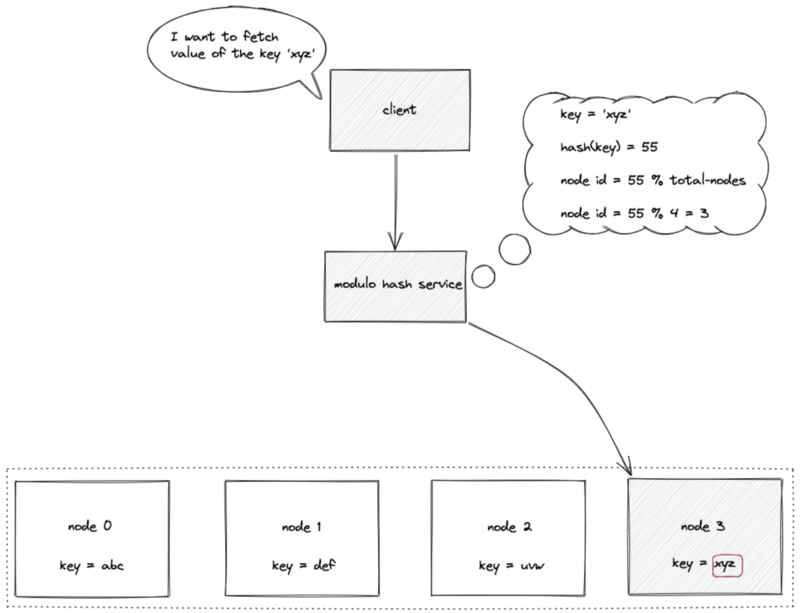
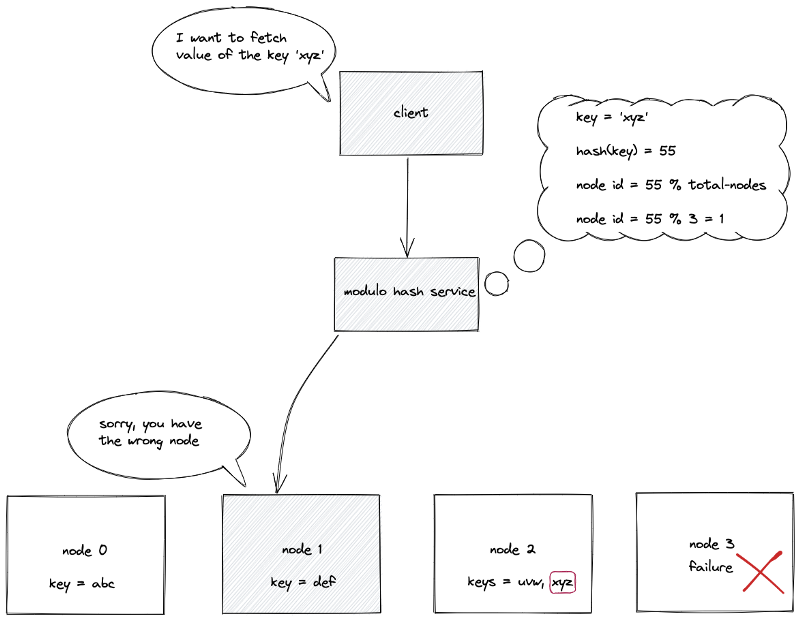
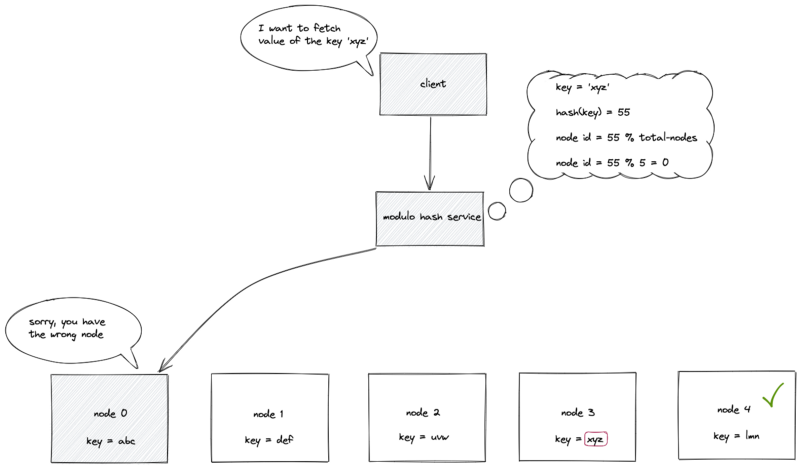
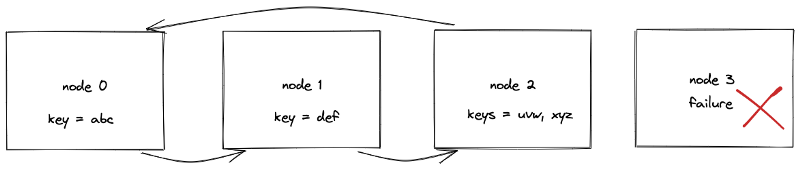
Historically, developers relied on static hash partitioning, where a key is mapped to a server using the formula node = hash(key) mod N, with N representing the number of servers. While computationally efficient, this approach possesses a critical vulnerability: whenever a server is added or removed, the value of N changes, rendering the previous modulo operations obsolete. This triggers a massive remapping of data, leading to a catastrophic spike in cache misses. As requests flood the origin server to compensate, the entire system often experiences a cascading failure.
The Mechanics of the Consistent Hash Ring
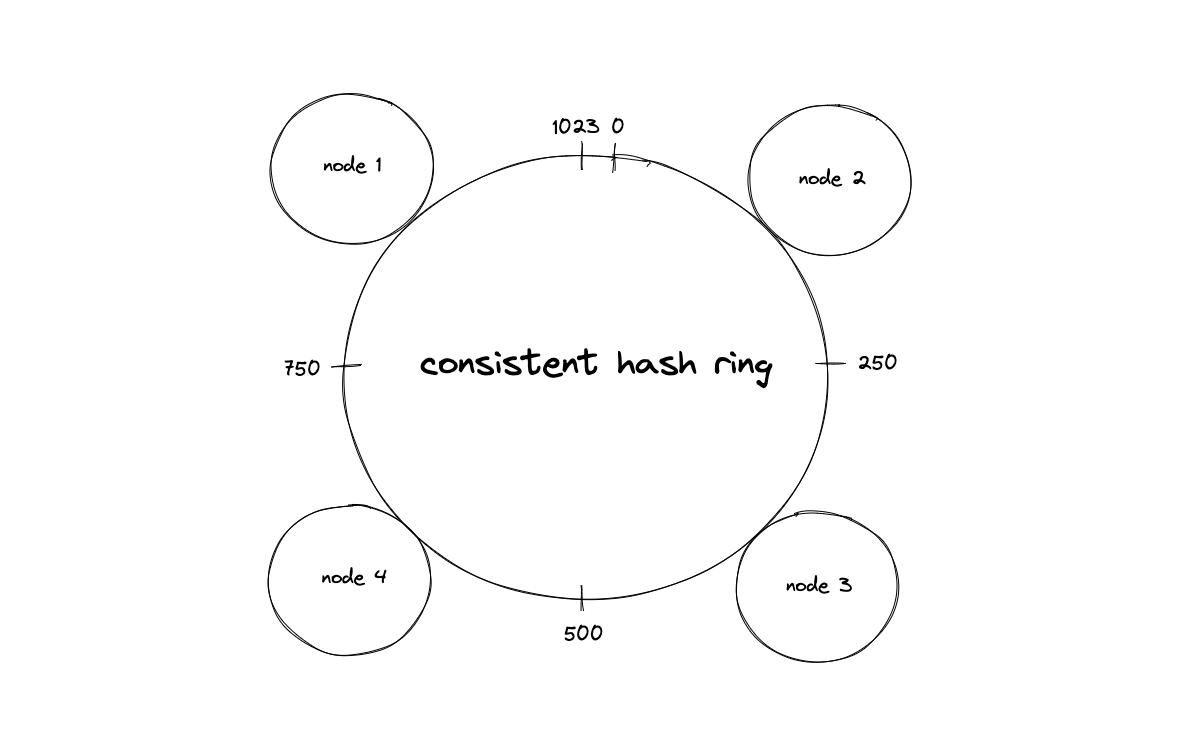
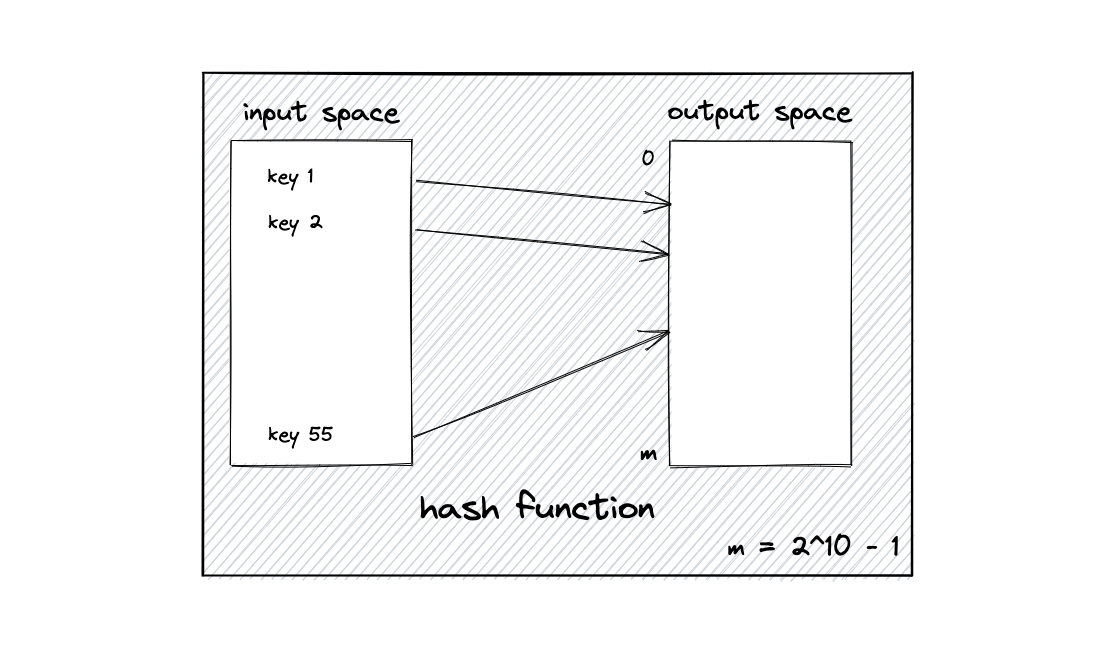
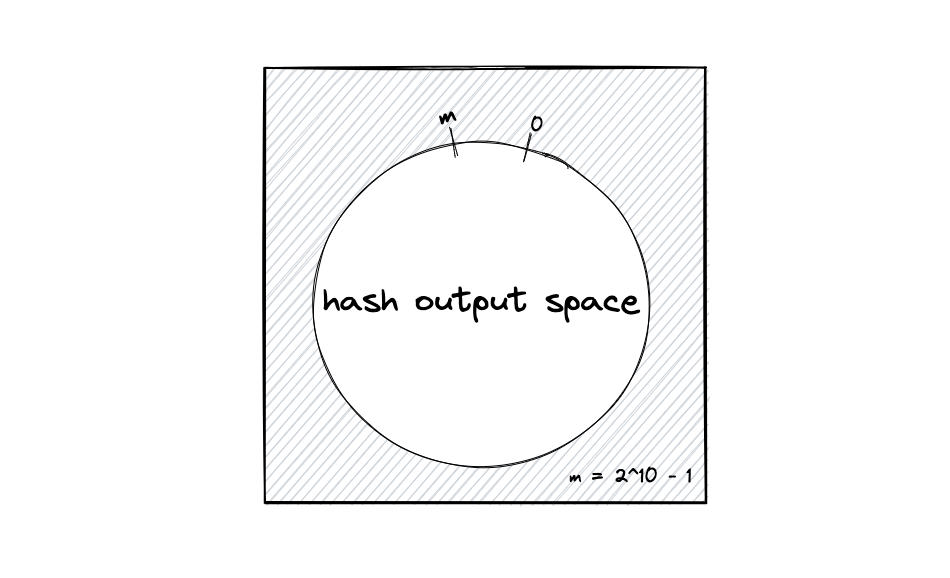
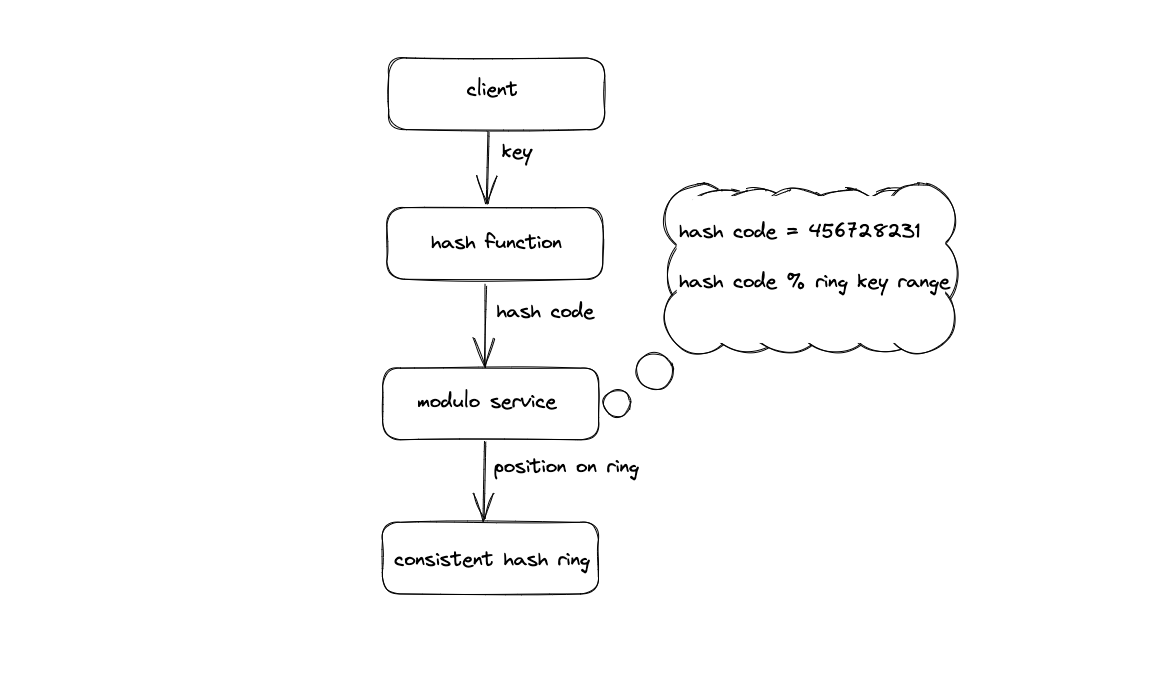
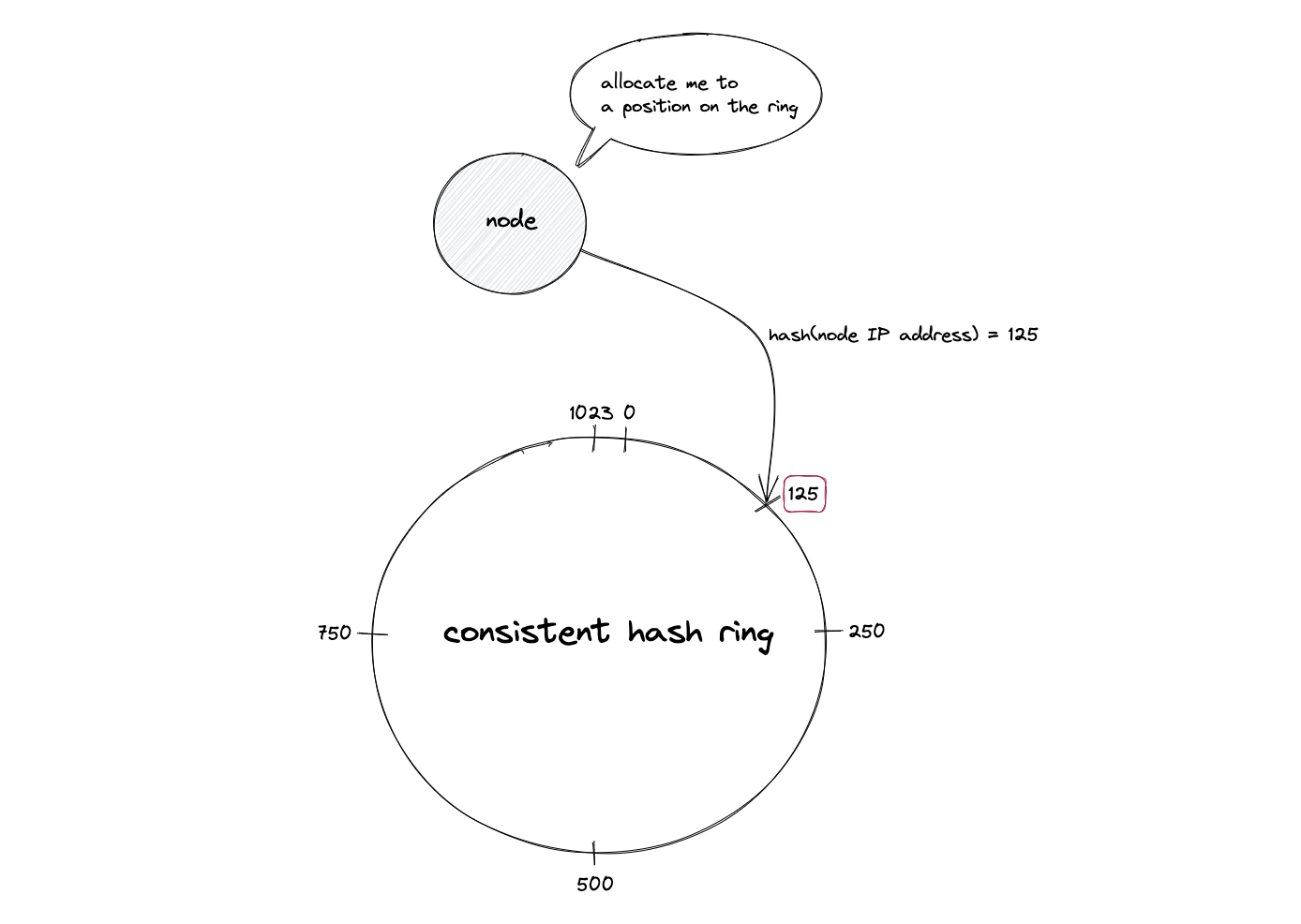
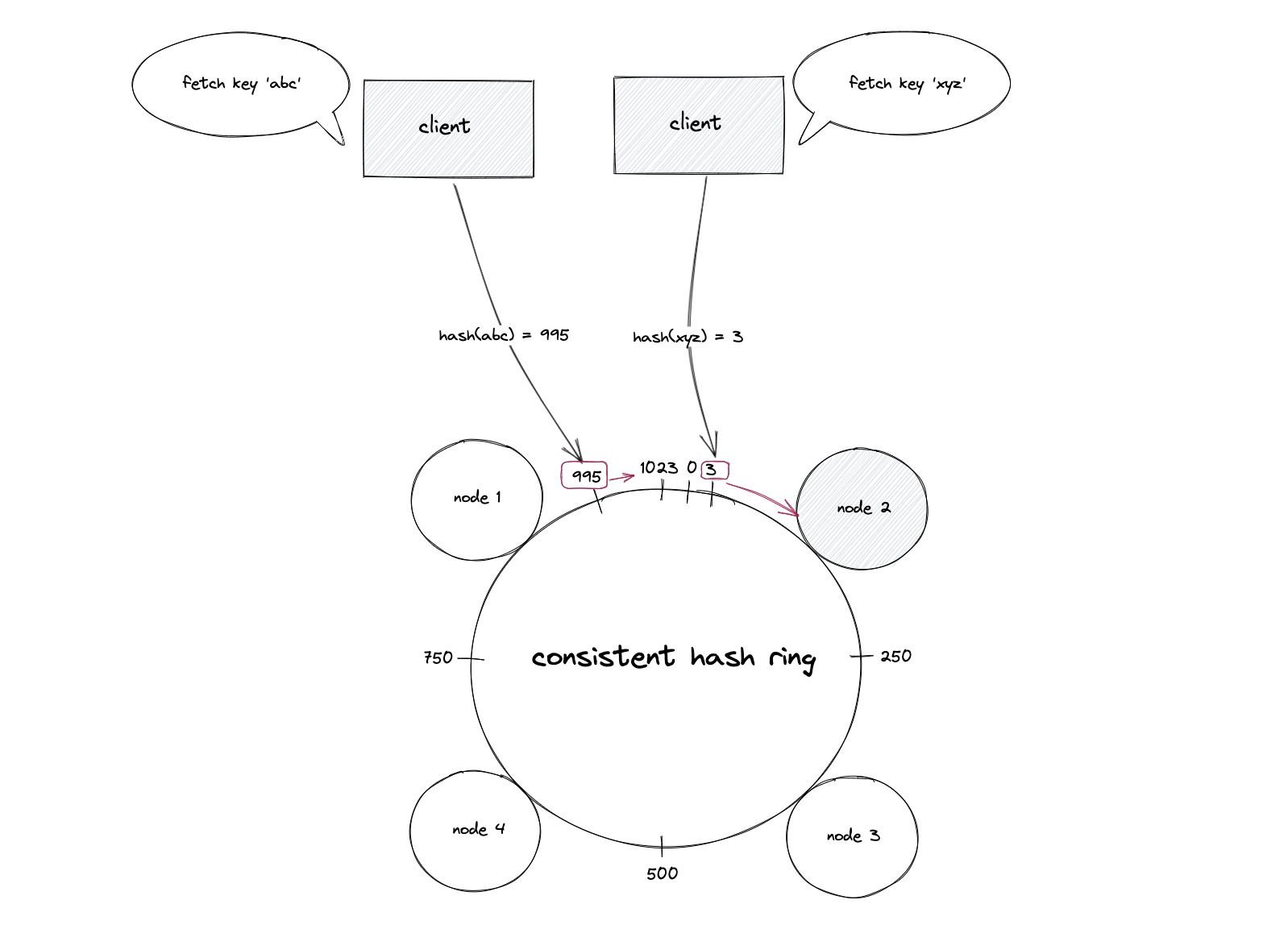
Consistent hashing addresses these shortcomings by shifting the paradigm from linear arrays to a virtual circular structure, commonly referred to as the "hash ring." By hashing both the node identifiers (such as IP addresses) and the data keys using the same cryptographic or non-cryptographic hash function, the system maps both to a position on a ring with a range from zero to a maximum hash value.
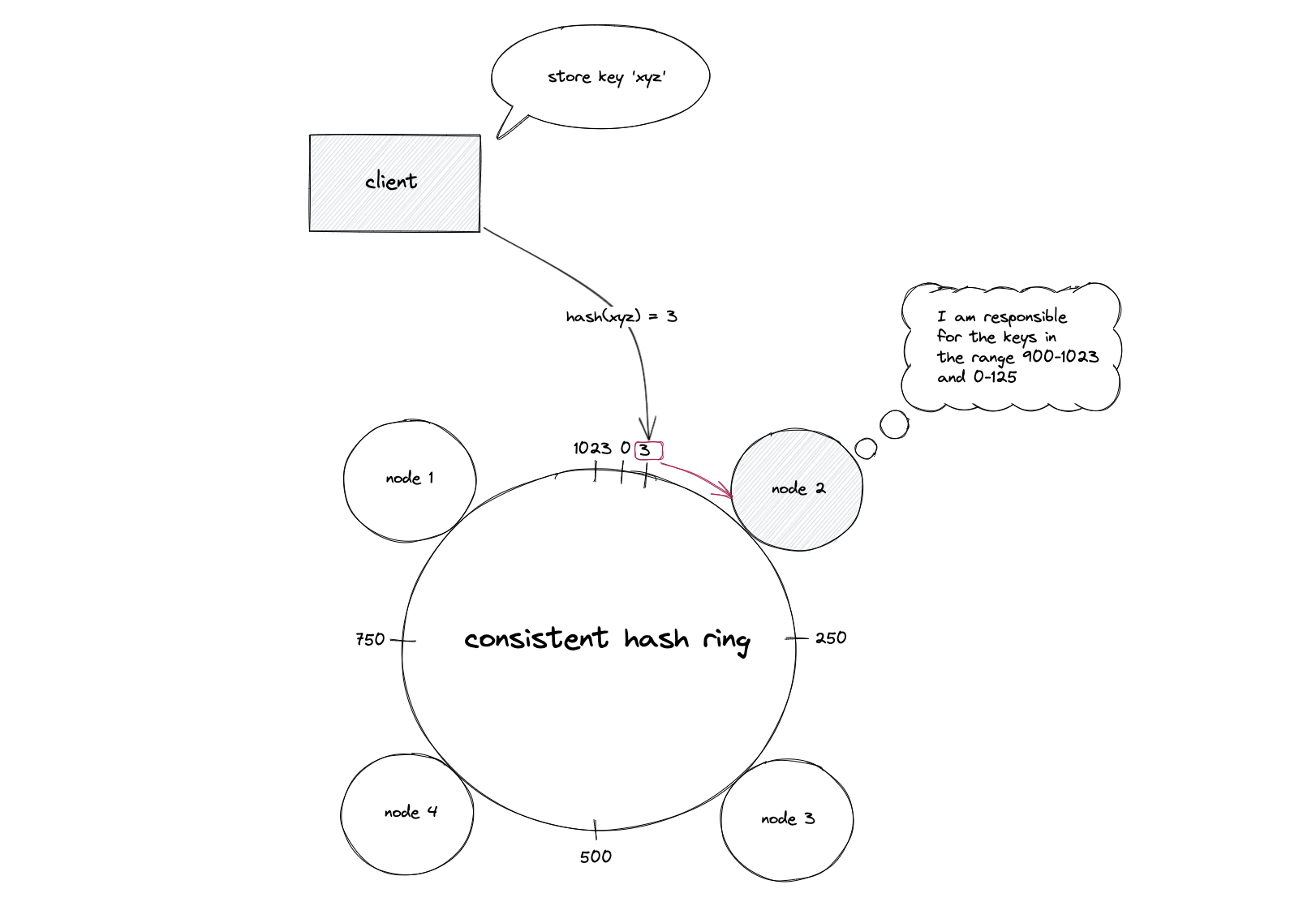
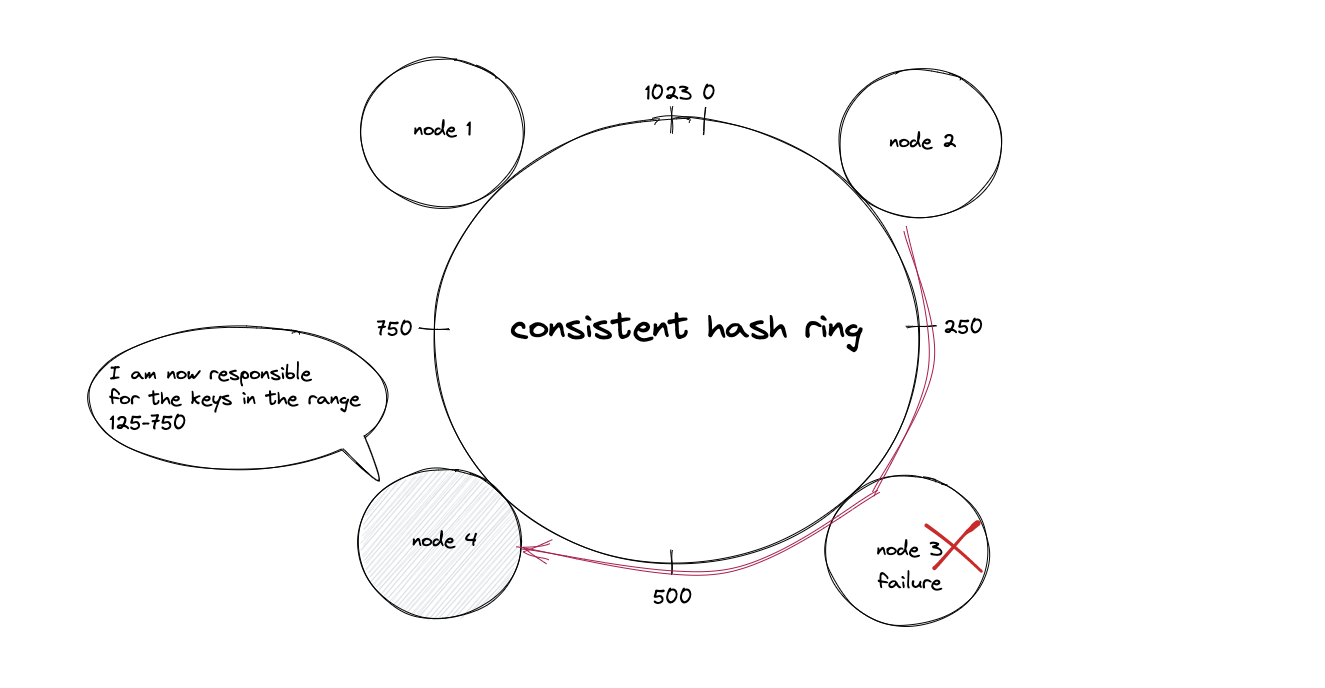
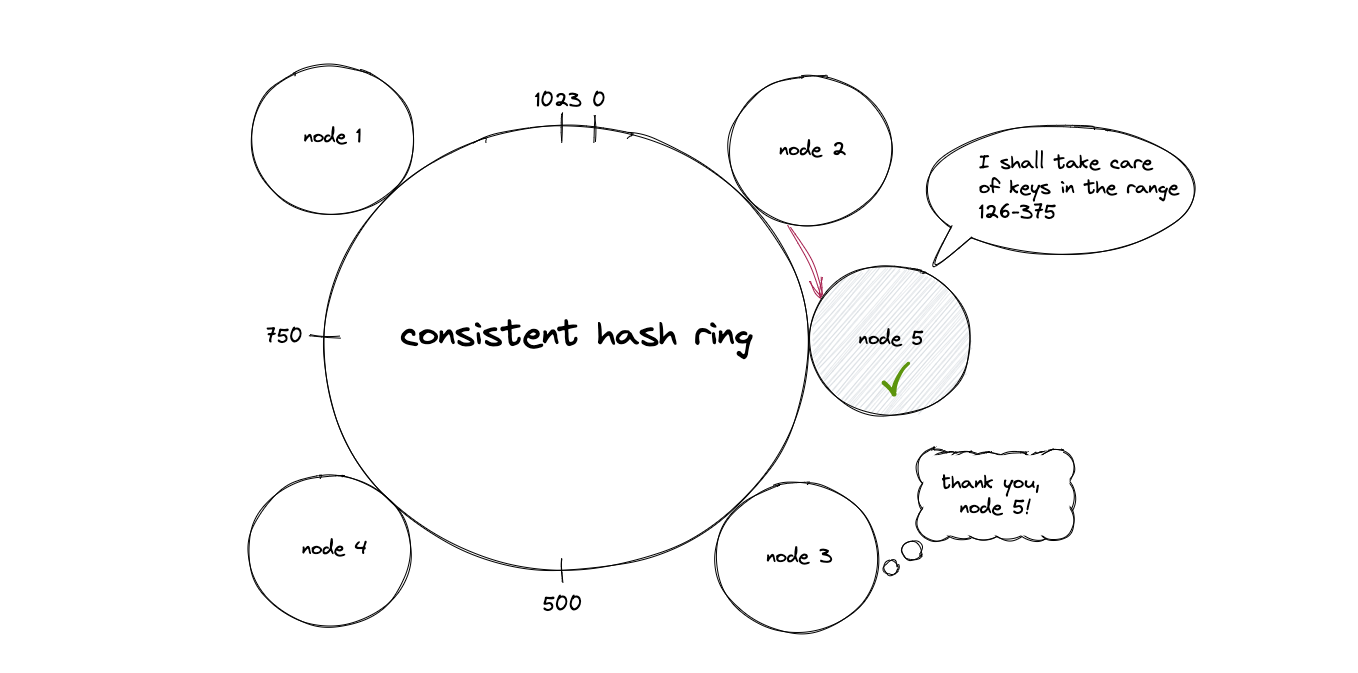
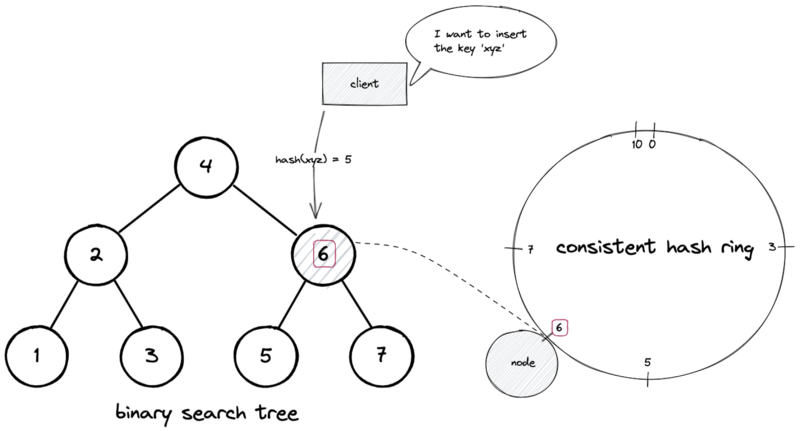
When a request for a data object arrives, the system hashes the key and moves clockwise around the ring until it encounters the first node. That node is then designated as the owner of that data. This architecture ensures that when a node is removed or a new one is added, only a small fraction of the keys—specifically those located between the affected node and its immediate neighbor—need to be remapped. This drastically reduces the churn of data during cluster membership changes, maintaining system stability.
Chronology of Development and Theoretical Foundations
The concept of consistent hashing was formally introduced in 1997 by David Karger and his colleagues at MIT. Their seminal paper, "Consistent Hashing and Random Trees," was motivated by the need to relieve "hot spots" on the World Wide Web. Before this, distributed caching protocols struggled with the instability caused by volatile node availability.
By the mid-2000s, the emergence of massive-scale distributed databases propelled consistent hashing from academic theory to critical infrastructure. In 2007, Amazon published its landmark paper on Dynamo, a highly available key-value store. The implementation of consistent hashing within Dynamo served as a blueprint for the modern NoSQL movement, influencing architectures like Apache Cassandra and Riak. These systems demonstrated that by decoupling data location from the total number of nodes, one could achieve "incremental scalability"—the ability to add capacity without re-shuffling the entire database.
Addressing Non-Uniformity with Virtual Nodes
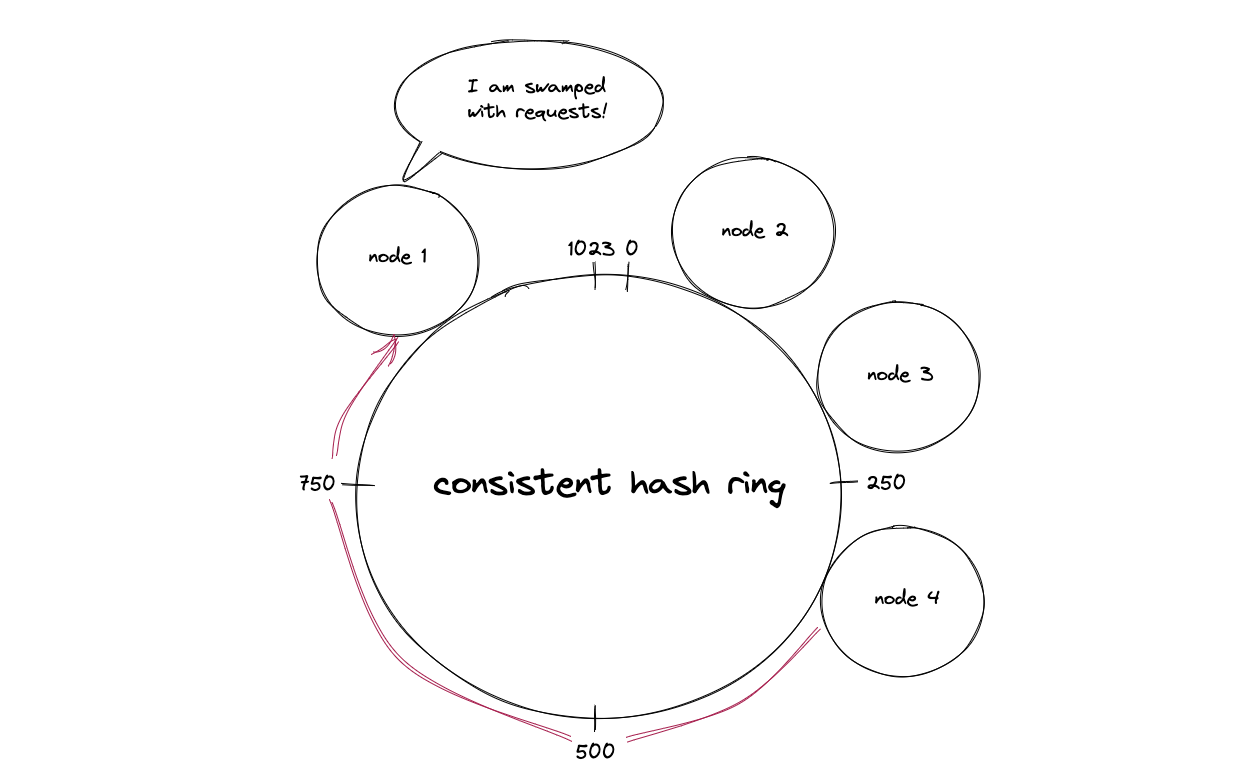
A common critique of basic consistent hashing is the risk of non-uniform distribution. If nodes are placed unevenly on the hash ring, some nodes may become "hotspots," processing a disproportionate amount of traffic, while others remain idle. To solve this, engineers introduced the concept of "virtual nodes" (or vnodes).
Instead of mapping a physical server to a single point on the ring, a node is assigned multiple positions. By hashing the node’s identifier with different suffixes or seeds, the system places multiple virtual representatives of that single physical node across the ring. This technique serves two purposes: it ensures a more uniform spread of data and allows for the accommodation of heterogeneous hardware. A high-capacity server can be assigned more vnodes, naturally attracting more traffic, while a smaller node is assigned fewer.
Performance and Asymptotic Complexity
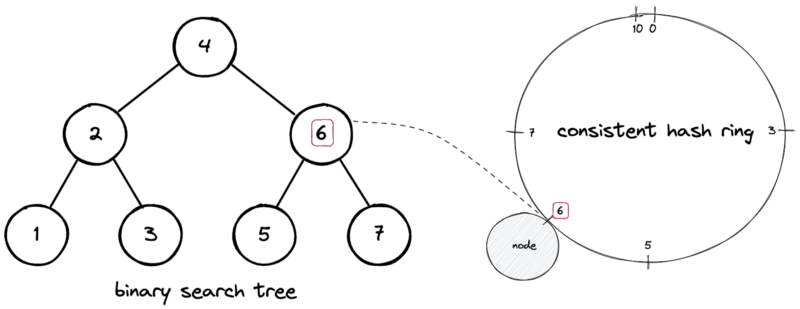
The efficiency of consistent hashing is tied to its underlying data structure, typically a self-balancing binary search tree (BST). By storing node positions in a BST, lookups for the "next" node in the clockwise direction can be performed in logarithmic time, $O(log n)$, where $n$ is the number of nodes.
When a node is added or removed, the redistribution of keys requires $O(k/n)$ operations, where $k$ is the total number of keys. Compared to the $O(k)$ cost of remapping in traditional static hashing, consistent hashing provides a significant performance advantage in production environments where the cost of a cache miss is measured in milliseconds of latency and increased load on primary databases.
Real-World Implementations and Industry Adoption
Today, consistent hashing is ubiquitous across the technology sector. Discord, the popular chat platform, utilizes it to manage state across millions of concurrent users. Netflix, in its pursuit of global video delivery, employs consistent hashing to manage the distribution of content across its Open Connect Content Delivery Network (CDN). By intelligently partitioning content, Netflix ensures that video data is cached as close to the end-user as possible, minimizing transit times and buffering.
Beyond standard implementations, specialized variants have evolved to meet unique challenges:
- Multi-Probe Consistent Hashing: This optimization removes the need for virtual nodes, instead using multiple hash functions on a lookup to find the "closest" node. It reduces memory overhead by eliminating the storage of vnode pointers, though it slightly increases the computational cost of the lookup itself.
- Bounded-Load Consistent Hashing: A critical advancement for systems dealing with "celebrity" or "popular" keys. This variant imposes an upper threshold on how much load a node can accept. If a node reaches its limit, the system automatically offloads the request to a pre-defined fallback node, preventing the overloading of a single server regardless of how many requests a specific key receives.
Broader Implications and Future Outlook
The reliance on consistent hashing highlights a broader trend in software engineering: the move toward decentralized, self-healing systems. As cloud-native architectures continue to dominate, the ability for a system to "know" where data resides without a centralized lookup service is invaluable.

However, the implementation of these systems is not without its complexities. Maintaining a consistent view of the hash ring across all nodes in a cluster requires robust synchronization protocols, such as Gossip protocols. In these models, nodes communicate periodically to share state information, ensuring that even in the face of network partitions, the system remains eventually consistent.
As we look toward the future of distributed systems, the principles of consistent hashing remain foundational. Whether in the context of edge computing, where nodes are distributed geographically, or in massive multi-tenant databases, the requirement for seamless, non-disruptive scaling remains constant. While new hash functions and data structures will continue to improve the raw speed and efficiency of these algorithms, the core concept of the virtual ring persists as the elegant solution to one of computing’s most persistent challenges: how to maintain order in a world of constant, dynamic change.
In conclusion, consistent hashing has successfully transitioned from an elegant mathematical solution to a mission-critical utility. Its ability to provide stability in the face of hardware churn, coupled with its adaptability through techniques like virtual nodes and bounded loads, ensures its continued relevance. For architects designing the next generation of scalable services, understanding the trade-offs of this technique—from hash function selection to the synchronization of the ring state—is essential for building systems that can withstand the unpredictable demands of the modern internet.