Marvels Wolverine Review A Brutally Beautiful PS5 Exclusive That Prioritizes Cinematic Impact Over Tactical Depth


Sony Interactive Entertainment and Insomniac Games have officially expanded their powerhouse roster of PlayStation exclusives with the September 15, 2026 release of Marvels Wolverine. Launching exclusively on the PlayStation 5 and optimized heavily for the PS5 Pro, the title places players directly into the claws, mutton chops, and visceral mindset of James Logan Howlett. Clocking in at an average playthrough of 25 hours for the main campaign and completionist activities, this single-player, story-driven epic leans heavily into polished production values, cinematic framing, and ultra-violent melee combat. However, behind its stunning graphical fidelity and seamless technical execution lie notable limitations regarding combat depth, exploration variety, and optional side content.
Background Context and Development Trajectory
The journey to bring Marvels Wolverine to virtual storefronts has been one of the most closely watched developments in modern gaming. Following the massive commercial and critical success of Insomniac Games’ Marvels Spider-Man franchise, expectations for the studio’s treatment of the iconic X-Men member reached astronomical heights. Unlike the open-world architecture of New York City that defined their previous superhero titles, Insomniac deliberately chose a linear, heavily scripted design philosophy for Logan’s solo outing.

Set in a standalone timeline preceding Logan’s formal induction into the X-Men, the narrative explores a grittier, pre-mansion era of the mutant’s tumultuous life. This creative decision allows both longtime comic enthusiasts and franchise newcomers to dive into an accessible story without needing a comprehensive encyclopedia of mutant lore. The game whisks players across a globetrotting itinerary that spans Canada, Japan, Madripoor, and various clandestine facilities operated by recurring antagonists such as Bolivar Trask and Nathaniel Essex, voiced brilliantly by Troy Baker.
Chronology and Narrative Structure
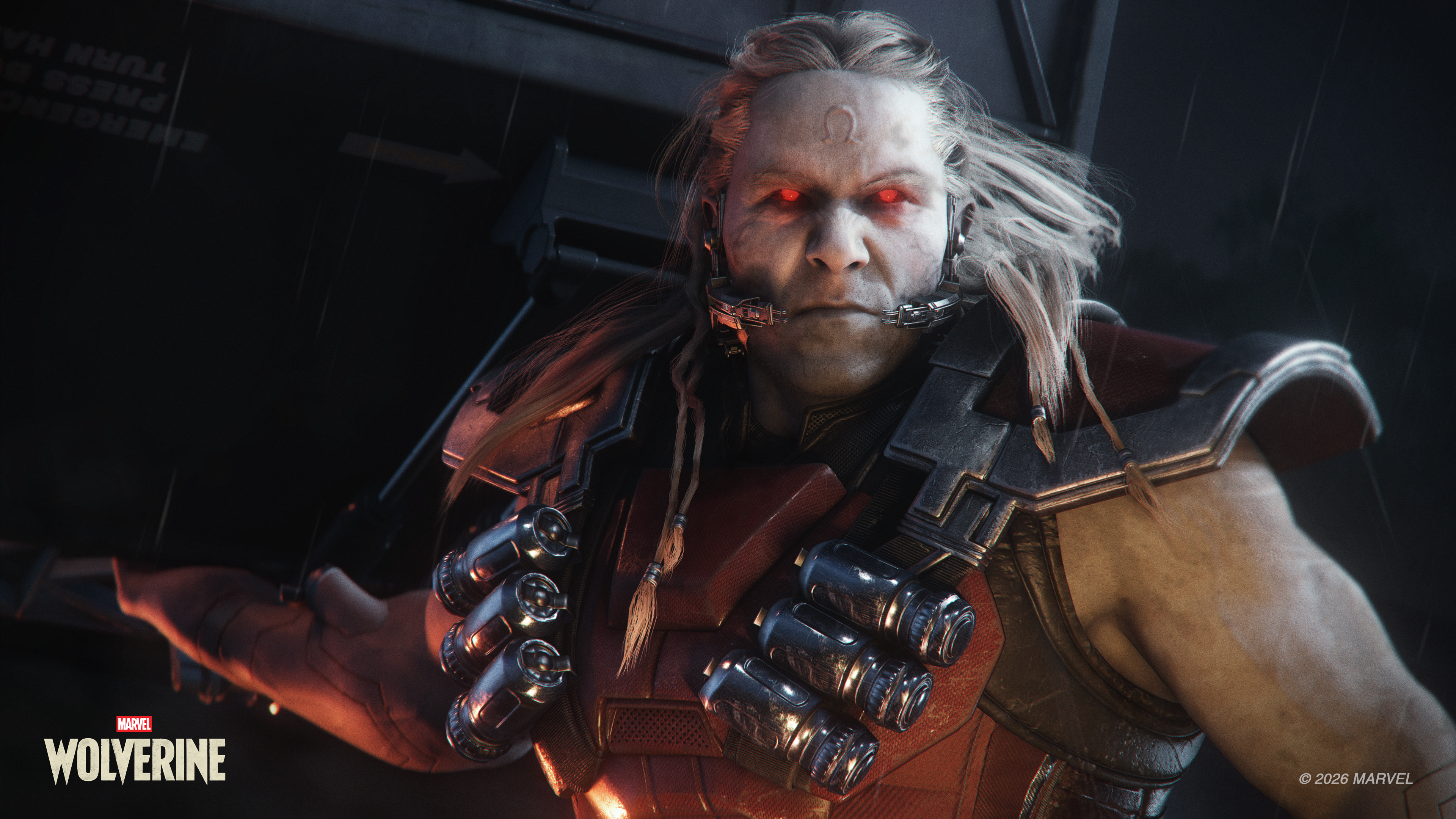
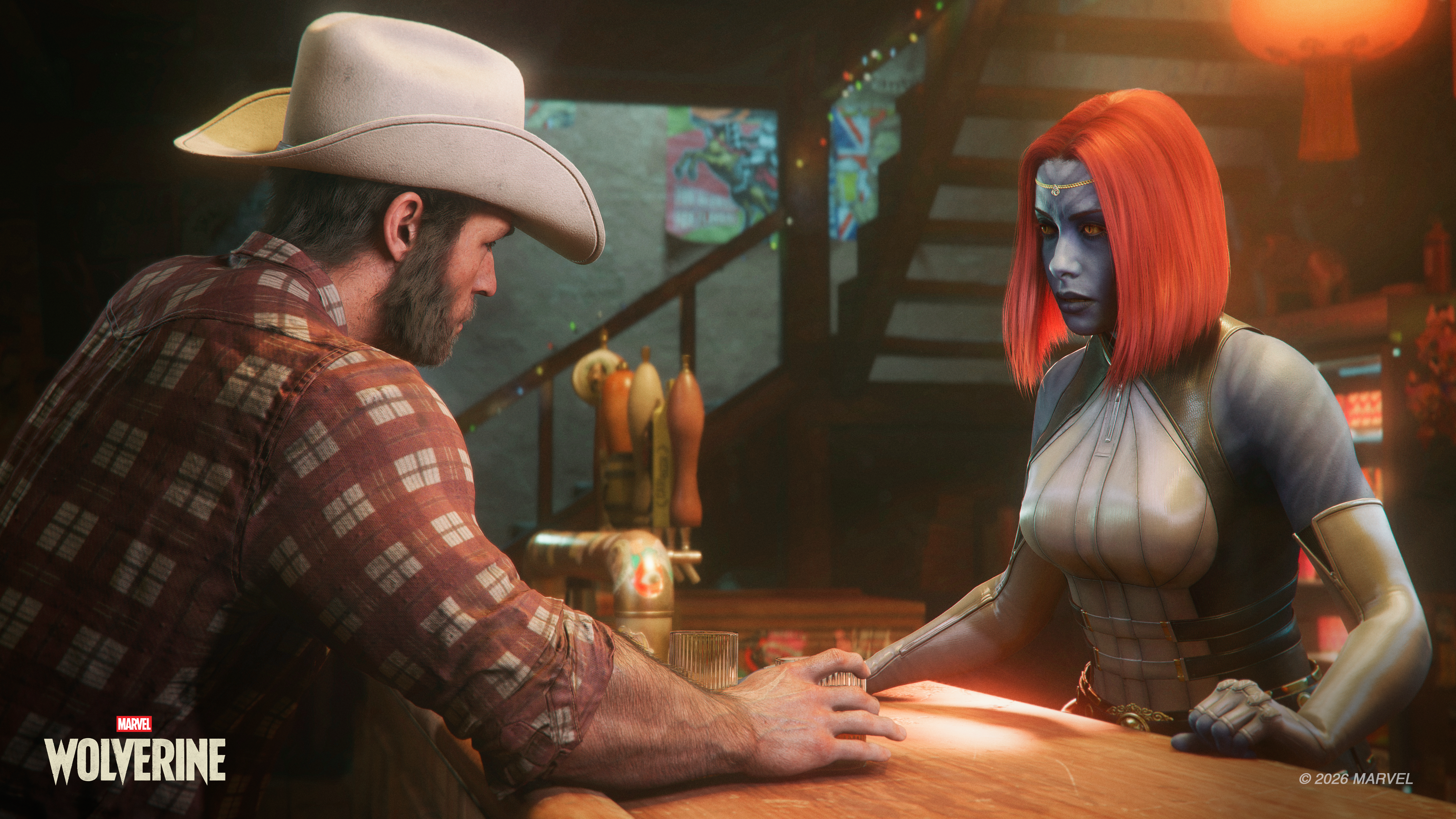
The campaign kicks off with a moody, atmospheric introduction at a Team X headquarters. Logan is soon joined by Mystique, the blue-skinned shapeshifter, who attempts to direct his attention toward a hidden conspiracy behind a closed door. From its earliest moments, the game establishes its commitment to environmental storytelling and graphical showcase. Naturalistic rain streaks down windowpanes, while the fiery, ember-spewing fallout of an explosive enemy entrance contrasts sharply against ethereal moonlight and flashes of lightning.
As the narrative progresses, players witness pivotal meetings within the lore, such as Logan’s first encounter with Jean Grey. Insomniac Games handles these character introductions gracefully, utilizing quiet, interactive moments during early investigative missions where the pair naturally share personal details while tracking down a mischievous mutant child’s hidden drawings. These slower, character-building interludes serve to anchor the bombastic and exceptionally bloody action sequences that dominate the remainder of the 25-hour runtime.

Combat Mechanics: Style Over Substance
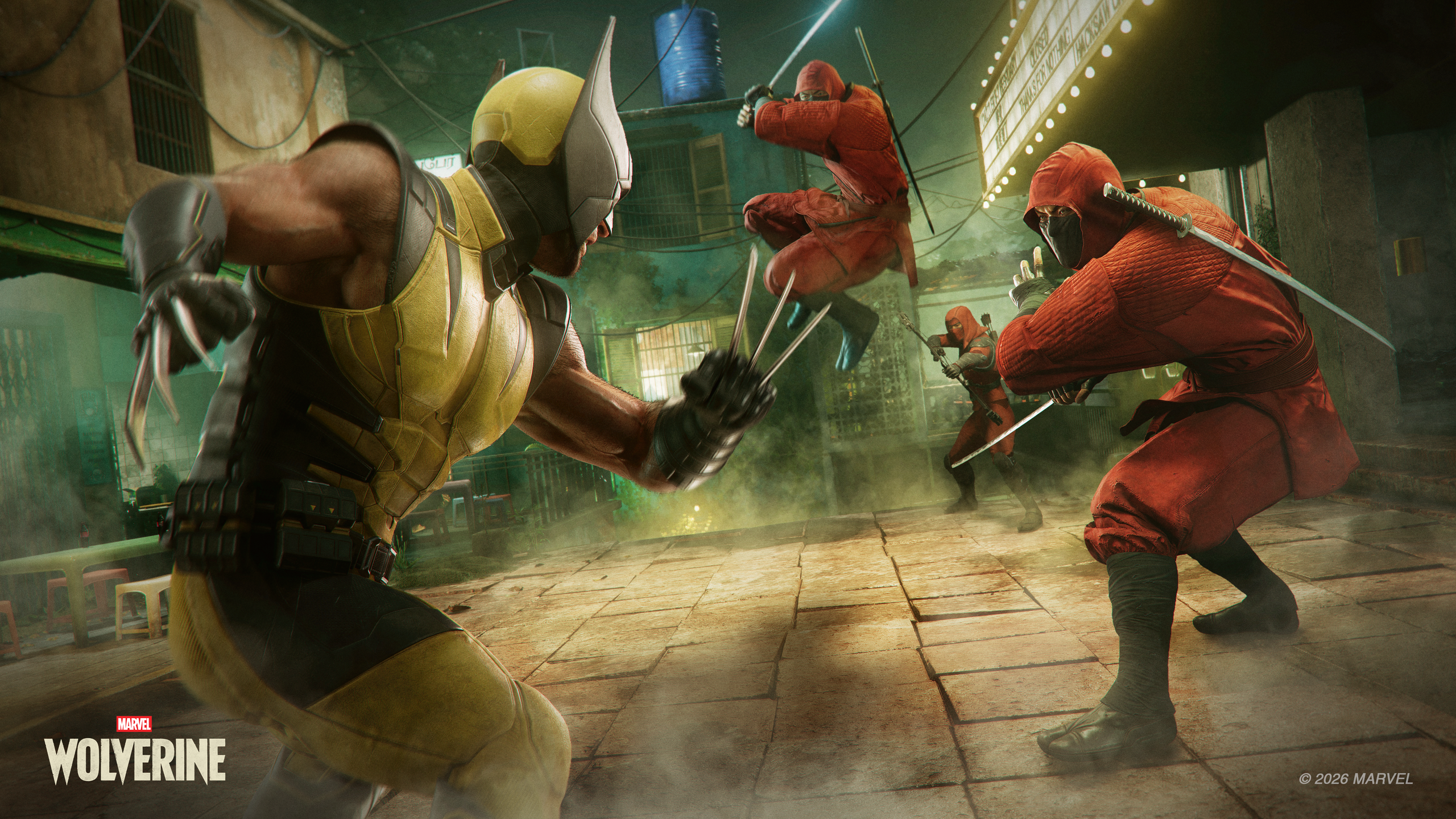
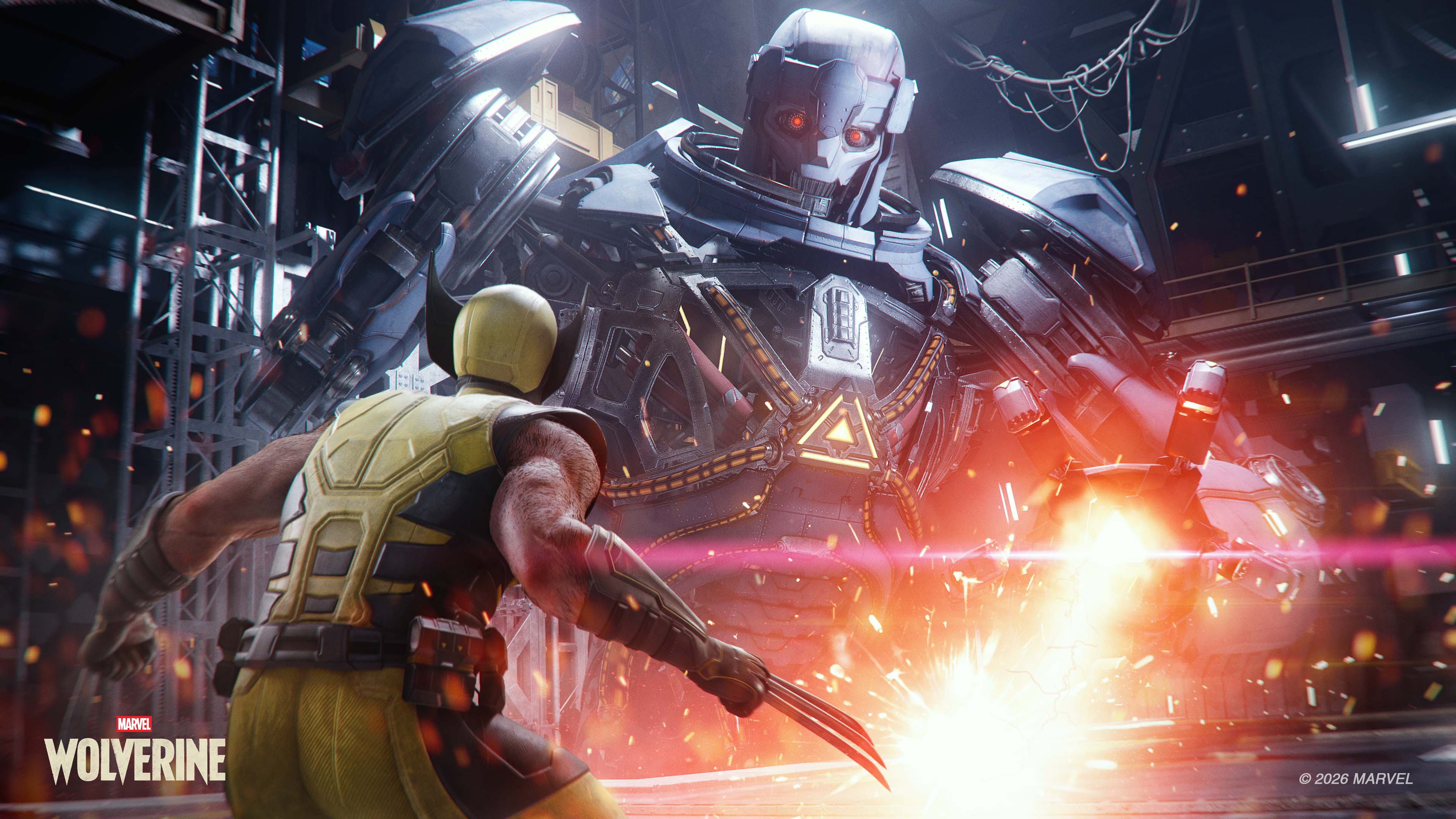
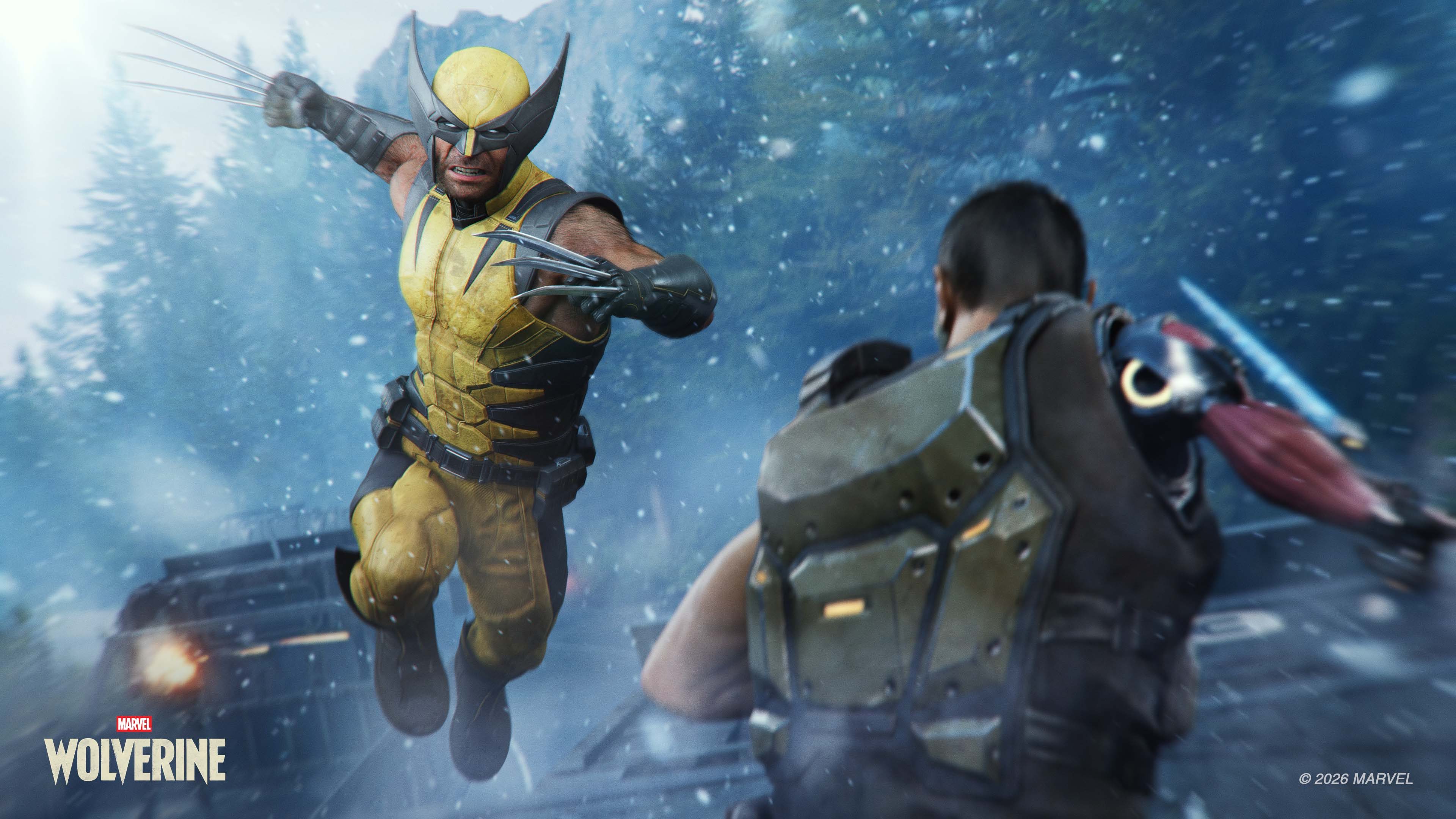
At its core, Marvels Wolverine operates as an unrelenting, action-packed power fantasy. Given that Logan is virtually indestructible and possesses retractable adamantium claws capable of slicing through steel and armor like warm butter, balancing combat difficulty presented a formidable challenge for the development team. Insomniac’s solution is a blend of arcade-style hacking-and-slashing, intuitive DualSense haptic feedback, and responsive button inputs that make shredding through hordes of cybernetic soldiers and towering Sentinels deeply satisfying.

The visual feedback of combat is startlingly graphic. Enemies are routinely reduced to lopped limbs and red plasma, while Logan himself suffers progressive battle damage. His clothing becomes tattered, revealing ugly wounds, realistic sweat, and hyper-detailed body hair that push the graphical limits of the PS5 hardware.
Despite this visceral presentation, the game’s attempts to introduce strategic depth through a leveling and "Technique" tree yield mixed results. Players can invest earned points into flashy combos, parries, and counters that disarm opponents or hurl foes into one another. However, these techniques often feel functionally superfluous, as players can achieve identical results by spamming basic barrage attacks, utilizing defensive dodges, and deploying cooldown-based special abilities. These heavy specials—such as spinning through a crowd like a tornado or drilling forward through targets—offer immediate, table-turning utility, including health restoration when near death. Combined with a "Rage" meter that lets Logan enter a feral state, the combat remains consistently thrilling, even if it lacks the complex tactical layers intended by its designers.
Non-Combat Content and Exploration Deficits
When players step away from the blood-soaked combat encounters, Marvels Wolverine introduces a variety of non-combat activities, including investigative sequences, platforming challenges, and vehicular chases. While motorcycle pursuits—executed from an on-rails perspective—allow players to amusingly slash the tires of pursuing vehicles, the platforming sections occasionally break immersion. Instances where Logan can scurry effortlessly up tree trunks yet find himself inexplicably blocked by low fences or walls highlight the friction inherent in strictly linear level design.

Optional content outside the critical path further exposes structural limitations. Players can hunt down hidden bottles of whiskey and enter Logan’s "Nightmare Cabin" to complete timed memory-based challenges. These activities reward DNA-altering "Adaptation" points to feed a secondary progression system, but these passive perks do little to alter gameplay. Similarly, a suit-crafting system features over 30 distinct costumes—ranging from a cowboy hat variant to anime-inspired attire from Marvel Tokon: Fighting Souls—that grant permanent health bonuses. Because these cosmetics rely on a single uniform collection resource and offer no unique gameplay modifiers, labeling the mechanic as "crafting" feels overstated.
Accessibility and Technical Performance
Insomniac Games continues its commendable industry trend by packing Marvels Wolverine with a robust suite of accessibility features. Players can granularly adjust the intensity of blood, gore, violence, and profanity to match their comfort thresholds. Alongside standard difficulty presets and deep gameplay assists, the game includes extensive subtitle customization, UI scaling, and comprehensive audio-visual aids, though dedicated protanopia, deuteranopia, and tritanopia color-blind profiles are notably absent from the current build.
Reviewed on a PlayStation 5 Pro connected to a TCL 4K 65-inch television with HDR enabled, the title maintained rock-solid performance stability throughout its runtime. Audio performance was evaluated using both built-in stereo television speakers and the official PlayStation Pulse Elite headset, highlighting a punchy, atmospheric soundscape and stellar voice acting performances, notably led by Liam McIntyre as Logan.
Implications and Final Verdict
Marvels Wolverine succeeds brilliantly as a linear, single-player blockbuster that honors its source material while carving out an original, cinematic space within the Marvel gaming universe. It offers an unapologetically scripted, fast-paced adventure that avoids the map fatigue often associated with open-world role-playing games. Yet, by stripping away open exploration and failing to deliver meaningful depth within its optional activities and secondary combat systems, the title occasionally exposes minor fractures beneath its polished adamantium exterior. For fans seeking a direct, uncompromising, and visually breathtaking power fantasy, Insomniac’s latest release delivers an unforgettable ride from opening credits to final cinematic.