The Greening of Technology A Sustainable Future
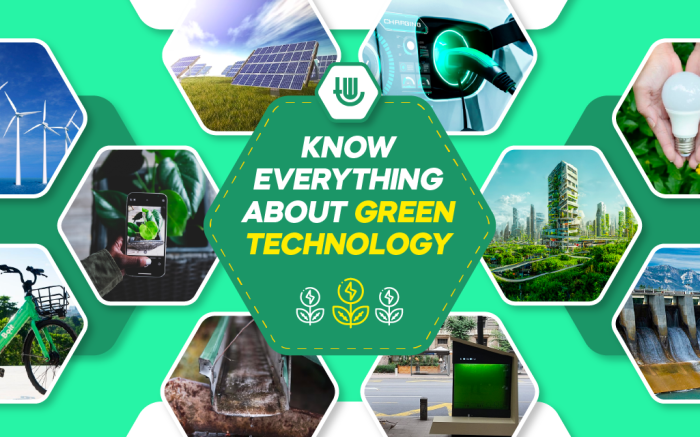
The greening of technology is more than just a buzzword; it’s a fundamental shift towards a more sustainable future. From the energy we consume to the materials we use, every aspect of technology’s lifecycle is being scrutinized and re-imagined. This exploration dives deep into the core principles, impacts, and emerging solutions for a greener technological landscape.
This journey examines the environmental footprint of existing technologies, from computing and transportation to communication systems. We’ll also explore emerging technologies like bio-based materials and 3D printing, and how they can contribute to a more sustainable future. Furthermore, the discussion encompasses sustainable materials, manufacturing processes, energy efficiency, waste management, user behavior, and the crucial role of policy and regulations in driving this transition.
Defining the Greening of Technology
The greening of technology is a multifaceted movement encompassing a broad range of initiatives designed to minimize the environmental impact of technological advancements. It’s driven by a growing awareness of the ecological footprint of our devices, processes, and manufacturing methods. This movement isn’t just about adopting eco-friendly practices; it’s about fundamentally rethinking how we design, produce, and utilize technology.
It’s about achieving a balance between technological progress and environmental sustainability.This transformation is not merely a trend; it’s a necessary evolution. As our reliance on technology continues to grow, so too does the need to ensure that this progress doesn’t come at the expense of our planet. The greening of technology is a crucial step towards a more sustainable future.
Core Principles Driving Greener Technology
The movement toward greener technology is fueled by several core principles. These principles often overlap and reinforce each other, forming a holistic approach to environmental responsibility. A commitment to resource efficiency, renewable energy integration, and reduced waste are paramount in this pursuit.
- Resource Efficiency: Minimizing the consumption of raw materials and energy throughout the entire lifecycle of a product is critical. This includes using less material in the design, employing recycled materials, and optimizing energy use during production and operation. For example, the development of lightweight yet strong materials like carbon fiber in automobiles reduces the overall energy needed for transportation.
- Renewable Energy Integration: The transition to renewable energy sources is a key component. Using solar panels in data centers or integrating wind turbines in manufacturing facilities reduces reliance on fossil fuels and decreases carbon emissions. This principle is not limited to direct energy use but extends to the entire supply chain.
- Reduced Waste: Minimizing electronic waste (e-waste) is a significant aspect. This includes designing products for easy disassembly and recycling, promoting reuse and repair programs, and creating more sustainable manufacturing processes.
Examples of Green Technologies
Numerous technologies demonstrate a commitment to environmental sustainability. These examples showcase the diverse applications and potential impact of greener technologies.
- Energy-Efficient Electronics: Manufacturers are increasingly developing products with lower energy consumption. Smart appliances and devices that automatically adjust power usage based on need, or LED lighting in electronics, are examples of this. This efficiency reduces the overall energy demand associated with technology use.
- Sustainable Materials: The use of recycled plastics, biodegradable materials, and bio-based polymers in electronics and other technology products is gaining traction. These materials lessen the environmental burden associated with traditional materials, reducing landfill waste and pollution.
- Renewable Energy-Powered Devices: Mobile devices and other technologies that utilize solar charging or other renewable energy sources are rapidly evolving. These solutions offer a more sustainable approach to powering our devices, reducing reliance on traditional energy grids.
Measuring Environmental Impact of Technology
Assessing the environmental impact of technology requires a multifaceted approach. Various metrics can be used to gauge the overall sustainability of a product or process.
The greening of technology is a growing concern, and companies are constantly seeking ways to reduce their environmental footprint. Microsoft’s recent addition of tabbed browsing to the MSN search toolbar, as seen in this article microsoft adds tabbed browsing to msn search toolbar , is a small but potentially impactful step in that direction. While not directly related to energy consumption, it could potentially reduce the overall demand for resources used in creating new web browsers or applications by allowing users to more efficiently use the tools they have.
Ultimately, these kinds of improvements contribute to the broader greening of technology by optimizing existing systems.
- Carbon Footprint Analysis: Quantifying the greenhouse gas emissions throughout a product’s lifecycle is crucial. This analysis considers emissions from manufacturing, transportation, use, and disposal. Data centers, for example, often have significant carbon footprints, motivating the use of renewable energy.
- Water Consumption Assessment: The water usage in manufacturing and product operation is often overlooked. The analysis should extend to the entire supply chain to determine the overall water footprint. This includes the water used in manufacturing, transporting, and disposing of the technology.
- Waste Generation and Recycling Rate: The quantity of waste generated during the product lifecycle, including material and packaging waste, and the rate of recycling and reuse are important factors. Improving recycling rates for electronics is a key part of this analysis.
Environmental Impacts of Existing Technologies
The relentless march of technological advancement has brought unprecedented benefits to human civilization. However, this progress often comes at a cost to the environment. Understanding the environmental footprint of various technologies is crucial for developing sustainable solutions and mitigating the negative impacts. From the energy consumption of data centers to the emissions from transportation systems, the ecological burden of our technological choices is significant.
Addressing these issues requires a comprehensive analysis of the life cycle assessment (LCA) of different technologies and a proactive approach to minimizing environmental harm.The environmental impacts of existing technologies manifest in diverse ways. These impacts range from greenhouse gas emissions and resource depletion to pollution and habitat destruction. The choice of energy source for a technology plays a pivotal role in determining its environmental impact.
For example, a solar panel’s environmental footprint is significantly lower compared to a coal-fired power plant powering a server farm. Understanding the full lifecycle of a technology, from raw material extraction to disposal, is essential for accurately assessing its impact.
Environmental Footprint of Computing Technologies
Modern computing relies heavily on electricity, contributing to greenhouse gas emissions depending on the power source. Data centers, hubs of computational power, consume vast amounts of energy. This energy consumption can be further amplified by the increasing demand for faster processing speeds and higher storage capacities. The energy efficiency of computing hardware continues to improve, but the sheer scale of global computing necessitates further advancements.
Environmental Impact of Transportation Systems
Transportation, encompassing everything from personal vehicles to freight networks, plays a significant role in environmental pollution. Fossil fuel-based vehicles release greenhouse gases into the atmosphere, contributing to climate change and air pollution. The shift towards electric vehicles and alternative fuels is crucial for mitigating these effects, but the production and disposal of batteries for electric vehicles also have environmental implications.
The life cycle assessment of various transportation modes reveals substantial differences in their environmental impact.
Comparison of Renewable and Fossil Fuel-Based Technologies
Renewable energy sources, such as solar and wind power, produce significantly fewer greenhouse gas emissions compared to fossil fuel-based energy sources like coal and oil. The environmental impact of renewable energy technologies is primarily related to the manufacturing processes of their components and their land use requirements. While fossil fuels are readily available and relatively inexpensive, their reliance presents substantial environmental risks.
The greening of technology is a fascinating trend, focusing on eco-friendly design and sustainable practices. However, sometimes these efforts clash with the need for advanced monitoring systems, like the ones Texas is proposing with internet-connected border cameras. Texas proposes internet connected border cameras to enhance security, which raises questions about the environmental impact of the technology involved.
Ultimately, the challenge is to find a balance between security needs and environmental sustainability in the ever-evolving world of technology.
The transition to renewable energy sources is crucial for mitigating climate change and reducing pollution.
Life Cycle Assessment (LCA) of Various Technologies
Life cycle assessment (LCA) is a systematic approach to evaluating the environmental impact of a product or process throughout its entire life cycle. LCA examines the environmental burdens associated with raw material extraction, manufacturing, use, and disposal. By quantifying the environmental impacts of each stage, LCA provides valuable insights into the sustainability of different technologies. For instance, the LCA of a smartphone reveals the environmental consequences of its production, including material sourcing, assembly, and eventual disposal.
Potential for Reducing Environmental Harm
Technological innovation plays a crucial role in reducing the environmental impact of existing technologies. Efforts to improve energy efficiency in computing and transportation systems, coupled with the development of sustainable manufacturing processes, can significantly reduce the environmental footprint. The ongoing research and development in areas like battery technology and carbon capture offer promising solutions for minimizing the harm caused by current technologies.
Innovative design approaches and materials can drastically reduce the environmental impact of products throughout their entire life cycle.
Emerging Technologies and Sustainability
The rapid advancement of emerging technologies presents both opportunities and challenges for environmental sustainability. While some technologies promise significant reductions in our ecological footprint, others carry inherent risks if not designed with sustainability in mind. Understanding the environmental implications of these innovations is crucial for navigating this complex landscape and fostering a more environmentally conscious technological future.
Summary of Emerging Technologies with Environmental Implications
Emerging technologies, encompassing fields like bio-based materials, 3D printing, artificial intelligence (AI), and renewable energy sources, are rapidly transforming industries and daily life. These technologies present a unique opportunity to address existing environmental problems, but also pose potential new ones. For example, while 3D printing offers customized solutions and reduced material waste in some applications, the energy consumption and material sourcing of the process must be carefully considered.
The push for greener technology is crucial, but the dark side of digital innovation, like the profile of a virus writer, profile of a virus writer pride to profit , highlights the need for ethical considerations. These malicious actors often exploit advancements in tech, reminding us that progress in the digital realm requires careful monitoring and responsible development to ensure environmental sustainability.
Potential of New Technologies to Reduce Environmental Impact
Many emerging technologies hold the potential to drastically reduce environmental impact. Bio-based materials, derived from renewable sources, can replace traditional petroleum-based plastics, lessening reliance on finite resources and reducing greenhouse gas emissions. AI can optimize resource use in various sectors, improving energy efficiency and reducing waste. 3D printing, when used responsibly, can minimize material waste and transportation costs, while renewable energy sources like solar and wind power can provide clean energy alternatives.
These innovations, if properly developed and implemented, could significantly reduce humanity’s environmental footprint.
Sustainable Design in Emerging Technologies, The greening of technology
Sustainable design principles are essential for ensuring that emerging technologies contribute positively to the environment. This involves careful consideration of the entire lifecycle of a product or process, from material sourcing to disposal. For instance, the design of a 3D printer should consider the energy efficiency of its operation, the recyclability of its components, and the eco-friendliness of the materials it uses.
Likewise, bio-based materials must be sourced sustainably and their production processes minimized in terms of environmental impact.
Comparison of Environmental Advantages and Drawbacks of Emerging Technologies
| Technology | Environmental Advantages | Drawbacks |
|---|---|---|
| Bio-based materials | Reduced reliance on fossil fuels, renewable resource-based, potential for carbon sequestration | Scalability challenges, potential for land use change if not sourced sustainably, and quality concerns compared to traditional materials |
| 3D Printing | Reduced material waste, customized designs, potentially reduced transportation costs | Energy consumption during printing, material sourcing issues, potential for increased e-waste if not designed for recyclability |
| AI | Optimization of resource use, improved energy efficiency, reduced waste in manufacturing | Energy consumption for AI computation, potential for biased algorithms, data privacy concerns |
| Renewable Energy Sources | Reduced greenhouse gas emissions, sustainable energy generation, improved air quality | Intermittency of some sources, land use considerations, storage challenges |
Sustainable Materials and Manufacturing
The relentless pursuit of technological advancement often comes at a cost to the environment. Manufacturing processes, particularly in electronics and other high-tech industries, contribute significantly to waste generation and resource depletion. Addressing these concerns requires a fundamental shift towards sustainable materials and manufacturing practices, emphasizing the circular economy and minimizing environmental impact throughout the product lifecycle.
Innovative Sustainable Materials
A multitude of innovative materials are emerging to replace traditional, environmentally problematic substances in technology manufacturing. These include bio-based plastics derived from renewable resources like corn starch or sugarcane, which offer a significant reduction in carbon footprint compared to petroleum-based plastics. Furthermore, advancements in recycled materials, like post-consumer electronics waste, allow for the creation of new products while minimizing landfill burden.
Recycled aluminum, for instance, uses substantially less energy in production than virgin aluminum, leading to substantial environmental benefits.
Circular Economy Models in Technology Production
Circular economy models are crucial for minimizing waste and maximizing resource utilization. These models aim to design products for disassembly and reuse, fostering a closed-loop system where materials are continuously recycled and repurposed. The concept of product-as-a-service, where companies offer technology access rather than ownership, promotes the reuse of components and reduces the need for constant production. Examples of successful circular economy implementations in technology include the reuse of servers in data centers and the development of repair programs for electronic devices.
Sustainable Manufacturing Processes
Implementing sustainable manufacturing processes is key to reducing environmental harm. These processes encompass several approaches:
- Reduced Material Use: Minimizing material consumption throughout the production process through optimized designs and lean manufacturing principles reduces waste and resource depletion. For instance, 3D printing can enable complex geometries with less material, thereby lowering waste compared to traditional manufacturing methods.
- Water Conservation: Implementing water-efficient processes in manufacturing, including recycling and reuse of water within the production cycle, significantly reduces the environmental impact of water usage. Many advanced manufacturing techniques are already employing water-saving strategies.
- Energy Efficiency: Utilizing renewable energy sources and implementing energy-efficient machinery in the manufacturing process drastically reduces reliance on fossil fuels and emissions. Factories are increasingly incorporating solar panels and wind turbines to power their operations.
- Waste Reduction and Recycling: Implementing processes for waste segregation and recycling at the manufacturing level minimizes landfill waste and promotes the reuse of materials, reducing the need for virgin resources. Many companies are already implementing closed-loop recycling systems.
Impact of Material Choices on Environmental Footprint
The table below highlights the varying environmental impacts of different material choices in technology production:
| Material | Environmental Impact | Sustainability Measures |
|---|---|---|
| Recycled Aluminum | Significantly lower energy consumption compared to virgin aluminum, reduced carbon footprint, lower greenhouse gas emissions. | Recycling programs, material substitution, improved recycling infrastructure. |
| Bio-based Plastics | Reduced reliance on fossil fuels, lower carbon emissions during production, potential for biodegradability. | Renewable resource sourcing, improved bio-plastic manufacturing, compostable packaging alternatives. |
| Recycled Plastics | Reduced reliance on virgin materials, lower energy consumption compared to virgin plastics, reduced landfill waste. | Improved recycling technologies, enhanced material sorting, market incentives for recycled plastic use. |
| Rare Earth Metals | Often extracted from environmentally sensitive regions, mining can cause significant habitat damage, and the refining process can generate pollutants. | Sustainable mining practices, closed-loop material cycles, alternative material research. |
Energy Efficiency and Consumption

Energy efficiency is a cornerstone of green technology. It focuses on minimizing the energy required to perform a task or produce a product. This reduction in energy demand directly translates to lower carbon emissions and a smaller environmental footprint. Implementing energy-efficient designs is crucial for sustainable technological development, contributing to a healthier planet.Energy-efficient technologies are designed to perform the same function with less energy input.
This is achieved through innovative engineering, material selection, and operational strategies. For instance, optimizing the thermal design of a building reduces heat loss, thus lowering the energy needed for heating or cooling. Similarly, designing a more aerodynamic vehicle reduces air resistance, minimizing fuel consumption.
Strategies for Optimizing Energy Consumption
Various strategies are employed to minimize energy consumption in technological systems. These range from improving the design of components to altering operational procedures. A key aspect involves careful material selection, choosing materials with higher thermal conductivity or insulation properties depending on the application.
- Component Design: Optimizing the design of individual components is crucial. This includes the selection of materials, the configuration of systems, and the use of advanced technologies. For example, high-efficiency motors use specialized materials and designs to minimize energy loss during operation. These motors offer improved energy conversion, resulting in lower power consumption for the same output.
- System Integration: Integrating components efficiently is equally important. This includes designing the overall system architecture to minimize energy losses and maximize energy utilization. For example, smart grids can intelligently manage energy distribution, optimizing energy flow and reducing transmission losses.
- Operational Optimization: Operational procedures play a vital role in energy efficiency. Adjusting operational parameters, such as speed or temperature, can significantly reduce energy consumption. For instance, adjusting the speed of a machine or controlling the temperature of a process can lead to substantial energy savings.
Examples of Energy-Efficient Technologies
Many technologies demonstrate the practical application of energy efficiency.
- LED Lighting: LED lighting fixtures consume significantly less energy compared to traditional incandescent or fluorescent lights, resulting in substantial energy savings and reduced carbon emissions. The longer lifespan of LEDs also contributes to reduced waste.
- Electric Vehicles (EVs): Electric vehicles rely on electricity for propulsion, avoiding the combustion of fossil fuels. This drastically reduces tailpipe emissions, contributing to cleaner air and lower carbon footprints.
- High-Efficiency Appliances: Energy-efficient appliances are designed to use less energy for the same function. Examples include refrigerators, washing machines, and dishwashers, leading to lower electricity bills and reduced environmental impact.
Impact on Carbon Emissions
Energy-efficient technologies directly contribute to reducing carbon emissions. By lowering energy consumption, these technologies minimize the need for fossil fuel-based energy production. This reduced demand leads to lower emissions of greenhouse gases, contributing to a healthier environment. For instance, a shift towards electric vehicles can substantially reduce carbon emissions from the transportation sector.
- Reduced Fossil Fuel Dependence: Energy-efficient technologies lessen the reliance on fossil fuels for energy production, a significant contributor to carbon emissions. The reduction in demand for fossil fuels consequently diminishes the environmental damage associated with their extraction and combustion.
- Lower Greenhouse Gas Emissions: By lowering energy consumption, energy-efficient technologies lead to lower emissions of greenhouse gases, such as carbon dioxide. This directly mitigates the impact of climate change.
Technological Solutions for Waste Management
Turning waste into resources is a crucial aspect of sustainable development. Modern technologies are increasingly playing a pivotal role in reducing waste generation and enhancing recycling processes. These innovations not only minimize environmental impact but also offer economic benefits by extracting valuable materials from discarded items.Technological advancements are crucial in improving waste management practices, enabling us to handle increasing volumes of waste efficiently and effectively.
This includes developing new methods for sorting, processing, and recycling various materials, leading to a circular economy model. These solutions can help us achieve a more sustainable future.
Waste Reduction Technologies
Innovations in waste reduction technologies are aimed at minimizing the amount of waste generated in the first place. This often involves modifying production processes to use less material, designing products with durability and repairability in mind, and encouraging consumers to adopt more sustainable consumption patterns. For instance, companies are increasingly using closed-loop systems where products are designed to be easily disassembled and recycled, preventing waste from accumulating.
Design for disassembly (DfD) principles are crucial in this process, leading to a decrease in material consumption.
Recycling Technologies
Recycling technologies play a vital role in extracting valuable materials from waste. These technologies often involve sophisticated sorting and processing techniques. Advanced sorting technologies, such as optical and magnetic sorting systems, are increasingly being used to separate different types of waste materials more precisely. This allows for higher recovery rates of valuable components, reducing the need for virgin materials.
For example, advanced robotics and AI are now being implemented to assist in sorting, which leads to increased efficiency and accuracy.
Electronic Waste Management
Electronic waste (e-waste) poses a significant environmental challenge due to the presence of hazardous materials. Innovative technologies are being developed to manage this growing problem. One key area of focus is the development of specialized recycling facilities equipped with advanced separation and recovery technologies. These facilities utilize chemical and physical processes to extract valuable metals and other components from e-waste, reducing the environmental impact and preventing the release of harmful substances into the environment.
This involves separating and recovering valuable metals like copper, gold, and palladium, reducing the demand for new materials and conserving natural resources. Additionally, advanced recycling processes are improving the recovery rate of precious metals and other valuable materials from discarded electronics, significantly minimizing e-waste’s environmental impact.
Summary Table of Waste Management Technologies
User Behavior and Technology
User behavior plays a crucial role in the success of sustainable technology. Consumers’ choices, from purchasing decisions to usage patterns, directly impact the environmental footprint of technology. Understanding and influencing these behaviors is essential for achieving broader sustainability goals. By encouraging responsible use and fostering a culture of sustainability, we can maximize the positive impact of technology while minimizing its negative consequences.
The Impact of User Choices
User choices significantly affect the environmental impact of technology. From the initial manufacturing of a device to its eventual disposal, every stage is influenced by consumer actions. Choosing energy-efficient models, extending the lifespan of products through repair and reuse, and opting for digital services over physical goods all contribute to reducing the overall environmental burden. Conversely, purchasing new devices frequently, using excessive power, and neglecting proper disposal practices amplify the environmental consequences.
Technology for Sustainable User Behavior
Technology itself can be a powerful tool for promoting sustainable user behavior. Features like energy-saving modes, automatic updates, and digital reminders can nudge users towards more responsible practices. Smart home systems can optimize energy consumption based on real-time usage data, while apps can provide personalized feedback on environmental impact. Further, platforms for sharing and reusing products can reduce waste and extend product lifecycles.
Examples of User Behavior Impact
The environmental impact of different usage patterns varies significantly. Consider a smartphone. Frequent upgrades contribute to e-waste and increased resource consumption. On the other hand, repairing a damaged phone or using it for its intended lifespan minimizes the environmental impact. Another example is cloud computing.
Choosing cloud services over physical storage reduces the energy consumed by data centers, while intensive cloud gaming, on the other hand, may place an extra strain on the energy consumption of servers. The impact of digital services depends heavily on the infrastructure supporting them.
Comparison of Usage Patterns
| Usage Pattern | Environmental Impact |
|---|---|
| Frequent device upgrades (smartphone) | High e-waste generation, increased resource consumption, higher energy consumption during manufacturing |
| Repair and reuse of devices | Reduced e-waste, lower energy consumption, reduced resource demand |
| Energy-saving modes activated (laptop) | Lower energy consumption during use |
| Extended device lifespan | Reduced e-waste, lower energy consumption over the product’s lifetime |
| Intensive cloud gaming | Potentially high energy consumption in data centers |
| Digital services over physical products | Reduced manufacturing, transportation, and packaging waste |
Policy and Regulations for Greener Technology: The Greening Of Technology
Governments play a crucial role in shaping the future of technology by establishing policies and regulations that incentivize sustainable practices. These frameworks not only drive innovation but also ensure that technological advancements align with environmental goals. Effective policies can foster a market for greener technologies, encouraging companies to invest in research and development, and ultimately benefitting society and the planet.Regulations provide a clear framework for technological development and implementation.
They help define acceptable standards and ensure that companies operate responsibly. These frameworks also help ensure transparency and accountability in the process, building public trust in the evolving technology landscape.
Role of Government Regulations
Government regulations are essential in driving the adoption of sustainable technologies. They create a predictable environment for businesses, encouraging investment in environmentally friendly innovations. Clear regulations also help to level the playing field, preventing companies from gaining an unfair advantage by employing less sustainable practices. Regulations can mandate specific standards for energy efficiency, waste management, and material usage.
Importance of International Agreements and Standards
International agreements and standards are vital for fostering global cooperation and ensuring consistency in the development and implementation of sustainable technologies. They establish common benchmarks for environmental performance, promoting a more uniform approach across different countries. This global collaboration is critical for addressing global environmental challenges. International cooperation enables the sharing of best practices, technological advancements, and resources to accelerate the transition to greener technologies.
Examples of Policies Incentivizing Greener Technology
Various policies incentivize the development and adoption of greener technologies. These include tax breaks for companies investing in renewable energy technologies, subsidies for the purchase of electric vehicles, and grants for research and development of sustainable materials. Government procurement policies can also drive demand for sustainable products, signaling a commitment to environmentally friendly choices. For example, many municipalities are increasingly incorporating sustainable building materials and energy-efficient technologies in their infrastructure projects.
Regulatory Frameworks and Effectiveness
The effectiveness of regulatory frameworks varies significantly across countries. Some countries have robust regulatory frameworks that promote sustainable technologies, while others lag behind. Factors like political will, economic conditions, and public awareness influence the effectiveness of these frameworks.
| Country | Regulatory Framework | Effectiveness |
|---|---|---|
| Sweden | Strong focus on renewable energy and circular economy | High, with a notable shift towards sustainable practices |
| United States | Mix of federal and state regulations, with varying levels of enforcement | Moderate, with progress in specific areas but challenges persist |
| China | Large-scale investments in renewable energy and sustainable infrastructure | High, but with ongoing challenges in environmental enforcement |
Note: This table provides a simplified overview and the effectiveness of regulations is complex and context-dependent.
Conclusion
Effective policies and regulations are crucial for fostering a global transition towards greener technologies. They create a supportive environment for innovation, incentivize sustainable practices, and ultimately benefit both the environment and society. International cooperation and consistent standards are vital for accelerating this global transformation.
Closing Summary
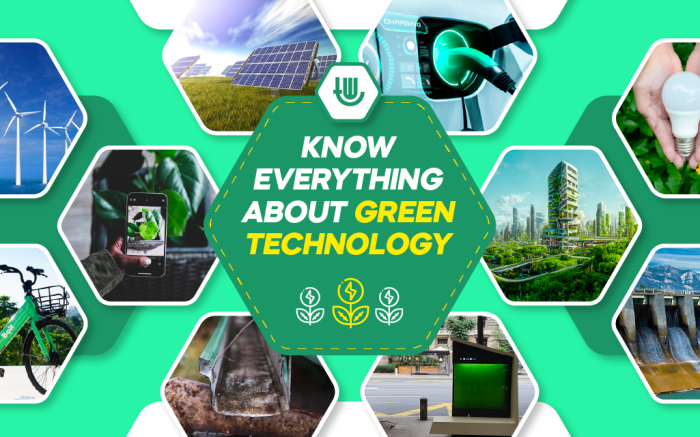
In conclusion, the greening of technology is a multifaceted endeavor that demands a holistic approach. It’s not just about adopting new technologies, but about rethinking our entire relationship with technology. By embracing sustainable materials, optimizing energy consumption, and fostering responsible user behavior, we can create a future where technology serves humanity and the planet. This transformation requires collaboration among researchers, engineers, policymakers, and consumers to create a truly sustainable technological ecosystem.