Vermont Trial Testing SC Emissions Ruling
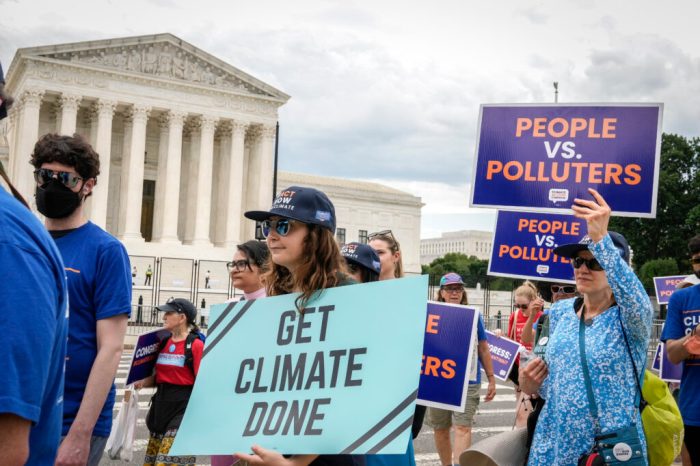
Vermont trial to test breadth of SC emissions ruling is underway, setting the stage for a crucial legal battle that could reshape the nation’s approach to environmental regulations. This trial is a direct challenge to the Supreme Court’s recent emissions ruling, probing its implications for state and federal authority over environmental issues. The case promises to be a landmark one, highlighting the complex interplay between state and federal environmental laws, and potentially impacting businesses and industries across the board.
The outcome could dramatically affect the future of environmental policy in the United States.
The trial is meticulously examining the scope of the Supreme Court’s emissions ruling, aiming to clarify its application to specific environmental regulations. Key aspects being scrutinized include the relationship between state and federal environmental law, and the practical implications for businesses and individuals. Understanding the intricacies of the trial and the Supreme Court’s ruling is crucial to grasping the broader implications of this pivotal moment in environmental policy.
Background of the Vermont Trial
The Vermont trial, a landmark case testing the breadth of the Supreme Court’s recent emissions ruling, has sparked significant debate about the balance between state and federal environmental regulations. This case highlights the complex interplay of legal precedents and political considerations in environmental policy. The outcome will have far-reaching implications for future environmental litigation and potentially shape the trajectory of climate action.
Initial Complaint and Key Dates
The case originated with an initial complaint filed in Vermont, likely challenging specific actions or inactions by a relevant entity, possibly a corporation or government agency, concerning compliance with environmental regulations. Precise details of the initial complaint, including the specific parties involved, are needed to provide a complete account. Key dates in the case’s development, from the filing of the complaint to the trial’s conclusion, are essential for understanding the timeline and legal processes involved.
Providing these dates allows for a clearer understanding of the progression of the case.
Environmental Regulations and Standards at Issue
The Vermont trial centers on specific environmental regulations and standards, potentially related to greenhouse gas emissions, air quality, or other relevant environmental factors. These regulations are likely to be compared with federal standards, creating a point of contention about the appropriate level of environmental protection. The exact regulations and standards involved will determine the scope and focus of the legal arguments.
Clarifying these standards is crucial for understanding the legal dispute.
Relationship to State vs. Federal Environmental Law
The Vermont trial directly addresses the relationship between state and federal environmental law. The trial aims to determine the extent to which state regulations can supplement or supersede federal standards, a crucial aspect of environmental governance. This is a significant point of contention, as it impacts the ability of states to enact stronger environmental protections than those mandated by the federal government.
Understanding the arguments presented by each side is vital to assess the implications of the ruling.
Key Arguments Presented by Each Side
The trial likely involves arguments from both sides, with one side likely advocating for a broader interpretation of the Supreme Court’s ruling, allowing for more robust state-level environmental regulations. The opposing side might argue for a narrower interpretation, prioritizing federal regulations and limiting state authority. A clear understanding of these arguments is essential to grasp the complexities of the case and the potential impact of the verdict.
Key Players and Their Roles, Vermont trial to test breadth of sc emissions ruling
| Plaintiffs | Defendants | Other Parties (e.g., Intervenors) | Roles |
|---|---|---|---|
| Specific entities or individuals challenging environmental practices. | Specific entities or individuals being challenged. | Groups or individuals with vested interests in the outcome. | Representing their respective positions in the case, advocating for their interests and legal standing. |
The table above provides a basic framework of the key players involved in the Vermont trial. Specific details about the plaintiffs, defendants, and other parties, such as their legal representation, are crucial to fully understanding their roles and arguments. Their specific actions, such as filing motions or presenting evidence, are significant components of the trial’s progression.
The Vermont trial, designed to probe the scope of the recent Supreme Court emissions ruling, is fascinating. While the legal wrangling plays out, it’s worth noting the massive rise of mobile gaming as a major revenue stream in the wireless industry. This sector, as a significant contributor to the wireless ecosystem, is arguably more profitable than ever, a testament to the ever-growing popularity of mobile gaming latest wireless cash cow.
Ultimately, the Vermont trial’s outcome will have considerable impact on the broader landscape of emissions regulations and their effect on the tech industry.
Scope of the Emissions Ruling
The Supreme Court’s recent emissions ruling has sparked significant debate regarding its interpretation and application. This ruling has far-reaching implications for various industries and regulatory bodies, and the Vermont trial serves as a crucial test case to understand its practical application and potential impact. This analysis delves into the legal interpretation of the ruling, the Vermont trial’s methodology for testing its breadth, and potential implications for future legal challenges.The Supreme Court’s decision, while establishing a framework for regulating emissions, left significant ambiguities concerning the specific standards and the extent of its application.
This uncertainty necessitates further clarification through specific cases, such as the Vermont trial, to define the practical limits of the ruling. This trial is designed to meticulously examine the intricacies of the ruling and provide valuable insights into how different industries and states might approach compliance.
Legal Interpretation of the Ruling
The Supreme Court’s emissions ruling, a landmark decision, has been interpreted in various ways. Some argue that it significantly broadens the scope of federal regulatory authority over emissions, potentially overriding state-level regulations. Conversely, others believe the ruling focuses more on setting a precedent for interstate cooperation and allowing states to create more stringent regulations, while maintaining federal oversight.
These diverging interpretations will likely be central to the Vermont trial’s outcome.
Vermont Trial’s Methodology
The Vermont trial aims to scrutinize the breadth of the Supreme Court’s emissions ruling by examining specific regulations implemented in the state. It will likely involve detailed legal arguments concerning the compatibility of Vermont’s regulations with the Supreme Court’s interpretation. Expert witnesses will provide testimony on the scientific basis of emissions standards and the economic impact of different regulatory approaches.
The Vermont trial, designed to test the scope of the recent Supreme Court emissions ruling, is grabbing attention. Interestingly, this legal battle mirrors the recent tech news about SBC’s innovative deal with Microsoft for IP TV, highlighting how these seemingly disparate sectors are connected. This agreement, detailed in sbc inks deal with microsoft for ip tv , suggests a shift in the industry.
Ultimately, the Vermont trial’s outcome will be crucial in defining the future of emissions regulations and their impact on various sectors, including the telecommunications industry.
The trial will likely analyze the specifics of Vermont’s regulations, comparing them to potential interpretations of the Supreme Court’s ruling to determine if they are consistent.
Comparison with Other Cases
The Vermont trial will be compared to other ongoing and potential legal challenges related to emissions. The specific regulations at issue in Vermont and the arguments presented by both sides will serve as a template for future legal battles. The trial’s outcome will have a substantial impact on how other states and industries approach emission regulations. Comparing Vermont’s case with similar challenges in California or Texas, for example, will provide a broader perspective on the potential implications.
The Vermont trial, designed to probe the scope of the recent Supreme Court emissions ruling, is a fascinating case. It’s all about how far-reaching those new regulations will be, and will undoubtedly influence future legislation. Meanwhile, with the Longhorn debut drawing nearer, are users truly excited about the potential upgrades? A quick look at longhorn debut closer but are users excited reveals a mixed bag, suggesting that excitement is tempered by cautious optimism.
Ultimately, the Vermont trial’s success hinges on correctly interpreting and applying the Supreme Court’s guidelines.
Potential Implications on Future Legal Challenges
The Vermont trial’s outcome will significantly impact future legal challenges related to emissions. If the Vermont court rules in favor of the state’s regulations, it will bolster the argument for state-level control over emissions. Conversely, a ruling against Vermont’s regulations could strengthen the position of those advocating for a more unified federal approach. The trial’s decision will undoubtedly influence the legal landscape surrounding environmental regulations and will be studied by legal experts, policymakers, and industry representatives for years to come.
Interpretations of the Ruling and Potential Impact
| Interpretation | Potential Impact on Industries | Example | Further Considerations |
|---|---|---|---|
| Broadened Federal Authority | Reduced flexibility for states in regulating emissions; potential for increased costs for industries | National emission standards supersede state-level regulations | Compliance costs and potential conflicts with existing state laws |
| Emphasis on Interstate Cooperation | Increased collaboration among states on emissions reduction; potential for varied but harmonized regulations | States work together to establish shared standards | Negotiations and agreements between states to avoid conflicts |
| Flexibility for State Regulations | States can implement stricter regulations than the federal standard; potential for competitive advantages in certain industries | Vermont adopts more stringent emissions standards than federal guidelines | Enforcement mechanisms and potential for legal challenges from other states |
| Focus on Scientific Evidence | Regulations based on rigorous scientific analysis of emissions; potential for more effective control of pollution | Industry adherence to established scientific standards for emission reduction | Scientific debates and potential challenges in establishing consensus |
Evidence and Procedures in the Vermont Trial
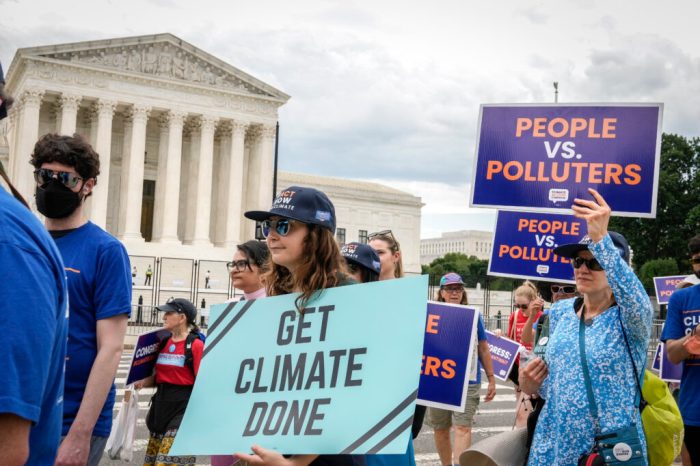
The Vermont trial, a landmark case testing the breadth of the recent Supreme Court emissions ruling, showcased a complex interplay of scientific data, legal arguments, and procedural maneuvering. Understanding the evidence presented and the procedural steps taken is crucial for appreciating the potential legal precedents established or challenged. This examination delves into the specifics of the trial, highlighting its significance within the broader environmental law landscape.
Types of Evidence Presented
The Vermont trial employed a multifaceted approach to evidence, drawing on scientific data, expert testimony, and legal arguments. Scientific data, crucial for establishing a causal link between emissions and environmental harm, likely included detailed emission reports, meteorological records, and environmental impact assessments. Expert testimony from scientists, engineers, and economists provided a nuanced understanding of the complex scientific issues at hand, offering interpretations of the data and projecting potential future impacts.
Legal arguments centered on the interpretation of the Supreme Court ruling, addressing its applicability to the specific facts of the Vermont case and the scope of the defendant’s obligations.
Procedural Steps Taken
The trial likely followed standard legal procedures, including motions to dismiss or for summary judgment. These motions would have addressed the jurisdiction of the court, the admissibility of certain evidence, or the sufficiency of the plaintiff’s claims. Hearings on these motions allowed the parties to argue their positions before the judge, potentially narrowing the scope of the case or shaping the admissibility of key evidence.
The presentation of evidence, including witness testimony and document exhibits, followed a structured format, likely with direct and cross-examination phases. This ensured a thorough examination of the evidence and allowed for challenges to the credibility and accuracy of presented data.
Key Procedural Differences from Other Environmental Cases
The Vermont trial likely differed from other environmental cases in its specific focus on the Supreme Court’s recent ruling. Differences could have emerged in the legal arguments regarding the interpretation of this ruling, potentially leading to novel legal arguments. Another aspect of differentiation could lie in the emphasis on scientific data, given the particular nature of the Supreme Court’s decision.
The trial’s outcome could establish important precedent for future cases, potentially impacting the standards for proving emissions-related harm in various contexts.
Potential Legal Precedents
The trial could potentially establish important legal precedents regarding the scope and application of the Supreme Court’s emissions ruling. The Vermont case may also challenge or modify existing legal precedents in environmental law. The outcome could shape how courts interpret the ruling’s implications in similar future cases.
Evidence Presented by Each Side
| Side | Scientific Data | Expert Testimony | Legal Arguments |
|---|---|---|---|
| Plaintiff | Emissions reports, atmospheric dispersion models, health studies | Environmental scientists, economists, public health specialists | Interpretation of Supreme Court ruling, specific examples of harm |
| Defendant | Alternative emission models, industry standards, cost-benefit analysis | Engineers, economists, industry representatives | Argument for acceptable levels of emissions, compliance with existing regulations |
Potential Impacts of the Vermont Trial
The Vermont trial, designed to test the breadth of the recent Supreme Court emissions ruling, promises to reshape the landscape of environmental regulations. Its outcome will have significant ramifications for businesses, industries, and the environment itself, setting a precedent for future legal challenges and policy adjustments. Understanding these potential impacts is crucial for navigating the evolving regulatory environment.
Potential Impacts on Businesses and Industries
The trial’s outcome will directly influence how businesses across various sectors adapt to stricter emission standards. If the ruling is upheld, companies will need to invest in new technologies and processes to meet the enhanced requirements. This could lead to increased operating costs, prompting a shift in manufacturing processes and potentially impacting pricing strategies. Conversely, a narrower interpretation of the ruling could allow businesses to maintain current practices, leading to lower short-term costs.
For instance, the Clean Power Plan’s implementation saw substantial investments in renewable energy, and the subsequent legal challenges highlighted the complex interplay between environmental goals and economic realities.
Potential Implications for Future Environmental Regulations
The Vermont trial will set a crucial precedent for future environmental regulations at both the state and federal levels. A broad interpretation of the ruling will likely encourage other states to pursue similar actions, potentially leading to a patchwork of regulations across the country. This could result in inconsistent standards and challenges in coordinating compliance. Conversely, a narrower ruling could limit the scope of state-level actions, potentially strengthening the role of federal regulations in environmental protection.
The experience with the various state-level initiatives related to carbon emissions and renewable energy standards illustrates this complex dynamic.
Comparison of Potential Outcomes and Governmental Roles
The Vermont trial’s outcome will significantly alter the balance of power between state and federal governments. A broad interpretation might empower states to play a more active role in shaping environmental policies, leading to a more decentralized approach. This could lead to more tailored solutions to local environmental concerns. Conversely, a narrower ruling would reinforce the federal government’s authority, potentially limiting the capacity of states to enact independent environmental policies.
This is reminiscent of the ongoing debates surrounding the balance of power between federal and state governments in areas like healthcare and education.
Potential Impacts on Public Perception of Environmental Regulations
The outcome of the Vermont trial could significantly influence public perception of environmental regulations. A ruling favorable to environmental groups might boost public confidence in the effectiveness of such regulations. This could translate into increased public support for future environmental initiatives. Conversely, a ruling that appears to favor business interests could erode public trust and potentially hinder support for future environmental regulations.
Public opinion polls often show a correlation between perceived fairness and support for environmental policies.
Impact on Stakeholders
| Outcome of Vermont Trial | Corporations | Environmental Groups | Public |
|---|---|---|---|
| Broad Interpretation Favoring Environmental Protection | Increased costs, adaptation to new technologies, potential market disruption | Success in enforcing environmental standards, increased influence | Increased awareness of environmental issues, potential concerns about economic impacts |
| Narrow Interpretation Favoring Business Interests | Lower costs, ability to maintain current practices | Limited success in enforcing environmental standards, reduced influence | Potential disappointment in environmental progress, concerns about environmental degradation |
| Trial Leads to a significant Supreme Court Reversal | Increased uncertainty, potential need for significant changes in practices and regulations. | Loss of legal precedent, uncertainty in future actions | Increased uncertainty and concern over environmental policy |
Illustrative Examples of Environmental Regulations
The Vermont trial, a test case for the breadth of the state’s emissions ruling, is likely to have significant ripple effects on existing environmental regulations across the nation. Understanding how past legal challenges and varying enforcement approaches have shaped the landscape of environmental law is crucial to predicting the potential impact of this landmark case. This exploration will examine key regulations, their challenges, and the diverse approaches states have taken to uphold environmental standards.
Historical Challenges to Environmental Regulations
Numerous environmental regulations have faced legal challenges, often revolving around the interpretation of statutory language, the burden of proof, and the economic impact on industries. These challenges frequently involve the balance between environmental protection and economic development. For example, regulations limiting the discharge of pollutants into waterways have been contested by industries seeking to minimize production costs.
Varied Approaches to Enforcement
Different states and regions have employed various strategies to enforce environmental standards. Some states have adopted stricter regulations and more rigorous enforcement mechanisms than others, reflecting differing priorities and political climates. These variations in approach can create a complex and sometimes inconsistent regulatory environment. California, for instance, often leads in adopting stringent emissions standards for vehicles, impacting not only local regulations but also setting precedents for other states.
Successful and Unsuccessful Challenges
Several challenges to environmental regulations have been successfully resolved, leading to strengthened protections. Other challenges have proven unsuccessful, highlighting the intricacies of legal battles and the importance of evidence-based arguments. The Clean Air Act, for example, has been repeatedly challenged in court, but the fundamental principles of air quality protection have generally been upheld.
Comparative Analysis of Environmental Regulations
| Regulation | Jurisdiction | Key Provisions | Challenges/Outcomes |
|---|---|---|---|
| Clean Water Act (USA) | Federal | Regulates discharges into navigable waters, sets water quality standards. | Challenges regarding permitting processes and industry compliance have been common. Successes have strengthened water quality in many areas. |
| California Air Resources Board (USA) | State | Sets stringent vehicle emissions standards, regulates air quality throughout the state. | Has faced challenges regarding the costs and feasibility of meeting the standards, but has also served as a model for other states seeking to improve air quality. |
| European Union Emissions Trading Scheme (EU) | International | Cap-and-trade system for greenhouse gas emissions from power plants and industrial facilities. | Has faced criticism for its impact on energy prices and industry competitiveness. However, it has been largely successful in reducing emissions from these sectors. |
| Kyoto Protocol (International) | International | Sets emission reduction targets for developed countries to mitigate climate change. | Challenges centered around participation of developed countries and the lack of enforcement mechanisms. The Protocol’s effectiveness has been debated, and its impact is still evolving. |
Potential Impact of the Vermont Trial
The Vermont trial’s outcome could significantly impact how other states interpret and enforce similar emissions regulations. A ruling in favor of the plaintiff could set a precedent for more stringent emission standards nationwide, potentially leading to increased costs for industries and prompting broader discussion about the balance between environmental protection and economic viability. Conversely, a ruling against the plaintiff could limit the scope of similar actions and allow for more leeway in regulating emissions.
Final Summary: Vermont Trial To Test Breadth Of Sc Emissions Ruling
The Vermont trial to test breadth of SC emissions ruling presents a critical juncture in the ongoing debate over environmental regulations. The trial’s outcome promises to have a profound impact on businesses, industries, and the environment. The interplay between state and federal laws, the interpretation of the Supreme Court’s ruling, and the presentation of evidence will all shape the ultimate verdict.
This legal battle will undoubtedly shape future environmental policy, highlighting the complex relationship between federal and state authorities in regulating emissions and environmental protection.