Web Visionary Andreessen Pits Ning Against MySpace
Web visionary Andreessen pits Ning against MySpace, a fascinating look at the rise and fall of social networking platforms. This exploration delves into the strategic choices made by Andreessen Horowitz in backing Ning, contrasting it with the trajectory of MySpace. We’ll analyze the features, user experiences, and business models of both platforms, examining the factors that led to one’s success and the other’s demise.
It’s a story of innovation, competition, and the ever-evolving landscape of the internet.
Andreessen Horowitz, a prominent venture capital firm, recognized the potential in Ning’s customizable platform. MySpace, with its massive user base, initially dominated the scene. This analysis examines the key differences in their approaches, highlighting the technical and strategic decisions that shaped their destinies. We will see how Ning attempted to cater to a more engaged and community-driven user base, in contrast to MySpace’s broader appeal.
This contrasts with MySpace’s focus on a more general audience.
Introduction to the Context
Andreessen Horowitz (a16z) has been a prominent force in the web development landscape, significantly impacting the tech industry’s evolution. Founded by Marc Andreessen, a key figure in the early days of the internet, a16z quickly gained recognition for its early investments in groundbreaking web technologies and companies. Their involvement spans various sectors, from social media to e-commerce, reflecting a deep understanding of emerging trends and a keen eye for innovation.The rise and fall of MySpace serves as a crucial case study in the rapid evolution of social networking.
Initially a massive phenomenon, MySpace experienced meteoric growth, capturing the attention of millions of users. However, its inability to adapt to evolving user preferences and technological advancements led to a sharp decline in popularity. This highlights the importance of continuous innovation and adaptation in the digital sphere. The platform’s success was inextricably linked to its ability to provide a new and engaging social experience.
Its failure demonstrated the ephemeral nature of internet trends and the need for platforms to constantly evolve.
Ning’s Emergence as a Competitor
Ning’s arrival on the scene as a social networking platform coincided with MySpace’s waning influence. Ning aimed to provide a more customizable and flexible platform for users and communities. This was a crucial difference from MySpace’s more centralized structure. Ning’s appeal lay in its open-source approach and the ability for users to create and manage their own communities.
This offered a significant advantage over MySpace’s more rigid framework.
Core Principles Behind the Platforms
MySpace’s success stemmed from its initial ability to revolutionize social interactions online. It was a pioneering platform that brought a new dimension to social connections, but it struggled to maintain that momentum in the face of changing user expectations. Its core principle was to provide a centralized hub for social interaction, although its rigid design proved a significant impediment to its long-term sustainability.Ning, in contrast, prioritized community creation and customization.
Its core principles revolved around empowering users to establish their own online spaces and control the design and features of those spaces. This approach aimed to provide a platform that resonated with diverse community needs, recognizing the unique characteristics of each group. Its decentralized structure offered a dynamic and adaptable alternative to MySpace’s monolithic approach. This adaptability and community-centric approach are key factors in Ning’s design.
Different Approaches to Social Networking
| Feature | MySpace | Ning |
|---|---|---|
| Structure | Centralized, monolithic platform | Decentralized, customizable platform |
| User Control | Limited user control over platform features | High degree of user control over community design |
| Community Focus | Broad appeal, general-purpose platform | Niche communities, tailored experiences |
| Innovation | Initially innovative but lacked sustained evolution | Focus on community-led innovation and adaptation |
The table above illustrates the contrasting approaches of MySpace and Ning. MySpace’s centralized structure, while initially effective, proved less adaptable to the dynamic needs of a rapidly changing online landscape. Ning’s decentralized model, on the other hand, allowed for greater customization and community-driven evolution. This highlights the critical distinction between a one-size-fits-all approach and a more flexible, adaptable structure.
Comparing Ning and MySpace

Ning and MySpace, both aiming to revolutionize online social networking, presented contrasting approaches. While MySpace’s initial viral success led to a dominant market position, Ning’s platform-building philosophy aimed for a more customizable and community-focused experience. Understanding their differences is key to appreciating the evolution of social networking and the challenges of sustaining a user base in a rapidly changing digital landscape.MySpace, initially, leveraged a strong marketing campaign and user-generated content to create a massive user base.
Ning, on the other hand, prioritized providing tools and resources for users to create their own unique social experiences. This contrast is reflected in their respective functionalities, features, business models, and marketing strategies.
Functional Capabilities
MySpace focused on a broad range of features, including profile customization, music sharing, and friend networking. Its ease of use and visually engaging interface attracted a wide user base, especially early adopters. However, its extensive feature set also led to a complex and often overwhelming user experience. Ning, in contrast, offered a more streamlined approach with customizable platforms for specific needs.
Users could create niche communities based on shared interests, fostering a sense of belonging and engagement tailored to specific groups.
Andreessen’s pitting Ning against MySpace was a fascinating glimpse into early web strategy. Today, with online fraud becoming increasingly sophisticated, firms are taking a similar, collaborative approach to combating online threats like phishing. This collaborative effort, like Andreessen’s visionary approach to social networking, highlights the importance of collective action in the ever-evolving digital landscape, reminding us that even the most innovative web strategies need to adapt to the current threats.
Firms come together to fight phishing attacks show how important this is, reflecting the need for ongoing vigilance in the digital world. Ultimately, Andreessen’s gamble on Ning was a reflection of that need for adaptability.
Feature Set Comparison
MySpace provided extensive profile customization options, allowing users to express themselves through diverse aesthetics. It also offered a robust music sharing feature, a cornerstone of its initial appeal. However, this feature, while popular, wasn’t always managed effectively, potentially leading to issues with content moderation and quality. Ning’s features emphasized customization and community building. Users could choose from a variety of features, tailoring the platform to their specific needs and creating unique community structures.
Andreessen’s battle between Ning and MySpace was a fascinating glimpse into the early days of social networking. It’s a bit like the film studios’ recent vote for HD DVD, a fascinating contrast in tech choices that ultimately shaped the future of their respective industries. While Andreessen’s vision for social networking certainly had its ups and downs, the decision to support HD DVD, as seen in film studios cast vote for hd dvd , shows how industry-wide choices can dramatically influence the consumer experience.
Ultimately, both highlight how important it is to get the tech right, and Andreessen’s early work in the space is still relevant today.
Business Models
MySpace’s initial business model was primarily advertising-driven, capitalizing on its massive user base. As the platform evolved, other revenue streams emerged, such as merchandise sales and partnerships. Ning, in contrast, focused on a subscription-based model, offering different tiers of service to cater to varying community needs. This allowed Ning to generate revenue directly from the platform usage, enabling more control over the user experience.
Marketing Strategies
MySpace employed a marketing strategy emphasizing virality and user-generated content, creating a sense of community and shared experience. Its focus on music and entertainment proved effective in attracting a young audience. Ning, on the other hand, adopted a more targeted approach, promoting its platform as a tool for creating niche communities. This strategy was aimed at specific user groups with particular interests, promoting a more focused and tailored community experience.
Key Differentiators
MySpace’s strength lay in its broad appeal and virality, attracting a massive user base quickly. However, its lack of control over community moderation and its increasingly complex interface ultimately contributed to its decline. Ning’s strength was its flexibility and customization options, allowing users to create unique and niche communities. Its subscription model offered more control over the user experience and revenue generation.
This contrasts with MySpace’s broader, less controlled approach.
Andreessen Horowitz’s Perspective
Andreessen Horowitz (a16z) was a prominent venture capital firm at the time, known for its early and significant investments in the tech industry. Their involvement in Ning, a social networking platform, stands in stark contrast to their approach with MySpace. Understanding a16z’s investment rationale requires examining the evolving tech landscape of the early 2000s and the specific characteristics of each platform.a16z’s investment strategy often involved identifying companies with innovative solutions to evolving social and technological trends.
They looked for startups with strong potential for rapid growth and a clear market need. The choice to invest in Ning, rather than simply doubling down on MySpace, likely reflected a more nuanced understanding of the digital landscape and the distinct value propositions of each platform.
Investment Strategy in Ning
a16z’s investment in Ning likely centered on Ning’s unique approach to social networking. Unlike MySpace, which was initially a more generalized platform, Ning focused on creating customizable social spaces. This modularity allowed for tailored experiences for specific communities, which resonated with the emerging trend of niche online communities. This customization capability also provided greater flexibility for different types of users, ranging from individuals to organizations, and facilitated a more targeted approach to social interaction.
Rationale Behind Backing Ning
Several factors likely contributed to a16z’s preference for Ning over MySpace. The firm likely recognized that MySpace, while popular, was facing challenges related to moderation and user experience. Its broad appeal, while successful in attracting a massive user base, also created a more chaotic environment, making it difficult to cater to specific user groups. Conversely, Ning’s customizable nature, allowing groups to create their own rules and structures, seemed better positioned to cater to a broader array of user needs and potentially address some of the issues that MySpace faced.
This focus on community-driven customization aligned with a growing understanding that social networking wasn’t a one-size-fits-all proposition.
Influence of Market Trends
The rise of niche social communities was a key market trend that influenced a16z’s decision. The early 2000s saw a growing desire for specialized online spaces, allowing individuals to connect with like-minded people. Ning, with its customizable features, appeared to be a better fit for this evolving landscape. This was in contrast to MySpace, which, while popular, struggled to maintain a sense of community in its vast and sometimes overwhelming user base.
a16z’s investment decision seems to reflect an awareness of this shift towards more specific and targeted online communities, a trend that continues to shape the social networking landscape today.
Andreessen’s visionary clash between Ning and MySpace, while fascinating, feels a bit dated now. Thankfully, Google is still innovating in the tech world, targeting developers with a powerful code search tool. This new tool, google targets developers with code search tool , might be the modern equivalent of Andreessen’s earlier web visionary pursuits, showing how crucial developer tools are in shaping the future of the internet.
It’s interesting to think how far we’ve come since that initial Ning-MySpace battle, isn’t it?
Examples in Relation to Broader Tech Landscape
a16z’s investment in Ning reflects a broader trend of investors seeking opportunities in emerging sectors. The rise of user-generated content and the creation of niche online spaces were shaping the broader tech landscape. Ning’s platform allowed users to build their own communities, a concept that anticipated future developments in online communities and social media platforms. This approach of supporting startups that catered to niche markets was a significant part of the broader investment strategy, and a testament to a16z’s understanding of the evolving tech landscape.
User Experience Analysis
The user experience was a critical differentiator between Ning and MySpace, impacting their respective success and longevity. Understanding how each platform designed its interface and fostered community engagement is essential to appreciating the evolution of social networking. The differing approaches to user experience ultimately influenced user retention and the overall success of each platform.The core difference in user experience lay in the degree of control and customization each platform offered.
MySpace, while initially popular for its visual appeal, lacked the nuanced control that Ning provided for community builders. This fundamental difference in user experience played a significant role in shaping the trajectory of each platform.
MySpace’s User Experience
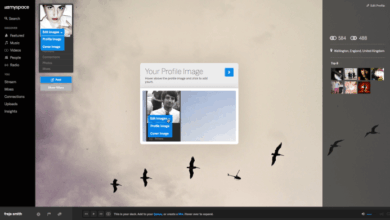
MySpace’s design, while innovative for its time, suffered from a lack of clear structure and intuitive navigation. The emphasis on visual presentation, particularly early on, often came at the expense of usability. Users were presented with a vast, overwhelming array of options, leading to a less-than-optimal experience.
- Visual Appeal: MySpace’s early design prioritized visual aesthetics, with elaborate profiles and a visually dynamic layout. This aspect initially attracted many users. However, this focus on presentation occasionally overshadowed usability, leading to a confusing user interface for some users.
- Limited Customization: While MySpace allowed for personalization, the options were often limited compared to Ning’s more granular controls. This lack of customization may have hindered the ability to cultivate a strong sense of community and user ownership.
- Community Building: MySpace relied heavily on user-generated content and friend networks. The platform facilitated connections through friend requests and the posting of personal information. However, the vastness of the platform could make community building feel less targeted or personal compared to Ning’s more focused approach.
Ning’s User Experience
Ning, designed as a platform for community creation, prioritized user control and customization. This approach aimed to empower users to build communities tailored to their specific needs and interests.
- Customization and Control: Ning empowered users to create communities with customized templates, forums, and other features. This level of control allowed users to curate the experience within their communities, leading to a more engaging and personalized experience. The ability to tailor the community’s aesthetic, features, and functionalities significantly increased user satisfaction and commitment.
- Focus on Community Building: Ning’s structure emphasized community building. This is evident in the tools and features provided to facilitate interaction and engagement among members. The platform encouraged active participation through diverse tools, from forums to groups to events.
- Usability and Navigation: Ning’s user interface was often considered more intuitive and user-friendly. This likely contributed to greater user engagement and retention. Clearer navigation and more straightforward controls are key aspects that influenced the overall user experience.
User Engagement and Retention
MySpace’s initial popularity stemmed from its unique and innovative features. However, its complex structure and lack of community control ultimately led to user dissatisfaction and high churn rates. Ning, in contrast, prioritized user control and community building, which contributed to a more engaging and lasting experience for users.
- MySpace’s Short Lifespan: MySpace’s popularity waned as users sought more personalized and controlled community spaces. The platform’s lack of features tailored to community creation contributed to user frustration and a relatively short lifespan.
- Ning’s Sustainable Growth: Ning’s focus on customization and control enabled a more tailored and engaging experience. This approach fostered a sense of ownership and community among users, leading to greater user engagement and retention. A more targeted experience also resulted in a more stable platform.
Platform Development Strategies
The contrasting fates of MySpace and Ning highlight crucial differences in platform development strategies. While MySpace initially dominated the social networking landscape with a broad appeal, its lack of a robust developer platform and adaptable architecture hindered its long-term growth. Ning, on the other hand, aimed to empower users with more granular control over their social experiences, focusing on flexibility and customization through its API.
Understanding these contrasting approaches reveals valuable insights into the evolution of social networking platforms.The success of a social networking platform hinges significantly on its ability to adapt to user needs and foster a thriving developer community. This dynamic interplay between platform design and user engagement drives innovation and growth. MySpace, while popular, ultimately struggled to maintain momentum due to a rigid structure that proved difficult to extend and customize.
Ning, in contrast, prioritized flexibility and a powerful developer platform, enabling its users to tailor the platform to their specific requirements. This difference in architectural approach profoundly impacted each platform’s trajectory.
Ning’s Platform Technical Aspects
Ning’s platform was built upon a modular architecture that facilitated significant customization. Its API allowed developers to integrate third-party applications and tools seamlessly. This extensibility was a key feature, enabling users to create tailored social experiences and fostering a rich ecosystem of applications. The platform’s open nature attracted developers, creating a virtuous cycle of innovation and growth.
This contrasts sharply with the closed architecture of MySpace, which limited third-party integration and innovation.
MySpace’s Platform Development Approach
MySpace’s development approach focused on rapid expansion and broad appeal. It lacked the emphasis on a robust developer platform, resulting in a less flexible and adaptable architecture. This hindered the platform’s ability to cater to diverse user needs and prevent a diverse array of applications from being developed. The platform was essentially a monolithic entity, making it challenging to modify or extend.
The limited openness to third-party integration contributed to a lack of innovation and a stagnant user experience over time.
Architectural Choices
Ning’s architecture prioritized modularity and extensibility. This allowed for independent development and customization of various platform components, encouraging a vibrant developer ecosystem. In contrast, MySpace’s architecture favored a centralized, monolithic approach, which, while initially successful in achieving rapid growth, ultimately proved inflexible and hindered the development of specialized applications.
Evolution of Social Networking Platform Development
The evolution of social networking platform development demonstrates a progression from monolithic, centralized structures towards modular and open architectures. The success of platforms like Ning reflects the importance of developer platforms and a focus on extensibility and customization. This shift reflects a growing understanding that empowering developers leads to more innovative and adaptable platforms that meet evolving user needs.
The early success of MySpace, while a testament to its broad appeal, ultimately highlights the long-term limitations of a closed and inflexible approach. Contemporary platforms, including Facebook and Twitter, often incorporate elements of both approaches, balancing broad appeal with the ability to accommodate developer contributions and customization.
Impact on the Social Networking Landscape

Ning and MySpace, while distinct in their approach, profoundly shaped the social networking landscape. Their contrasting fates highlight the importance of user experience, platform development strategies, and community engagement in the success of such ventures. Ning’s open platform approach and MySpace’s initial popularity, despite its later struggles, left a lasting imprint on how social networking platforms are conceived and implemented.The existence of Ning, with its emphasis on customization and community building, provided a valuable alternative to the more centralized and often less flexible models that preceded it.
This demonstrated a growing demand for platforms that allowed users to craft their own social spaces, tailored to specific interests and needs. This customization aspect, a core element of Ning’s appeal, influenced the design and functionality of subsequent social networking sites.
Ning’s Influence on Subsequent Platforms, Web visionary andreessen pits ning against myspace
Ning’s open API and customizable features encouraged a wider range of community building. Its influence can be seen in the rise of more user-friendly and adaptable platforms that allowed users to personalize their online experiences. This included features that enabled communities to design their own interfaces, fostering a sense of ownership and engagement that proved influential in the development of subsequent social networking applications.
Developers could build applications for specific needs, creating a vibrant ecosystem around the platform.
MySpace’s Legacy and Lessons Learned
MySpace’s initial dominance, coupled with its subsequent decline, underscored the significance of adapting to evolving user needs and technological advancements. Its early success highlighted the potential of social networking, while its struggles illustrated the pitfalls of neglecting user experience, content moderation, and community management. MySpace’s missteps in these areas provided crucial lessons for future platforms, emphasizing the need for consistent improvement and a clear understanding of evolving user expectations.
Lessons from the Rise and Fall of Ning and MySpace
The stories of Ning and MySpace reveal valuable lessons about social networking platform development. Ning’s open platform model and MySpace’s early popularity, despite its struggles, both demonstrated the importance of user experience and community engagement. The eventual decline of MySpace serves as a stark reminder that a platform’s success hinges on its ability to adapt and evolve in a rapidly changing technological environment.
The emphasis on user experience, including a clear understanding of user needs, was central to Ning’s success and, in turn, became a key element for platforms to follow.
Influence on Future Social Networking Platforms
The impact of Ning and MySpace continues to resonate in the design and function of modern social networking platforms. The need for flexibility, customization, and a focus on the user experience, demonstrated by Ning’s model, has become a key consideration in the development of modern platforms. Furthermore, the lessons learned from MySpace’s struggles highlight the importance of constant adaptation and a deep understanding of user behavior.
This emphasis on user experience and community engagement, seen in both platforms, is a key factor driving the evolution of social networking platforms.
Visualizing the Competition: Web Visionary Andreessen Pits Ning Against Myspace
The rise and fall of social networking platforms is a fascinating study in innovation and market dynamics. Ning and MySpace, both aiming for user-generated content communities, offer a compelling case study. Understanding their features, evolution, and investor strategies is crucial for appreciating the context of their competition. Comparing their strengths and weaknesses provides a clearer picture of the forces shaping the social networking landscape.
Comparing Key Features
The contrasting features of Ning and MySpace reveal different approaches to social networking. Ning emphasized customization and community control, while MySpace focused on a broader user base. This fundamental difference in design philosophy directly impacted their user experiences and growth trajectories.
| Feature | Ning | MySpace |
|---|---|---|
| User-created content | High | Medium |
| Customization options | High | Low |
| Community focus | Strong | Weak |
| Platform tools | Robust | Limited |
Evolution of Social Networking Platforms
The social networking landscape has undergone significant transformations over time. The emergence of platforms like Facebook and Twitter dramatically altered the user experience and the way people interact online.
| Platform | Year | Key Features |
|---|---|---|
| MySpace | 2003 | Basic profiles, friend lists |
| Ning | 2004 | Customizable templates, advanced features |
| 2004 | Newsfeed, user profiles |
Key Investors and Investment Strategies
Understanding the investment strategies of key players offers insight into the perceived value and potential of these platforms. Early-stage investments often play a critical role in shaping the direction and trajectory of a company.
| Investor | Platform | Investment Strategy |
|---|---|---|
| Andreessen Horowitz | Ning | Early-stage investment |
| Specific Venture Capital Firm (Example) | MySpace | Growth-stage investment, focused on acquiring users |
| Other Venture Capital Firms (Example) | Seed round investment, aiming for significant market share |
Illustrative Case Studies
The contrasting fates of Ning and MySpace offer valuable insights into the dynamics of online community platforms. Understanding the success and failures of specific communities built on these platforms illuminates crucial factors impacting platform longevity and user engagement. Examining both successful and unsuccessful communities provides a clearer picture of the factors that drive user interaction and platform growth.
Successful Ning Community Example: The Educators’ Network
The Educators’ Network, a Ning community, thrived due to its specific focus and active moderation. Its members were highly motivated educators sharing best practices, lesson plans, and resources. The platform’s design facilitated targeted discussion forums and allowed for the creation of dedicated spaces for different subjects and grade levels. This tailored approach fostered a sense of community and belonging.
Active moderators ensured a positive and productive environment, addressing issues promptly and fostering constructive dialogue. The platform’s success was further amplified by the availability of tools for organizing events, collaborative projects, and the exchange of relevant materials.
Failed MySpace Community Example: The Fan Club for a Disbanded Band
A MySpace community dedicated to a defunct band illustrates a common pitfall. Lack of consistent content and moderator involvement led to a rapid decline in user activity. The band’s dissolution meant a lack of new music or tour announcements, significantly diminishing the incentive for fans to remain active. A failure to actively curate and engage the community contributed to the community’s demise.
With the absence of new content and the decline in user interaction, the space became a ghost town. The lack of a dynamic platform, a lack of engagement and, in this case, a lack of sustained content generation, were all critical factors in the community’s failure.
Reasons for Different Outcomes
The disparities in the success of these communities stem from several key differences. The Educators’ Network benefited from a focused niche, active moderation, and a design that facilitated targeted communication and collaborative efforts. In contrast, the MySpace fan club lacked a sustained content source, and a lack of community engagement contributed to its failure. User engagement, the quality of the platform, and the ability to maintain a relevant and engaging content stream were crucial factors in the communities’ fates.
Impact of User Engagement on Platform Success
User engagement is intrinsically linked to platform success. Platforms with high levels of user engagement often see sustained growth and increased user satisfaction. The Educators’ Network’s sustained activity was a direct result of its user-centric design, facilitating interactions and collaborations that sustained engagement. Conversely, the lack of user engagement in the MySpace fan club contributed to its decline.
Active moderation, high-quality content, and a platform design that fostered interaction are all vital for sustained user engagement and platform success. Ultimately, a successful online community is built on a solid foundation of active participation and ongoing interaction between users.
Final Conclusion
Ultimately, the story of Ning and MySpace serves as a valuable case study in the ever-changing digital landscape. Andreessen Horowitz’s investment in Ning, while not resulting in the same widespread success as Facebook, showcased a different approach to social networking. MySpace’s initial success was short-lived, demonstrating the need for continuous innovation and adaptation in the fast-paced world of online communities.
This analysis provides insight into the factors contributing to platform success and failure, offering valuable lessons for future entrepreneurs and investors.