Wii Takes Gamers to Opera A Fusion
Wii takes gamers to opera, exploring the unexpected intersection of interactive gaming and the classical art form during the Wii’s era. This exploration delves into the historical context, analyzing how the Wii’s unique gameplay mechanics could translate opera’s abstract concepts into tangible experiences. We’ll also examine the potential for engagement, the cultural impact, and the technological limitations in achieving this fusion.
The Wii, with its innovative motion controls, presented a compelling opportunity to bridge the gap between two seemingly disparate worlds. This article investigates the possibilities, considering how the Wii’s design could have been leveraged to make opera more accessible and engaging to a wider audience, particularly gaming enthusiasts.
Historical Context of the Wii and Opera
The Wii, a revolutionary console in the gaming world, arrived in 2006, a time of significant change in the entertainment landscape. Simultaneously, the opera world grappled with its own evolving traditions and challenges. This period witnessed a fascinating intersection of interactive entertainment and classical music, influenced by technological advancements that impacted both mediums. Understanding this historical context provides valuable insight into the unique challenges and opportunities of bridging these seemingly disparate art forms.The cultural landscape of gaming and opera in the early 2000s was marked by distinct characteristics.
Gaming was becoming increasingly popular, with a growing market of dedicated players. Opera, while a significant cultural force, often faced challenges in attracting younger audiences. The Wii’s intuitive design aimed to bring gaming to a broader audience, a shift that mirrored the broader trend of making art more accessible.
The Wii, a gaming console that surprisingly brought opera to a wider audience, is a fascinating example of how entertainment can transcend genres. Imagine the possibilities of future gaming experiences if developers embraced new technologies like, say, the upcoming macrovision cd protection becoming compatible with Apple products. macrovision cd protection to be apple compatible It’s a reminder that even seemingly disparate fields can find common ground, just like the Wii’s innovative approach to bringing opera to gamers.
Timeline of the Wii and Opera
The Wii’s launch in 2006 coincided with the continued evolution of opera’s approach to attracting new audiences. Major opera houses were experimenting with new staging techniques, digital projections, and multimedia installations to enhance the experience. While opera performances often adhered to established traditions, innovative interpretations emerged, highlighting the continuous evolution of this art form.
Cultural Landscape Before the Wii
Before the Wii, gaming was primarily focused on complex, skill-based experiences, typically targeting a niche audience. Opera, despite its rich history, faced challenges in appealing to a wider audience, often perceived as elitist. The introduction of interactive entertainment challenged these perceptions, as gaming broke down barriers to entry and encouraged participation. Opera, conversely, was evolving its presentation techniques to meet the evolving cultural climate.
Interactive Entertainment and Classical Music
Interactive entertainment, with its ability to engage players on a personal level, has a long history. From ancient board games to modern video games, the concept of interactive entertainment has consistently captivated audiences. Classical music, rooted in centuries of tradition, has also faced periods of adaptation and evolution. The introduction of the Wii, in conjunction with opera’s ongoing adaptation, underscored the potential of blending these traditions to create innovative and engaging experiences.
Evolution of Technology
The evolution of technology has profoundly impacted both gaming and opera. The Wii’s motion controls and intuitive design, combined with the burgeoning capabilities of personal computers, created a new level of user interaction. Opera’s presentation was also influenced by technological advancements. Digital projections, multimedia installations, and innovative staging techniques offered new possibilities for artistic expression and audience engagement.
Comparison of Gaming and Opera Experiences
| Feature | Typical Gaming Experience (Pre-Wii) | Typical Opera Performance (Pre-Wii) |
|---|---|---|
| Accessibility | Often focused on a dedicated gaming community | Often perceived as an elitist art form |
| Interactivity | Limited interactivity, primarily based on buttons | Passive experience, focused on the performers and the story |
| Technology | Reliant on console technology, often with limitations | Relying on traditional performance methods, with limited digital incorporation |
| Target Audience | Targeted at a specific gaming demographic | Targeted at a specific audience with an appreciation for classical music |
Wii’s Unique Gameplay Mechanics and Opera: Wii Takes Gamers To Opera
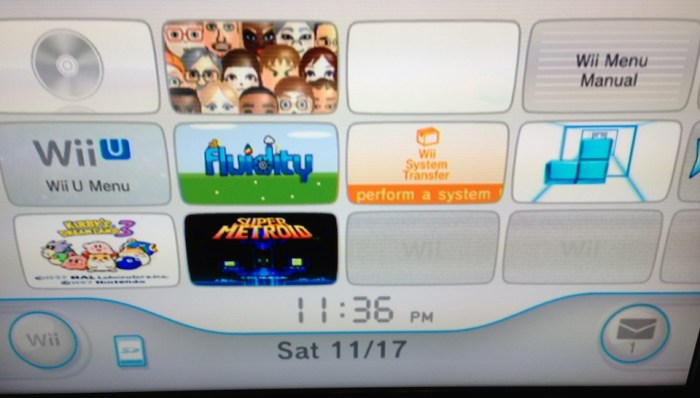
The Wii’s innovative motion controls, a radical departure from traditional gaming controllers, presented a unique opportunity to translate the abstract concepts of opera into tangible gameplay. This approach allowed for a more visceral and intuitive interaction with the art form, moving beyond the limitations of traditional interfaces. The potential to engage players in a dynamic and expressive way with opera’s emotional and dramatic elements was immense.The Wii’s design, emphasizing physical interaction and intuitive control, fostered a sense of immersion and participation that was previously unattainable in the world of opera gaming.
This physical engagement encouraged players to experience the emotional depth and narrative richness of opera in a way that resonated beyond the typical passive viewing experience.
Motion Controls for Opera Elements
Wii’s motion controls could effectively translate various opera elements into gameplay. Imagine swinging the Wii remote to represent the soaring crescendo of a musical phrase or tilting the remote to mimic the dramatic intensity of a character’s outburst. The physical act of manipulating the controller became an extension of the character’s emotions and actions.
Wii’s Impact on Opera Interaction
The Wii’s design fundamentally impacted the interaction with opera in several ways. The intuitive nature of the controls encouraged a more hands-on and less passive engagement with the musical and dramatic aspects of the opera. Players could actively participate in shaping the narrative and expressing emotions through physical actions. This participatory approach was a significant departure from traditional opera experiences.
The Wii’s innovative approach to gaming, bringing opera to a whole new audience, is fascinating. It’s a reminder that gaming can transcend traditional boundaries. Interestingly, Microsoft’s forward-thinking ideas about microsoft predicts the future of search suggest a similar desire to redefine user experience. Ultimately, both demonstrate how technology can unlock new ways for us to engage with the world, just like the Wii, which is truly a remarkable feat.
A Wii Opera Gameplay Scenario
Imagine a Wii game where players take on the role of a young composer trying to capture the essence of an opera. Players could use the Wii remote to conduct the orchestra, directing the tempo and intensity of the music. By tilting the remote, they could adjust the emotional expression of the singers on screen. The movements of the remote would correspond to the dynamic shifts in the opera’s narrative, allowing players to actively shape the story through their physical actions.
A successful performance would lead to a higher score, demonstrating the player’s understanding and expression of opera’s essence.
Translating Abstract Opera Concepts
The Wii’s potential to translate abstract opera concepts into tangible gameplay is considerable. Concepts like dramatic intensity, emotional expression, and musical dynamics could be translated into clear and intuitive actions using the Wii remote. This physical representation allowed players to feel the opera’s impact directly, rather than just observing it. Furthermore, the game could include mini-games that directly reflected the opera’s themes and plot, further immersing the player in the story.
Wii Controls for Opera Concepts
| Opera Concept | Wii Control Representation |
|---|---|
| Dramatic Intensity | Forceful swinging of the Wii remote, varied tilt angles |
| Emotional Expression | Varying the speed and direction of the remote’s movements, subtle tilting for nuances |
| Musical Dynamics | Rapid wrist movements for crescendo, slower movements for diminuendo, forceful grips for forte, gentle grips for piano |
| Character Actions | Mimicking gestures and movements through remote manipulations, such as pushing, pulling, or circling the remote |
| Narrative Progression | Specific sequences of motions to advance the plot, corresponding to plot points and events in the opera |
Potential for Interaction and Engagement
The Wii’s unique motion-sensing capabilities presented a compelling opportunity to revolutionize how people interact with opera. By leveraging its intuitive control scheme, developers could design engaging experiences that transcended traditional opera performances, appealing to a broader audience and fostering a deeper appreciation for this art form. This potential wasn’t limited to simple button-mashing; the Wii’s innovative approach allowed for physical embodiment of the music and story, creating a more immersive and interactive experience.The Wii’s success stemmed from its ability to translate complex movements into game actions, effectively connecting physical activity with virtual experiences.
This physical engagement proved highly effective in attracting and retaining players. Harnessing this principle in an opera setting could transform the perception of the art form, making it more accessible and engaging for a new generation of music lovers.
Non-Traditional Engagement Strategies
The Wii’s motion controls could be integrated into opera experiences in innovative ways. Imagine players “conducting” an orchestra by mimicking gestures, or “acting out” the characters’ emotions using body movements. Such interactive elements could transform passive spectators into active participants, fostering a sense of ownership and connection with the performance. This approach is distinct from the traditional opera experience, where audience members are primarily observers.
Innovative Aspects of Wii Design
The Wii’s emphasis on intuitive, motion-based controls offered a unique approach to interaction. This was unlike traditional game controllers, which primarily focused on button presses. This intuitive system, allowing players to directly influence the game with their movements, could be adapted to create compelling interactive opera experiences. The Wii’s success demonstrated the effectiveness of translating physical actions into game actions, paving the way for innovative applications in other artistic fields.
Comparison with Other Interactive Entertainment
The Wii’s interactive approach contrasted with traditional opera performances. While traditional opera often relies on visual and auditory stimulation, the Wii could add a physical dimension, making the experience more engaging and memorable. Other interactive entertainment forms, such as interactive music apps or dance games, demonstrate the potential for integrating movement and music. These examples illustrate how physical action can enhance the emotional impact of artistic experiences.
Examples of Successful Interactive Experiences
Numerous interactive experiences involving music and movement have demonstrated the power of physical engagement. Dance games, such as the Dance Dance Revolution series, and rhythm games like Guitar Hero, successfully utilize physical actions to enhance the musical experience. These experiences demonstrate that physical interaction can make music and rhythm more enjoyable, creating a participatory experience.
Making Opera More Accessible
The Wii’s potential for creating interactive opera experiences could make the art form more accessible to a wider audience. Traditional opera performances can be intimidating to newcomers, but the Wii’s interactive design could make opera more approachable and fun. By making the experience more hands-on, the Wii could engage a new generation of opera enthusiasts.
Engagement Strategies for Opera on Wii
| Engagement Strategy | Description | Potential Impact |
|---|---|---|
| Interactive Conducting | Players use motion controls to conduct the orchestra in real-time, influencing the music’s tempo and dynamics. | Increases player agency and engagement with the music. |
| Character Embodiment | Players mimic the emotions and actions of opera characters using body movements. | Creates a more immersive and emotional experience. |
| Interactive Storytelling | Players use motion controls to navigate through different scenes and influence the narrative of the opera. | Encourages player participation in the plot development. |
| Musical Instrument Mimicry | Players use motion controls to mimic musical instruments, creating a personalized musical experience. | Allows for a more personal and creative engagement with the music. |
Cultural Impact and Reception

The fusion of the Wii’s interactive gameplay with the refined aesthetic of opera presents a fascinating case study in cultural crossover. While the Wii’s popularity was undeniable, its reception within the traditionally more formal and often resistant opera world remains an open question. Will this unexpected pairing resonate with opera enthusiasts, or will it be met with skepticism?
This section explores the potential impact, both positive and negative, of this innovative approach.
Reception Among Opera Enthusiasts
Initial reception among opera enthusiasts was likely mixed. While some may have been intrigued by the novel approach of interactive participation, others might have viewed it as a superficial or inappropriate attempt to modernize a cherished art form. The inherent formality and historical significance of opera could have presented a significant hurdle to acceptance of a gaming approach.
Furthermore, the Wii’s often casual and family-oriented image could have clashed with the perception of opera as a more sophisticated and exclusive experience.
Societal Impact of the Unique Gaming Experience
The societal impact of this fusion is multifaceted. A successful integration of the Wii and opera could potentially broaden the audience for both opera and gaming. It might attract younger generations to opera, introducing them to classical music and performance art in a fresh and engaging way. Conversely, it could expose opera audiences to new forms of interactivity and creative expression.
The ultimate success would depend on the quality of the integration and the appeal to both communities.
Impact on Popular Culture
The Wii’s influence on popular culture is undeniable. Its unique gameplay mechanics redefined gaming experiences for a broad audience. Blending this with opera could potentially create a new subgenre of interactive entertainment, challenging traditional conceptions of both mediums. Such a fusion could spark wider interest in classical music and the arts among the general public, ultimately enriching cultural understanding.
Potential Criticism and Concerns
Potential criticisms would likely center around the perceived dilution of the artistic integrity of opera. Some might argue that the incorporation of gaming mechanics trivializes the seriousness and historical context of opera. Concerns regarding the authenticity and respect for the artistic tradition of opera would undoubtedly arise. Maintaining the inherent artistic quality of opera would be crucial to mitigate this concern.
Public Perception of Blending Opera with Interactive Gaming
Public perception would be crucial in determining the success of this venture. A positive response from a broad spectrum of the public, encompassing both opera enthusiasts and gaming enthusiasts, is essential. Successful marketing and promotion tailored to both groups would be paramount to fostering a positive public image of this innovative fusion. Ultimately, success would depend on a careful balancing act between artistic integrity and engaging interactivity.
Comparison of Public Reception
| Event | Potential Public Reception (Wii) | Potential Public Reception (Opera Performance) |
|---|---|---|
| Wii Opera Game | Mixed, potentially high interest among younger gamers but lower interest among traditional opera audiences. Positive reception contingent on quality and appeal. | Generally positive for devoted opera fans. More mixed or neutral among the general public. |
| Traditional Opera Performance | Low interest among casual gamers, potentially some interest from those looking for an alternative experience. | Generally positive among those familiar with opera, varying degrees of interest from those unfamiliar with the genre. |
| Modern Opera Performance | Interest among a broader spectrum, potentially higher interest among younger audience. | Mixed interest among devoted opera fans and general public, depending on specific production and staging. |
The table above provides a simplified comparison. Actual public reception would be far more nuanced and depend on specific aspects of the game, opera, and marketing strategy.
Technological Limitations and Possibilities
The Wii, a revolutionary console in its time, presented unique challenges in translating the rich tapestry of opera into an interactive experience. Its motion-sensing technology, while innovative, had limitations in accurately interpreting complex movements and nuanced expressions. This exploration delves into the Wii’s technical constraints, the promise of future technologies, and how the evolution of gaming and entertainment technology has progressed, potentially bridging the gap between opera and interactive experiences.
Wii’s Technological Limitations in Opera Representation
The Wii’s primary limitation lay in its processing power and the accuracy of its motion-sensing technology. The Wii Remote, while enabling intuitive control, struggled to translate complex hand gestures or nuanced facial expressions required for expressive operatic performance. Furthermore, the Wii’s limited graphical capabilities restricted the creation of immersive virtual sets and costumes. The gaming environment couldn’t fully capture the grandeur and artistry of a traditional opera house.
The console’s memory capacity also posed a significant constraint in storing and rendering intricate musical scores and visual displays, limiting the complexity of interactive elements.
Potential of Future Technologies
Modern advancements in game engines, virtual reality (VR), and haptic feedback offer exciting possibilities for enhancing interactive opera experiences. Sophisticated game engines allow for more detailed and realistic virtual environments, enabling a more immersive experience. VR technology, by placing users within the opera house, can further heighten the sense of presence and engagement. Haptic suits and gloves could convey the vibrations of music and the physicality of vocal performance, creating a more visceral and profound interaction with the opera.
Evolution of Technology from Wii to Present
The technological leap from the Wii era to the present has been monumental. Improvements in processing power, memory capacity, and graphical fidelity have enabled more complex and detailed game environments. Advances in AI and machine learning have opened up possibilities for more responsive and adaptive interactive elements. For example, AI-driven character animation could create more lifelike and engaging performances within an interactive opera experience.
Modern technology has the potential to transform the limitations of the Wii era into a richer, more immersive interactive experience.
Ever thought a Wii could take you to the opera? Well, it might be a little closer to reality now. The recent FCC move boosting wireless broadband ( fcc move boosts wireless broadband ) is paving the way for more immersive gaming experiences, potentially making virtual opera performances accessible to more players. This, in turn, could bring a whole new level of interactive entertainment to the Wii, making it more than just a gaming console.
Impact of Modern Game Engines and VR
Modern game engines like Unreal Engine and Unity provide powerful tools for creating highly detailed and realistic virtual environments. This allows for greater accuracy in recreating opera settings, costumes, and even the nuances of stage lighting. VR technology has the potential to immerse the user directly into the opera house, creating a sense of presence and immediacy. VR’s ability to track user movements and facial expressions could enable more interactive and dynamic interactions with the characters and the music.
New Forms of Musical Interaction
Advanced technologies can create entirely new forms of musical interaction. Haptic feedback devices could translate the vibrations of musical instruments into physical sensations, making the experience more visceral. Furthermore, real-time interaction with musical scores and characters is possible. Imagine a system that allows players to affect the music and narrative in real-time, shaping the opera’s outcome through their choices and actions.
Table: Technological Capabilities Comparison, Wii takes gamers to opera
| Feature | Wii | Modern Interactive Platforms |
|---|---|---|
| Processing Power | Limited | High |
| Graphics | Basic | High-fidelity |
| Memory Capacity | Low | High |
| Motion Sensing | Basic | Precise |
| VR Integration | Not applicable | Possible |
| Haptic Feedback | Limited | Advanced |
| AI Integration | Minimal | Possible |
Examples of Wii Games with Opera-like Elements (Illustrative)
The Wii, with its unique control scheme and emphasis on motion-based gameplay, opened up new avenues for interactive storytelling. While not explicitly referencing opera, several games tapped into the core elements of the art form, creating experiences with emotional intensity, choreographed movements, and a sense of musicality. These games often utilized the Wii’s intuitive controls to drive the narrative and evoke strong emotional responses in players.
Games with Emotional Intensity and Choreography
Wii games, though not opera, frequently employed storytelling techniques that mirrored opera’s emotional depth. Games often used a combination of visual storytelling and player actions to communicate a narrative, much like opera’s use of music and stagecraft. The player’s actions were frequently integral to the unfolding narrative. Emotional responses, whether through physical expressions or actions, could shape the narrative’s progression, mirroring the dramatic intensity of opera.
- Dance Central, for instance, focused heavily on choreographed routines, with each dance sequence evoking different moods and emotions. Players, through their movements, became part of a larger performance. The game emphasized precise execution and synchronization, creating a sense of controlled drama akin to the carefully choreographed movements of opera. The strong emphasis on teamwork and synchronized actions in some modes of the game further amplifies this parallel.
- Just Dance series also fostered a sense of synchronized performance and emotional expression through its dance routines. The games’ music and visual elements evoked a wide range of emotions, from joyful exuberance to melancholic introspection. The interactive element of matching the moves to the music was crucial in driving the experience, much like how audience response can impact the mood of a performance in opera.
Games with Musicality and Narrative Structure
Beyond simple choreographic elements, some Wii games incorporated musicality and narrative structure in ways that resonated with the structure of opera. The games utilized music to underscore emotional shifts and propel the narrative forward. The player’s interactions were crucial in shaping the game’s unfolding story, mirroring the dynamic interplay between performers and audience in opera.
- Wii Sports Resort, with its mini-games, often incorporated musical scores and thematic settings to add emotional depth to the gameplay. The music and the game’s overall design could evoke a range of feelings in players. This combination of elements created an experience that, while not opera, had some thematic parallels. For example, the “Rowing” game could evoke a sense of competition, while “Bowling” could induce excitement and anticipation.
Comparative Table of Games and Opera Elements
| Game | Features | Potential Connections to Opera Elements |
|---|---|---|
| Dance Central | Choreographed routines, synchronized movements, emphasis on precision | Emotional intensity, controlled drama, performance aspect |
| Just Dance | Matching dance moves to music, various music genres, emotional impact of music | Musicality, emotional expression through dance, audience engagement |
| Wii Sports Resort | Mini-games with musical scores, thematic settings, player interactions | Thematic structure, emotional depth through music, dynamic interplay |
Concluding Remarks
In conclusion, the potential for the Wii to bring opera to a wider gaming audience, while facing limitations of the era, was significant. This article has highlighted the historical context, gameplay mechanics, and potential for interaction and engagement, along with the cultural impact and technological considerations. While the Wii’s era might be past, the exploration of bridging art forms through interactive technology remains relevant and inspires us to consider future possibilities.