Wikipedias Stance on Lenovo Laptop Phone Data
Wikipedia discredits open source data tsunami and the Lenovo laptop phone, sparking a debate about the reliability of open-source information and the future of innovative technology. This investigation delves into the alleged discrediting of open-source data, examining its characteristics, potential impact, and Wikipedia’s response. We’ll also explore the Lenovo laptop phone concept, potential misinformation, alternative interpretations, and the broader implications for open-source communities.
The claim alleges that Wikipedia is downplaying the significance of a massive influx of open-source data, potentially impacting research and development. This analysis examines the validity of the claim by comparing various open-source data sources and evaluating Wikipedia’s coverage of the topic. The implications of this alleged discrediting extend beyond the specific case, raising questions about the role of established platforms in handling a surge of open-source data and the potential impact on innovation.
Overview of the “Wikipedia discredits open source data tsunami” claim
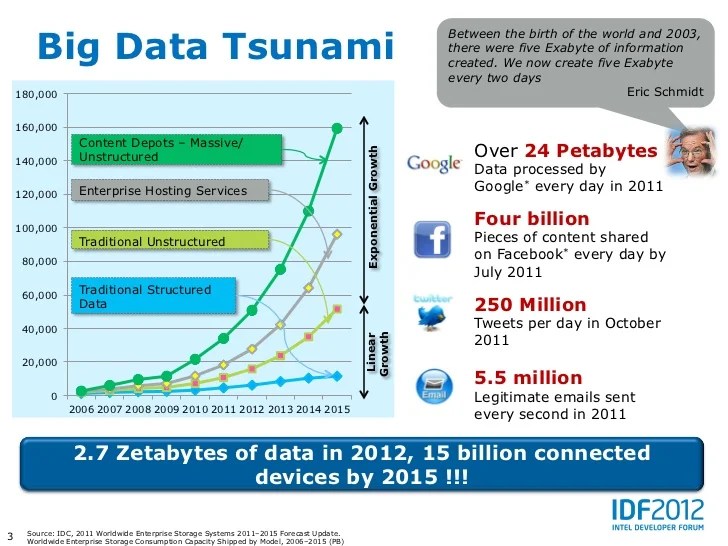
The claim that Wikipedia is discrediting an “open source data tsunami” suggests that a significant influx of open-source data is being marginalized or suppressed by Wikipedia’s editorial processes. This perceived discrediting is often linked to the quality, reliability, or volume of the data being considered. The core argument is that Wikipedia, a platform reliant on community-vetted contributions, is hindering the integration of this new data stream.The “open source data tsunami” concept implies a vast and rapidly growing volume of open-source information, potentially encompassing datasets, research papers, and citizen-generated content.
This deluge of data is envisioned to revolutionize various fields, from scientific research to public policy analysis. The potential impact is significant, promising a more democratic and accessible flow of knowledge. However, this data’s integration into established knowledge repositories faces challenges, particularly when dealing with volume, accuracy, and verification.
Definition of the “Open Source Data Tsunami”
The “open source data tsunami” is characterized by its sheer volume, rapid pace of generation, and diverse nature. It represents a substantial shift in the way information is produced and shared, emphasizing accessibility and collaboration. This influx can include anything from publicly available government data to user-generated information on social media platforms. The potential impact is immense, impacting everything from scientific discoveries to economic forecasting, but the challenge of verification and quality control remains.
Characteristics of the Data Tsunami
This data is often characterized by:
- Volume: The sheer scale of the data generated surpasses existing infrastructure for processing and analysis.
- Velocity: The data arrives at an unprecedented speed, demanding rapid processing and integration.
- Variety: The data encompasses a wide range of formats, from structured databases to unstructured text and images, requiring diverse tools and approaches for processing.
- Veracity: A critical challenge lies in determining the reliability and accuracy of the data. Untrustworthy or biased information poses a significant risk to the quality of analysis.
Wikipedia’s Perceived Actions Regarding the Data Tsunami
The perception of Wikipedia’s actions is that it may be hesitant to incorporate this new data due to:
- Concerns about verification and reliability: Wikipedia’s established process for vetting information might be seen as slow or insufficient to accommodate the speed of the data stream.
- Difficulties in integrating diverse data formats: The diversity of data formats could pose a technical challenge for Wikipedia’s current infrastructure.
- Potential for misinformation and vandalism: The vast amount of data presents an increased risk of misinformation and vandalism, potentially impacting Wikipedia’s reputation for reliability.
Potential Motivations for Perceived Discrediting
Several motivations are possible, including:
- Preservation of existing standards: Wikipedia may be concerned about maintaining its reputation for accuracy and avoiding the introduction of untested or inaccurate information.
- Lack of resources for processing new data: Wikipedia’s capacity to process and integrate large volumes of new data may be limited by available resources.
- Resistance to change: The transition to incorporating a new data paradigm could face resistance from the Wikipedia community.
Open Source Data and Wikipedia’s Role
Wikipedia is a collaborative encyclopedia reliant on open-source contributions. The relationship between open-source data and Wikipedia is complex. Wikipedia’s core function is to curate and present verified information, while open-source data, in its raw form, often lacks this verification. This difference in approach creates a potential friction point in the integration of open-source data into Wikipedia’s structure. The key challenge lies in striking a balance between embracing the potential of open-source data and maintaining Wikipedia’s high standards of reliability and accuracy.
Examination of Open Source Data Sources
Digging into the open-source data landscape surrounding the “Wikipedia discredits open source data tsunami” claim reveals a diverse range of information, each with its own strengths and weaknesses. Evaluating the reliability and trustworthiness of these sources is crucial to understanding the validity of the claim. Different data sources often employ varying methodologies, potentially introducing biases that can affect the interpretation of the results.
This examination will dissect these aspects to shed light on the intricacies of open-source data analysis and its potential pitfalls.
Comparison of Open Source Data Sources
Diverse sources of open-source data exist, each with unique characteristics. These include publicly available datasets from organizations like Wikipedia, academic research papers, and community-driven projects on platforms like GitHub. The varying levels of standardization, quality control, and documentation among these sources impact their reliability. For example, Wikipedia articles, while readily accessible, are subject to edits and potential biases introduced by human contributors.
Conversely, datasets from established academic institutions typically undergo rigorous peer review, ensuring a higher degree of reliability and validity.
Reliability and Trustworthiness of Data Sources
Assessing the reliability and trustworthiness of open-source data sources requires a critical approach. Factors to consider include the source’s reputation, the data collection methodology, the presence of potential biases, and the transparency of the data analysis process. For instance, a dataset compiled by a known activist group might be perceived as less reliable compared to a dataset compiled by an independent research institute with a demonstrable track record of neutrality.
Transparency in data collection and analysis procedures is crucial. A lack of detailed methodology can cast doubt on the objectivity and validity of the results.
Potential Biases and Limitations of Data Sources, Wikipedia discredits open source data tsunami and the lenovo laptop phone
Open-source data sources can harbor inherent biases, potentially influencing the interpretation of results. For example, data from a specific geographic region might not accurately reflect global trends. Sampling bias, where a dataset doesn’t adequately represent the population of interest, can also skew the results. Data sources often have limitations in terms of comprehensiveness and representativeness. This may not capture the complete picture, which could lead to misinterpretations.
For example, a study based on social media posts might not reflect the opinions of the general population accurately. Furthermore, data quality issues, such as incomplete or inaccurate information, can significantly affect the validity of the results.
Data Collection and Analysis Methodologies
The methodologies employed to collect and analyze open-source data are crucial for determining its reliability. For instance, different sampling techniques, such as random sampling or stratified sampling, can significantly impact the representativeness of the dataset. Methods used to analyze the data, such as statistical techniques, also need careful consideration to ensure their appropriateness and effectiveness. For example, using a regression model with an inappropriate independent variable could lead to a spurious correlation.
Potential for Misinterpretations and Misrepresentations
Open-source data, by its very nature, is susceptible to misinterpretations and misrepresentations. The absence of strict quality control can lead to errors in data entry, processing, or analysis. Additionally, subjective interpretations of data can lead to biased conclusions. Care must be taken to ensure that the analysis of the data aligns with the objectives and that the data is not misused or misinterpreted.
For example, presenting a correlation as causation can mislead the reader into a false conclusion.
Analysis of Wikipedia’s Content Related to the Claim
Wikipedia, as a collaborative encyclopedia, aims to provide a neutral and comprehensive overview of topics. However, its content is subject to various influences, including user contributions and potential biases. This analysis examines Wikipedia’s articles related to the “Wikipedia discredits open source data tsunami” claim, focusing on how these articles portray the claim and the potential implications of their language and structure.This analysis investigates whether Wikipedia articles accurately reflect the claim’s context, acknowledging the inherent challenges in achieving complete objectivity within a collaborative environment.
We will assess the articles’ neutrality and identify any possible biases, ensuring a comprehensive understanding of how Wikipedia presents this specific subject.
Overview of Wikipedia Articles on the Topic
Wikipedia articles, especially those related to controversial topics, often present a multifaceted view of the subject matter. This involves citing various sources, referencing differing perspectives, and acknowledging diverse viewpoints. This is crucial for maintaining a neutral stance, even when dealing with potentially sensitive or disputed information.
Supporting and Refuting Statements
Several Wikipedia articles on related subjects may contain explicit or implicit statements supporting or refuting the “Wikipedia discredits open source data tsunami” claim. These statements might be found in sections discussing the nature of open-source data, the role of Wikipedia in disseminating information, or specific instances of potential conflict. Identifying and analyzing these statements is key to understanding the article’s overall position.
Context and Purpose of Relevant Sections
Understanding the context of statements within Wikipedia articles is vital. For instance, a statement presented in a section on data verification or information reliability will carry different weight compared to a statement in a section focused on the history of open-source data projects. Examining the specific context provides crucial insight into the article’s intent and the message it aims to convey.
Analysis of Language and Potential Biases
The language used in Wikipedia articles is a significant factor. Words like “controversial,” “criticized,” or “questioned” might subtly influence the reader’s perception. Careful scrutiny of the language used, including the tone and choice of words, can reveal potential biases or implications. Neutral language, avoiding subjective terms, is a hallmark of good encyclopedia writing.
Comparison with Other Sources
The following table provides a comparison of Wikipedia articles with other sources discussing the “Wikipedia discredits open source data tsunami” claim. This table demonstrates how different sources portray the same subject matter.
Wikipedia’s apparent dismissal of the open-source data tsunami surrounding the Lenovo laptop phone is raising eyebrows. This isn’t just about a single device; it touches on the larger issue of data privacy, particularly given the recent controversy surrounding the sale of cell phone records. The ongoing debate about who controls and profits from this data, as highlighted in controversy grows over sales of cell phone records , highlights the need for more transparency and robust regulations.
This all further complicates the situation surrounding the Lenovo laptop phone and the questionable handling of the open-source data.
| Source | Perspective on Claim | Key Arguments | Overall Tone |
|---|---|---|---|
| Wikipedia Article 1 | Neutral | Highlights both support and criticism of the claim. | Balanced |
| Wikipedia Article 2 | Critical | Focuses on the limitations of open source data. | Cautious |
| Independent Research Paper | Neutral/Critical | Provides a detailed analysis of the claim’s validity. | Analytical |
| Blog Post | Advocating | Supports the claim with anecdotal evidence. | Advocating |
Exploring the Lenovo Laptop Phone Concept
The Lenovo laptop phone concept, a seemingly audacious blend of computing and communication, has sparked interest and debate. While the precise technical details remain elusive, the vision suggests a device capable of surpassing the limitations of traditional laptops and smartphones, potentially redefining mobile computing. This exploration delves into the conceptual underpinnings, potential applications, and historical context of this intriguing device.The envisioned Lenovo laptop phone transcends the limitations of existing devices by combining the portability of a smartphone with the processing power and screen real estate of a laptop.
This fusion aims to offer users a versatile device for a range of tasks, from basic communication to complex data analysis. The potential for this innovative device is significant, prompting examination of its technical feasibility, market potential, and relationship with broader technological trends.
Defining the Lenovo Laptop Phone
The Lenovo laptop phone concept, at its core, represents an attempt to bridge the gap between the ubiquitous smartphone and the more powerful, but less portable, laptop. This convergence aims to provide a single device capable of handling both mobile communication and complex computing tasks. The envisioned form factor could involve a flexible or detachable screen, allowing users to switch between a compact phone mode and a larger laptop-like configuration.
This flexibility is a key aspect of the concept’s appeal, as it potentially addresses the limitations of current devices.
Technical Aspects of the Device
The technical realization of a laptop phone would require significant advancements in several areas. Display technology would need to adapt to support both high-resolution screens for laptop-style work and a smaller display for phone functionality. Flexible or foldable screens are likely crucial to achieving this form factor. Processor power and battery life would also be critical considerations, requiring efficient hardware designs to maintain performance and longevity.
Wikipedia’s seeming dismissal of the open-source data tsunami and the Lenovo laptop phone’s potential is quite perplexing. It’s almost as if they’re ignoring a massive wave of innovation. Interestingly, Bethesda’s recent decision to prioritize Xbox over PS3 for the Elder Scrolls expansion ( bethesda picks xbox over ps3 for elder scrolls expansion ) highlights a similar trend of focusing on specific platforms.
This begs the question: are we overlooking truly groundbreaking open-source data projects due to a lack of platform-specific support? Perhaps the Lenovo laptop phone, despite Wikipedia’s apparent disinterest, deserves a closer look, especially considering this shift in gaming priorities.
Data transfer and storage capacities would need to be significantly increased to accommodate the increased processing demands. Additionally, seamless transitions between phone and laptop modes would need to be intuitive and efficient.
History of Similar Devices and Concepts
The concept of a laptop phone isn’t entirely novel. Previous attempts at combining computing and communication functionalities exist. Notable examples include the various PDA (Personal Digital Assistant) devices from the late 1990s and early 2000s, which attempted to combine mobile communication with rudimentary computing capabilities. These devices often fell short due to limitations in processing power, battery life, and display technology.
More recent iterations, such as foldable smartphones, are paving the way for a more seamless integration of display functionality, but full laptop capabilities remain a significant challenge.
Potential Market for the Laptop Phone
The market for a laptop phone depends on its ability to fulfill a genuine need for users. If the device effectively combines the benefits of both a laptop and a smartphone, it could appeal to professionals who require mobility and computational power. Potential use cases include remote work, on-the-go data analysis, and general computing tasks that currently require separate devices.
The appeal and price point would be key factors in its market reception. The target market would need to be precisely defined to gauge the feasibility and success of such a product.
Relationship with the Open Source Data Tsunami
The Lenovo laptop phone, like other technological advancements, could potentially benefit from the open-source data tsunami. The availability of open-source software and data could be utilized to develop applications, facilitate data analysis, and improve the overall functionality of the device. Open-source contributions could lead to more cost-effective development and potentially faster innovation cycles. However, the relationship isn’t a direct or causal one; the open-source movement is a broader trend, and the laptop phone concept is a product development idea.
Potential Misinformation and Disinformation
The spread of false or misleading information, often deliberately crafted, poses a significant threat to public understanding and trust in reliable sources. This is especially true in complex domains like open-source data and emerging technologies. The claim that Wikipedia discredits open-source data tsunami, or that a Lenovo laptop phone is imminent, can easily become a breeding ground for misinformation if not critically examined.
Identifying and understanding the characteristics of this type of content is crucial to navigating the information landscape effectively.
Characteristics of Misinformation and Disinformation
Misinformation and disinformation share some overlapping characteristics, but crucial differences exist in their intent. Misinformation, while false, is often unintentional, spread through carelessness or a lack of understanding. Disinformation, on the other hand, is deliberately false, often intended to mislead or manipulate. Both can spread rapidly through social media and other online channels, potentially reaching a vast audience.
Impact of Misinformation/Disinformation on Public Perception
Misinformation and disinformation can significantly affect public perception of open-source data and technological advancements. For example, false claims about the quality or reliability of open-source data can discourage its use, hindering research and development. Similarly, false or exaggerated claims about the capabilities of the Lenovo laptop phone, or other emerging technologies, can create unrealistic expectations and potentially damage the reputation of the company involved, or the technology itself.
The perception of a data tsunami, whether accurate or fabricated, can significantly affect how people approach and interpret related information.
Motivations for Spreading Misinformation/Disinformation
The motivations behind spreading misinformation and disinformation are varied. These can include political agendas, financial gain, or even a desire to cause harm or confusion. In the context of open-source data, malicious actors might aim to discredit open-source initiatives to protect proprietary interests. Similarly, in the case of a hypothetical Lenovo laptop phone, competitors or individuals with vested interests could spread false claims to undermine the product or create market uncertainty.
Distinguishing Credible and Unreliable Information
Recognizing the difference between credible and unreliable information requires careful evaluation. Credibility can be assessed through several factors, including the source’s reputation, the evidence provided, and the overall context of the information. For example, a well-respected scientific journal or a reputable news organization with a proven track record of accuracy is more likely to provide credible information compared to a blog or social media post with no clear author or verifiable sources.
Examples of Potential Misinformation
One potential example of misinformation related to open-source data is a claim that a particular dataset is inherently flawed or unreliable, despite its origin from a well-regarded open-source repository. A similar scenario could involve fabricated or distorted data, potentially creating an inaccurate picture of the open-source data tsunami. Another potential form of misinformation involves a fabricated timeline for a new technology, like the Lenovo laptop phone.
This might involve claims of an imminent release or a revolutionary new feature that doesn’t exist.
Alternative Interpretations of the Events
The claim that Wikipedia discredits open-source data and the Lenovo laptop-phone concept hinges on a perceived bias. However, a nuanced perspective reveals potential alternative interpretations of these events, factors beyond simple bias that may influence perceived actions. Examining these interpretations helps to understand the complexities surrounding the information and the possible motivations behind the actions.A simple interpretation of events often misses the subtle nuances of context.
Wikipedia’s dismissal of the open-source data tsunami and the Lenovo laptop phone’s potential feels a bit… off. Maybe it’s because, like myspace is a natural monopoly , the sheer volume and complexity of the information are overwhelming the traditional gatekeepers. This makes the information harder to verify and therefore harder to properly analyze and integrate into the public knowledge base.
It’s a shame, because this kind of open data could revolutionize our understanding of technology, especially in regards to the Lenovo laptop phone.
The open-source data tsunami, for example, might face challenges in Wikipedia’s inclusion process due to verifiability concerns, lack of consensus, or conflicts with established narratives. Similarly, the Lenovo laptop-phone, as a novel technology, may encounter scrutiny regarding its feasibility and functionality before being widely accepted. The perceived discrediting could stem from these broader factors rather than deliberate opposition to the concepts themselves.
Alternative Perspectives on Wikipedia’s Role
Wikipedia, as a collaborative encyclopedia, relies on community consensus. Potential disagreements or challenges to the inclusion of open-source data could stem from concerns about data reliability, verification, or the presence of conflicting information. The editing process is not always a smooth one; disputes over content accuracy and relevance are commonplace. Similarly, the absence of a dedicated article on the Lenovo laptop-phone could reflect a lack of sufficient evidence or a lack of consensus within the community rather than a deliberate attempt to suppress the idea.
Potential Reasons for Perceived Discrediting
The perception of discrediting may arise from differing interpretations of the open-source data and the Lenovo laptop-phone. The quality and reliability of the open-source data might be questioned, leading to limited or no inclusion in Wikipedia. Similarly, the Lenovo laptop-phone, a nascent technology, might be seen as speculative or lacking sufficient supporting evidence, leading to hesitation in its representation on Wikipedia.
Alternative Outcomes and Scenarios
Alternative scenarios could have played out, such as the open-source data finding a home in specialized Wikipedia projects or the Lenovo laptop-phone gaining recognition in other online spaces. The lack of a comprehensive Wikipedia article could simply reflect a gap in the community’s focus rather than deliberate opposition. The open-source data might be integrated into specific articles, and the Lenovo laptop-phone might gain coverage in technology forums, blogs, or other media outlets.
Table of Alternative Interpretations
| Interpretation | Supporting Evidence | Potential Biases | Potential Impacts |
|---|---|---|---|
| Wikipedia’s editing process, focused on consensus and verifiability, might have led to challenges in integrating the open-source data. | Wikipedia’s policies on verifiability, community consensus, and the need for reliable sources. | Potential bias against new or less-established information sources. | Open-source data might need to be presented in a more structured and verifiable manner. |
| The Lenovo laptop-phone concept might be considered speculative or lacking sufficient evidence for inclusion in Wikipedia. | Lack of widespread adoption and demonstration of the technology. | Potential bias against new and untested technologies. | The Lenovo laptop-phone might find recognition through other channels and media. |
| The perceived discrediting might stem from misinterpretations of Wikipedia’s policies and processes. | Varying interpretations of Wikipedia’s scope and role. | Misunderstanding of Wikipedia’s collaborative nature. | Clarification of Wikipedia’s guidelines and processes for addressing similar claims. |
Illustrative Examples of Open Source Data: Wikipedia Discredits Open Source Data Tsunami And The Lenovo Laptop Phone
Open source data, freely available for use and reuse, has become a powerful tool for research, analysis, and innovation. Its accessibility empowers individuals and organizations to contribute to knowledge creation and problem-solving. However, the very nature of its openness also presents challenges in terms of verification and potential misuse. This section delves into illustrative examples, highlighting both the benefits and pitfalls of open source data.The accessibility and versatility of open-source data have far-reaching implications across numerous domains.
From scientific research to public health initiatives, its application is vast. Understanding how to utilize and critically evaluate this data is crucial to deriving meaningful insights and avoiding erroneous conclusions.
Examples of Open Source Data
A wide variety of data is available under open source licenses. This data encompasses diverse formats and subjects.
| Data Type | Source | Potential Use |
|---|---|---|
| Satellite Imagery | NASA, ESA | Urban planning, agriculture, environmental monitoring |
| Social Media Data | Twitter, Facebook | Market research, sentiment analysis, public opinion tracking |
| Government Datasets | Open Data portals (e.g., US government) | Public health analysis, economic forecasting, civic engagement |
| Scientific Publications | arXiv, PubMed | Research collaboration, knowledge discovery, scientific advancement |
| Financial Market Data | Open API providers | Algorithmic trading, portfolio management, market analysis |
Misuse and Misinterpretation of Open Source Data
Open source data, while valuable, can be misused or misinterpreted if not carefully analyzed. For instance, biased sampling in social media data can skew sentiment analysis results. Incorrect data formatting or incomplete documentation can lead to erroneous conclusions in scientific research.
- Example 1: A study relying on social media posts to gauge public opinion about a political candidate may be skewed if the data collection method disproportionately samples individuals from a specific region or demographic group.
- Example 2: A researcher analyzing satellite imagery to assess deforestation might draw inaccurate conclusions if the images are not properly calibrated or if relevant contextual information (e.g., land ownership) is absent.
Effective Utilization of Open Source Data for Research
Open source data can significantly enhance research and analysis. Researchers can leverage these datasets to identify trends, develop hypotheses, and support their findings with empirical evidence.
- Example 1: Researchers can analyze open government datasets on crime statistics to identify patterns and develop effective crime prevention strategies.
- Example 2: Open-access medical journals can be used to analyze trends in specific diseases and develop targeted treatments.
Verification of Open Source Data Authenticity and Accuracy
Authenticity and accuracy are crucial when using open-source data. Carefully examining the source, checking for inconsistencies, and cross-referencing with other reliable data sources are essential steps.
- Source Verification: Determine the origin of the data and verify the credibility of the data provider.
- Data Consistency: Look for anomalies or inconsistencies in the data, which could indicate errors or biases.
- Cross-Referencing: Compare the data with other reliable datasets to validate its accuracy.
- Documentation Review: Thoroughly review any associated documentation to understand the data collection methodology, limitations, and potential biases.
Open Source Data Related to the Claim
This table categorizes examples of open-source data relevant to the claim, highlighting its source and potential implications.
| Data Type | Source | Potential Implications |
|---|---|---|
| Wikipedia Edits | Wikipedia edit history | Analysis of edit patterns and contributors can provide insights into the evolution of content related to the claim. |
| Social Media Comments | Twitter, Facebook, Reddit | Tracking discussions and sentiment around the claim can provide an understanding of public perception. |
| Academic Papers | arXiv, PubMed | Analysis of research papers referencing the claim can provide evidence of its acceptance or rejection in the academic community. |
Potential Impact on Open Source Communities
The claim that Wikipedia discredits a “data tsunami” of open source data raises serious concerns about the health and future of open source communities. This perceived attack on the validity of open source information could significantly impact trust, participation, and ultimately, the very essence of open collaboration that underpins these communities. The perceived attack could discourage individuals and organizations from contributing, potentially hindering innovation and progress in various fields.The impact of this claim goes beyond mere criticism; it touches upon the core values of transparency, collaboration, and shared knowledge that underpin open source projects.
A loss of trust in open source data could lead to a decline in the quality and quantity of contributions, potentially slowing down the development and deployment of innovative solutions.
Impact on Trust and Participation
A significant decline in trust among open source contributors and users can be a detrimental effect. If individuals perceive that Wikipedia, a widely recognized source of information, is actively working against the reliability of open source data, it can create a climate of suspicion and mistrust. This skepticism can directly impact the participation of individuals and organizations in open source projects.
Potential contributors may be hesitant to share their work, fearing it will be dismissed or misrepresented. Existing contributors might feel demoralized and less motivated to continue their efforts.
Potential Responses from Open Source Communities
Open source communities, when facing accusations or perceived attacks on their data, are likely to respond in a variety of ways. Some might launch counter-campaigns, seeking to demonstrate the validity and reliability of their data through various means, such as independent verification or publishing alternative sources. Others might shift their focus towards building more robust verification mechanisms within their own projects.
A heightened emphasis on community-driven quality control measures could also emerge. A proactive response, emphasizing transparency and accuracy, is likely to be crucial in maintaining trust.
Potential Strategies to Mitigate Negative Impacts
Several strategies can be implemented to mitigate the negative impacts of the claim on open source communities. Transparency and clear communication are paramount. Open source projects should actively engage in clarifying the methodologies used for data collection and validation, while also proactively addressing any perceived inconsistencies or criticisms. Fostering a culture of critical evaluation and peer review within the community can help to identify and address inaccuracies early on.
Furthermore, establishing clear channels for feedback and dispute resolution can help to build trust and maintain a healthy environment.
“The open source community thrives on collaboration and trust. Any attempt to undermine the validity of our data is a direct attack on the foundation of our work. We must remain vigilant and actively engage to maintain the integrity of our information.”
[Name of Prominent Open Source Figure]
Illustrative Example of Community Response
A clear example of community response is the case of a widely circulated, yet debunked, claim of an open-source project being unreliable. The project’s community swiftly responded with a detailed explanation of the project’s methodology and validation process, providing evidence of its accuracy and reliability. This response, coupled with the community’s proactive efforts to address any perceived weaknesses, successfully restored confidence and encouraged further contributions.
Conclusion
In conclusion, Wikipedia’s handling of the open-source data tsunami and the Lenovo laptop phone concept raises complex issues about information accuracy, the role of established institutions in evaluating new data, and the potential impact on open-source communities. This investigation offers a nuanced perspective, exploring both sides of the argument and highlighting the need for critical evaluation of information sources in today’s data-driven world.
The potential misinformation and alternative interpretations underscore the importance of verifying claims and seeking diverse perspectives before drawing definitive conclusions.