The landscape of artificial intelligence is undergoing a fundamental shift from generative systems that simply provide information to agentic systems that execute tasks autonomously. While the previous era of AI focused on conversational interfaces where a chatbot might provide a list of travel recommendations, the current "agentic" era focuses on systems that can verify availability, navigate booking APIs, process payments, and finalize reservations without human intervention. This transition from "telling" to "doing" represents the most significant engineering challenge of the mid-2020s, as development teams move away from simple prompt engineering toward complex system architecture.
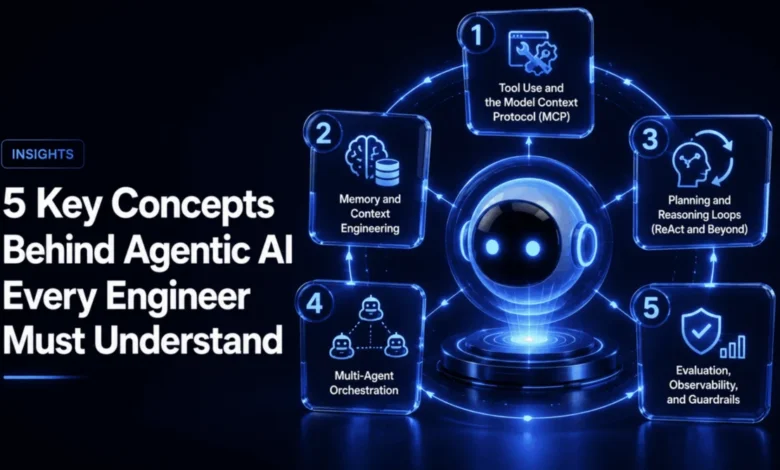
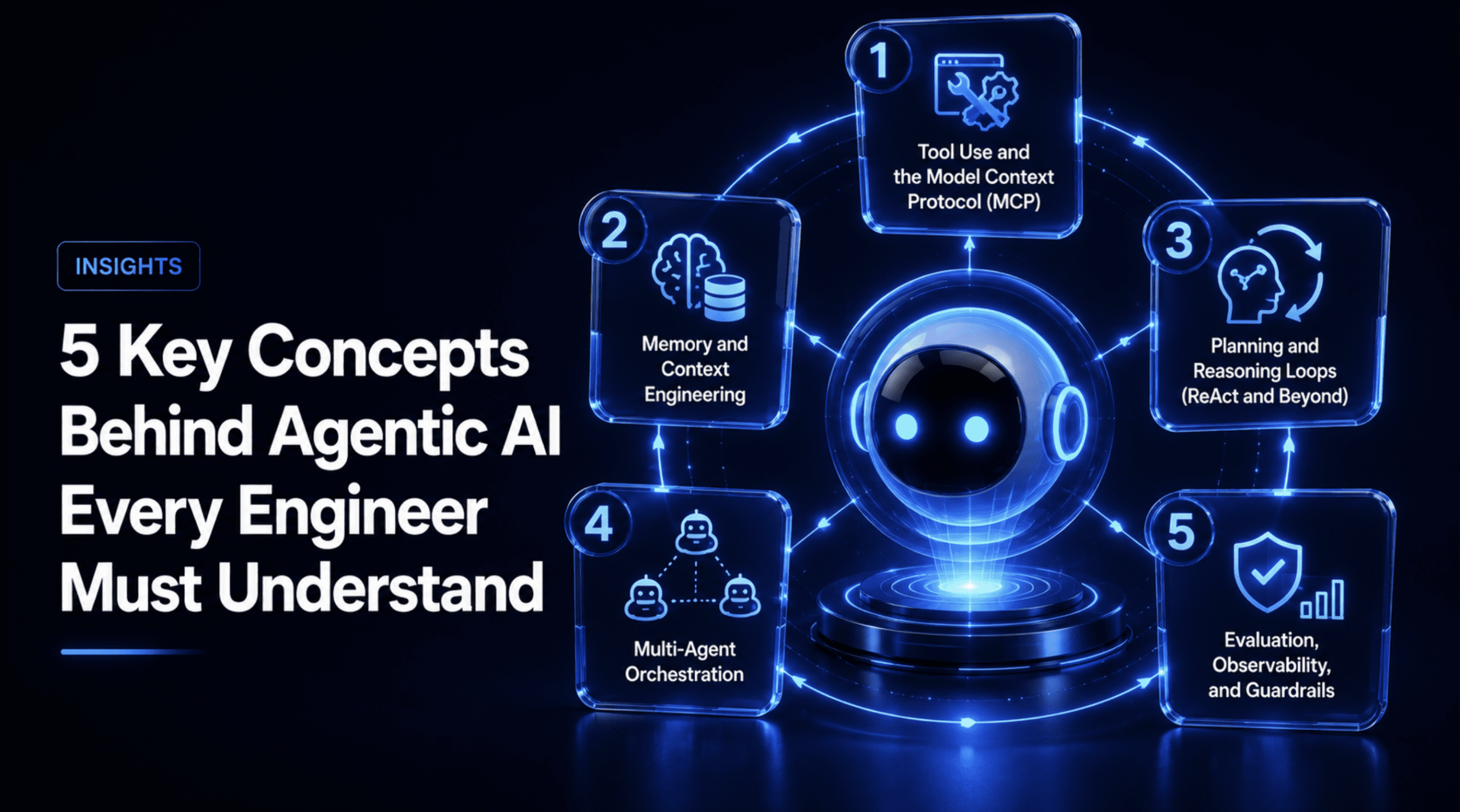
As of early 2026, the industry is grappling with a stark reality: despite the immense promise of autonomous agents, approximately 88% of AI agent pilots fail to reach full production status. This high failure rate is rarely attributed to the limitations of the underlying large language models (LLMs) themselves. Instead, it stems from a lack of standardized engineering practices regarding tool integration, memory management, and multi-agent coordination. For engineers to bridge this gap, they must master five core concepts that define the modern agentic stack: tool use protocols, persistent memory architecture, reasoning loops, multi-agent orchestration, and rigorous evaluation frameworks.
1. Standardizing Tool Use: The Rise of the Model Context Protocol (MCP)
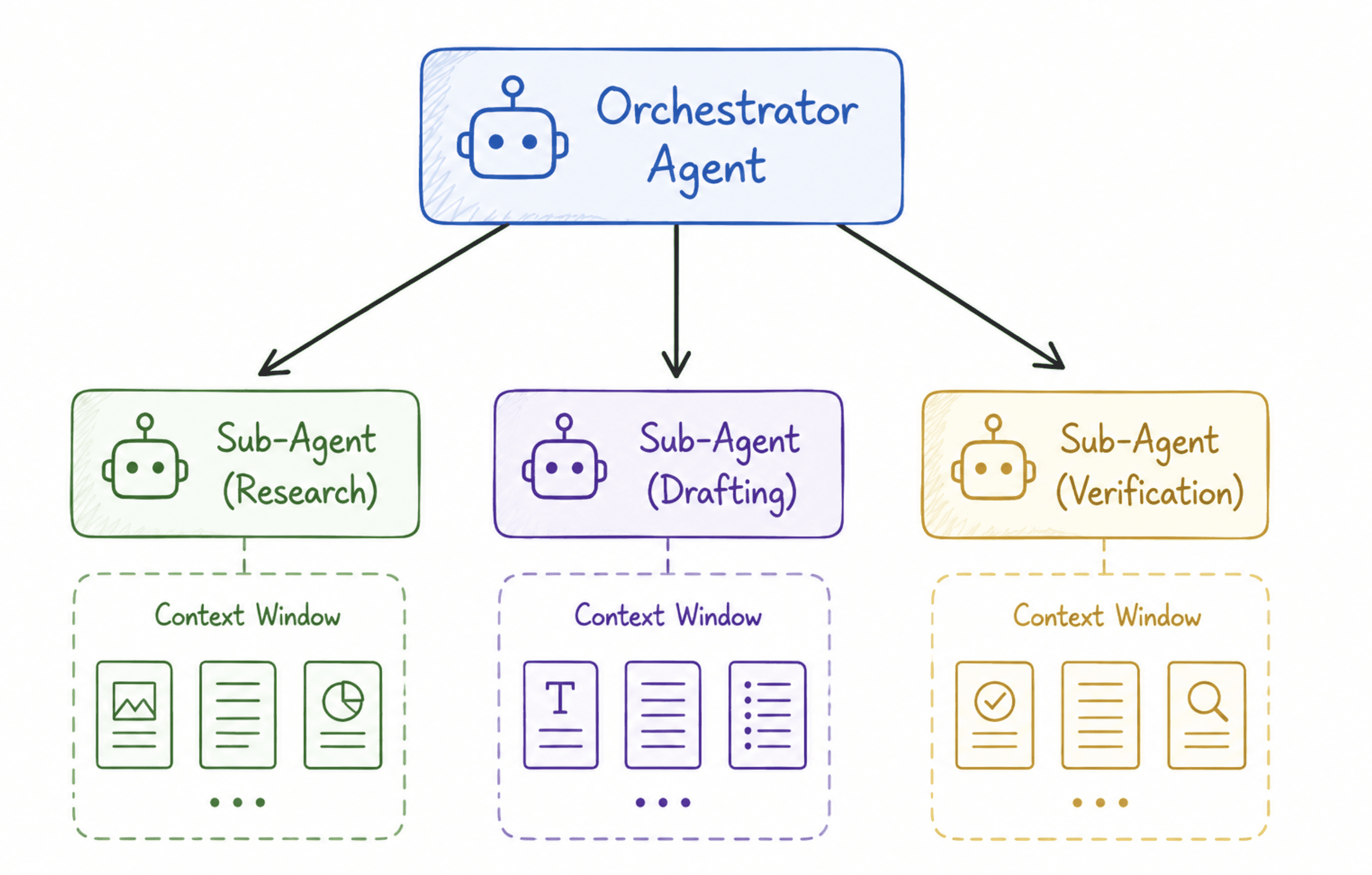
In the early stages of agent development, connecting an LLM to an external tool—such as a SQL database, a Slack workspace, or a GitHub repository—required bespoke, brittle integrations. An engineering team managing ten different AI applications with a hundred tools faced a combinatorial explosion of nearly a thousand unique integration points. This fragmentation was identified as a primary bottleneck for scaling agentic systems.
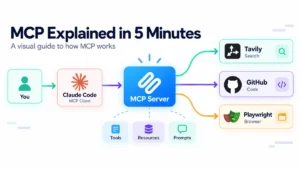
The solution emerged in November 2024 when Anthropic introduced the Model Context Protocol (MCP). The impact was immediate; by March 2026, official MCP SDKs reached a milestone of 97 million monthly downloads. This growth trajectory surpassed even the historical adoption rates of major web frameworks like React. The protocol’s importance was further solidified in late 2025 when Anthropic donated MCP to the newly formed Agentic AI Foundation under the Linux Foundation. This move, supported by industry giants including OpenAI, Microsoft, Google, AWS, and Bloomberg, transformed MCP from a vendor-specific tool into a piece of shared global infrastructure.
From a technical perspective, MCP standardizes how a model discovers and invokes external capabilities. It utilizes a JSON-RPC pattern that allows an agent to query a server for its "capability manifest." This manifest lists available tools and their required parameters, enabling the agent to interact with diverse services through a unified interface. While MCP introduces a slight token overhead compared to direct API calls, it provides critical benefits for enterprise environments, including standardized OAuth handling and secure data boundaries for multi-tenant applications. For engineers, the availability of community-driven registries like PulseMCP means that many standard integrations no longer need to be built from scratch.
2. Memory Systems and the Shift to Context Engineering
A fundamental limitation of standard LLMs is their stateless nature; every request is processed in isolation, with no inherent memory of previous interactions. In a production environment, an agent that cannot remember user preferences, previous project details, or historical task outcomes is of limited utility. Initially, developers attempted to solve this by "stuffing" conversation history into the model’s context window. However, as tasks became more complex and sessions longer, this approach led to increased latency, higher costs, and the "lost in the middle" phenomenon where models ignore information buried in long prompts.
By 2026, memory has evolved into a distinct architectural layer. Modern agentic systems utilize a sophisticated pipeline where a dedicated memory layer extracts salient facts from interactions and stores them in a vector database or a knowledge graph. This data is tagged by user ID, session ID, and agent role. When a new task begins, the system performs a retrieval step—using a combination of semantic similarity and keyword matching—to inject only the most relevant information into the model’s active context.
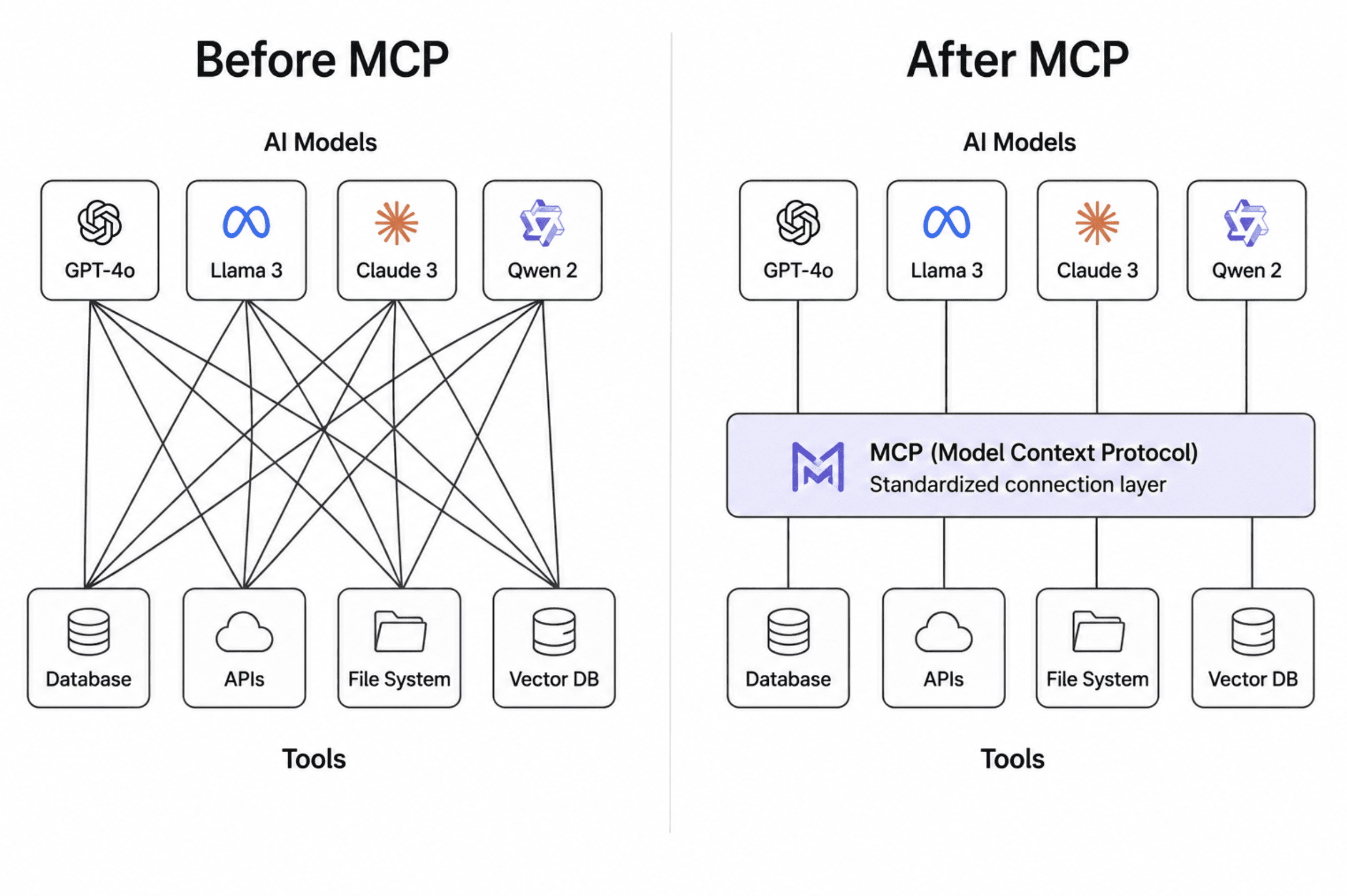
Industry-standard tools such as Mem0 and Zep have pioneered this space. Zep, in particular, utilizes a temporal knowledge graph called Graphiti, which allows agents to understand how facts change over time. This enables "temporal reasoning," allowing an agent to answer complex questions about how a customer’s behavior has evolved following a specific event, such as a pricing update. This shift has led to the emergence of "context engineering" as a discipline superior to "prompt engineering." Engineers now focus on selecting, compressing, and structuring information to ensure the model receives the highest quality context rather than the highest volume.
3. The Mechanics of Planning: ReAct and Reasoning Loops
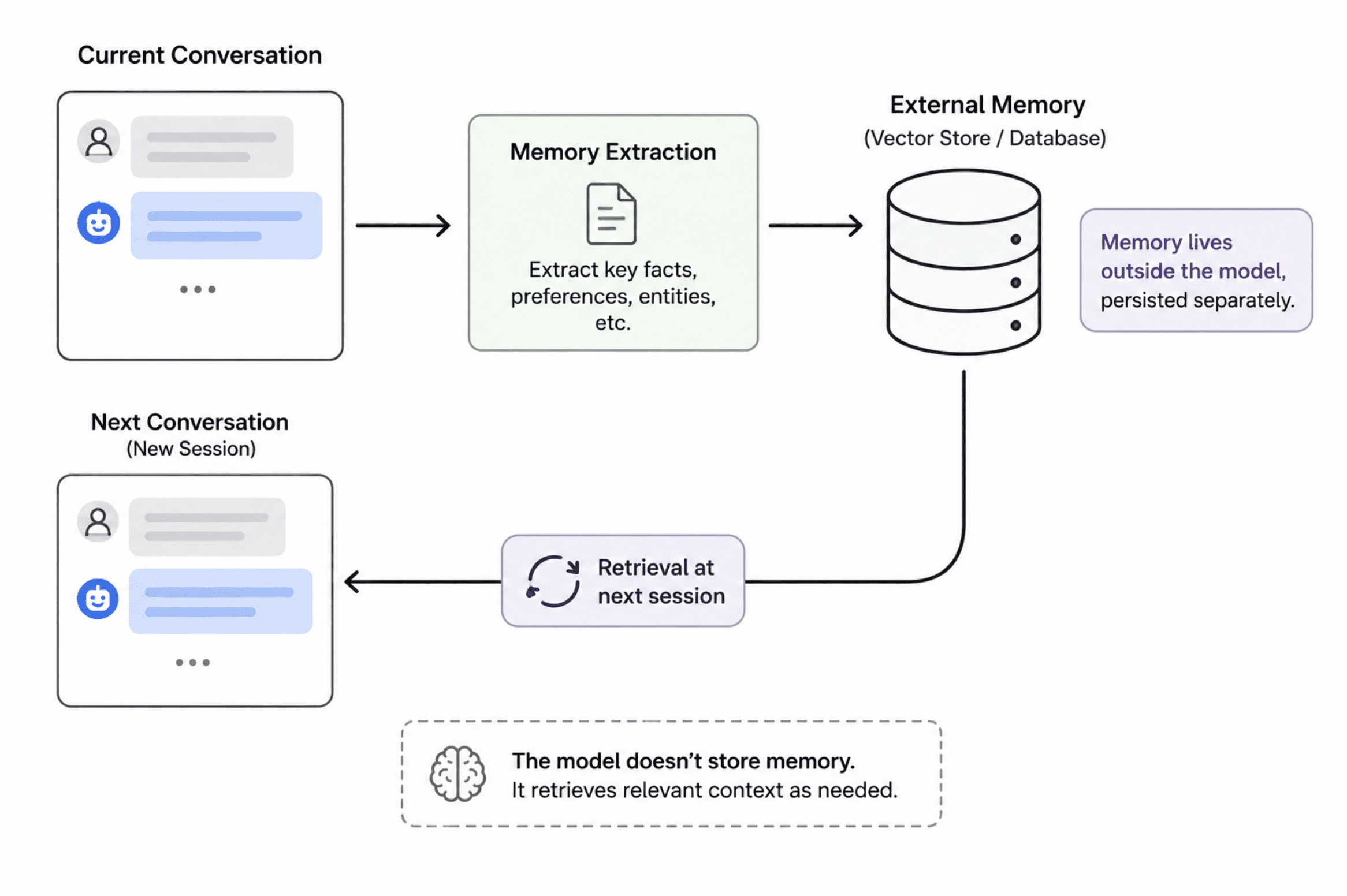
The engine of any AI agent is its reasoning loop. Unlike a standard chatbot that provides a single output, an agent must iterate: it thinks, acts, observes the result, and then re-evaluates its next step. This process continues until the goal is achieved or a failure state is reached.
The foundational logic for this loop was established in late 2022 through the "ReAct" (Reasoning and Acting) framework developed by researchers at Google and Princeton. The ReAct pattern demonstrated that by interleaving reasoning steps with actions, models could achieve significantly higher accuracy on complex tasks than they could through pure inference. In a modern production environment, this loop is supported by robust "context engineering" that includes retry logic and self-correction mechanisms.
However, these loops introduce significant operational risks. An agent caught in an infinite loop or a "hallucination spiral" can consume thousands of dollars in API tokens in a matter of minutes. Furthermore, production data shows that a high percentage of agent failures occur due to rate-limiting during these recursive calls. Consequently, engineers must implement "circuit breakers" and budget constraints within the planning loop to ensure the system remains both reliable and cost-effective.
4. Multi-Agent Orchestration and Interoperability
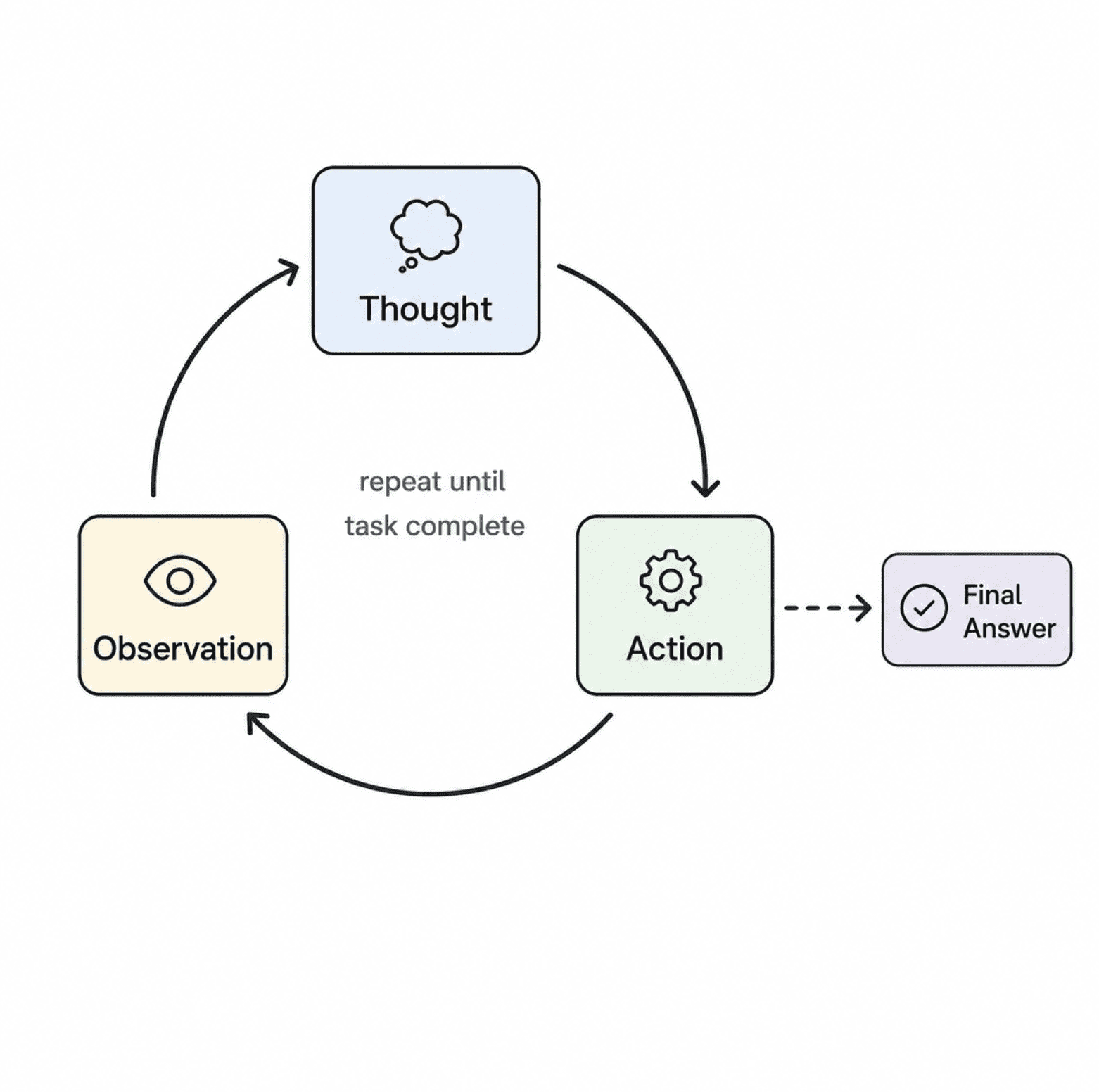
As the scope of AI tasks expands, the limitations of single-agent systems become apparent. A single agent attempting to manage an entire software development lifecycle, for example, often struggles with context fragmentation. The industry has moved toward a hierarchical "orchestrator and sub-agent" model. In this configuration, a primary orchestrator decomposes a complex goal into smaller tasks and assigns them to specialized sub-agents—such as a "Research Agent," a "Coding Agent," and a "Verification Agent"—each operating within its own focused context.
Real-world applications have validated this approach. The hiring platform Fountain reported that by utilizing hierarchical multi-agent orchestration, they reduced candidate screening times by 50% and cut onboarding durations from weeks to less than 72 hours.
To build these systems, engineers typically choose between three dominant frameworks:
- LangGraph: Offers the highest level of control and state management, making it the preferred choice for complex, production-grade systems.
- CrewAI: Focuses on role-based collaboration, offering an intuitive experience for teams building agents that mimic human organizational structures.
- AutoGen: A research-heavy framework from Microsoft that excels in flexible, conversational patterns between agents.
The coordination of these agents was further enhanced in April 2025 with Google’s introduction of the Agent2Agent (A2A) protocol. While MCP standardizes how agents talk to tools, A2A standardizes how agents talk to each other. This allows an agent built on LangGraph to collaborate seamlessly with an agent built on CrewAI, facilitating a modular "ecosystem" of agents across different departments or even different companies.
5. Evaluation, Observability, and the Path to Production
The final and perhaps most critical concept is the implementation of rigorous evaluation and observability. The 88% failure rate for AI pilots is often a result of "vibe-based" development—where a system is deemed successful based on a few positive demos rather than systematic testing. However, the 12% of projects that do reach production report an average Return on Investment (ROI) of 171%, highlighting the massive stakes involved.
To move from a pilot to production, engineers must implement comprehensive tracing. Tools like LangSmith allow developers to see every step of an agent’s reasoning process, the specific tool outputs it received, and where the logic diverged from the intended path. Without this granular visibility, debugging an autonomous system becomes impossible.
Furthermore, evaluation has moved beyond simple "pass/fail" metrics. Modern frameworks now utilize "rubric evaluators"—often powered by a separate, highly capable model—that score agent performance across multiple dimensions such as accuracy, safety, and efficiency. Leading organizations have adopted a "five-checkpoint" validation strategy, placing guardrails at the input stage, the reasoning stage, the internal state transition, the tool execution, and the final output.
Chronology of Key Milestones in Agentic AI Development
- Late 2022: Publication of the ReAct paper (Google/Princeton), establishing the "Thought-Action-Observation" loop.
- 2023: Emergence of first-generation agent frameworks like AutoGen and early versions of LangChain.
- November 2024: Anthropic launches the Model Context Protocol (MCP), initiating the standardization of tool use.
- April 2025: Google introduces the Agent2Agent (A2A) protocol for cross-framework interoperability.
- December 2025: Formation of the Agentic AI Foundation under the Linux Foundation; MCP and A2A become open-source standards.
- March 2026: MCP SDKs reach 97 million monthly downloads, signaling mass adoption among software engineers.
Broader Implications and Industry Outlook
The rise of agentic AI is fundamentally altering the role of the software engineer. The focus is shifting from writing procedural code to designing autonomous systems and managing their "cognitive" architecture. This evolution requires a deep understanding of distributed systems, as multi-agent environments share many characteristics with microservices architecture, including the need for service discovery, state management, and error handling.
The economic implications are equally profound. Gartner predicts that while 40% of agentic projects may be canceled by 2027 due to escalating costs or poor risk controls, the organizations that master these five concepts will gain a significant competitive edge. The transition to agentic AI is not merely a technological upgrade; it is a shift toward "autonomous enterprise" operations where AI handles the mundane "doing," allowing human workers to focus on high-level strategy and creative problem-solving. For engineers, the goal is no longer to build a tool that a human uses, but to build a teammate that acts on the human’s behalf.