The iPhone 18 Pro Variable Camera Aperture and the Future of Mobile Photography

Apple’s upcoming iPhone 18 Pro and iPhone 18 Pro Max are expected to feature a variable-aperture camera, a move that signals a significant shift in the company’s approach to mobile imaging. This hardware upgrade, which has been the subject of persistent rumors across the global supply chain, would represent a first for the iPhone lineup. While Apple has historically relied on sophisticated computational photography to overcome the physical limitations of small smartphone sensors, the introduction of a mechanical variable aperture suggests a return to optical fundamentals to achieve professional-grade results. As the industry anticipates the September 2026 launch, the technical and economic implications of this development are becoming increasingly clear, pointing toward a device that seeks to bridge the gap between high-end smartphones and dedicated mirrorless cameras.
The Mechanics of Variable Aperture Technology
To understand the significance of this upgrade, one must first understand the role of the aperture in traditional photography. The aperture is the physical opening within a camera lens through which light passes to reach the sensor. Much like the human pupil, which dilates in low light and constricts in bright environments, a variable aperture allows a camera to control the volume of light entering the system. For years, smartphones have been equipped with fixed-aperture lenses. Because the opening cannot change size, the device must rely on shutter speed and ISO (sensitivity) adjustments, supplemented by software processing, to manage exposure.
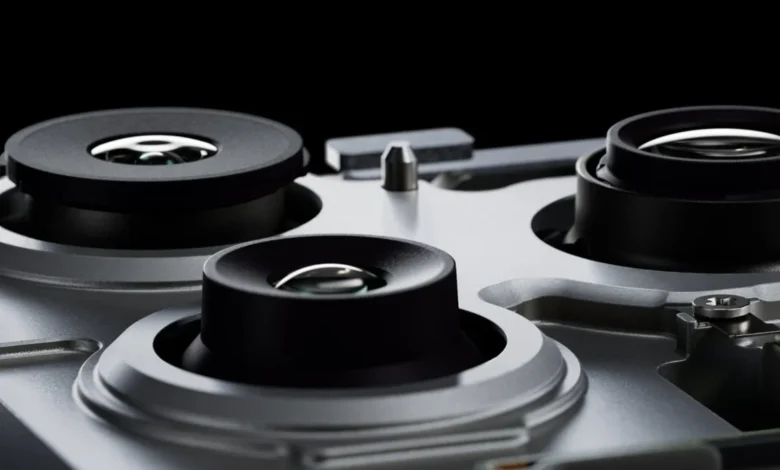
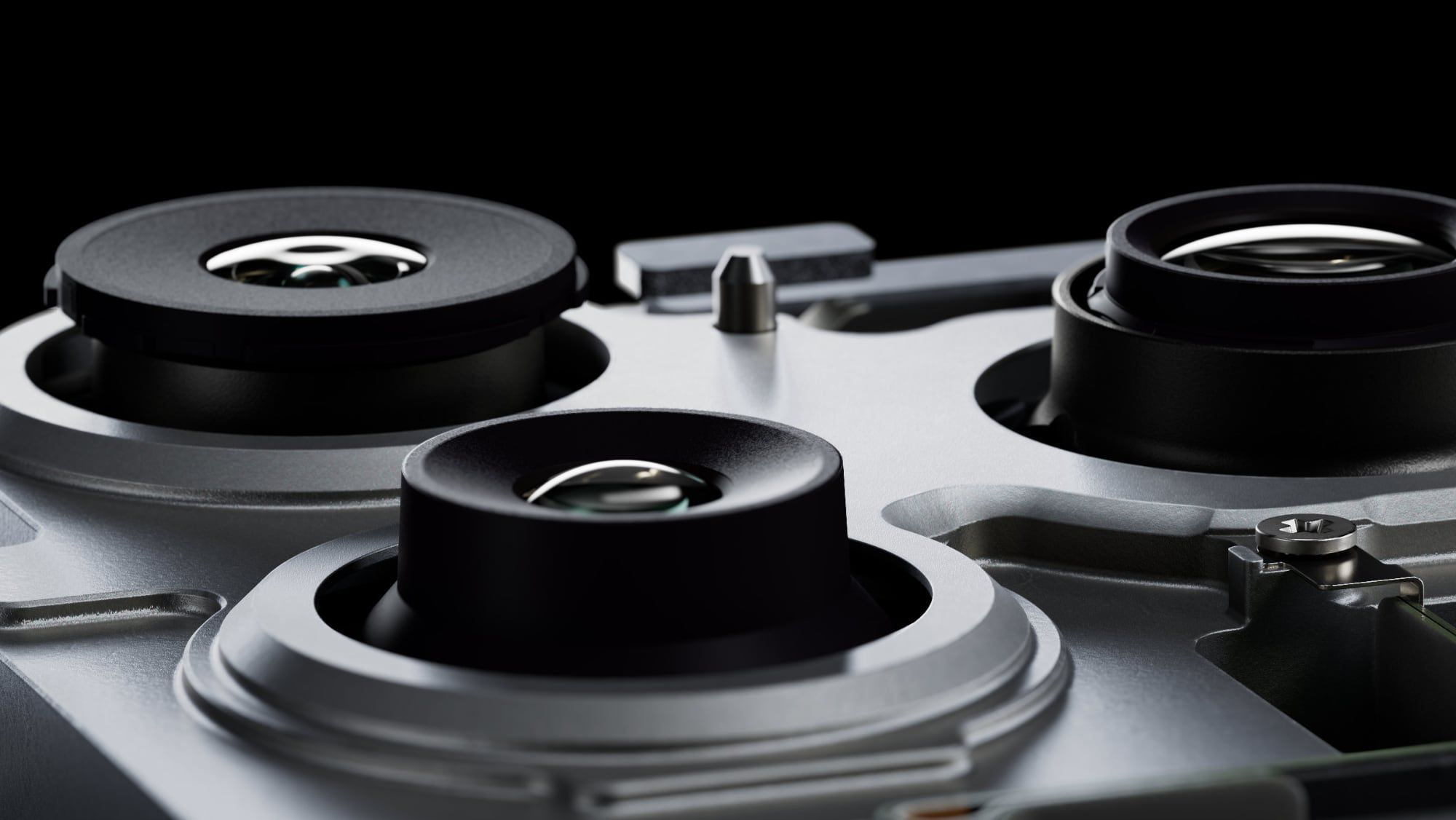
The rumored iPhone 18 Pro system is expected to utilize a motorized iris diaphragm, consisting of multiple overlapping blades. When these blades move, they can create a wider opening (a lower f-number, such as f/1.4) to let in more light, or a narrower opening (a higher f-number, such as f/8.0) to restrict it. This mechanical control offers three primary advantages: precise exposure management, control over depth of field, and improved image sharpness. By moving away from a fixed system, Apple is giving the iPhone 18 Pro the ability to adapt its physical hardware to the environment, rather than forcing the software to compensate for hardware rigidity.
Cinematic Advancements: Solving the Shutter Speed Dilemma
The most immediate benefit of a variable aperture, and the one likely to be highlighted most prominently by Apple’s marketing, is the improvement in outdoor video quality. In cinematography, there is a concept known as the "180-degree shutter rule," which dictates that for motion to look natural to the human eye, the shutter speed should be double the frame rate. For example, if a user is shooting at 24 frames per second, the ideal shutter speed is 1/48th of a second.
On current iPhones with fixed apertures, shooting in bright sunlight presents a problem. Because the aperture is wide open and cannot be closed, the sensor receives too much light. To prevent the image from being overexposed (blown out), the iPhone is forced to use an extremely high shutter speed, often exceeding 1/1000th of a second. This results in "staccato" or "choppy" motion, where every frame is unnaturally sharp, lacking the subtle motion blur that characterizes professional cinema.
With the iPhone 18 Pro’s variable aperture, the device can physically narrow the lens opening in bright conditions. This reduces the light intake, allowing the camera to maintain a slower, more cinematic shutter speed without overexposing the scene. The result is smoother, more fluid video that mirrors the quality of high-end film production. This feature will be particularly valuable for creators using "ProRes" video formats, further solidifying the iPhone’s position as a tool for professional videography.
Optical vs. Computational Bokeh
Beyond video, the variable aperture will fundamentally change how the iPhone handles "bokeh," or the aesthetic quality of the out-of-focus areas in a photograph. Since the introduction of Portrait Mode, Apple has used software algorithms to map the depth of a scene and artificially blur the background. While these algorithms have become incredibly sophisticated, they often struggle with complex edges, such as stray hairs or transparent objects, leading to a "rendered" or artificial look.
A variable aperture allows for "optical bokeh." By opening the aperture to its widest setting, the iPhone 18 Pro can create a shallow depth of field naturally through the laws of physics. This produces a gradual, organic blur that software struggle to replicate perfectly. Conversely, when taking landscape photos or group shots where everyone needs to be in focus, the user (or the system) can "stop down" the aperture to a smaller opening, increasing the depth of field and ensuring that both the foreground and background remain sharp. Furthermore, stopping down a lens often moves the light through the "sweet spot" of the glass, reducing optical aberrations and increasing edge-to-edge sharpness in high-light environments.
Chronology of Development and Competitive Context
The journey toward a variable-aperture iPhone has been several years in the making. While Apple is often not the first to introduce a specific hardware feature, it typically waits until the technology can be implemented with a high degree of refinement and ecosystem integration.
- 2018: Samsung introduces a dual-aperture system (f/1.5 and f/2.4) on the Galaxy S9. While innovative, it was limited to two fixed positions rather than a truly variable range.
- 2022-2024: Chinese manufacturers like Xiaomi and Huawei begin implementing multi-step variable apertures in their "Ultra" branded flagship phones, using miniaturized mechanical blades.
- Late 2024: First credible reports emerge from supply chain analysts, including Ming-Chi Kuo, suggesting Apple has begun sourcing components for a 2026 implementation of variable aperture technology.
- June 2026: Reports from Chinese leakers and analytics firms like IDC indicate that the iPhone 18 Pro will feature a significant price hike, partly due to the increased complexity of the new camera module.
- July 2026: Technical details emerge regarding the integration of the variable aperture with Apple’s upcoming A20 chip, which will reportedly feature a dedicated Image Signal Processor (ISP) designed to handle mechanical lens adjustments in real-time.
The "Pricing Problem" and Market Implications
The inclusion of such advanced mechanical hardware comes at a cost. Recent data from IDC and reports from the "MacRumors Show" suggest that the iPhone 18 Pro and iPhone 18 Pro Max may see a price increase of up to $200. This would push the starting price of the Pro Max model well beyond the $1,199 threshold, potentially reaching $1,399 or more for base storage configurations.
Several factors contribute to this projected hike:
- Component Complexity: A variable aperture requires precision-engineered moving parts that must be small enough to fit within a smartphone chassis while being durable enough to withstand thousands of actuations.
- 2nm Chip Architecture: The iPhone 18 Pro is expected to debut with Apple’s first 2nm processor, which carries significantly higher manufacturing costs than the previous 3nm generation.
- The Foldable Factor: Apple is expected to launch its first foldable iPhone alongside the 18 Pro series in September 2026. This "iPhone Fold" (or "iPhone Ultra") will likely occupy a new ultra-premium price tier, shifting the entire pricing structure of the lineup upward.
Market analysts suggest that Apple is positioning the iPhone 18 Pro as a "prosumer" device. By raising the price and the hardware ceiling, Apple is targeting users who might otherwise invest in entry-level mirrorless cameras from Sony or Canon. The goal is to provide a "one-device" solution that justifies its premium price through unparalleled versatility.
Industry Reactions and Analyst Forecasts
The reaction from the photography community has been cautiously optimistic. Professional photographers have long requested more manual control over the iPhone’s optical properties. "A variable aperture is the final frontier for smartphone cameras," says Nabila Popal, Senior Director of Data & Analytics at IDC. "We have reached the limits of what software can do with a fixed piece of glass. To move forward, you have to change the physics of the lens."
However, there remains a "big question mark" regarding the user interface. It is currently unclear whether Apple will allow users to manually select their aperture in the native Camera app or if the feature will be restricted to "Pro" modes or third-party apps like Halide. Historically, Apple prefers to automate complex settings to ensure a consistent experience for the average user. If the aperture is fully automated, the benefits will be felt "behind the scenes" through better-exposed videos and sharper photos, but enthusiasts may feel a lack of creative agency.
Broader Impact on the Smartphone Ecosystem
The introduction of a variable aperture on the iPhone 18 Pro is likely to trigger a new hardware arms race in the smartphone industry. While some competitors have already dabbled in this technology, Apple’s entry usually standardizes a feature for the mass market, forcing other manufacturers to refine their own implementations.
Furthermore, this development has implications for the repairability and durability of the device. Moving parts are inherently more prone to failure than solid-state components. Apple will likely need to introduce new shock-absorption technologies to protect the delicate iris blades from drops. From a repair standpoint, the camera module will likely become a single, non-serviceable unit, potentially increasing out-of-warranty repair costs for consumers.
As we approach the September launch, the iPhone 18 Pro stands as a testament to Apple’s willingness to embrace mechanical complexity in an era dominated by AI and software. If the rumors hold true, the variable aperture will not just be a spec-sheet addition; it will be a fundamental evolution in how we capture the world, providing a level of optical control previously reserved for those carrying a dedicated camera bag. Whether the market is ready for the accompanying $200 price hike remains to be seen, but for those focused on the art of the image, the iPhone 18 Pro may be the most significant upgrade in the device’s nearly 20-year history.