Google Health App Version 5.11 Rolls Out With Advanced Automatic Activity Tracking, Health Guardian Features, and Sleep Enhancements

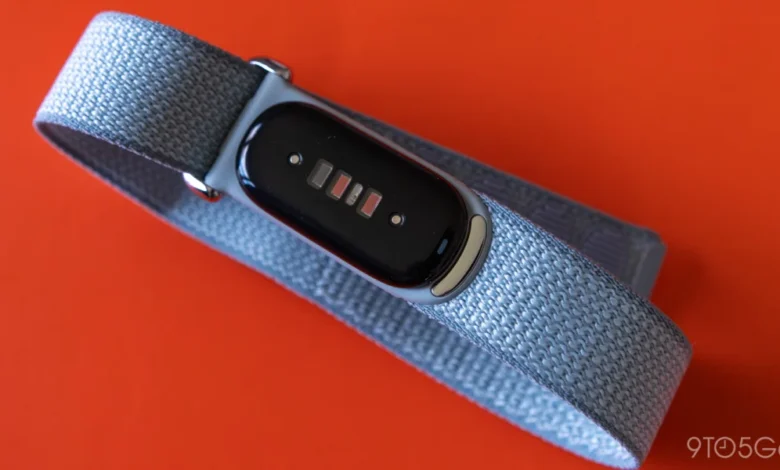
Google Health Version 5.11 is officially rolling out to users across both iOS and Android platforms, marking a significant software milestone for the company’s ecosystem of wearable devices. This latest update brings a robust suite of new capabilities aimed at enhancing how users monitor their daily physical activity, long-term wellness trends, and nightly rest. Designed to integrate deeply with supported Fitbit trackers and the Pixel Watch lineup, the 5.11 release bridges consumer-grade convenience with more sophisticated health-tracking analytics.
As digital health ecosystems become increasingly competitive, tech giants are continuously pushing the boundaries of what wrist-worn hardware can achieve. Google’s latest software drop emphasizes proactive health monitoring, refined automation, and deeper data visibility for subscribers and hardware owners alike.
Main Facts of the Google Health 5.11 Release
The rollout of Google Health 5.11 introduces several major upgrades to supported hardware, including expanded automatic activity tracking, subscription-based wellness monitoring tools, and refined sleep analysis mechanics.
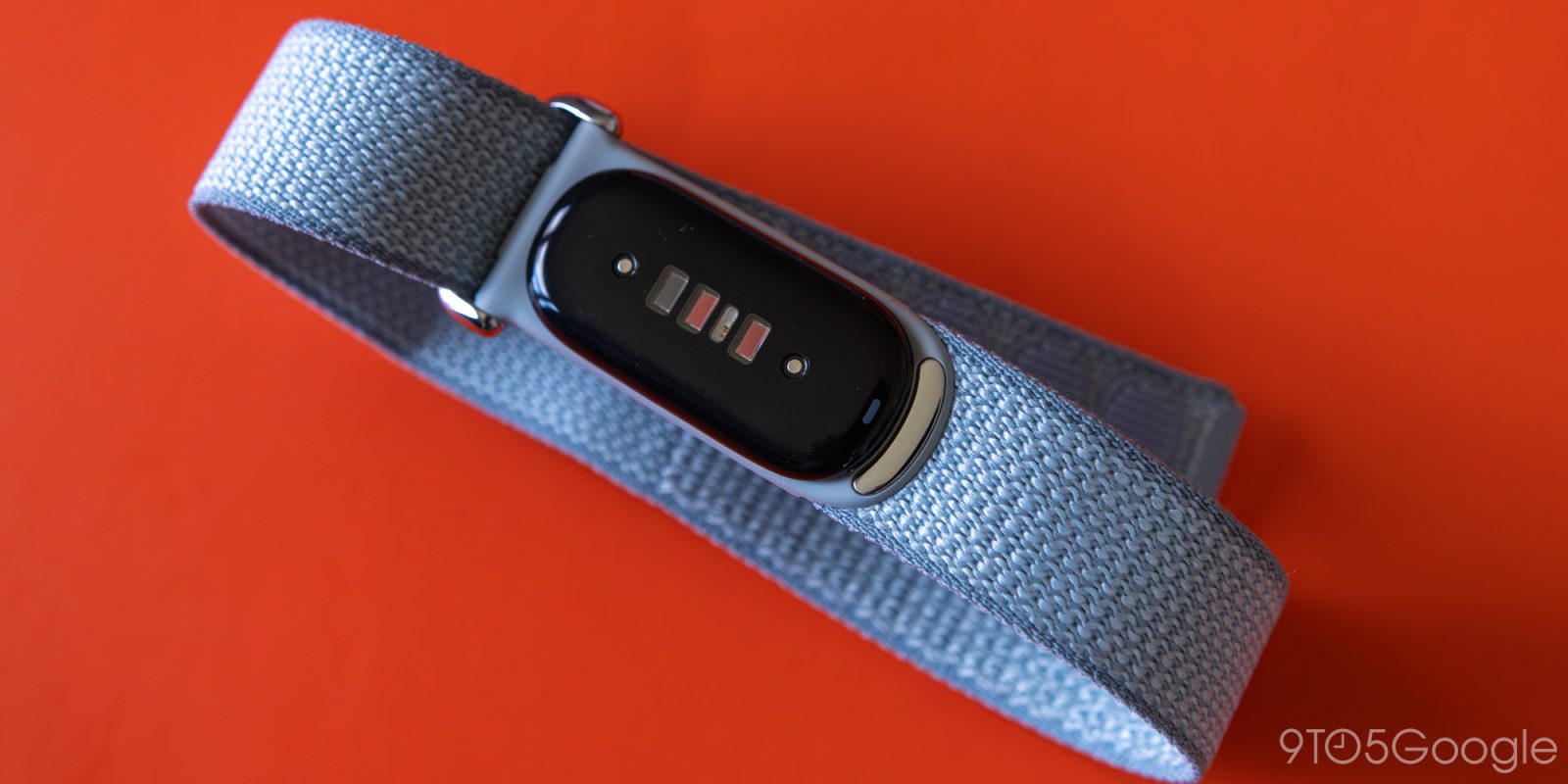
Foremost among these changes is the Improved Automatic Activity Tracking feature. This capability is now fully live for users wearing the Fitbit Air, as well as the Pixel Watch 3, Pixel Watch 4, and Pixel Watch 5. Furthermore, the upcoming Fitbit Edge—slated to hit shelves on October 27—will feature these advanced tracking capabilities right out of the box.
For users subscribed to Google Health Premium, the update unlocks two prominent Health Guardian features: blood pressure and insulin resistance trend monitoring. Subscribers who set up these metrics can anticipate receiving their inaugural comprehensive health reports at the beginning of November. In tandem with these additions, Google has streamlined its terminology across the platform, officially rebranding blood glucose tracking to simply “Glucose” throughout the application interface, complete with modernized charts and visual graphs designed to make glycemic trends easier to interpret.
Additionally, the update addresses long-standing user requests regarding sleep analytics. Version 5.11 introduces improved sleep tracking capabilities, specifically targeting enhanced wake detection accuracy and more flexible nap editing tools.
Chronology and Rollout Timeline
The deployment of Google Health 5.11 follows a carefully planned release schedule aligned with Google’s broader hardware and software strategy for late 2026.
The software update began reaching compatible devices through app stores starting in late October 2026. For iOS users, the application update is already live and downloadable via the Apple App Store. Meanwhile, the rollout for Android users via the Google Play Store is occurring in stages to ensure server stability, with full global availability expected within days of the initial launch.
Hardware compatibility is structured around specific product generations. Devices like the Pixel Watch 3, 4, and 5, alongside the recently debuted Fitbit Air, received immediate software enablement for the new automatic activity detection algorithms. Meanwhile, upcoming hardware launches are being synchronized with the software ecosystem; notably, the Fitbit Edge is scheduled to launch on October 27 with these features pre-integrated.
For Health Guardian features, the timeline extends slightly into the data-gathering phase. Users who configure the new blood pressure and insulin resistance trend analysis tools immediately upon updating will build a localized dataset throughout the remainder of October, culminating in the generation of the first formal reports in early November.
Supporting Data and Ecosystem Integration
The convergence of Google Health and Fitbit continues to mature as Google consolidates its wearable strategy. By unifying health metrics under a singular app infrastructure, the company aims to provide a centralized dashboard for physiological data.
Automatic activity detection has historically been a pain point for wearable users, frequently misidentifying workouts or failing to capture impromptu physical exertion. By deploying the updated detection algorithms to the Pixel Watch 3, 4, and 5, as well as the Fitbit Air and Edge, Google is standardizing activity recognition across its diverse hardware portfolio. This ensures that whether a user wears a traditional fitness band or a premium smartwatch, the underlying machine learning models for recognizing runs, walks, and cycling sessions operate with comparable precision.

The inclusion of blood pressure and insulin resistance trends behind the Google Health Premium paywall underscores Google’s strategy of tiering advanced analytical tools. While basic tracking remains free, longitudinal predictive modeling and specialized health guardian reports require a subscription. This mirrors industry standards set by competitors like Apple, Oura, and Whoop, where raw sensor data is provided freely, but deep diagnostic insights and trend reports are monetized.
The nomenclature shift from "blood glucose" to "Glucose," accompanied by redesigned charts, reflects a user experience focus on clarity and reduced cognitive load. For individuals managing metabolic conditions, clean data visualization is critical for daily decision-making.
Broader Impact and Market Implications
The release of Google Health 5.11 arrives at a critical juncture for the digital health market. Regulatory bodies globally are scrutinizing the claims made by consumer wellness devices, pushing manufacturers to ensure that trend-monitoring features are both accurate and framed responsibly.
By introducing Health Guardian tools focused on insulin resistance and blood pressure trends, Google is walking a fine line between medical diagnostic tools and wellness guidance. The decision to deliver these metrics as "trends" rather than instantaneous diagnostic readings protects the company from regulatory hurdles while still providing immense value to health-conscious consumers. These insights allow users to notice gradual shifts in their physiological baseline over weeks and months, empowering them to have more informed conversations with primary care physicians.
Furthermore, the emphasis on sleep tracking refinements—specifically wake detection and nap editing—addresses some of the most common consumer complaints regarding modern wearables. Automated sleep tracking often struggles with fragmented sleep or daytime napping, misclassifying periods of quiet rest as actual sleep, or failing to record short naps. By introducing robust nap editing tools, Google is acknowledging that human sleep schedules are rarely monolithic, particularly for shift workers, parents, or individuals with non-traditional routines.
As the Fitbit Edge prepares for its October 27 retail debut, the simultaneous rollout of Version 5.11 ensures that new buyers will enter a mature, feature-complete software environment rather than waiting months for day-one software stability. This coordinated launch strategy demonstrates an increasingly cohesive hardware-software pipeline within Google’s consumer division.
Ultimately, Google Health 5.11 reinforces the company’s long-term commitment to proactive, continuous health monitoring. By blending automated activity recognition, subscription-backed physiological trend analysis, and refined sleep tracking, Google is positioning its ecosystem as an indispensable daily companion for wellness management. As the update completes its rollout across iOS and Android, millions of users will gain access to tools that transform raw biometric sensor data into actionable, easy-to-understand health insights.