Oura Health Escalates Legal Battle Against Ultrahuman Over Smart Ring Patent Infringement Claims

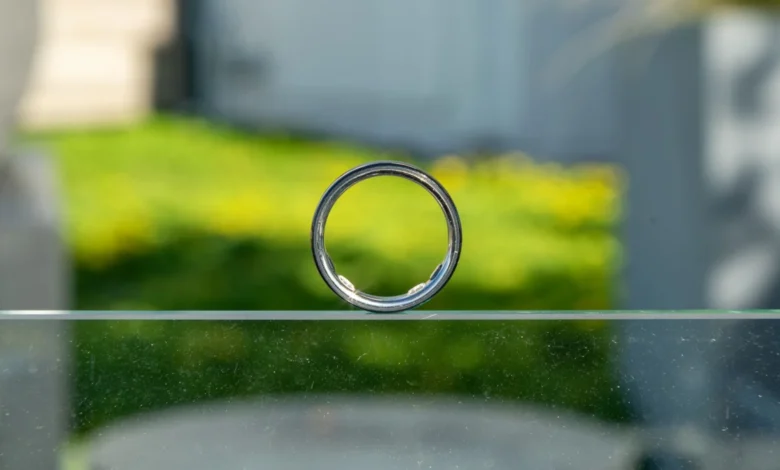
The intensifying rivalry in the rapidly expanding smart ring market has reached a new legal milestone as Oura Health, the industry’s long-standing leader, has filed a fresh lawsuit against its competitor, Ultrahuman. The legal action, centered on allegations of patent infringement, threatens to disrupt the distribution of the Ultrahuman Ring Pro within the United States. This move marks a significant escalation in a multi-year corporate standoff that has seen both companies trade accusations of intellectual property theft, signaling the high-stakes environment currently defining the wearable health technology sector.
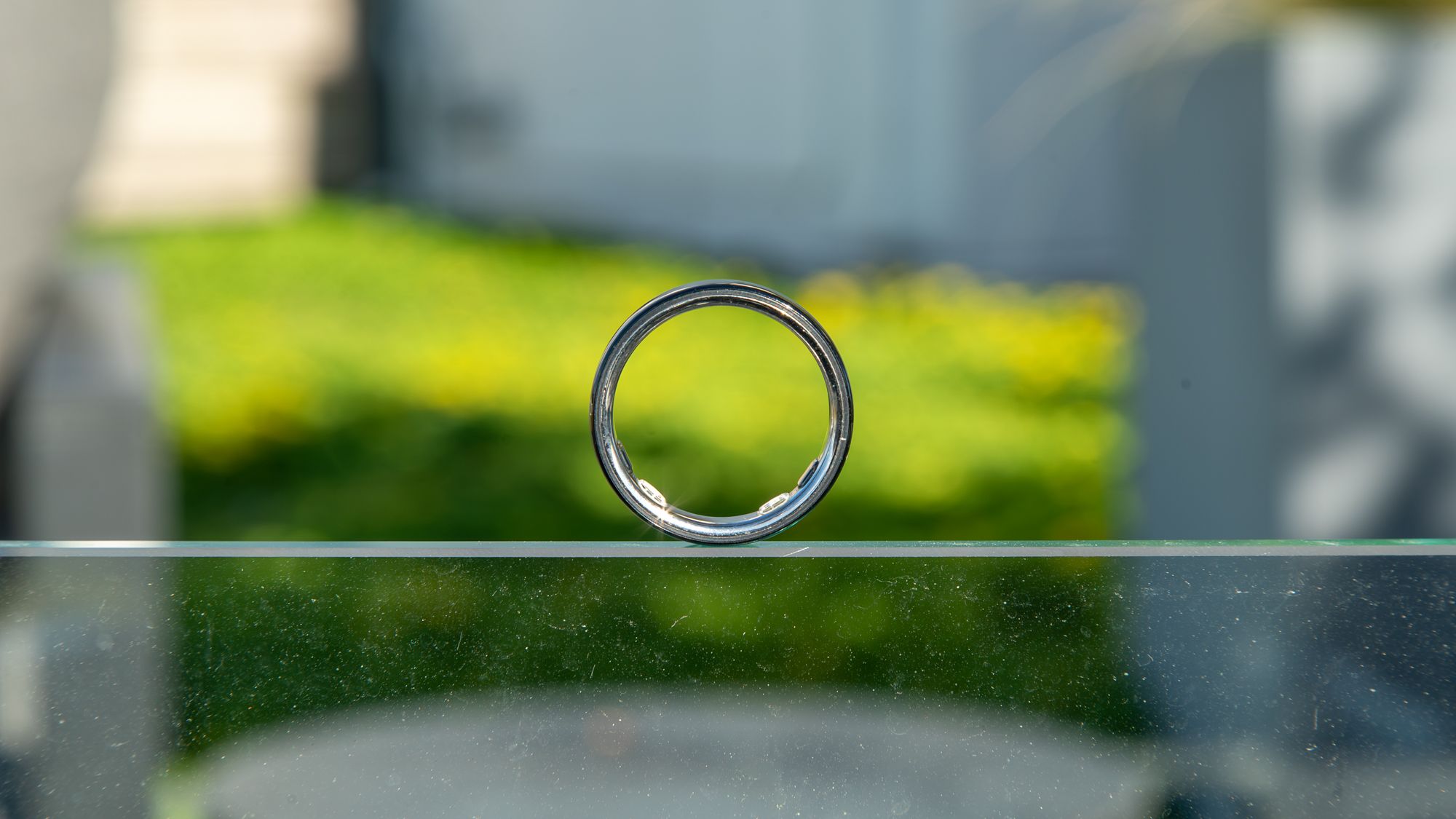
At the heart of the latest filing are claims by Oura that the Ultrahuman Ring Pro violates specific patents related to both the physical design and the internal component architecture of its own devices. Oura has explicitly pointed to the ring’s curved battery, circuit board configuration, magnet placement, and integrated sensor suite as evidence of unauthorized utilization of its proprietary innovations. This litigation is not merely a dispute over minor design choices; it represents a fundamental disagreement regarding the engineering standards that define modern smart rings.
A Strategic Timing of Legal Maneuvers
The timing of this lawsuit has drawn considerable scrutiny from industry analysts. Oura was granted a critical internal-component patent, identified as 12,769,363, by the U.S. Patent and Trademark Office on October 20, 2026. Barely 48 hours later, the company initiated its lawsuit against Ultrahuman. This rapid transition from patent acquisition to legal enforcement suggests a highly coordinated strategy by Oura to utilize its newly secured intellectual property to exert pressure on its competitor.
Oura’s spokesperson underscored the company’s position, asserting that Ultrahuman possesses a documented history of mimicking Oura’s R&D efforts. This claim references a 2025 ruling by the International Trade Commission (ITC), which initially hindered Ultrahuman’s ability to distribute its products in the American market. According to Oura, despite Ultrahuman’s attempts to release a redesigned version of its hardware, the company has failed to resolve the underlying issues of patent infringement. By seeking both an injunction to halt sales and monetary damages, Oura is aiming to effectively neutralize the competitive threat posed by the Ring Pro, which was intended to be Ultrahuman’s definitive reentry into the U.S. consumer landscape.
Chronology of a Heated Rivalry
The friction between Oura and Ultrahuman is not a recent development but rather the culmination of years of escalating tension. The rivalry has been characterized by a tit-for-tat legal strategy that reflects the broader "patent wars" frequently seen in the consumer electronics industry.
In 2025, the narrative was reversed when Ultrahuman launched a preemptive legal strike against Oura. At that time, Ultrahuman alleged that Oura’s Ring 4 incorporated technology that was directly derived from Ultrahuman’s own patented advancements. The focus of that dispute was primarily on software-driven health features, including sophisticated sleep tracking, circadian rhythm analysis, and specialized tools for women’s health. Ultrahuman maintained that it had "pioneered" these features, positioning itself as a defender of open-source health data and a champion of innovation originating from India.
The philosophical divide between the two firms has also played a role in their public posturing. Oura has historically relied on a subscription-based business model, which allows it to generate recurring revenue through its premium app features. Conversely, Ultrahuman has marketed its products by emphasizing the absence of a recurring paywall, instead offering features through its "PowerPlugs" system. Ultrahuman has consistently framed its legal challenges not merely as defensive maneuvers for its intellectual property, but as a broader effort to champion consumer choice and challenge the dominance of established players in the Western wearable market.
The Landscape of the Smart Ring Market
The smart ring category has transitioned from a niche segment to a mainstream product tier, driven by consumer demand for less invasive, "always-on" biometric monitoring. As the market matures, the differentiation between products has narrowed, leading companies to prioritize patent portfolios as a primary moat to protect their market share.
For consumers, the uncertainty created by these lawsuits is palpable. The Ultrahuman Ring Pro has been praised for its 15-day battery life and its integration of "biointelligent" AI, which provides users with actionable health insights. Furthermore, Ultrahuman has sought to expand its ecosystem through strategic partnerships, such as its recent collaboration with HealthEx. This integration allows users to sync their wearable data with official medical records, creating a more cohesive view of their health that can be shared directly with healthcare providers. Additionally, the introduction of the "Heart Scan" feature—which promises a comprehensive heart health snapshot in just sixty seconds—has further intensified the pressure on Oura to maintain its technological edge.
Official Responses and Future Outlook
Mohit Kumar, the co-founder and CEO of Ultrahuman, has remained defiant in the face of the new legal challenge. In a statement provided to the media, Kumar highlighted the aggressive nature of Oura’s strategy, specifically pointing out that the litigation was filed almost immediately after the relevant patent was granted. He clarified that as of the current date, no court orders have been issued to prevent the sale of the Ring Pro to U.S. consumers, and the company intends to continue its operations as planned.
The implications of this lawsuit extend beyond the two companies involved. If Oura successfully secures an import ban or a permanent injunction against the Ultrahuman Ring Pro, it could establish a precedent that makes it significantly more difficult for emerging wearable startups to enter the U.S. market. Conversely, if Ultrahuman prevails, it could weaken the protective barrier that established patent holders currently enjoy, potentially encouraging more competition in the smart ring space.

From a legal standpoint, the outcome will likely hinge on the specific technical claims regarding the internal components cited in patent 12,769,363. Expert testimony will be required to determine whether the architecture of the Ultrahuman Ring Pro constitutes a distinct engineering advancement or an infringing copy. Given the complexity of modern hardware engineering, these cases often take years to resolve, meaning the competitive landscape will likely remain in a state of flux for the foreseeable future.
Broader Implications for Wearable Tech
The industry is watching these proceedings with keen interest, as they mirror the early days of the smartphone wars, where software and hardware patents were weaponized to dictate market dominance. For the consumer, the primary concern remains the reliability and availability of the products they purchase. The constant threat of litigation and potential product recalls can create a sense of instability for users who have invested in these platforms for long-term health tracking.
Ultimately, the battle between Oura and Ultrahuman is a symptom of a market that is reaching a critical inflection point. As these devices move closer to medical-grade diagnostic tools, the value of the intellectual property behind them increases exponentially. Both firms have made it clear that they are prepared to use the legal system as an extension of their competitive strategy. While Oura seeks to solidify its position as the market leader through rigorous patent enforcement, Ultrahuman is betting on its ability to out-innovate and out-maneuver its rival, even while navigating a hostile legal environment.
As the case progresses through the court system, both companies will continue to roll out new features and updates, attempting to capture the hearts and wrists of consumers while their legal teams prepare for what promises to be a protracted and costly dispute. Whether this leads to a settlement or a landmark court ruling, the ripple effects will undeniably shape the future of wearable technology for years to come.