General Motors Maintains Strategy to Phase Out Apple CarPlay in Future Electric Vehicles

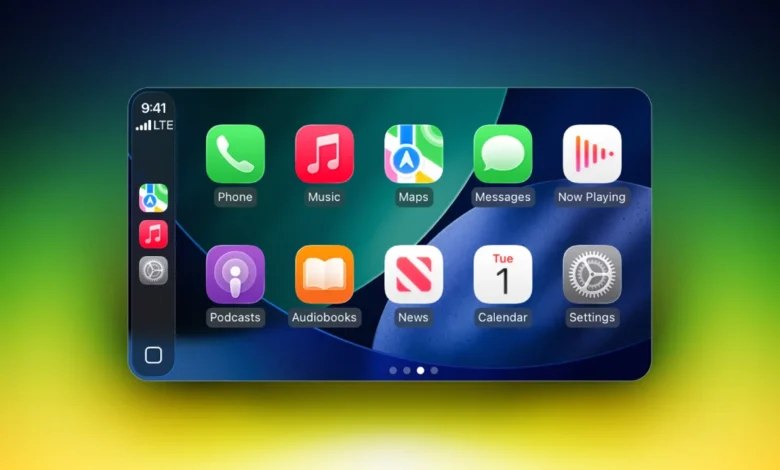
General Motors has officially clarified its position regarding the integration of smartphone mirroring technologies in its upcoming vehicle lineup, effectively silencing recent speculation that the automotive giant was abandoning its plans to phase out Apple CarPlay and Android Auto. Despite reports suggesting a potential policy reversal, the automaker remains steadfast in its commitment to transition toward a proprietary, subscription-based infotainment ecosystem for its future electric vehicle (EV) fleet.
The confusion, which circulated widely across financial and tech news sectors earlier this week, originated from observations of the 2027 Chevrolet Silverado and GMC Sierra models. These vehicles feature a new software interface that allows for the simultaneous display of Apple CarPlay and Android Auto alongside GM’s native infotainment suite. However, a company spokesperson, as noted by industry analyst Joanna Stern, confirmed that this dual-interface capability is strictly limited to the manufacturer’s internal combustion engine (ICE) pickup trucks.
The Chronology of the CarPlay Controversy
The friction between General Motors and Apple began in earnest during the first quarter of 2023, when GM announced its intention to move away from smartphone mirroring systems in favor of an integrated software platform developed in collaboration with Google. The decision, which GM executives argued would allow for deeper integration with vehicle battery management systems and autonomous driving sensors, sparked immediate pushback from consumer advocacy groups and Apple loyalists.
Throughout 2024 and 2025, the automotive industry watched closely as GM rolled out its Ultium-based EVs—such as the Blazer EV and the Equinox EV—without native support for CarPlay or Android Auto. The absence of these features was a significant departure from industry standards, where smartphone integration had become a primary selling point for prospective car buyers.
By mid-2026, the debate reached a crescendo. As consumers increasingly cited infotainment ease-of-use as a deciding factor in vehicle purchases, industry experts began to question whether GM’s "walled garden" approach would result in lost market share. The recent misinterpretation of the 2027 Silverado and Sierra specs serves as a testament to the high level of public interest and anxiety surrounding the disappearance of these ubiquitous digital tools.
Distinguishing Between Gas and Electric Strategies
To understand GM’s current roadmap, one must distinguish between the automaker’s short-term bridge strategy and its long-term vision. GM has consistently maintained that its gas-powered vehicles—which currently provide a significant portion of the company’s revenue—would continue to support smartphone mirroring for the "foreseeable future." This decision is widely interpreted as a pragmatic move to avoid alienating traditional truck buyers who prioritize utility and familiarity over the advanced, data-harvesting potential of a native GM operating system.
However, the strategy for the EV portfolio remains starkly different. The inclusion of CarPlay in the 2027 Cadillac LYRIQ stands as an outlier in this transition. While it is currently unclear if the LYRIQ will remain a long-term exception due to its premium positioning or if it represents one of the final EVs to feature the technology, GM has signaled that this is not an indicator of a broader policy shift. The company’s stated goal remains the total migration of its EV lineup to its proprietary software, which is designed to integrate navigation, charging infrastructure management, and vehicle performance data into a single, seamless interface.
The Financial and Technical Implications
The shift away from CarPlay is driven by more than just hardware compatibility. From a business perspective, the transition allows General Motors to exert greater control over the vehicle’s "digital real estate." By utilizing its own software, GM aims to monetize the user experience through recurring revenue streams, including premium navigation services, over-the-air performance upgrades, and integration with third-party lifestyle applications.
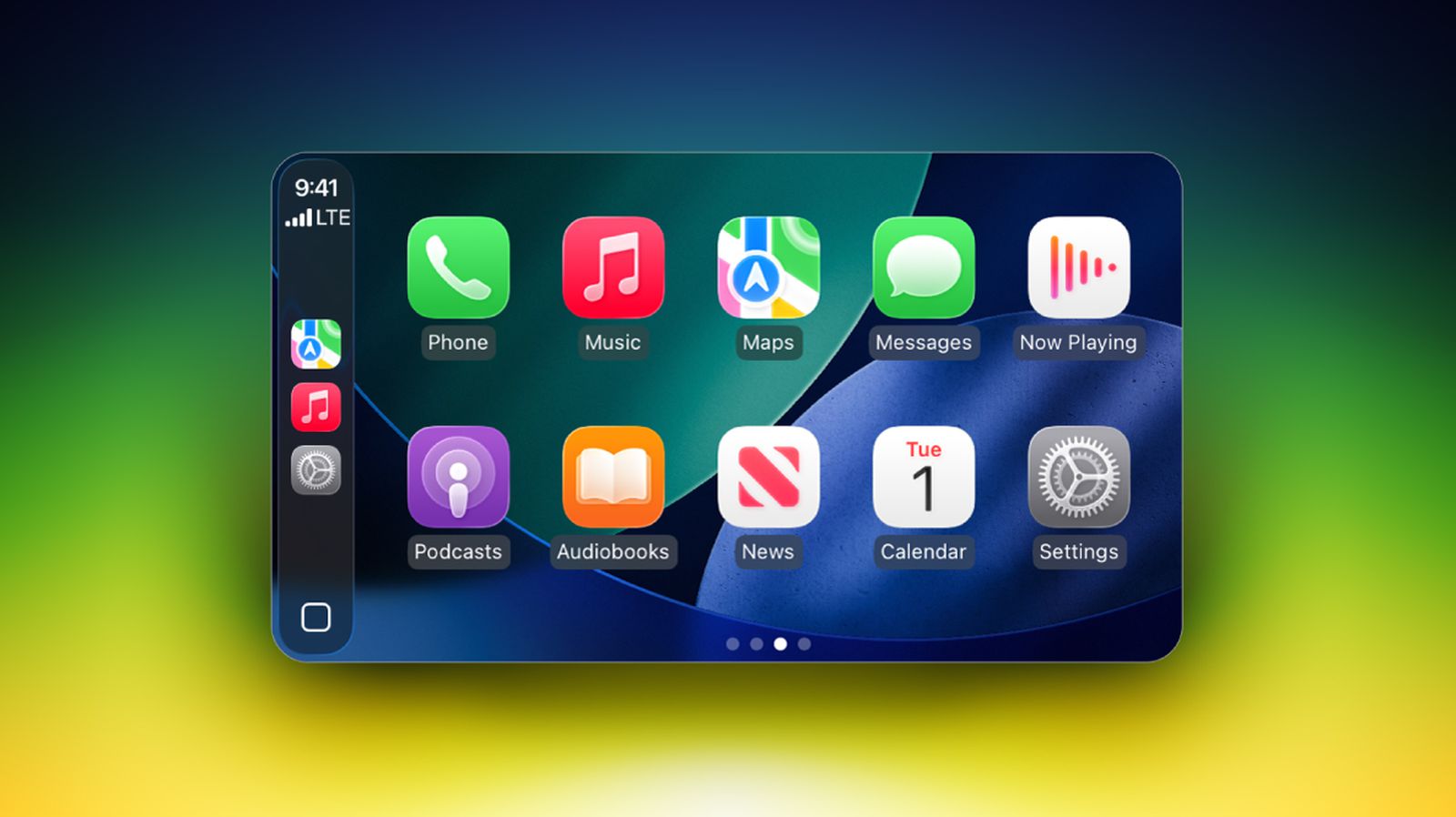
Industry analysts suggest that this pivot is a calculated risk. While the removal of CarPlay may simplify the internal architecture of the vehicle, it also removes a feature that consistently ranks as one of the most requested amenities in customer satisfaction surveys. According to data from various automotive research firms, nearly 80% of new car buyers consider smartphone integration a "must-have" feature. By opting out, GM is essentially asking its customers to trust that its native software will provide a superior or at least equivalent experience to the mature and highly optimized ecosystems provided by Apple and Google.
Broader Industry Trends and Competitor Responses
The landscape of in-car technology is currently in a state of flux. While General Motors is aggressively pursuing a proprietary software future, other manufacturers are taking different paths. Rivian, for example, has echoed sentiments similar to GM’s, suggesting that the "CarPlay debate" will eventually become obsolete as native systems evolve to offer greater functionality. Conversely, legacy brands such as Hyundai, Kia, and Volvo have continued to embrace Apple’s latest iterations of CarPlay, including the highly anticipated "next-generation" CarPlay that promises to take over multiple screens within the dashboard.
The technological competition is further intensified by the rapid advancement of voice-integrated AI. As seen in recent developments, companies like Anthropic are actively integrating advanced chatbots into CarPlay environments. This allows users to access sophisticated AI assistants directly through the existing infrastructure of their vehicles. For consumers, this highlights a growing divide: stay with a platform that is rapidly evolving via the phone in their pocket, or move to a vehicle-centric system that promises deeper, yet more restricted, integration.
The Role of Software in Modern Vehicle Lifecycle
Modern vehicles are increasingly being described as "computers on wheels," and the battle over the infotainment system is a proxy for control over the entire customer relationship. If an automaker controls the interface, it controls the data, the advertising opportunities, and the service ecosystem.
For the average consumer, the implications are profound. If a vehicle’s native software is poorly optimized, lacks regular updates, or becomes obsolete as the hardware ages, the user experience suffers significantly compared to the constant evolution of iOS or Android. Apple’s latest updates to CarPlay, such as the introduction of custom widgets and expanded vehicle integration, demonstrate how quickly the platform is moving. If GM’s internal software cannot keep pace with these third-party innovations, the company may find itself forced to reconsider its stance in the coming years.
Conclusion and Future Outlook
General Motors finds itself at a critical juncture. The company is betting that the long-term benefits of owning its software stack—including data control and potential recurring revenue—outweigh the immediate consumer demand for Apple CarPlay. While the confusion surrounding the 2027 pickup trucks has been cleared, the underlying tension remains.
As the automotive industry moves toward an all-electric future, the definition of a "premium" vehicle is shifting from mechanical performance to digital sophistication. Whether GM can successfully convince its customer base that its proprietary system is a valid replacement for the world’s most popular smartphone interfaces remains to be seen. For now, the company has doubled down on its commitment, signaling that for its future electric fleet, the digital interface will be entirely of its own making, leaving no room for the smartphone mirroring systems that have defined the driving experience for the past decade.
Moving forward, stakeholders will be watching the adoption rates of GM’s new EVs with extreme scrutiny. If sales remain robust, GM will have successfully navigated a risky transition; if consumer demand wanes, the company may eventually be forced to reckon with the reality that, in the digital age, the user experience provided by a smartphone is often the most important feature a car can offer.