Google Antigravity Lands on Android Ahead of Googlebook Debut Bringing Autonomous Agent Development to Mobile Hardware

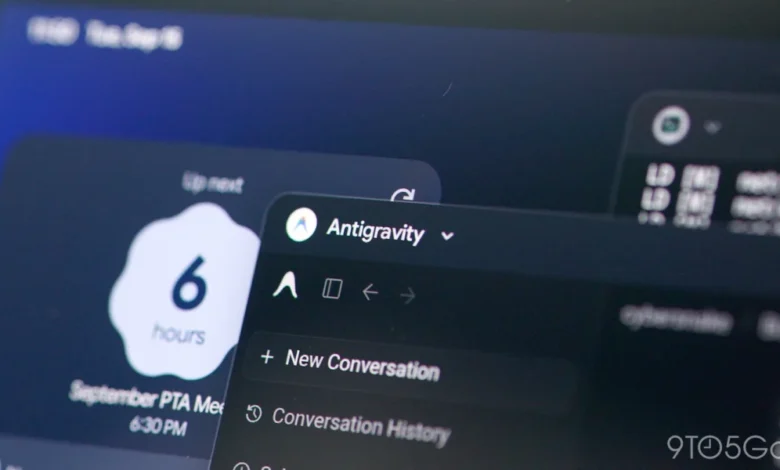
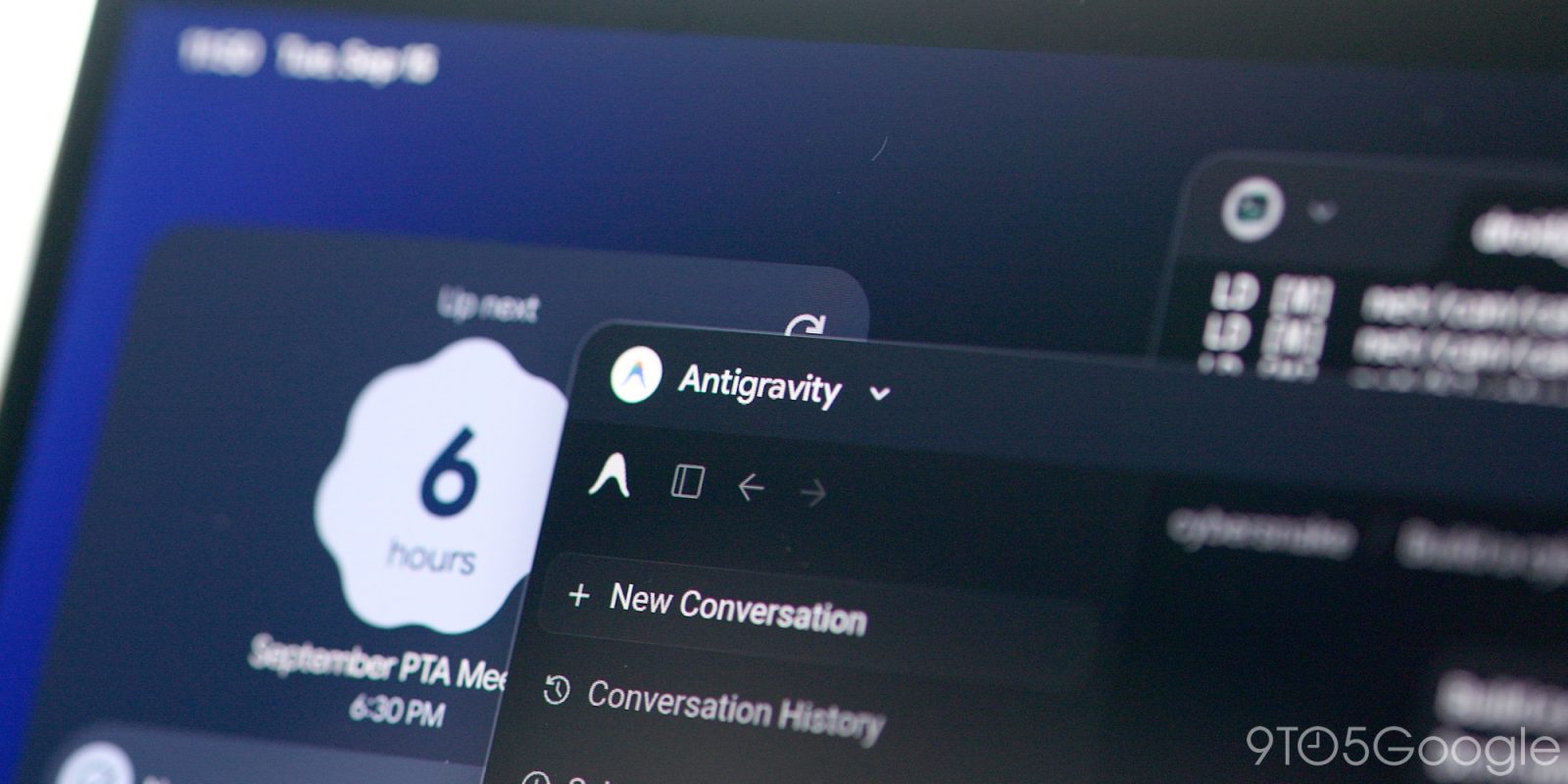
Google has officially released its agent-first development platform, Google Antigravity, to the Google Play Store, marking a critical milestone ahead of the much-anticipated launch of the Googlebook. The application, identified by the package name com.google.android.apps.antigravity and currently sitting at version 2026.09.23.988012583, brings a native mobile interface to Google’s sophisticated suite of autonomous coding and development tools.
Initially introduced as a desktop-class environment for macOS, Windows, and Linux, the arrival of Antigravity on Android signifies Google’s aggressive push to turn its upcoming hardware ecosystem into a powerhouse for software engineering. Designed to act as a centralized "mission control," the platform enables developers to work alongside, steer, and monitor AI agents that operate autonomously in the background. While the mobile app interface mirrors the core layout of its desktop counterparts, its debut on Googlebook OS highlights Google’s vision of blending lightweight mobile operating systems with robust, developer-centric Linux environments.
The Evolution of Agentic Development: A Brief Chronology
To understand the significance of Antigravity’s arrival on Android, one must examine the rapid evolution of Google’s agentic developer suite over the past several years. The platform first gained widespread industry attention following its conceptual rollout, but it truly matured with the release of version 2.0 at Google I/O in May 2026.
During that developer conference, Google positioned Antigravity not merely as another integrated development environment (IDE), but as a paradigm shift in how software is written. Traditional development relies heavily on manual syntax input and direct human debugging. Antigravity introduced a paradigm where human developers act more like project managers or directors, overseeing autonomous AI agents that write boilerplate code, refactor legacy systems, run automated test suites, and deploy applications in isolated background threads.
Following the May 2026 announcement, Google rapidly iterated on the platform, deploying desktop clients for macOS, Windows, and Linux. These updates rolled out on a near-weekly basis, introducing advanced agent orchestration, multi-model support, and deeper integration with cloud repositories. The September 2026 release of the Android-native application represents the logical next phase of this roadmap, bridging the gap between traditional workstation setups and emerging portable computing form factors.
Integration with the New Googlebook and Linux Environment
The primary catalyst for the Android release of Antigravity is the imminent launch of the Googlebook. Positioned as a high-end productivity and development machine, the Googlebook features a built-in, robust Linux environment designed to run alongside its primary operating system.
The newly launched Android application is engineered to interface directly with this underlying Linux subsystem. According to documentation accompanying the Play Store release, developers can leverage the app to "create and deploy apps right on your Googlebook." This capability essentially transforms the laptop into a portable, self-contained development station where complex, agent-driven workflows can be executed away from traditional desktop setups.
However, hardware compatibility at launch remains strictly defined. Currently, the Antigravity Android app is optimized exclusively for Googlebook OS. While the user interface scales adequately to accommodate larger tablet and foldable form factors, Google has not yet confirmed whether the app will be officially supported or optimized for standard smartphone screens. Industry analysts note that running complex agentic workflows on smaller mobile displays presents significant user experience challenges, particularly regarding code readability and multi-window agent monitoring.
Ecosystem Choices: Antigravity, Claude Code, and OpenAI Codex
Google is entering a fiercely competitive landscape for AI-assisted development tools. By opening Antigravity to the Googlebook platform, the company is ensuring that its hardware remains open and flexible rather than locked into a proprietary ecosystem.
Alongside the native Antigravity Android app, developers using Googlebooks retain the freedom to install the traditional Linux version of Antigravity. Furthermore, the platform natively supports competing and complementary developer tools, including Anthropic’s Claude Code and OpenAI’s Codex. Developers also retain the option to install the Antigravity Command Line Interface (CLI) directly through the Googlebook terminal, catering to developers who prefer terminal-based workflows over graphical user interfaces.
This multi-faceted approach reflects a pragmatic shift in the developer tooling market. Rather than forcing developers into a single walled garden, Google is positioning the Googlebook as a universal canvas capable of running multiple agentic systems simultaneously. Whether a developer chooses Google’s native Antigravity agents or third-party solutions like Codex and Claude Code, the hardware is engineered to support heavy computational loads locally and via cloud offloading.
Feature Parity and Future Roadmap Challenges

As the Antigravity platform expands across desktop and mobile operating systems, maintaining feature parity remains a central challenge for Google’s engineering teams. On desktop platforms like macOS and Windows, Antigravity has been receiving major feature updates on a weekly basis, rapidly adapting to new AI models and developer demands.
It remains to be seen whether the Android-native version will maintain simultaneous feature parity with these rapidly evolving desktop builds. Mobile app distribution through the Google Play Store involves a review process and deployment cadence that traditionally moves slower than continuous integration pipelines used for web-based or local desktop software.
Nevertheless, the core philosophy of the mobile app—serving as a monitoring and steering dashboard rather than a heavy compilation engine—may help mitigate these discrepancies. Because the heavy lifting of agentic execution occurs either in the background Linux environment or via cloud infrastructure, the mobile app functions primarily as a lightweight control center.
Broader Implications for the Software Development Industry
The integration of Antigravity into Googlebook OS and Android is indicative of a broader industry trend: the decoupling of software engineering from stationary desktop workstations. For decades, serious application development required powerful desktop towers or specialized laptops tethered to physical desks.
By enabling full agentic development workflows on portable Googlebook hardware—controlled via native Android applications—Google is accelerating the era of mobile and nomadic engineering. Developers can now queue up autonomous agents to refactor codebases, execute test scripts, and manage continuous deployment pipelines while away from their primary offices.
Furthermore, the rise of agentic platforms like Antigravity signals a fundamental transformation in the daily responsibilities of software engineers. As autonomous agents take over routine coding, error checking, and deployment tasks, human developers are increasingly required to focus on high-level architecture, system design, and prompt steering.
As the Googlebook launch approaches, the availability of Antigravity on the Google Play Store serves as a clear signal of Google’s hardware and software strategy. By marrying autonomous AI agents with native mobile infrastructure and flexible Linux environments, Google is attempting to redefine what a modern developer’s workstation looks like. Whether the broader developer community embraces Googlebook OS as a primary development environment will depend heavily on the continued reliability, speed, and autonomy of the Antigravity platform in real-world deployment scenarios.