IPhone 16 Pro vs iPhone 18 Pro A Comprehensive Buyer’s Guide to Apple’s Two Year Evolution

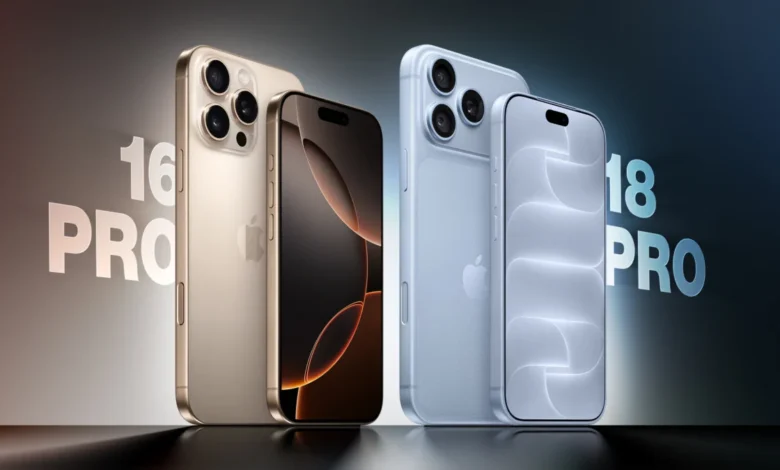
Apple officially unveiled the iPhone 18 Pro and iPhone 18 Pro Max during its September 2026 "Surprise and Shine" event, marking a significant technological leap for users who have maintained their hardware since the 2024 iPhone 16 series. By skipping a standard annual upgrade cycle, consumers are presented with a device that reflects two years of intensive research and development, encompassing over 50 distinct hardware and software refinements. While the iPhone 17 Pro introduced the transition from titanium to an aluminum unibody and integrated vapor chamber cooling, the iPhone 18 Pro solidifies these advancements while introducing a new paradigm in mobile photography and processing efficiency.
The transition from the iPhone 16 Pro to the iPhone 18 Pro represents more than a simple iterative refresh; it is a consolidation of architectural shifts. In 2024, the iPhone 16 Pro utilized the A18 Pro chip, a 3nm marvel that set the standard for on-device machine learning. Two years later, the A20 Pro chip utilizes TSMC’s cutting-edge 2nm process, moving beyond the capabilities of its predecessor with a 7-core GPU and a dual 16-core Neural Engine. This hardware acceleration is critical for the increasingly complex demands of Apple Intelligence, which has evolved from basic generative text tasks to real-time, high-fidelity multimodal processing.
The Architectural and Design Evolution
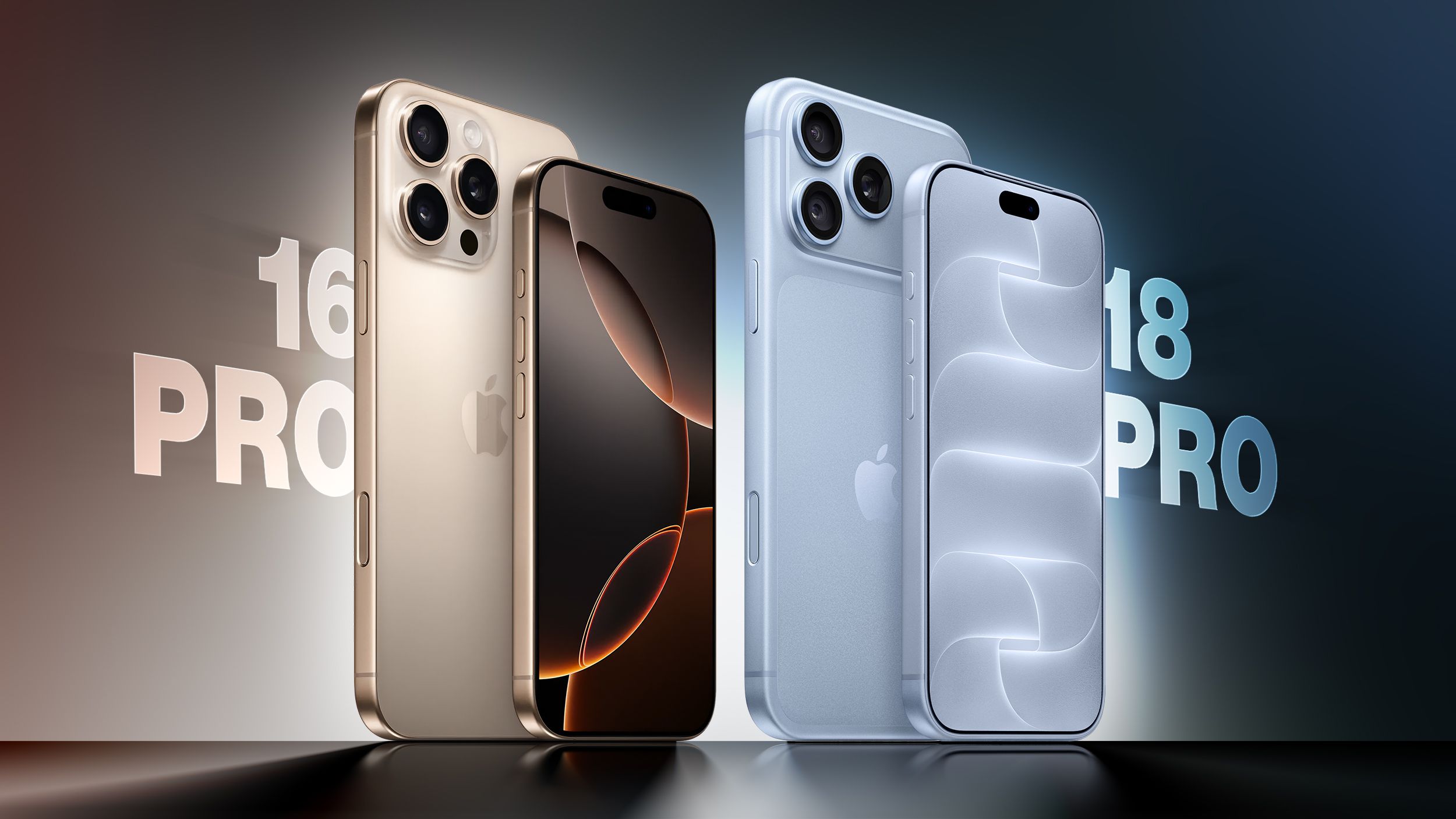
When comparing the industrial design of the 2024 flagship to the 2026 model, the most immediate shift is the physical composition of the chassis. The iPhone 16 Pro relied on a titanium frame, a material celebrated for its lightweight strength. However, the iPhone 18 Pro has pivoted to an aluminum unibody design. This choice, paired with the new Ceramic Shield 2, has yielded a device with three times the scratch resistance of the iPhone 16 Pro.
The aesthetic changes are equally functional. The camera array has transitioned from a glass-backed, rounded square bump to a full-width aluminum plateau. This design choice, while slightly increasing the device’s thickness to 8.75mm, allows for better heat dissipation and the integration of the internal vapor chamber system. Furthermore, the 2026 models feature an anti-reflective display coating, a feature absent in the iPhone 16 series, which drastically improves visibility under harsh, direct sunlight. The peak outdoor brightness has climbed to 3,000 nits, compared to the 2,000 nits found on the 2024 models, providing a more consistent viewing experience across varying environmental conditions.
The Shift in Mobile Photography
Perhaps the most substantial change for professional creators is the overhaul of the camera system. The iPhone 16 Pro offered a fixed f/1.78 aperture on its 48-megapixel Main camera. In contrast, the iPhone 18 Pro introduces a variable-aperture lens capable of shifting between f/1.48, f/1.8, f/2.8, and f/4.0. Utilizing six precision laser-cut blades, this system gives photographers the kind of control over depth of field and light intake previously reserved for dedicated mirrorless cameras.
The telephoto capabilities have also seen a dramatic increase. While the iPhone 16 Pro provided a 12-megapixel telephoto lens with 5x optical zoom, the iPhone 18 Pro features a 48-megapixel Fusion Telephoto camera. This upgrade enables 4x and 8x optical zoom options, significantly expanding the versatility of the device for field photography and wildlife videography. Additionally, the inclusion of ProRes RAW capture and Genlock support suggests that Apple is positioning the iPhone 18 Pro as a primary tool for professional film production, rather than just a secondary "B-roll" device.
Performance Benchmarks and Thermal Management
Under the hood, the A20 Pro chip’s move to a 2nm architecture has resulted in a staggering increase in memory bandwidth, jumping from 60GB/s to approximately 115GB/s. This allows the 12GB of RAM—up from 8GB in the 2024 model—to handle intense multitasking scenarios that would have previously triggered background process termination.
Thermal management has been a focal point for Apple’s engineering teams. The vapor chamber in the iPhone 18 Pro features three times the surface area of the cooling solution found in the iPhone 17 Pro. By placing the silicon die directly beside the memory, Apple has allowed the processor to attach directly to the cooling structure. For users who engage in high-frame-rate gaming or long-form 4K60 Dolby Vision recording, this means sustained performance without the thermal throttling that often plagued earlier devices.
Battery Life and Power Delivery
Battery longevity remains the most sought-after upgrade for the average consumer. The iPhone 18 Pro Max boasts a capacity of 5,391 mAh, which, when combined with the efficiency of the 2nm A20 Pro chip, results in up to 45 hours of video playback—a massive increase over the 33 hours provided by the iPhone 16 Pro Max.
Equally important is the transformation in charging speeds. The 2026 flagship supports significantly faster wired charging, capable of hitting a 50% charge in approximately 15 minutes when paired with a 60W-capable adapter. This reduction in downtime addresses a major pain point for power users, essentially halving the time required to regain a full day’s worth of battery life compared to the 2024 standard.
Financial Considerations and Market Positioning
The launch pricing reflects the advanced technology packed into the 2026 lineup. The iPhone 18 Pro starts at $1,199 for the 256GB model, which represents a $200 increase over the launch price of the 128GB iPhone 16 Pro. While this may seem steep, the entry-level storage has been doubled, and the inclusion of higher-tier memory and processor capabilities offers a longer useful lifespan for the device.
For those currently using an iPhone 16 Pro, the decision to upgrade hinges on the value placed on professional-grade camera controls and future-proof performance. If a user is primarily concerned with daily tasks, social media, and casual photography, the iPhone 17 Pro remains a viable alternative. Available through third-party retailers at a reduced price, the iPhone 17 Pro offers many of the design improvements—such as the aluminum unibody and improved front camera—without the premium cost of the latest A20 Pro chip and variable-aperture system.
Broader Industry Implications
Apple’s strategy with the iPhone 18 Pro reflects a shift toward "prosumer" hardware, where the distinction between mobile devices and professional cameras is becoming increasingly blurred. By providing developers with an API to control the aperture range and introducing advanced features like Genlock and ProRes RAW, Apple is inviting the professional creative community to move their entire workflow onto the iPhone platform.
The integration of the C2 modem in the iPhone 18 Pro is also noteworthy. By moving toward proprietary modem technology, Apple is reducing its reliance on third-party component suppliers, a move that provides greater control over battery efficiency and cellular connectivity. This move suggests that Apple is looking to consolidate its supply chain further, ensuring that the performance of the device is not dictated by the limitations of external modem manufacturers.
Conclusion and Recommendations
For the user who has held onto their iPhone 16 Pro for the past two years, the iPhone 18 Pro is a substantial, multi-faceted upgrade that touches almost every aspect of the user experience. The combination of the variable-aperture camera, the significantly larger battery, and the 2nm A20 Pro chip creates a device that is objectively superior in power, utility, and longevity.
However, consumers should weigh these upgrades against the rising cost of entry. If the specific, granular controls of the new camera system and the additional hours of battery life are not vital to one’s daily routine, the secondary market for the iPhone 17 Pro offers a more cost-effective bridge to modern Apple hardware. As pre-orders for the iPhone 18 Pro series began on September 12, with availability arriving on September 18, 2026, prospective buyers have a clear choice: invest in the absolute ceiling of mobile technology or capitalize on the value proposition of the previous generation.