YouTube Music Streamlines Android and iOS App by Removing the Samples Tab from the Bottom Navigation Bar

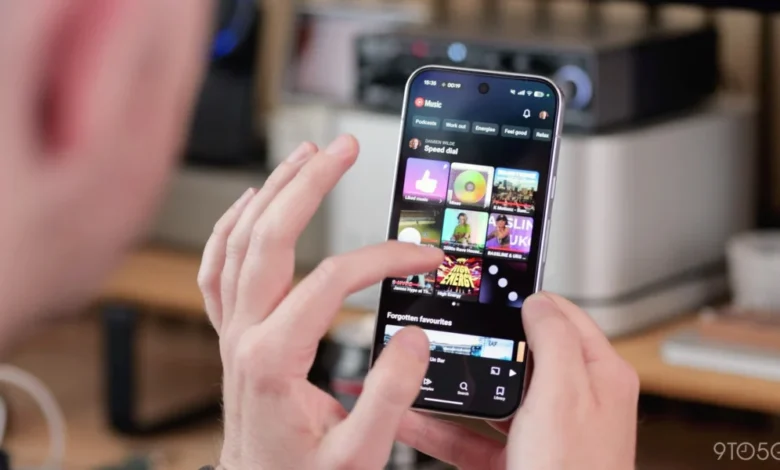
YouTube Music is rolling out a significant update to its mobile application on both Android and iOS platforms, permanently removing the dedicated "Samples" tab from its primary bottom navigation bar. This server-side update, which has been expanding to a wider user base over recent weeks, represents a strategic shift in how the streaming service organizes its core interface. For Premium subscribers, the bottom navigation bar has been condensed to just three essential tabs: Home, Search, and Library. Meanwhile, free-tier users will continue to see the "Upgrade" tab occupying the fourth slot, maintaining the prompt for subscription conversions.
Although the vertical video-based discovery feed is no longer immediately accessible from the main menu, YouTube has not entirely eliminated the feature. Instead, the company has integrated the vertical video format directly into contextual areas of the app, such as individual playlist, artist, and album pages. By relocating the entry point to the top-right corner of these specific pages, YouTube Music aims to deliver a cleaner, more streamlined navigation experience while preserving the functionality for users who rely on the short-form video format to uncover new music.
Background and Evolution of the Samples Feed
The Samples feature was originally introduced to the public in August 2023. Modelled after the popular TikTok and YouTube Shorts vertical scrolling formats, the tool was designed to tackle music discovery fatigue. By presenting users with a continuous vertical stream of short music video snippets, the platform allowed listeners to quickly sample everything from the latest releases by up-and-coming artists to obscure deep cuts from legacy performers.
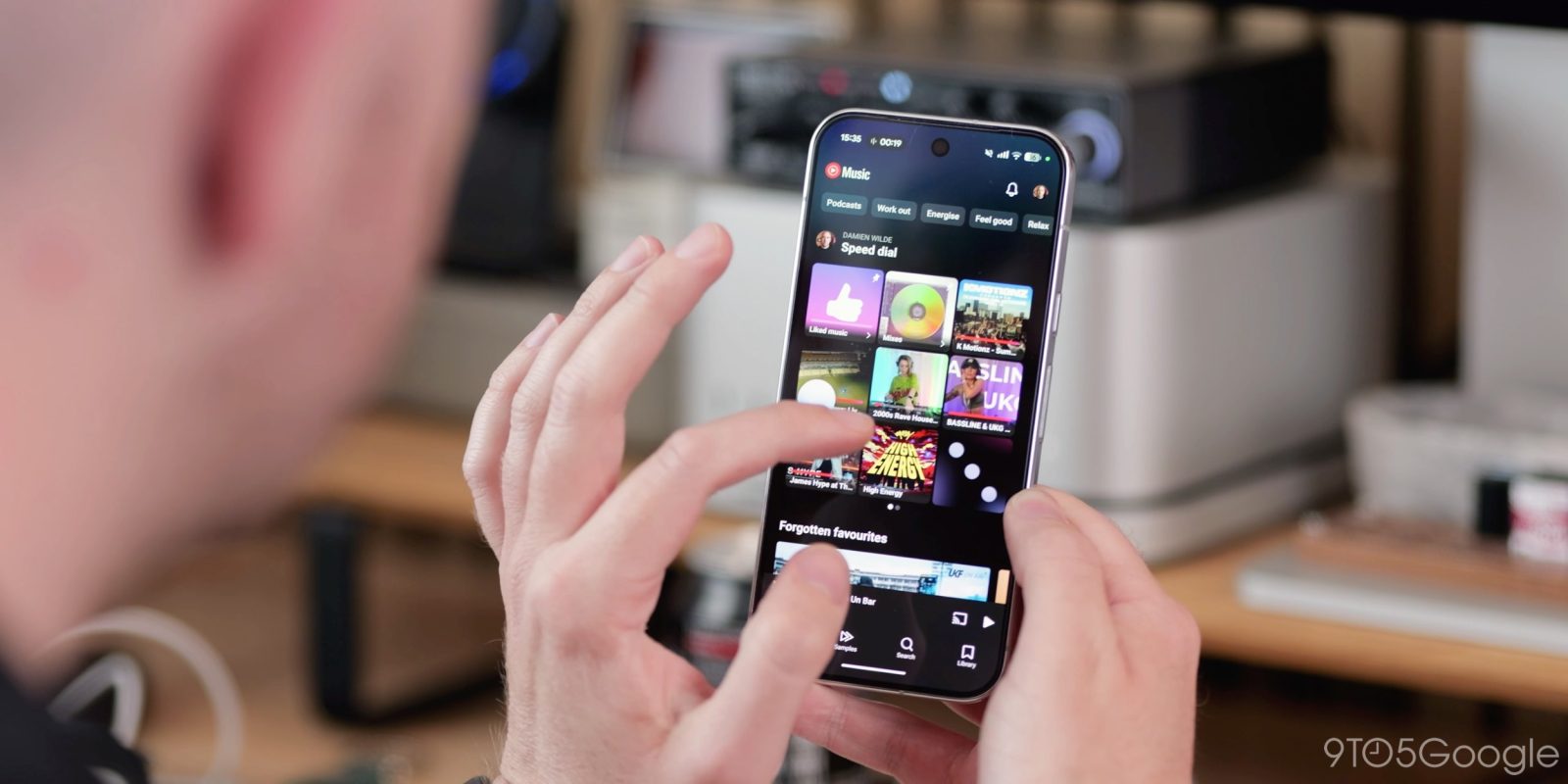
When users tapped the dedicated Samples icon on the bottom navigation bar, they were instantly dropped into a full-screen video player that cycled through algorithmically curated tracks. Listeners could instantly like a song, add it to their library, share the track, use the audio as a short, or navigate directly to the full album or music video with a single tap.
While the feature was praised by the platform for offering an engaging, bite-sized method of finding new audio content, it also faced criticism from users who felt that a prominent bottom-bar slot should be reserved for core music library management rather than algorithmic discovery feeds. The recent decision to prune the bottom bar reflects a broader industry trend toward decluttering primary navigation panels as music streaming applications incorporate increasingly diverse media formats, including podcasts, user-generated videos, and generative AI features.
Simultaneous Interface Redesigns and Album Page Tweaks
Beyond the removal of the Samples tab from the main navigation menu, YouTube Music has introduced subtle yet impactful visual and functional tweaks to various pages throughout the app. Most notably, album and playlist pages have undergone a layout reorganization.
In the updated interface, the primary "Play" button has been shifted to the right side of the screen. Meanwhile, secondary utility actions—such as downloading content for offline listening, adding albums or playlists to the user’s personal library, and viewing community comments—have been grouped together on the left side. This design choice alters long-standing muscle memory for regular users, placing greater visual emphasis on content consumption actions while keeping organizational controls clustered within immediate thumb reach.

Integration of Artificial Intelligence: The Arrival of Ask Music
The interface adjustments come at a time when YouTube Music is actively preparing for the integration of advanced artificial intelligence tools. In September, YouTube announced the upcoming rollout of "Ask Music," a conversational AI feature powered by Google’s Gemini technology.
As part of this ongoing software transition, a Gemini spark icon is gradually rolling out to users, positioning Ask Music in the top-right corner of the application interface. This addition signals a shift toward conversational querying within music streaming platforms, allowing users to type or speak complex prompts—such as requesting mood-based playlists, genre histories, or artist recommendations—rather than relying solely on traditional keyword searches.
The coincidence of removing the standalone Samples tab while introducing AI-driven query tools highlights a deliberate restructuring of the application’s real estate. Streaming services are increasingly prioritizing AI-assisted personalization over fixed discovery tabs, giving users dynamic pathways to content rather than forcing static UI elements onto the primary navigation bar.
Chronology of the Update Rollout

The phasing out of the Samples tab has followed a gradual deployment schedule typical of modern tech platforms:
- August 2023: YouTube officially launches the Samples tab globally on Android and iOS, introducing a Shorts-inspired vertical music discovery feed to the bottom navigation bar.
- September 2026: YouTube announces the upcoming integration of "Ask Music," powered by Gemini, setting the stage for future UI overhauls.
- October to November 2026: Server-side testing expands. Users begin reporting the disappearance of the bottom-bar Samples tab, accompanied by minor button rearrangements on playlist and album pages.
- Present: Wider rollout confirms the permanent demotion of the Samples feed from the main navigation menu to localized playlist and artist pages, alongside the incremental deployment of the Gemini-powered Ask Music icon.
Industry Implications and User Reception
The removal of the Samples tab from the primary navigation bar carries several implications for the music streaming landscape. For one, it underscores the willingness of major tech companies to experiment with UI paradigms popularized by short-form video apps, and conversely, their readiness to dial back those experiments when they crowd out fundamental utilities.
While heavy users of the original Samples feed may experience initial friction due to the repositioning of the feature, the broader consensus among app analysts is that a three-tab bottom bar (Home, Search, Library) offers a more frictionless experience for everyday playback and library management. Clutter on mobile navigation bars has long been a pain point for consumer software, and simplifying the menu reduces accidental taps while establishing a cleaner visual hierarchy.
Furthermore, the simultaneous introduction of the Gemini-powered Ask Music feature indicates that streaming apps are pivoting away from rigid, one-size-fits-all discovery tabs in favor of intelligent, on-demand query interfaces. As AI integration deepens across the Google ecosystem, platforms like YouTube Music are transforming from static catalogs into conversational recommendation engines.

As the server-side update continues to propagate globally, all Android and iOS users running the latest versions of YouTube Music will eventually see the streamlined navigation interface. While the vertical video discovery format survives in a more contextualized form, the era of the dedicated discovery tab on the primary menu has officially drawn to a close.