Rian Johnson launches Chromagraph Camera to address iPhone over-processing concerns

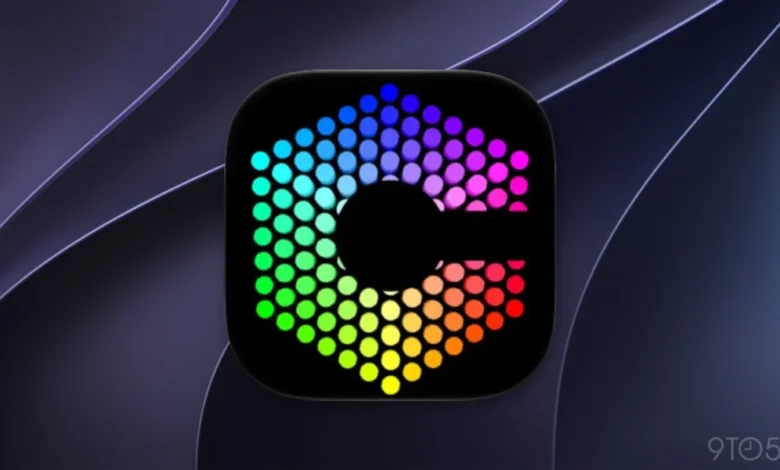
The release of the Chromagraph Camera app by filmmaker Rian Johnson marks a significant development in the ongoing discourse regarding computational photography and the aesthetic limitations of modern mobile hardware. Following his official announcement last week, the application has positioned itself as a direct alternative to the native image processing pipeline found in the iPhone 18 Pro and iPhone Duo. By prioritizing a "point-and-shoot" philosophy that eschews the aggressive sharpening and high-dynamic-range (HDR) algorithms often criticized in Apple’s default software, Johnson’s tool seeks to bridge the gap between amateur convenience and professional cinematic quality.
The Evolution of Computational Photography
To understand the necessity of third-party alternatives like Chromagraph, one must examine the trajectory of smartphone photography over the last decade. Since the introduction of the iPhone 11 series, Apple has increasingly relied on "Deep Fusion" and "Smart HDR" to balance exposures. While these features are technical marvels—capable of stitching multiple frames into a single, well-exposed image—they have frequently been faulted for creating a "plastic" or over-processed aesthetic.
Industry experts note that while the hardware sensors in the latest iPhone models are physically larger and more capable than ever, the software layer often strips away the natural texture of skin, foliage, and ambient light. Apple attempted to mitigate these concerns with the introduction of film grain and texture options in the iPhone 18 Pro and iPhone Duo. However, early user feedback and technical reviews have suggested that these native implementations can feel artificial or exaggerated, often appearing as a digital filter overlaid on an image rather than a foundational aesthetic choice.
Chronology of the Chromagraph Development
The journey toward the release of Chromagraph follows a distinct timeline of growing frustration among photography enthusiasts:
- Mid-2025: Adobe released "Project Indigo," an ambitious attempt to provide professional-grade processing for iPhone users. While technically impressive, the project highlighted a critical friction point: high-quality processing required significant time, often resulting in background process crashes that led to data loss.
- Late 2026: The release of the iPhone 18 Pro and iPhone Duo introduced hardware-level film grain features, signaling Apple’s awareness of the demand for more "organic" imagery.
- October 30, 2026: Rian Johnson, known for his distinct visual style in films such as Knives Out, officially announced the development of Chromagraph.
- November 2026: Chromagraph Camera was released to the App Store, retailing for $12.99, focusing on a streamlined interface that removes the complexity of manual settings.
Technical Analysis: Why Default Defaults Fail
The core criticism of the native iPhone camera app is not a hardware limitation. On the contrary, the physical components—the lenses, the sensor surface area, and the optical stabilization—are arguably the best in the consumer market. The issue lies in the "defaults."

When a user captures an image in RAW format on an iPhone, the resulting file contains significantly more data than a standard HEIC or JPEG output. This raw data allows for nuanced color grading and contrast adjustments that the default camera app discards in favor of a "bright and sharp" look that appeals to mass-market social media consumption.
Chromagraph operates by bypassing or recalibrating how the device interprets these raw signals. Unlike other third-party apps that require users to adjust ISO, shutter speed, or white balance manually, Chromagraph is designed for the casual user who desires a high-end look without a professional photography background. It functions as a "set-and-forget" utility, automating the complex backend processing that typically occurs in the background of high-end photography software.
Market Impact and User Reception
The pricing strategy of $12.99 positions Chromagraph as a premium utility in a market saturated with free, ad-supported camera applications. In the first week of its release, the app has garnered attention for its ability to produce images that feel "filmic"—a term that, in this context, refers to a more natural grain structure, softer highlight rolloff, and a more conservative approach to digital sharpening.
The broader implications of this release are twofold. First, it highlights a growing segment of the consumer base that prioritizes aesthetic authenticity over technical perfection. Second, it serves as a challenge to Apple’s software team. As external developers continue to solve the "over-processing" problem, there is increasing pressure on hardware manufacturers to include more granular control over the "look" of a photo within the stock camera interface.
Industry Implications
The success of Chromagraph suggests that the future of mobile photography may shift away from "smart" algorithms toward "curated" algorithms. If a director known for their visual signature can successfully translate that eye into software, it sets a precedent for other creators to release their own branded image processing profiles.
Furthermore, the stability issues faced by previous attempts like Project Indigo serve as a cautionary tale. Chromagraph’s ability to maintain a lightweight footprint, ensuring the app does not crash during the processing phase, has been cited as a primary reason for its early positive reception. In mobile software, reliability is as much a feature as image quality.

Addressing the Professional/Amateur Divide
For many years, the industry operated under the assumption that users wanted the most "accurate" photo possible—meaning the highest resolution and the greatest dynamic range. However, the rise of film photography and the resurgence of vintage cameras indicate that consumers are looking for "character" in their images.
Rian Johnson’s approach mirrors the professional photography workflow: he is not trying to fix the hardware; he is trying to change the interpretation of the data. By providing a fixed, intentional look, he reduces the "paradox of choice" that often paralyzes users when they encounter apps with too many manual controls.
Broader Perspectives on Smartphone Imaging
While Apple has historically kept its camera API (Application Programming Interface) relatively restricted to maintain a consistent user experience, the success of Chromagraph might encourage the company to open up more "aesthetic profiles" in future iOS iterations. If the market continues to move toward customized processing, Apple may find itself forced to pivot from its "one-size-fits-all" image philosophy to a more modular system that allows users to select the "flavor" of their photography.
As the industry moves toward 2027 and beyond, the battle for the "perfect" smartphone photo will likely be fought not on the megapixel count, but on the software-driven aesthetic. Apps like Chromagraph are the first wave of a new category of imaging tools: those that treat the smartphone not as a laboratory for computing, but as a digital canvas for artistic intent.
In conclusion, the launch of Chromagraph is not merely a niche app release; it is a symptom of a maturing mobile photography market. Users are becoming more sophisticated, and their demand for creative control over the final image is forcing developers and hardware manufacturers alike to reconsider the role of the smartphone camera. Whether or not Apple incorporates similar features into future iterations of iOS remains to be seen, but for now, the professional and enthusiast community has found a new standard in how an iPhone should capture the world.