Apple engineers ‘actively working’ on Face ID for iPhone Duo 2’s outer display: report

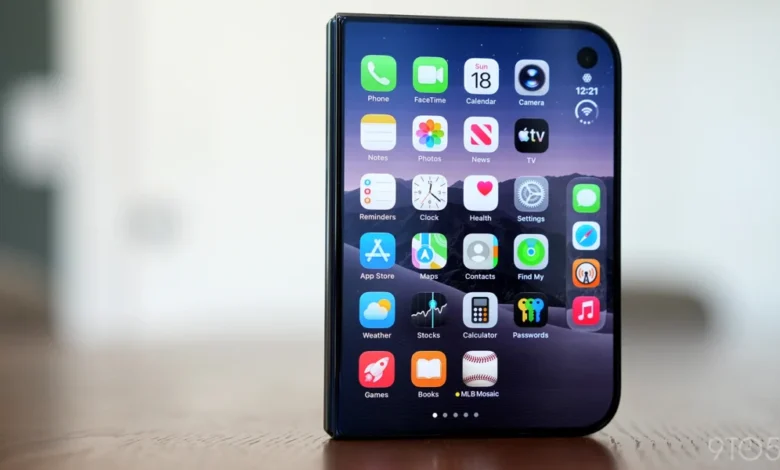
As the smartphone market reaches a plateau in traditional form factor innovation, Apple’s efforts to refine its foldable strategy have become a primary focus for industry analysts and investors alike. The forthcoming iPhone Duo 2 represents a critical evolution in the company’s mobile hardware roadmap. According to recent reports from Bloomberg’s Mark Gurman, Apple engineers are aggressively iterating on the device’s design, with a specific focus on biometric security enhancements and structural slimming, aiming to address the limitations observed in the inaugural model.
The Technical Challenge of Face ID Integration
At the heart of the current development cycle is the integration of Face ID into the external display of the iPhone Duo 2. While the current iteration relies on Touch ID—a departure from the standard Face ID systems found on the flagship iPhone Pro series—the move to implement facial recognition technology is intended to unify the user experience across Apple’s mobile ecosystem.
Integrating the TrueDepth camera system into a foldable display presents significant engineering hurdles. Unlike standard glass panels, foldable displays utilize flexible organic light-emitting diode (OLED) layers that are sensitive to the physical stressors of repeated folding. Placing the sensors required for high-fidelity facial scanning beneath or within this dynamic layer requires a sophisticated re-engineering of the bezel and sensor housing.
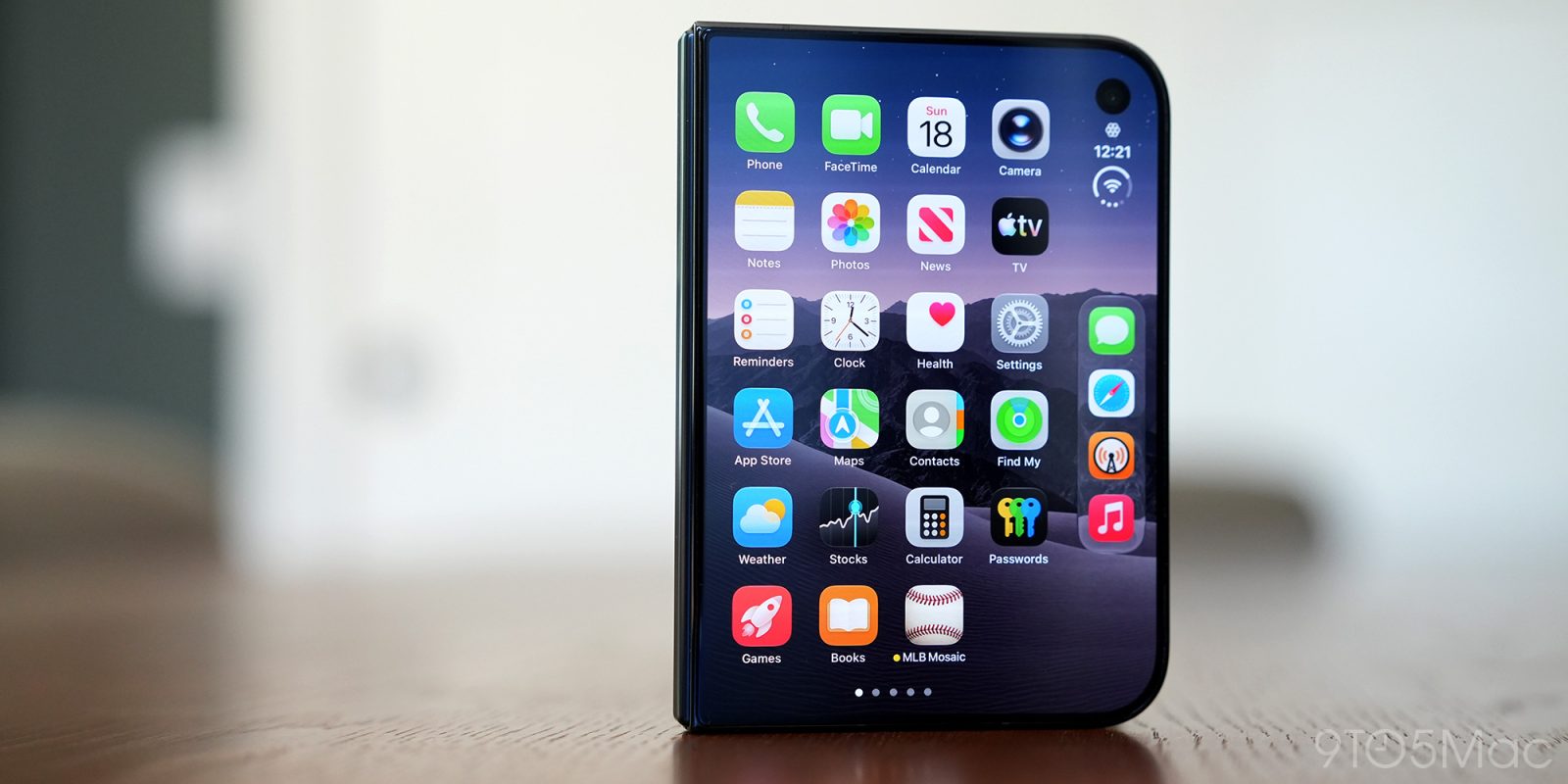
Prototypes currently circulating within Apple’s Cupertino labs suggest that while the technology is functional in a controlled environment, the primary challenge remains manufacturing yields. If the hardware cannot meet Apple’s stringent quality assurance standards for durability and speed, the feature may be deferred. Should this occur, current industry projections suggest that the feature will be prioritized for the third-generation device, expected in 2028.
Evolution of the User Interface: Action Buttons and Controls
Alongside biometric upgrades, Apple is exploring further refinements to the physical interface of the iPhone Duo. The company is evaluating the inclusion of an "Action Button," a feature already standardized across the flagship iPhone 16 and 17 lineups. However, reports suggest that Apple is considering a software-first approach to this functionality, potentially integrating it into the existing "Camera Control" mechanism.
By allowing users to remap the "hold" action—currently reserved for Siri activation—to a custom application, Apple intends to provide a more personalized navigation experience. This pivot underscores a broader shift in Apple’s design philosophy: moving away from purely mechanical buttons toward haptic-driven, software-configurable controls that reduce the number of physical apertures in the device chassis.
A Chronology of the iPhone Duo Development
The trajectory of the iPhone Duo has been marked by a deliberate, cautious entry into the foldable market.

- 2025 – The Foundation: Apple begins initial consumer testing of foldable form factors, focusing on hinge durability and crease reduction in the display panel.
- 2026 – The First Generation: The inaugural iPhone Duo launches, prioritizing a balanced weight-to-display ratio and a reliable internal hinge mechanism. It utilizes Touch ID as the primary biometric security measure to avoid the technical complexities of Face ID in a folding screen.
- 2027 (Current Cycle) – The Refinement Phase: Engineering efforts shift toward integrating Face ID, reducing the device’s total thickness, and incorporating a more robust telephoto camera system.
- 2028 (Projected) – Future Iterations: Long-term goals include the integration of advanced battery technologies and potential revisions to the screen composition to allow for even thinner profiles.
Supporting Data and Market Context
The foldable smartphone market has seen a compound annual growth rate (CAGR) of approximately 20% over the past three years. Competitors such as Samsung, Google, and various Chinese OEMs have already moved into their fourth or fifth generations of foldable devices, providing them with a significant "first-mover" advantage in display technology.
Apple’s late entry is consistent with its "wait-and-see" strategy, where the company allows competitors to identify and resolve early technical failures—such as hinge failure or display delamination—before applying its own polish to the technology. However, the pressure to include a telephoto lens in the Duo 2 reflects a demand from the prosumer segment, who expect parity between the foldable model and the standard iPhone Pro Max in terms of optical zoom capabilities.
Current technical constraints indicate that fitting a periscope-style telephoto lens into a device that must also fold requires a significant reduction in other internal components, such as the logic board and cooling systems. The push to make the device "thinner and lighter" is therefore a direct trade-off with the desire for more advanced camera optics.
Industry Implications and Strategic Outlook
The strategic importance of the iPhone Duo 2 extends beyond hardware specifications. It serves as a litmus test for Apple’s ability to lead in a category where it is currently a follower. If Apple succeeds in bringing Face ID to a foldable screen, it will likely set a new industry standard for biometric security in non-traditional devices, forcing competitors to iterate their own sub-display sensor technologies.

From a manufacturing standpoint, the success of the Duo 2 will depend on the supply chain’s ability to manage the increased complexity of the assembly process. The integration of a sophisticated camera array and advanced biometrics into a thinner frame requires higher precision in robotics and automated testing, which typically translates to higher capital expenditures.
Analysts from firms such as Wedbush and JP Morgan have noted that if Apple manages to maintain the current price point while introducing these premium features, it could significantly accelerate the adoption rate of foldable phones among the broader consumer base. Conversely, if the device suffers from "feature creep" that leads to reliability issues, the brand loyalty that usually protects Apple’s premium pricing could be tested.
Conclusion: The Balance of Innovation and Reliability
As Apple looks toward the fall of 2027, the primary narrative surrounding the iPhone Duo 2 is one of refinement. The company is not attempting to reinvent the foldable category, but rather to bring its existing, high-standard feature set—Face ID, high-end optics, and customizable software controls—into the fold.
Whether the device will include Face ID remains the most significant variable in the product’s development. If Apple’s engineers can solve the integration challenges, the iPhone Duo 2 will likely cement itself as the benchmark for the foldable market. If not, the focus will shift to how effectively the company can market a iterative update that emphasizes internal efficiency and software flexibility. Ultimately, the iPhone Duo 2 will provide a clear signal of Apple’s long-term commitment to the foldable form factor and its ability to maintain its competitive edge in an increasingly crowded global market.