The Overtime crew revisits the iPhone Duo after prolonged usage to determine its long-term viability in an evolving mobile landscape.

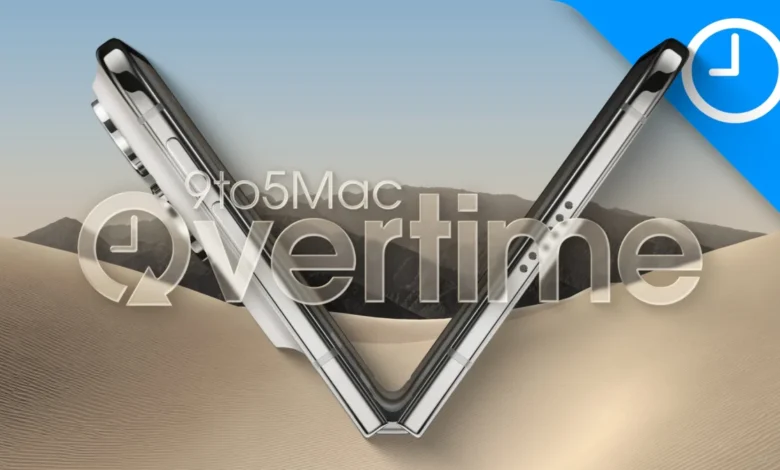
As the mobile device market undergoes rapid shifts, the iPhone Duo—a unique entry in Apple’s hardware lineup—has recently come under renewed scrutiny from power users and tech analysts alike. The latest episode of the 9to5Mac Overtime podcast, hosted by Fernando Silva and Jeff Benjamin, provides an extensive evaluation of whether this device remains a compelling choice for the average consumer, particularly when juxtaposed against more feature-rich competitors like the Samsung Galaxy Z Fold 8.
The Long-Term Viability of the iPhone Duo
The primary point of contention regarding the iPhone Duo centers on the deliberate omission of two industry-standard features: a dedicated telephoto lens and Apple’s proprietary Face ID biometric authentication system. For many professional users, the absence of a telephoto lens represents a significant limitation in photographic versatility, especially when capturing distant subjects or portraits that benefit from optical compression.
However, the Overtime hosts argue that the device’s appeal lies elsewhere. By prioritizing a specific hardware footprint and a streamlined user interface, the iPhone Duo offers a distinct multitasking experience. The operating system’s integration with the device’s unique display geometry allows for a workflow that, while different from the Pro-level iPhones, offers efficiency for specific professional applications. The discussion highlights that while the lack of Face ID forces users to rely on alternative authentication methods, the speed and responsiveness of the device’s software environment often compensate for the hardware compromises.

Comparative Analysis: iPhone Duo vs. Galaxy Z Fold 8
The market environment for foldable and dual-screen devices has become increasingly competitive. The Samsung Galaxy Z Fold 8, which represents the current apex of Samsung’s foldable engineering, provides a stark contrast to the iPhone Duo.
The Galaxy Z Fold 8 utilizes an expansive, flexible internal display that fundamentally alters the multitasking paradigm, allowing for three-way split-screen functionality and desktop-class window management. In contrast, the iPhone Duo operates within a more rigid, dual-panel structure. Analysts suggest that while the Galaxy Z Fold 8 is geared toward users who prioritize screen real estate and complex productivity, the iPhone Duo caters to a demographic that values the iOS ecosystem’s stability and app optimization over raw hardware versatility.
Apple’s Product Blitz and Future Hardware Rumors
Beyond the individual device reviews, the tech industry is currently grappling with the implications of Apple’s recent "product blitz." Over the past several months, Apple has accelerated its release cadence, introducing updates across its wearable, mobile, and computing segments at an unprecedented velocity.
This strategy appears to be a calculated response to cooling global demand and increased pressure from competitors in the Chinese and European markets. By flooding the market with varied iterations of its core products, Apple aims to capture a wider share of consumer spending while maintaining its premium brand image.

Of particular interest to industry observers is the growing body of evidence regarding the second-generation MacBook Neo. Following the initial launch of the Neo series, which sought to bridge the gap between the ultra-portable MacBook Air and the high-performance MacBook Pro, rumors suggest that the next iteration will focus on significant thermal management improvements and potential integration with Apple’s next-generation neural processing units. If these rumors hold true, the MacBook Neo could become the primary driver for Apple’s enterprise sales, potentially replacing legacy hardware in sectors that require high-performance computing in a compact chassis.
Chronology of Recent Apple Hardware Releases
To understand the current market position of the iPhone Duo, one must look at the timeline of Apple’s recent hardware deployments:
- Q3 2025: Apple introduces the initial MacBook Neo, signaling a shift toward specialized professional-grade portability.
- Q4 2025: The iPhone Duo enters the market as a mid-tier alternative, aimed at bridging the gap between standard models and the high-end Pro series.
- Q1 2026: Samsung announces the Galaxy Z Fold 8, intensifying the pressure on Apple to iterate on its own mobile hardware configurations.
- Q2 2026: Recent reports indicate that Apple is preparing for a "Refresh Cycle," focusing on internal hardware upgrades rather than wholesale design changes for its primary iPhone lineup.
Data-Driven Market Perspectives
Current market data suggests that while high-end devices like the iPhone Pro Max continue to dominate in terms of revenue, the mid-tier segment—where the iPhone Duo resides—is seeing the most significant growth in unit volume. According to recent analyst reports, the average consumer replacement cycle for smartphones has extended from 24 months to approximately 32 months. This shift necessitates that devices like the iPhone Duo remain relevant for longer durations, explaining why long-term usage reviews have become an essential part of the tech discourse.
Official Responses and Industry Sentiment
While Apple has not officially commented on the specific critiques of the iPhone Duo’s lens configuration, internal company rhetoric consistently emphasizes "user-centric design" over "spec-sheet superiority." Industry analysts have interpreted this as a commitment to software optimization.

Conversely, Samsung has utilized its aggressive marketing campaigns to highlight the tangible advantages of its hardware specs, specifically citing the zoom capabilities of its camera arrays as a clear victory over Apple’s mid-range offerings. The result is a fractured consumer base: those who prioritize the fluidity of the Apple ecosystem and those who require the raw technical flexibility offered by Android-based foldable hardware.
Broader Implications for the Tech Ecosystem
The focus on the iPhone Duo and the potential release of the second-generation MacBook Neo indicates a maturing market. Manufacturers are no longer relying solely on iterative hardware upgrades—such as processor speed or camera megapixels—to drive sales. Instead, they are increasingly relying on software-defined features, such as advanced FaceTime capabilities, on-device artificial intelligence, and seamless cross-device integration.
The implications for developers are equally significant. As Apple continues to diversify its product categories, developers are tasked with ensuring that applications are optimized for an increasing variety of screen sizes and input methods. The "overtime" required to maintain such an ecosystem is a challenge that Apple must manage if it intends to retain its reputation for user-friendly design.
As the industry moves toward the latter half of 2026, the focus will likely remain on how Apple balances its rapid product release schedule with the need for long-term software stability. Whether the iPhone Duo succeeds as a long-term staple or becomes a transitional product in Apple’s history will ultimately be decided by how effectively the company supports the device through future firmware updates. For now, the consensus among observers is clear: hardware is merely the canvas, and the real battle for consumer loyalty is being fought in the realm of user experience and ecosystem integration.

Listeners interested in a deeper dive into these topics can subscribe to the 9to5Mac Overtime podcast via Apple Podcasts or their YouTube channel, where Fernando Silva and Jeff Benjamin continue to provide consistent, data-backed analysis of the rapidly shifting Apple ecosystem.