Samsung Launches Galaxy Card with 5 Percent Cashback and Metal Design Ahead of Unpacked Event.

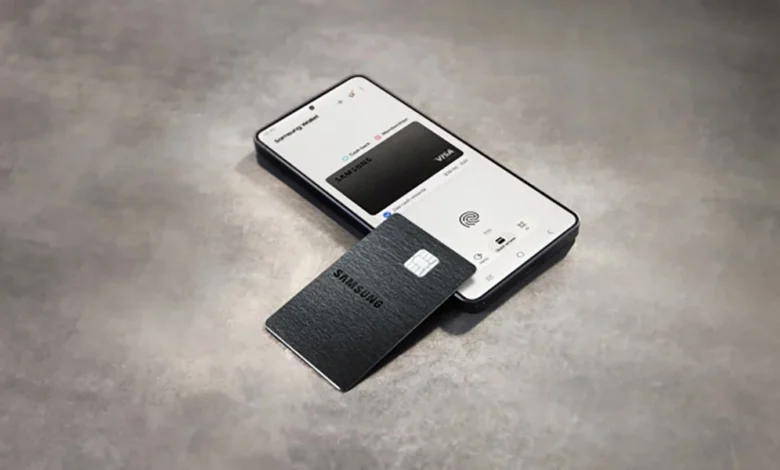
Samsung Electronics has officially unveiled its latest foray into the financial services sector with the introduction of the "Galaxy Card," a premium credit card designed to deepen consumer integration within the Samsung ecosystem. Issued in partnership with Barclays and operating on the Visa network, the card is scheduled to become available for public application on July 22. This announcement arrives just days before the highly anticipated Galaxy Unpacked event, signaling a strategic move by the South Korean technology giant to offer more than just hardware, but a comprehensive lifestyle and financial platform for its users.
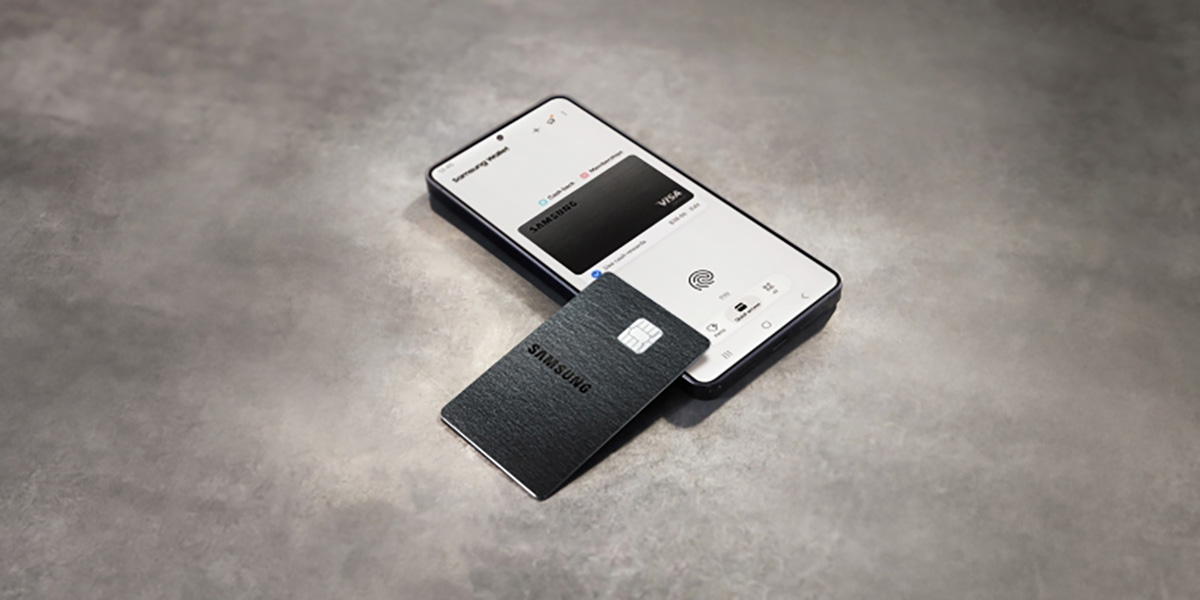
The Galaxy Card distinguishes itself through a high-end physical design and a tiered rewards structure specifically calibrated to incentivize the purchase of Galaxy-branded products. The physical card is constructed from metal, featuring a minimalist matte black finish with a prominent Samsung logo on the front. This design choice aligns Samsung with other premium credit products in the market, such as the Apple Card and various "black" cards offered by traditional financial institutions, which use material weight and aesthetics as markers of status and brand loyalty.
Tiered Rewards and Cashback Incentives
At the core of the Galaxy Card’s value proposition is a robust cashback program that rewards heavy users of Samsung’s hardware and software services. The rewards are structured across four distinct tiers:

- 5% Cashback on Samsung Purchases: The highest tier offers a significant 5% return on purchases made directly through Samsung’s official channels, including Samsung.com and the Shop Samsung app. This includes the purchase of flagship smartphones like the Galaxy S-series and the upcoming foldable devices, as well as tablets, laptops, and home appliances.
- 3% Cashback on Samsung Wallet Transactions: To encourage the adoption of its digital payment platform, Samsung is offering 3% back on transactions made using the Samsung Wallet. This incentive is designed to shift user behavior toward mobile payments, further entrenching the Samsung Wallet as a primary tool for daily commerce.
- 2% Cashback on Streaming Services: Recognizing the shift in consumer spending toward digital entertainment, the card offers a 2% return on a wide variety of streaming subscriptions. This likely includes popular platforms such as Netflix, Disney+, Spotify, and YouTube Premium.
- 1% Cashback on All Other Purchases: For all other categories of spending, the card provides a standard 1% cashback rate, ensuring it remains competitive as a general-purpose daily driver for consumers.
In addition to these cashback rewards, Galaxy Card holders are granted a 20% discount on the Samsung VIP Advantage program. This annual membership service provides a suite of benefits, including Samsung Care+ (the company’s extended warranty and accidental damage protection), enhanced trade-in values, boosted reward points on Samsung.com, and early access to new product launches. By bundling these services, Samsung is creating a "flywheel" effect where the credit card facilitates the purchase of hardware, which is then protected and upgraded through the VIP program, all while generating rewards for future purchases.
Strategic Integration and Technological Security
The Galaxy Card is not merely a financial instrument but a digital-first product integrated into the Samsung Wallet ecosystem. While the physical metal card serves as a tangible asset, the primary user experience is expected to live within the Samsung Wallet app. Samsung has indicated that the integration will go beyond simple transaction history, though specific details regarding exclusive software features remain sparse.
The company has emphasized that the Galaxy Card benefits from "defense-grade" security via Samsung Knox. This on-device security platform is a hallmark of Samsung’s mobile strategy, providing hardware-backed encryption and monitoring to protect sensitive financial data. By housing the card’s digital credentials within the Knox vault, Samsung aims to provide a higher level of security than traditional digital wallets that rely solely on software-level protections.
The integration also allows users to manage their Galaxy Card alongside other digital assets, including government-issued IDs, digital keys for vehicles and smart locks, and boarding passes. This "all-in-one" approach is a central pillar of Samsung’s goal to make the smartphone the center of the user’s identity and financial life.
Context and Market Chronology
The launch of the Galaxy Card marks a significant evolution in Samsung’s financial strategy. To understand the current trajectory, it is necessary to look at the timeline of Samsung’s financial service developments:
- 2015: Samsung Pay is launched, utilizing Magnetic Secure Transmission (MST) technology to allow mobile payments at traditional card terminals.
- 2020: Samsung Money by SoFi is introduced, offering a mobile-first debit account and cash management system.
- 2022: Samsung Pay is rebranded and expanded into Samsung Wallet, merging payment capabilities with digital keys, IDs, and blockchain assets.
- July 2024: The Galaxy Card is announced as a dedicated credit product in partnership with Barclays.
This chronology demonstrates a clear shift from being a payment facilitator (Samsung Pay) to becoming a financial service provider (Galaxy Card). By partnering with Barclays, a major global bank with a strong presence in the co-branded credit card market, Samsung avoids the regulatory and infrastructure hurdles of becoming a bank itself while still capturing a portion of the interchange fees and, more importantly, the consumer data and loyalty associated with credit spending.
Industry Implications and Analysis
The introduction of the Galaxy Card is a direct response to the successful "Apple Card" model, which has proven that a tightly integrated credit product can increase brand stickiness and hardware sales. However, Samsung faces a different market landscape than its primary competitor. While Apple controls its entire operating system and hardware stack exclusively, Samsung operates within the broader Android ecosystem. The Galaxy Card is a tool to prevent "platform hopping," ensuring that Galaxy users are less likely to switch to other Android manufacturers like Google or OnePlus.
Industry analysts suggest that the 5% cashback rate is a particularly aggressive move. Most premium credit cards offer between 1% and 3% on category-specific spending. By offering 5% on its own hardware, Samsung is essentially providing a permanent discount to its most loyal customers, which could be a deciding factor for consumers choosing between a Galaxy device and a competing smartphone.

Furthermore, the partnership with Barclays is a strategic choice. Barclays has extensive experience in managing large-scale co-branded programs, such as those for American Airlines and JetBlue. This experience will be vital as Samsung attempts to scale the Galaxy Card to millions of users. The choice of the Visa network also ensures near-universal acceptance, both in physical retail locations and online.
Broader Impact on the Fintech Landscape
The launch of the Galaxy Card is part of a broader trend known as "embedded finance," where non-financial companies integrate financial services into their existing products. For Samsung, the goal is not necessarily to become a primary profit center through interest rates—though those will certainly contribute—but rather to reduce friction in the purchasing process. If a customer can apply for a Galaxy Card and receive an instant digital approval within the Samsung Wallet, the barrier to purchasing a $1,200 foldable smartphone is significantly lowered.
From a data perspective, the Galaxy Card provides Samsung with invaluable insights into consumer spending habits. While the company has committed to privacy through its Knox platform, the aggregate data on where and how Galaxy users spend their money allows for more targeted marketing and product development.
As the July 22 application date approaches, the industry will be watching closely to see how the Galaxy Card is received. If successful, it could pave the way for further financial products, such as point-of-sale financing (Buy Now, Pay Later) integrated directly into the Samsung checkout experience, or even insurance products tied to the Galaxy Card’s usage.

The Galaxy Card represents the next step in Samsung’s ambition to own the entire consumer experience. By bridging the gap between hardware, software, and finance, Samsung is creating a closed-loop system designed to reward loyalty and simplify the lives of its users, all while securing its position in an increasingly competitive global market.