The Evolution of the Apple Retail Strategy
To understand the significance of these upcoming changes, one must look at the history of Apple’s physical retail presence. When the first Apple Stores opened in 2001, the "Genius Bar" was a revolutionary concept. It provided a centralized, visible location for technical support, fostering a direct relationship between Apple’s engineers and its users. The Genius Bar was not merely a repair desk; it was a brand touchstone that differentiated Apple from the impersonal, transactional retail models of its competitors.
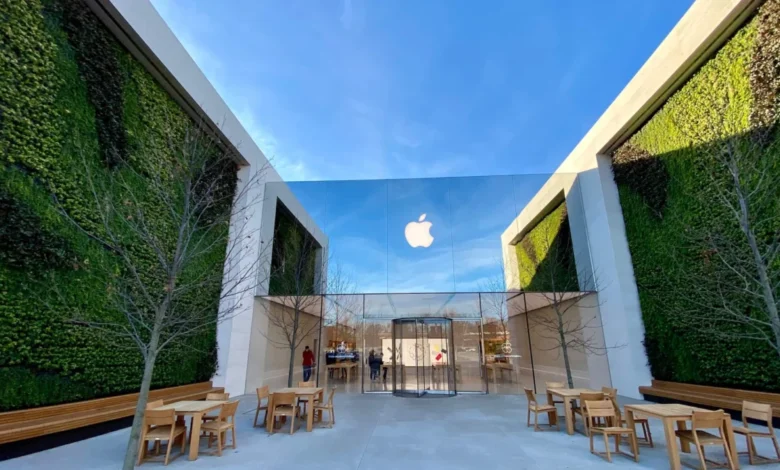
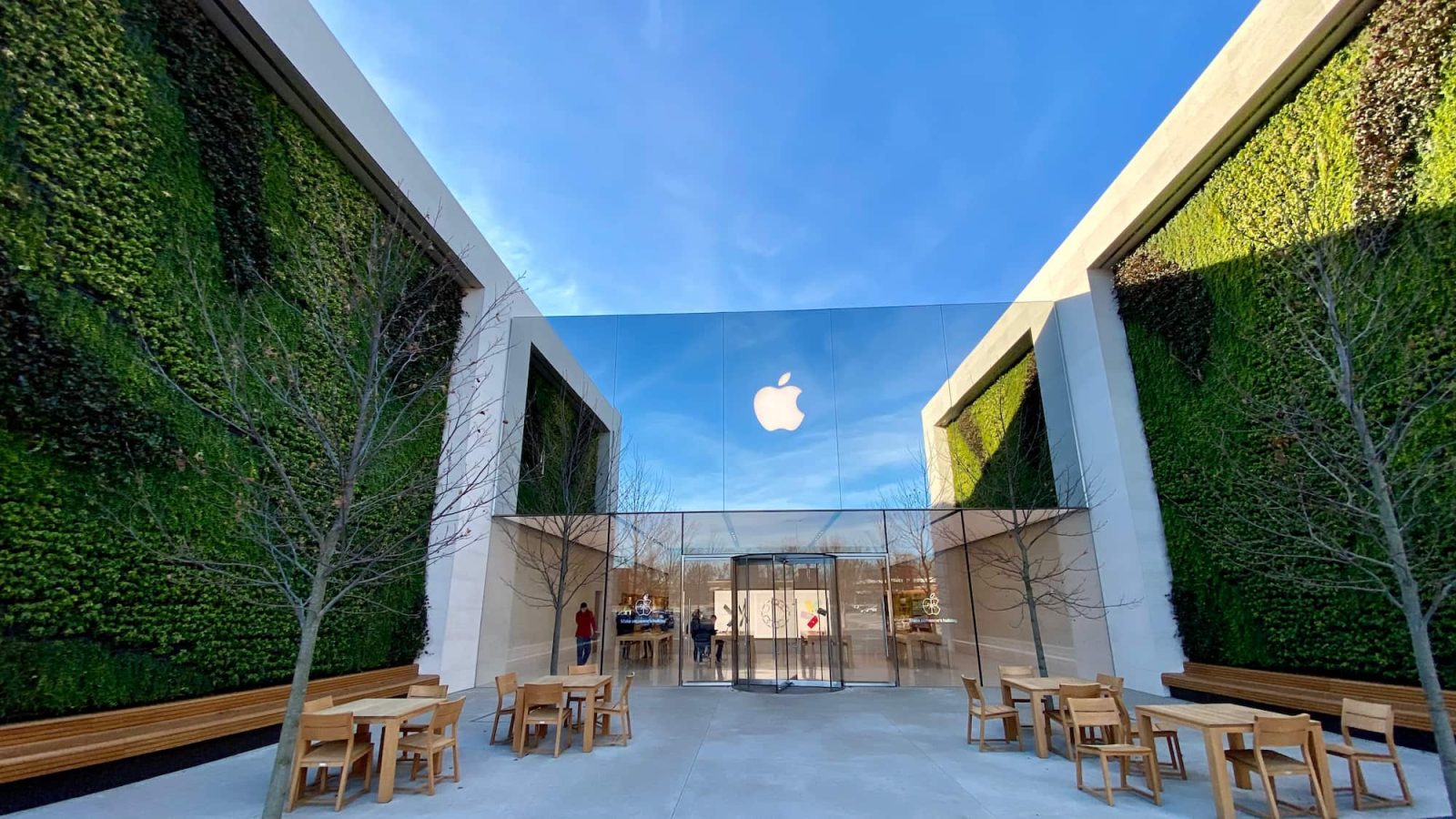
In 2016, under the leadership of then-retail chief Angela Ahrendts, Apple began a transition toward the "Genius Grove" concept. This design language removed the prominent, elevated bars in favor of more open, park-like settings with trees and integrated seating. The goal was to create a community space, encouraging customers to linger and learn rather than just wait for hardware support. While the move aligned with Apple’s high-end branding, it often resulted in longer wait times and a lack of clear navigation for customers seeking immediate technical assistance. The upcoming revert to a dedicated, wood-paneled Genius Bar suggests that Apple has concluded the "Grove" era prioritized aesthetics over the operational efficiency required to manage its massive user base.
The Three Pillars of the New Store Layout
The forthcoming renovations, as detailed by Bloomberg’s Mark Gurman, focus on three specific architectural and functional adjustments aimed at streamlining the store experience.
First, the "Avenue" sections—the side walls of the stores where accessories and services are displayed—will be repurposed. Instead of acting purely as a showroom, these areas will house two distinct, 10-foot "bays." One bay will be dedicated entirely to online order pickups, utilizing a wood-constructed design with secure internal drawers for inventory and a dedicated counter for staff to facilitate quick handoffs. The second bay will serve as a hub for "Today at Apple" sessions, featuring integrated displays and storage for instructional devices, ensuring that workshops do not disrupt the flow of the main sales floor.
Second, the large, high-definition video walls currently positioned at the rear of most flagship stores will be phased out. These walls were intended to serve as the backdrop for product demonstrations and community events. However, their removal signals a shift in priorities; by reclaiming this space, Apple is creating room for more functional, high-density service areas, indicating that the company is placing a higher premium on after-sales support than on large-scale in-store marketing displays.
Third, the return of the Genius Bar. These new iterations will mirror the classic design, updated with modern materials and a consistent wood finish to match the rest of the store’s interior. These bars will feature dual-height counters to ensure accessibility for all customers, and the walls behind the counters will serve as integrated storage for replacement parts and diagnostic equipment, significantly reducing the time employees spend moving between the floor and the back-of-house storage areas.
Supporting Data and Operational Context
The decision to pivot back to a more service-heavy layout comes at a time when Apple’s installed base of active devices has reached record levels. As of 2026, Apple reports more than 2.3 billion active devices globally. This immense volume of hardware in the hands of consumers places an unprecedented demand on the company’s service infrastructure.

Retail analytics suggest that as the variety of devices—ranging from iPhones and iPads to complex wearable health tech—has increased, the demand for in-person troubleshooting has grown proportionally. By centralizing service at a dedicated bar, Apple can likely increase the throughput of customer appointments. During the transition to the "Genius Grove," many retail employees noted that the lack of a defined "desk" made it difficult to manage high-volume days, leading to customer confusion and increased staff burnout. The return to the bar structure is widely expected to improve the "time-to-resolution" metric, a key performance indicator for Apple Retail.
Broader Economic and Brand Implications
From an economic perspective, the shift is a calculated move to optimize the "cost per square foot" of Apple’s retail real estate. Apple’s physical stores are among the most productive in the world in terms of revenue per square foot. By optimizing the "Avenue" bays for order fulfillment, Apple is essentially turning its retail stores into localized distribution nodes. This supports the company’s broader "Omnichannel" strategy, which seeks to integrate online purchasing with physical store pickup to drive foot traffic and increase the likelihood of accessory cross-selling.
Furthermore, this move acts as a stabilization mechanism for the brand. In recent years, critics have argued that Apple’s retail stores had become overly focused on high-end luxury aesthetics, which sometimes alienated customers who were simply seeking a battery replacement or a technical fix. By re-emphasizing the "Genius" aspect of its service, Apple is reinforcing its commitment to product longevity. This is increasingly important as the company positions its devices as long-term investments rather than disposable hardware.
Timeline and Future Outlook
While Apple has not provided an official calendar for these rollouts, the company’s internal roadmap suggests an "accelerated" pace of renovation. This implies that the oldest, high-traffic stores will likely see these changes within the next 18 to 24 months. Smaller, satellite stores may see these changes implemented during routine maintenance cycles.

Analysts following the retail sector suggest that this strategy could influence other premium retailers. Apple has historically set the gold standard for luxury and tech retail design; when Apple shifts its store philosophy, competitors often observe these changes closely to determine if the industry is moving toward a more service-first or experience-first model.
Conclusion: A Return to Fundamentals
The decision to bring back the Genius Bar is a testament to the idea that, even in an era of digital-first support and remote diagnostics, the physical touchpoint remains a critical component of the Apple experience. By acknowledging the limitations of the "Town Square" era and returning to a design that prioritizes service, Apple is signaling a maturation of its retail strategy.
For the average consumer, the changes mean a more predictable, efficient, and accessible visit to the Apple Store. For the company, it represents a necessary adjustment to manage the realities of a massive, global user base that requires more than just a place to buy new devices—they require a place where those devices can be serviced, understood, and integrated into their daily lives. As the retail landscape continues to evolve, this "back to basics" approach may prove to be one of the most effective strategies Apple has employed in years, ensuring that its physical stores remain as relevant as the hardware they sell.