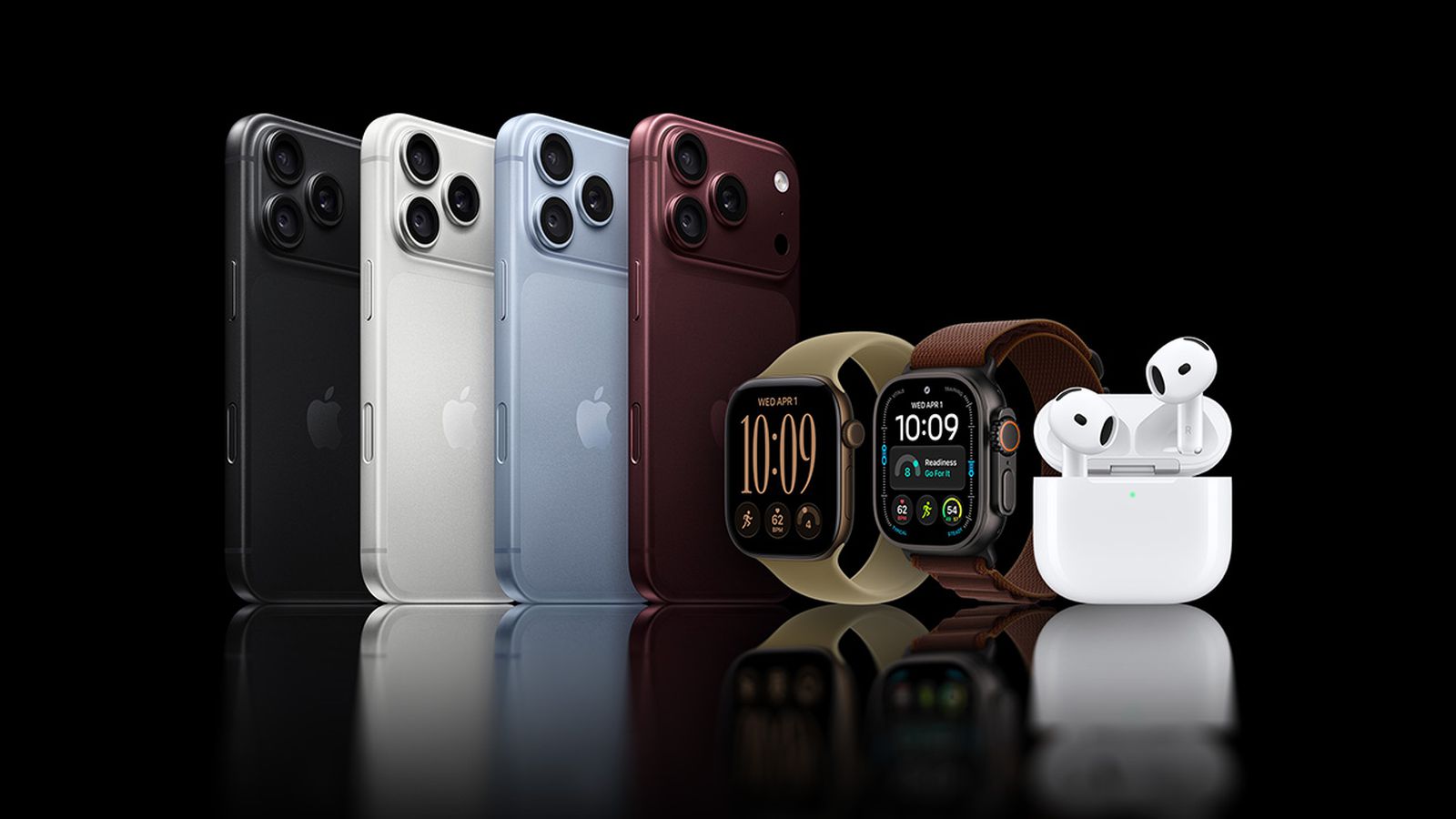
First iPhone 18 Pro, Apple Watch Series 12, Apple Watch Ultra 4 and AirPods 5 Orders Arriving to Customers

The Global Rollout Chronology
The launch follows a meticulously planned sequence of events initiated by Apple’s "Surprise and Shine" keynote held on September 9, 2026. Following that presentation, pre-orders opened globally, leading to today’s staggered distribution. Because New Zealand lacks physical Apple Store locations, the arrival of these devices is handled exclusively through courier services and authorized premium resellers. Conversely, in Australia, the launch is marked by both home deliveries and the reopening of physical Apple retail locations, where staff have been preparing for high foot traffic and pre-order collections since early morning.
This regional distribution strategy is a staple of Apple’s product launch playbook. By utilizing Australia and New Zealand as the "canary in the coal mine" for logistical operations, Apple gathers real-time data on supply chain efficiency and consumer demand before the larger markets of Europe and the United States come online. The company has confirmed that several retail locations worldwide will open their doors as early as 8:00 a.m. local time, catering to both customers who reserved units online and those hoping to secure a device through walk-in inventory.
Hardware Portfolio Overview
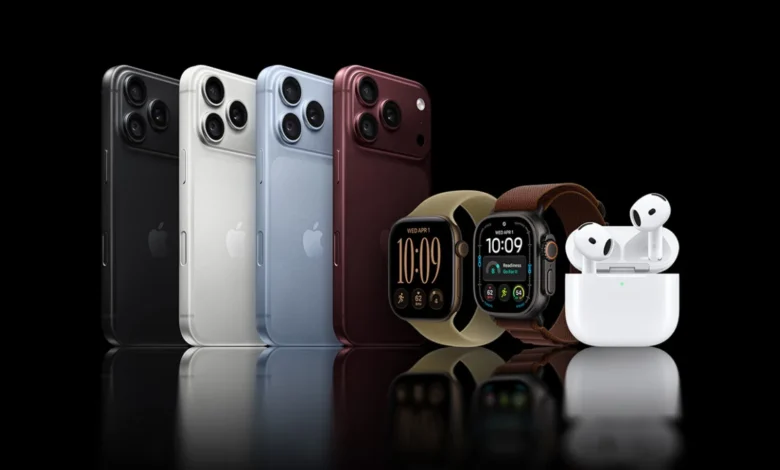
The 2026 lineup represents a significant investment in both performance and longevity. The iPhone 18 Pro and Pro Max arrive with upgraded sensor suites and a refined industrial design that builds upon the foundational architecture of the iPhone 17 series. Industry analysts have noted that while the aesthetic changes are iterative rather than radical, the internal specifications—particularly regarding battery efficiency and machine learning-integrated camera processing—position these models as a substantial leap forward for power users.
Alongside the handsets, the Apple Watch Series 12 and the ruggedized Apple Watch Ultra 4 are central to the company’s health-tech strategy. Despite earlier rumors suggesting the potential integration of biometric security features such as Touch ID, these models maintain the established design language of their predecessors. This stability suggests a strategy of refinement, where Apple prioritizes internal hardware reliability and software-led health monitoring features over disruptive form-factor changes. The AirPods 5, meanwhile, enter a competitive audio market with enhanced spatial awareness capabilities and improved acoustic architecture, further cementing the "ecosystem lock-in" that has become a defining characteristic of Apple’s hardware strategy.
Market Analysis and Pricing Context
The release of the iPhone 18 Pro arrives against a backdrop of evolving market dynamics. Research firm TrendForce, which provided price projections ahead of the September 9 event, highlighted that the hardware cost environment has shifted. The base model of the iPhone 18 Pro enters the market at a starting price of $1,249, reflecting an increase from the $1,099 starting price of the previous generation.
This pricing adjustment is attributed to the increased costs of advanced semiconductor components and a more robust materials supply chain. While some industry observers expressed concern regarding the impact of higher price points on consumer demand, early pre-order data suggests that the "Pro" consumer segment remains highly inelastic. The demand for higher-tier storage configurations and the Pro Max variants indicates that the premium smartphone market remains resilient, even as global economic conditions fluctuate.
Supply Chain and Retail Implications
The availability of stock for walk-in customers remains a primary focus for retail analysts. In Australia, the inventory levels at flagship Apple Stores are currently being monitored as a bellwether for global supply. Unlike the constraints seen in previous years, where supply chain bottlenecks often led to multi-month wait times, Apple appears to have achieved a more balanced equilibrium for this launch cycle.
Retailers beyond Apple’s own network—including major telecommunications carriers and big-box electronics retailers—have reported steady inventory arrivals. This diversification of the retail channel serves as a risk-mitigation strategy for Apple. By spreading stock across various touchpoints, the company reduces the pressure on its physical stores while ensuring that consumers have multiple avenues to purchase the new hardware. For those who missed the initial pre-order window, these third-party channels represent the most likely path to securing a device within the first week of launch.
Consumer Reception and Early Feedback
As the first devices land in the hands of users, the digital landscape is already reflecting a wave of early impressions. Platforms such as the MacRumors forums, Reddit, and various social media channels are becoming hubs for "unboxing" reactions and field testing. Early feedback often focuses on tactile sensations—the weight of the device, the finish of the chassis, and the responsiveness of the display—which are often lost in official marketing materials.
The initial technical reviews, including the unboxing coverage provided by industry experts, suggest that while the hardware feels familiar, the daily user experience is significantly enhanced by optimizations in the operating system. In-depth technical assessments of the camera arrays and thermal management systems are expected to follow in the coming week, providing a more comprehensive understanding of whether the internal upgrades translate to tangible benefits in real-world scenarios.
Broader Strategic Context
This launch is the culmination of years of R&D and supply chain management. The transition from the iPhone 17 to the iPhone 18 series is not merely about hardware replacement; it is a critical component of Apple’s long-term strategy to integrate generative AI and spatial computing into the mobile experience. The devices released today are equipped to handle the computational loads required by the latest version of iOS, which relies heavily on on-device processing to ensure user privacy and data security.
Furthermore, the launch of the Apple Watch Ultra 4 underscores the company’s commitment to the high-performance wearables segment. By continuing to iterate on the Ultra model, Apple is effectively carving out a niche that competes with professional-grade sports and outdoor tracking equipment, moving beyond the casual fitness tracking that characterized the early days of the Apple Watch.
Looking Ahead
With the launch cycle currently in its infancy, the industry’s attention will shift toward the performance of these devices in the North American and European markets. The logistical success or failure of the next 48 hours will be a key indicator of Apple’s ability to navigate the complexities of global commerce in 2026.
For the average consumer, the immediate future involves a period of testing and adaptation. As initial excitement wanes, the focus will turn to long-term reliability and the integration of these devices into daily life. Apple has signaled that it will continue to provide support and software updates that extend the value of these handsets well into the next decade, a factor that continues to justify the premium pricing for a large segment of the consumer base.
The successful, orderly arrival of the iPhone 18 Pro and its associated hardware across Australia and New Zealand serves as a definitive statement of Apple’s operational dominance. While the tech industry is prone to rapid shifts and unforeseen challenges, the company’s ability to execute a global launch of this scale remains an outlier in the consumer electronics sector. As the rest of the world prepares for their own "launch day," the data and user experiences coming out of the Asia-Pacific region will undoubtedly inform the expectations of millions of customers waiting for their own packages to arrive.