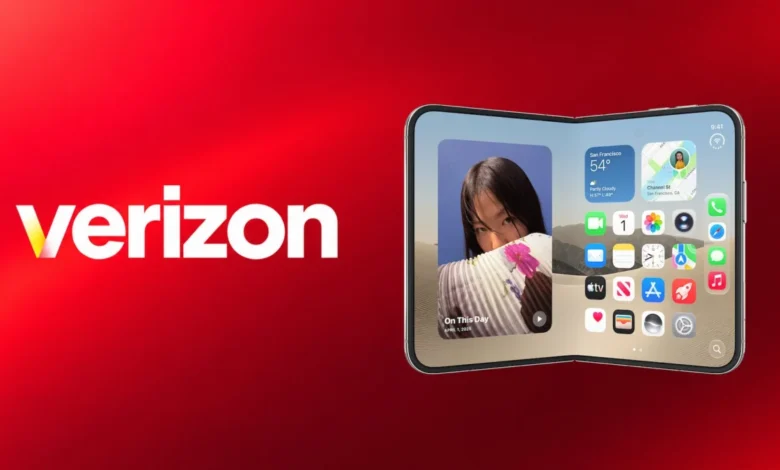
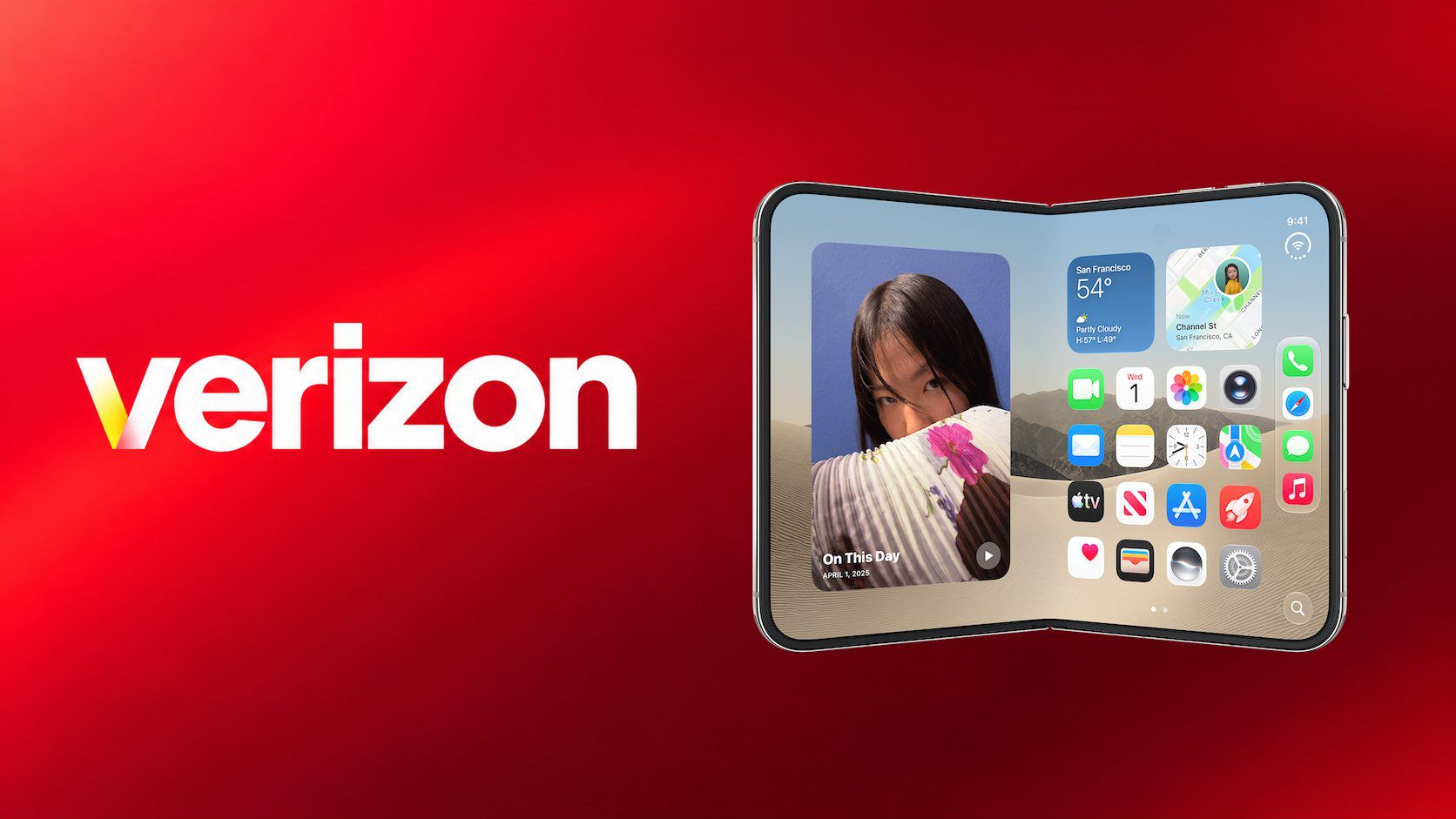
Verizon has formally apologized to a segment of its customer base following widespread reports of unexpected shipping delays for the newly released iPhone Duo. The carrier, which began accepting pre-orders for the flagship device on Friday, October 16, 2026, has encountered significant logistical hurdles that have pushed expected delivery dates for many customers well past the anticipated October 23 launch window. In a proactive effort to mitigate customer dissatisfaction, the telecommunications giant is issuing a $100 digital gift card to affected users as a gesture of goodwill.
The communication, delivered via email to those impacted, acknowledged the frustration caused by the shifting delivery estimates. Verizon noted that while the orders remain secure and individual positions in the shipping queue are preserved, the company is contending with unforeseen supply chain bottlenecks. Customers who were originally promised a launch-day delivery on October 23 have reported via social media and industry forums that their delivery windows have been rescheduled to dates ranging from late October to as late as mid-November.
A Chronology of the iPhone Duo Launch
The trajectory of the iPhone Duo release has been characterized by intense consumer interest met with significant supply constraints. The initial announcement of the device set a high bar for market expectations, and the subsequent pre-order phase proved to be a bellwether for the logistical challenges that would follow.
- September 29, 2026: Initial reports emerge citing manufacturing complications and production hurdles that could limit initial availability.
- October 11, 2026: Market analysts and supply chain observers confirm that retail channels will likely face severe stock shortages.
- October 16, 2026: Pre-orders officially open to the public. Apple characterizes the demand as "extraordinary," with shipping estimates on its proprietary storefront rapidly slipping into January 2027.
- October 23, 2026: Official launch day. While some customers receive their units, many who pre-ordered through carrier partners, including Verizon, are notified of shipping delays.
- October 24, 2026: Verizon begins issuing apologies and compensation packages to customers facing delays.
Analyzing the Supply Chain and Market Demand
The current situation is not entirely unexpected by industry observers. In the weeks leading up to the launch, reports suggested that the iPhone Duo’s unique form factor and hardware requirements presented manufacturers with significant assembly challenges. These production bottlenecks, compounded by a surge in demand that exceeded initial internal projections, created a perfect storm for retailers.
Apple’s decision to proceed with the scheduled pre-order date despite these known constraints has been a point of contention among industry analysts. Bloomberg’s Mark Gurman characterized the decision as a "major mistake," arguing that the company should have bolstered its inventory levels before opening the floodgates to consumer demand. By allowing pre-orders to proceed, Apple—and by extension, carrier partners like Verizon—created an environment where demand vastly outstripped supply, leading to the current wave of customer service interventions.
The impact of these shortages was felt across all sales channels. Apple retail staff were reportedly briefed to discourage walk-in customers from attempting to purchase the device on launch day, as inventory was reserved strictly for pre-order fulfillment. Even with these precautions, the demand for units resulted in nearly immediate depletion of local store stock, with in-store pickup reservations becoming virtually impossible to secure within hours of the launch.
Verizon’s Response and Consumer Impact
For many Verizon customers, the frustration stems from the lack of transparency in the initial shipping estimates. Users like Ryan, a MacRumors reader, represent a broader demographic that had their expectations set by the carrier’s own automated systems. After being provided a firm October 23 delivery date at the point of purchase, the sudden shift to a November 7 arrival date has led to widespread criticism of the carrier’s inventory management systems.
Verizon’s strategy to address this includes:
- Direct Communication: Affected customers are receiving formal apologies detailing the delay.
- Financial Compensation: A $100 gift card is being distributed, which can be applied to monthly service bills or hardware accessories.
- Status Monitoring: The carrier has directed customers to the "My Orders" portal on the My Verizon app to track the real-time status of their shipments.
While the $100 gift card serves as a tangible acknowledgment of the inconvenience, the broader issue remains the unpredictability of the consumer electronics supply chain. For the telecommunications industry, the iPhone Duo launch serves as a reminder of the fragility of just-in-time delivery models when applied to high-demand consumer goods.
The Broader Implications for Retail and Telecommunications
The delay in iPhone Duo shipments is indicative of a larger trend in the tech industry where the "launch day" experience is increasingly fragmented. As manufacturing processes become more complex, the ability for carriers to guarantee delivery on the first day of availability is diminishing. This transition has profound implications for how carriers and manufacturers manage customer expectations.
Looking forward, analysts suggest that the telecommunications sector may need to adopt more conservative delivery projections. The gap between expectation—driven by marketing and initial order confirmations—and reality—driven by manufacturing output—is a gap that, if not bridged effectively, risks eroding brand loyalty.
For now, customers awaiting their devices are left to rely on status updates provided by their respective carriers. As production ramps up in the coming weeks, it is expected that the current backlog will be cleared. However, for many, the damage to the "launch day" experience is already done. The situation serves as a critical case study in the importance of supply chain transparency and the challenges of managing extreme consumer demand in an era of global production constraints.
Addressing the Customer Experience
The internal response from Verizon suggests an attempt to preserve the long-term relationship with its subscribers. By providing financial compensation, the company is attempting to pivot from a narrative of failure to one of accountability. Whether this will be sufficient to quell the frustration of those waiting for their devices remains to be seen.
Industry experts note that the level of transparency provided by companies during these periods is often the most significant factor in maintaining customer trust. Verizon’s move to send individual notifications rather than relying on generic public statements is a positive step in that direction. However, the recurring nature of these supply-side issues suggests that consumers should prepare for potentially longer wait times during future high-profile hardware launches.
As of late October 2026, the situation remains fluid. While some lucky customers managed to secure their devices through early in-store pickups, the majority of the population is still navigating the ambiguity of updated delivery dates. For Verizon and other carriers, the primary objective is now to stabilize the supply chain and manage the flow of information to ensure that, while the devices may arrive late, the customer relationship remains intact.
In the final analysis, the iPhone Duo launch is a significant event that highlights the ongoing tension between technological ambition and manufacturing reality. As the market digests these delays, the focus will undoubtedly shift toward whether manufacturers can optimize their production yields to meet the continued, and potentially growing, demand for this new generation of mobile technology. For the consumer, the lesson remains clear: when dealing with highly anticipated, cutting-edge hardware, the "launch day" experience is increasingly subject to the volatile realities of global logistics.