MacBook Pro with PROLED XDR is an exciting leap forward and might replace the iPad Pro as my primary computer

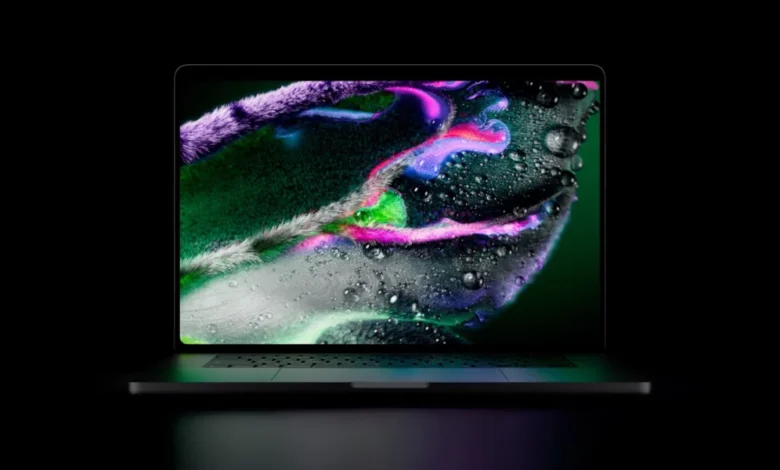
The announcement of the redesigned MacBook Pro featuring the innovative PROLED XDR display marks a significant inflection point in Apple’s hardware strategy. By integrating technologies previously reserved for its tablet and mobile ecosystems—most notably touchscreen functionality and the Dynamic Island interface—Apple is effectively blurring the lines between its mobile computing platforms and its professional-grade workstations. This development signals a departure from the company’s long-standing philosophy of maintaining distinct operational silos for iPadOS and macOS, suggesting a future where the hardware convergence is matched by a more unified software experience.
A Chronology of Hardware Convergence
For nearly a decade, Apple maintained a strict divide between the touch-first interface of the iPad Pro and the pointer-driven precision of the MacBook Pro. Since 2015, the iPad Pro has evolved from a tablet into a legitimate productivity device, bolstered by the introduction of the Magic Keyboard and the iterative improvement of iPadOS. During this period, the Mac lineup focused on internal architecture, transitioning from Intel processors to the proprietary Apple Silicon series, starting with the M1 chip in 2020.
The roadmap toward this current release can be traced through several key milestones:
- 2020: Apple debuts M1 Silicon, proving that thermal efficiency and high-performance computing can coexist in thin-and-light chassis.
- 2022: The introduction of the Dynamic Island on the iPhone 14 Pro signals a shift toward interactive, notification-heavy UI elements that bridge the gap between hardware and software.
- 2024: Advanced display technologies, including tandem OLED panels, reach mass production maturity, allowing for thinner, brighter, and more power-efficient screens.
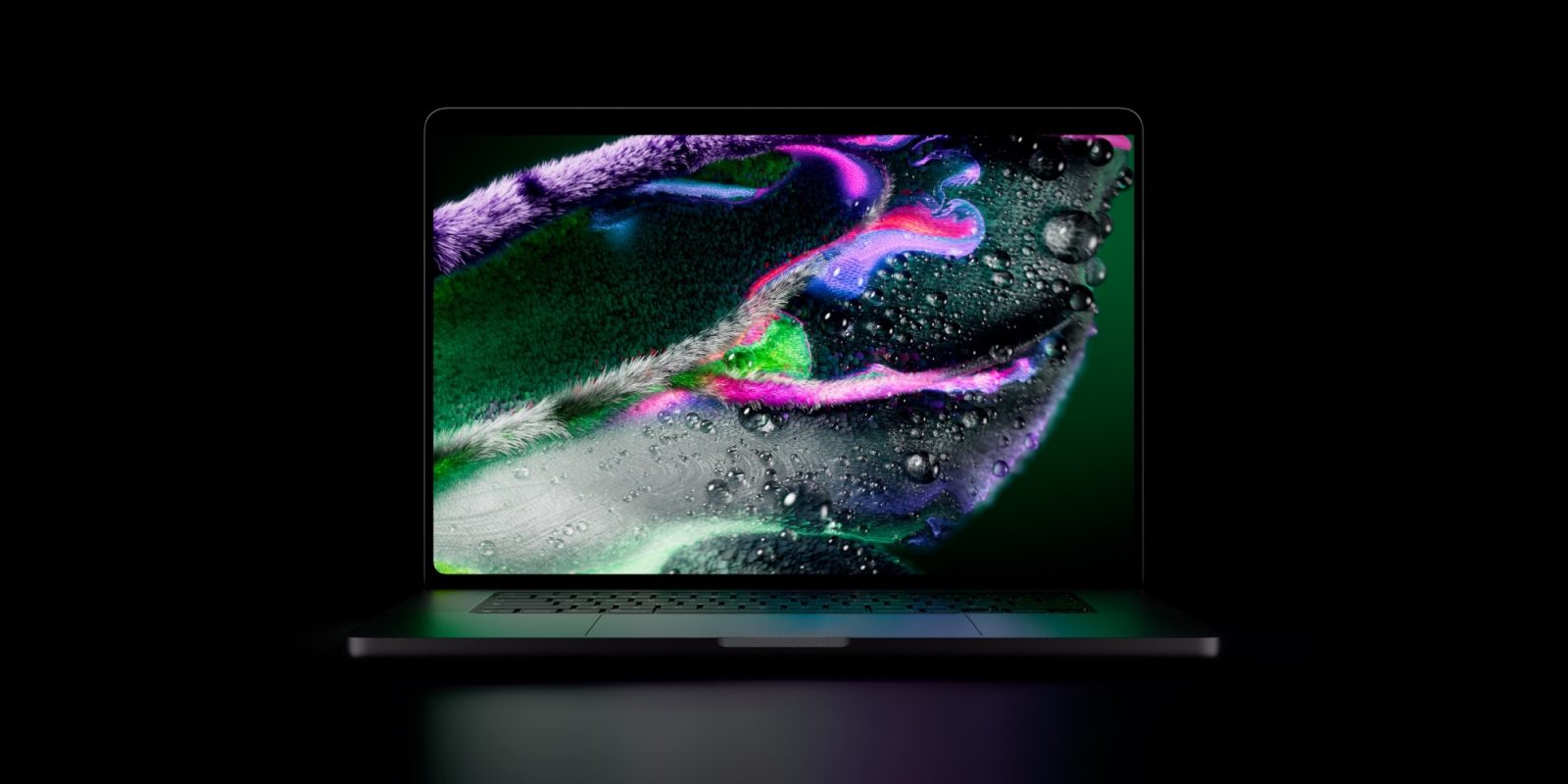
- October 2026: Apple officially unveils the MacBook Pro with PROLED XDR, the first laptop in the lineup to feature integrated touch input and the Dynamic Island.
Technical Specifications and Display Innovation
The core of this release is the PROLED XDR display technology. Unlike traditional mini-LED or standard OLED panels, the PROLED XDR architecture utilizes a proprietary matrix that offers deeper blacks, higher peak brightness for HDR content, and reduced power consumption. This technology is designed to address the professional needs of colorists, photographers, and video editors who require absolute color accuracy and high contrast ratios.
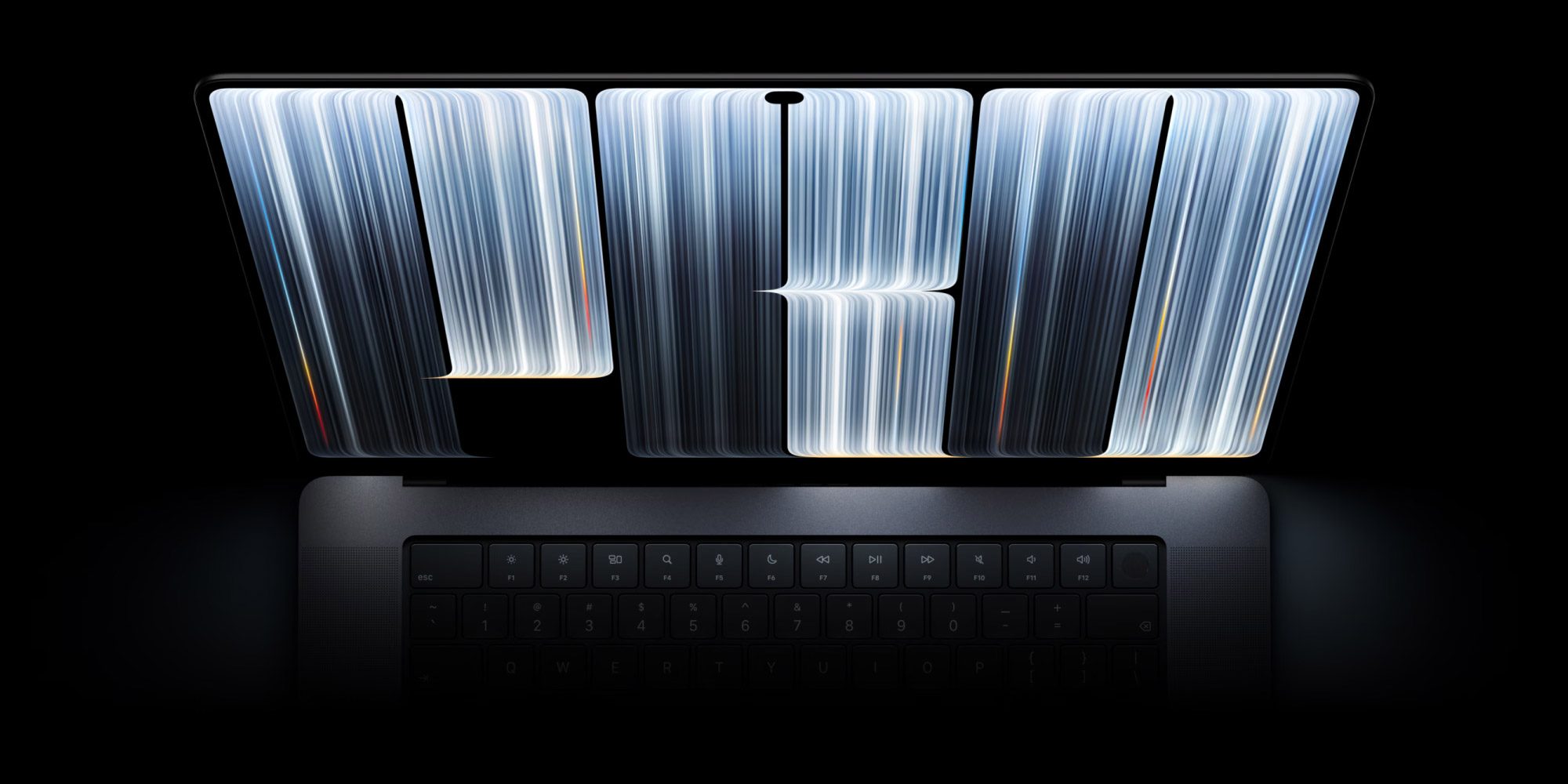
The inclusion of a touchscreen on a MacBook Pro is perhaps the most debated aspect of the new hardware. By implementing a responsive glass layer that does not interfere with the color accuracy required by the XDR certification, Apple has addressed the long-standing complaint from users who preferred the direct manipulation offered by tablets. Furthermore, the integration of the Dynamic Island into the macOS top menu bar creates a unified ecosystem where background processes, media controls, and system alerts are managed consistently across iPhone, iPad, and now, Mac.
The Connectivity Conundrum
Despite the substantial hardware upgrades, the absence of integrated cellular connectivity remains a notable point of friction for mobile professionals. As the modern workforce increasingly shifts toward hybrid and remote environments, the reliance on external hotspots—whether via a smartphone or a dedicated hardware device—persists as a bottleneck.
In the current market, tablets like the iPad Pro and high-end Windows-based "Always Connected" PCs offer 5G integration as a standard option. Apple’s hesitation to implement cellular hardware in the MacBook Pro likely stems from a combination of thermal management concerns and the desire to protect the iPhone’s role as the primary personal gateway to cellular networks. While the new N1 wireless chip is designed to optimize the "Personal Hotspot" handshake, reducing the latency and battery drain associated with tethering, it remains a secondary solution compared to native 5G.
Broader Market Implications and Industry Impact
The release of this MacBook Pro reflects a broader industry trend toward "super-convergence." Manufacturers are increasingly pressured to provide devices that can handle the full spectrum of a user’s requirements, from content consumption to high-intensity creative work.
From an analytical standpoint, the implications of this design shift are twofold:
- Software Ecosystem Synergy: By bringing the Dynamic Island and touch support to the Mac, Apple is incentivizing developers to create "Universal" applications that behave predictably across all three platforms. This reduces the friction for users migrating between devices.
- Product Positioning: The iPad Pro and MacBook Pro are no longer distinct categories defined by "touch vs. pointer." They are now differentiated primarily by form factor and OS philosophy. This move effectively positions the MacBook Pro as the "all-in-one" solution for the professional, potentially cannibalizing sales of the high-end iPad Pro for users who previously relied on the tablet as a secondary laptop replacement.
Economic and Sustainability Considerations
The pricing strategy for the new MacBook Pro reflects its position as a flagship professional tool. With the inclusion of the PROLED XDR panel and the complex input hardware required for touch, the entry-level price point has seen a modest increase. However, the modular nature of the internal components and the longevity provided by the M-series chips suggest a lower total cost of ownership over a five-to-seven-year lifespan.
Apple’s continued focus on its refurbished program, which offers high-end machines at a 15% discount, remains a crucial component of its sustainability efforts. By extending the useful life of these machines, the company manages both the secondary market value and its environmental footprint, a factor increasingly important to enterprise-level buyers.

Evaluating the User Experience
Early reactions from industry analysts indicate that the "touch-enabled" MacBook Pro is not intended to replace the mouse or trackpad, but rather to augment the user interface for specific tasks. For example, scrolling through long timelines in professional editing software or quickly dismissing system dialogs via a touch gesture on the screen offers an efficiency gain that mouse-only navigation lacks.
The integration of the Dynamic Island also appears to be a success in terms of space management. By housing the webcam and ambient light sensors within a functional UI element rather than a static notch, the screen real estate is optimized. This allows the macOS menu bar to remain cleaner, pushing system status icons into the interactive island area.
Conclusion: A New Era for the Mac
The MacBook Pro with PROLED XDR represents a mature realization of Apple’s vision for the future of computing. It bridges the divide between the mobile-first convenience of the iPad and the raw power of the Mac, creating a device that is arguably the most versatile in the company’s history. While the lack of native cellular connectivity continues to be a point of contention for nomadic workers, the improvements in wireless protocols and the potential for a "Duo" smartphone companion suggest that Apple is tackling the connectivity issue through systemic integration rather than hardware-level additions. As the market digests this latest offering, the focus will undoubtedly shift to how developers utilize these new input and interface capabilities to redefine professional workflows.