HomePod mini 2 Launches With Distinctive Two-Tone Acoustic Fabric Design and Refined Aesthetics

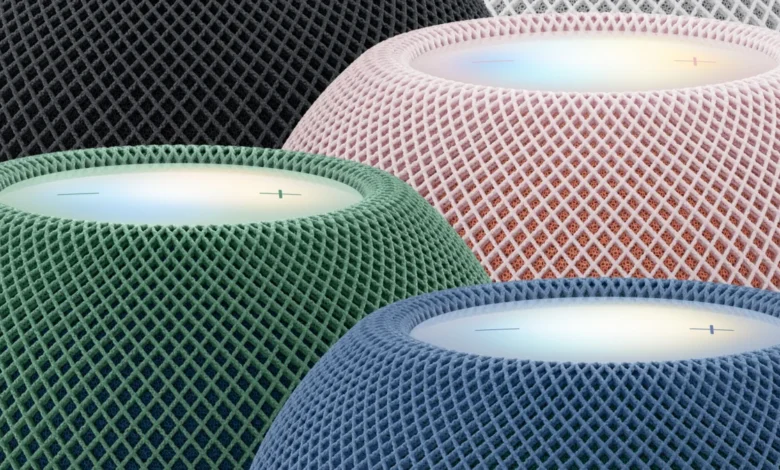
The second generation of Apple’s compact smart speaker, the HomePod mini 2, officially hits retail shelves tomorrow, October 30, 2026, with early arrivals already being reported in the Australian and New Zealand markets. Following months of speculation and recent leaks regarding Apple’s updated smart home ecosystem, the new device marks a significant departure from the uniform color palette of its predecessor. Beyond the internal hardware upgrades aimed at supporting advanced intelligence features, the physical design has received a notable aesthetic refresh characterized by a dual-layered, two-tone acoustic mesh fabric.
Visual Evolution and Design Philosophy
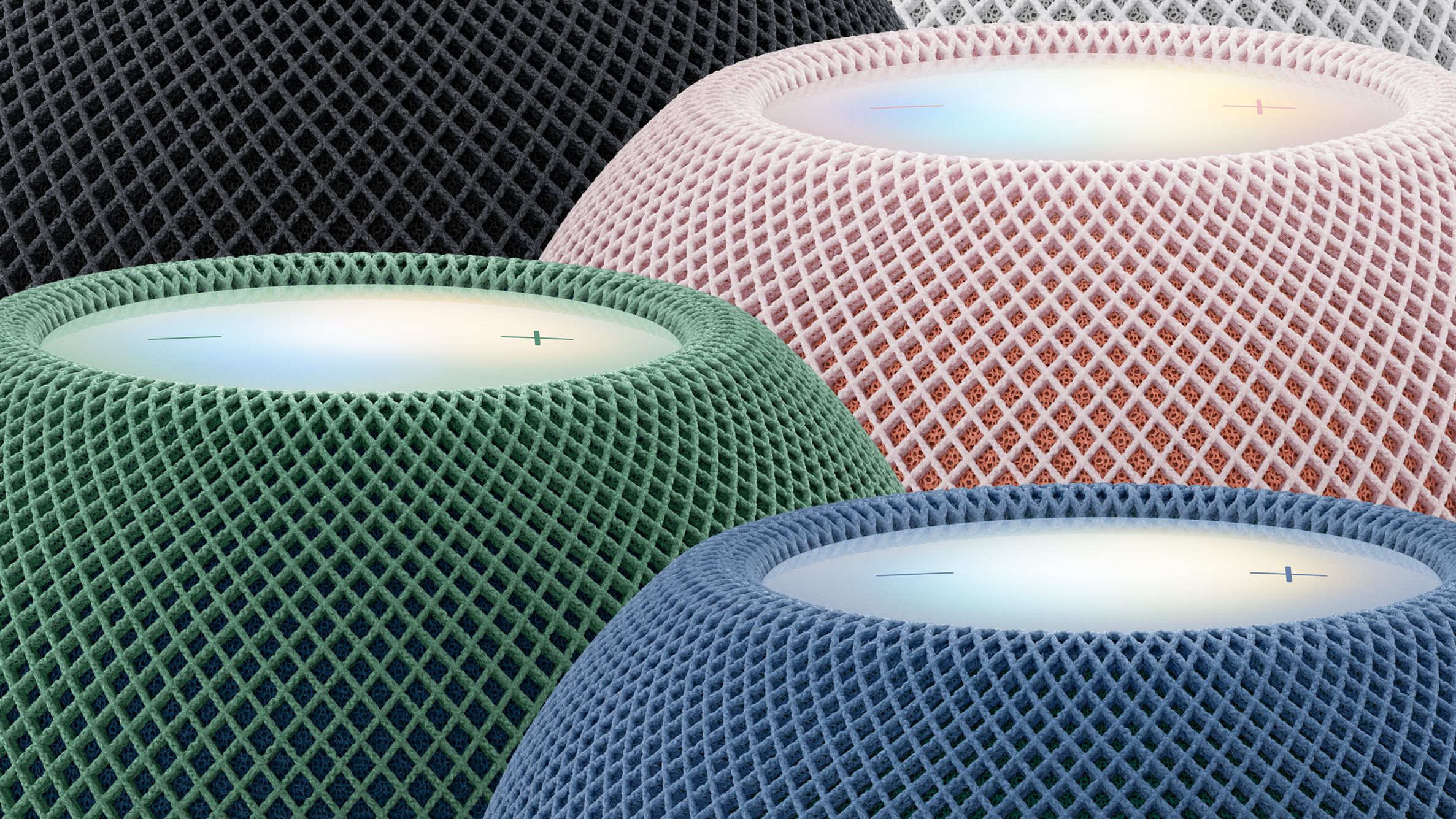
Recent hands-on demonstrations, including a detailed analysis by Craig’s Tech Talk, have provided consumers with their first clear look at the structural changes Apple has implemented. The most striking update involves the color-coding of the dual-layer mesh. Unlike the original HomePod mini, which utilized a consistent color profile throughout its external shell, the HomePod mini 2 employs contrasting hues for its inner and outer fabric layers.
The pink model, for instance, features a light pink outer mesh that reveals a deeper, vibrant coral layer beneath. The blue and green variants utilize a similar approach, albeit with a deliberate color inversion: the blue model pairs a blue outer mesh with a green inner lining, while the green unit reverses this, pairing a green exterior with a blue base. These subtle shifts in lighting and angle allow the speaker to appear as though it is shifting colors, offering a dynamic aesthetic that blends more readily with varied home decor styles.
While the "midnight" and "white" colorways retain a more monochromatic, minimalist appearance, they also feature a refined weave that provides a slight, though significantly more understated, two-tone depth compared to their predecessors. This design choice suggests that Apple is positioning the HomePod mini 2 not just as a functional smart hub, but as a lifestyle-oriented piece of home hardware.
Chronology of the Smart Home Refresh
The launch of the HomePod mini 2 follows a period of intense activity within Apple’s smart home division. For much of 2026, industry analysts had anticipated a broad revitalization of Apple’s home-focused product portfolio.
The timeline of these developments became clearer as the year progressed:
- September 30, 2026: Bloomberg’s Mark Gurman reported that Apple was preparing a series of smart home product launches, specifically targeting mid-October for the debut of a new smart home hub, an updated Apple TV, and the refreshed HomePod mini.
- October 11, 2026: Leaks confirmed the existence of "HomeView," an all-new smart home hub featuring a touch-enabled display, effectively positioning the HomePod mini 2 as the entry-level audio component in a wider, integrated smart home architecture.
- October 13, 2026: Apple officially unveiled the new suite of products, confirming that while the industrial design of the HomePod mini 2 would remain familiar to maintain brand consistency, the internal architecture would be overhauled to support modern AI-driven Siri interactions.
- October 27-28, 2026: Apple conducted the formal announcement events, setting the stage for a rollout strategy that involves staggered releases across multiple product categories over the coming weeks.
- October 30, 2026: Official retail availability commences globally.
Hardware Specifications and AI Integration
The transition to the HomePod mini 2 is predicated on more than aesthetic updates. The original HomePod mini, released in 2020, relied on the S5 chip. As Apple has shifted its focus toward the integration of generative AI and on-device machine learning, the hardware requirements for the HomePod lineup have evolved.
The HomePod mini 2 is designed to act as a localized processing hub for Siri. By incorporating a more powerful, AI-capable silicon, the device is capable of handling more complex voice commands, contextual awareness, and localized data processing without relying heavily on cloud latency. This emphasis on on-device processing is a cornerstone of Apple’s "privacy-first" approach to the smart home, ensuring that user commands remain within the home environment whenever possible.
Furthermore, the integration with the aforementioned "HomeView" device suggests that the HomePod mini 2 will play a crucial role in a mesh network of home devices. The speaker functions as a Thread border router, a vital component for the Matter smart home standard, allowing for seamless interoperability between Apple hardware and non-Apple smart devices.
Industry Implications and Market Positioning
The decision to refresh the HomePod mini rather than launching a completely new form factor speaks to the stability of the current "spherical" design. Since its introduction, the HomePod mini has been praised for its acoustic performance relative to its size, utilizing computational audio to adjust output based on the room’s acoustics. By maintaining this footprint, Apple ensures that existing accessories—such as mounts and stands—remain compatible with the new model, lowering the barrier to entry for users looking to upgrade.
However, the shift toward a two-tone aesthetic is a strategic move to differentiate the new model on retail shelves. In a saturated smart speaker market—dominated by offerings from Amazon and Google—aesthetic customization has become a key differentiator. The HomePod mini 2’s ability to "pop" visually serves as a tactile reminder of its status as a newer, more advanced iteration.
Broader Smart Home Strategy
The release of the HomePod mini 2 must be viewed in the context of Apple’s broader "Welcome home" initiative. During the fall of 2026, the company shifted its narrative from "smart devices" to "integrated living." By releasing the HomeView hub alongside the HomePod mini 2 and a high-performance Apple TV 4K, Apple is attempting to solidify its presence in the living room, kitchen, and bedroom.
Industry analysts note that the pricing strategy for the HomePod mini 2 remains competitive. By keeping the price point accessible, Apple aims to encourage the "multi-room" audio configuration, where consumers place multiple HomePod units throughout the house to create a cohesive soundscape and a redundant, robust smart home network.
Future Outlook and November Releases
The HomePod mini 2 is the first in a series of anticipated hardware releases for late 2026. Following the initial excitement surrounding these smart home products, the market is already turning its attention to the next cycle of Apple’s hardware roadmap. Reports indicate that the first Friday of November will likely see the debut of M6-powered 14-inch MacBook Pro models and updated iMacs, alongside potential developments in the OLED iPad mini lineup.
As of this morning, initial consumer sentiment, derived from social media reactions and early tech reviews, remains largely positive regarding the build quality and the aesthetic choices of the new HomePod mini 2. The focus now shifts to long-term performance testing—specifically, how the device manages thermal output under the increased demand of the new Siri AI capabilities, and how effectively the two-tone mesh handles dust and environmental exposure over time.
For consumers, the HomePod mini 2 represents a measured, thoughtful upgrade. It does not reinvent the smart speaker, but it effectively updates the hardware to meet the demands of an AI-centric ecosystem while introducing a fresh, sophisticated design language that distinguishes the 2026 lineup from the products of the previous generation. As the global retail rollout completes, Apple will likely monitor demand closely to determine if further color variations or design updates are necessary to maintain momentum in the increasingly competitive home automation sector.