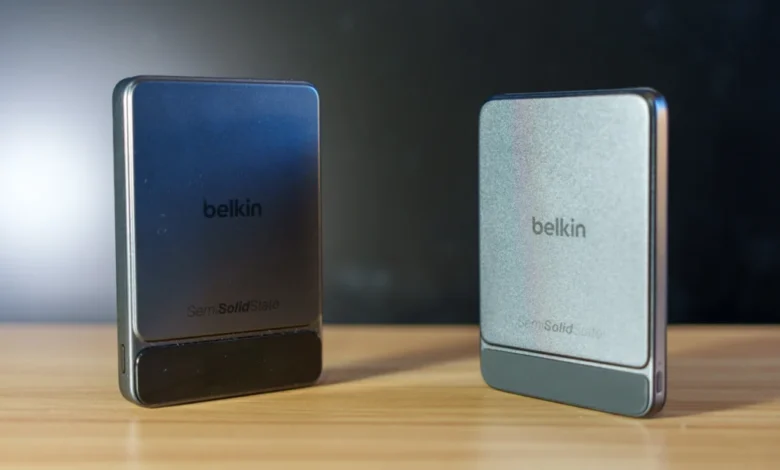
Belkin has officially expanded its portable power accessory portfolio with the introduction of two new semi-solid state battery solutions designed specifically for the iPhone ecosystem. These new offerings, a 10,000mAh high-capacity power bank and a 5,000mAh MagSafe-compatible unit, represent a shift in consumer electronics manufacturing toward semi-solid state battery technology. By moving away from traditional liquid electrolyte lithium-ion batteries, Belkin aims to provide lighter, more efficient, and structurally superior charging options for mobile users who increasingly rely on high-performance devices.
Technological Evolution in Portable Power
The transition to semi-solid state batteries marks a significant milestone in the portable charging industry. Conventional lithium-ion batteries rely on a liquid electrolyte to facilitate the movement of ions between the anode and cathode. While effective, these batteries are often limited by weight-to-energy density ratios and potential thermal management issues. Semi-solid state technology utilizes a gel-like or semi-solid electrolyte, which significantly improves the structural integrity of the cell.
This architectural shift allows for a more compact internal design, directly contributing to the reduction in physical weight observed in these new Belkin units. The 10,000mAh model, for instance, weighs approximately 220 grams. When compared to the market standard for 10,000mAh power banks—which typically range from 240 to 300 grams—the efficiency gains are substantial. By reducing the weight by nearly 20% to 25% compared to legacy counterparts, Belkin is addressing a primary consumer pain point: the burden of carrying heavy, bulky accessories during daily commutes or travel.
The 10,000mAh High-Performance Power Bank
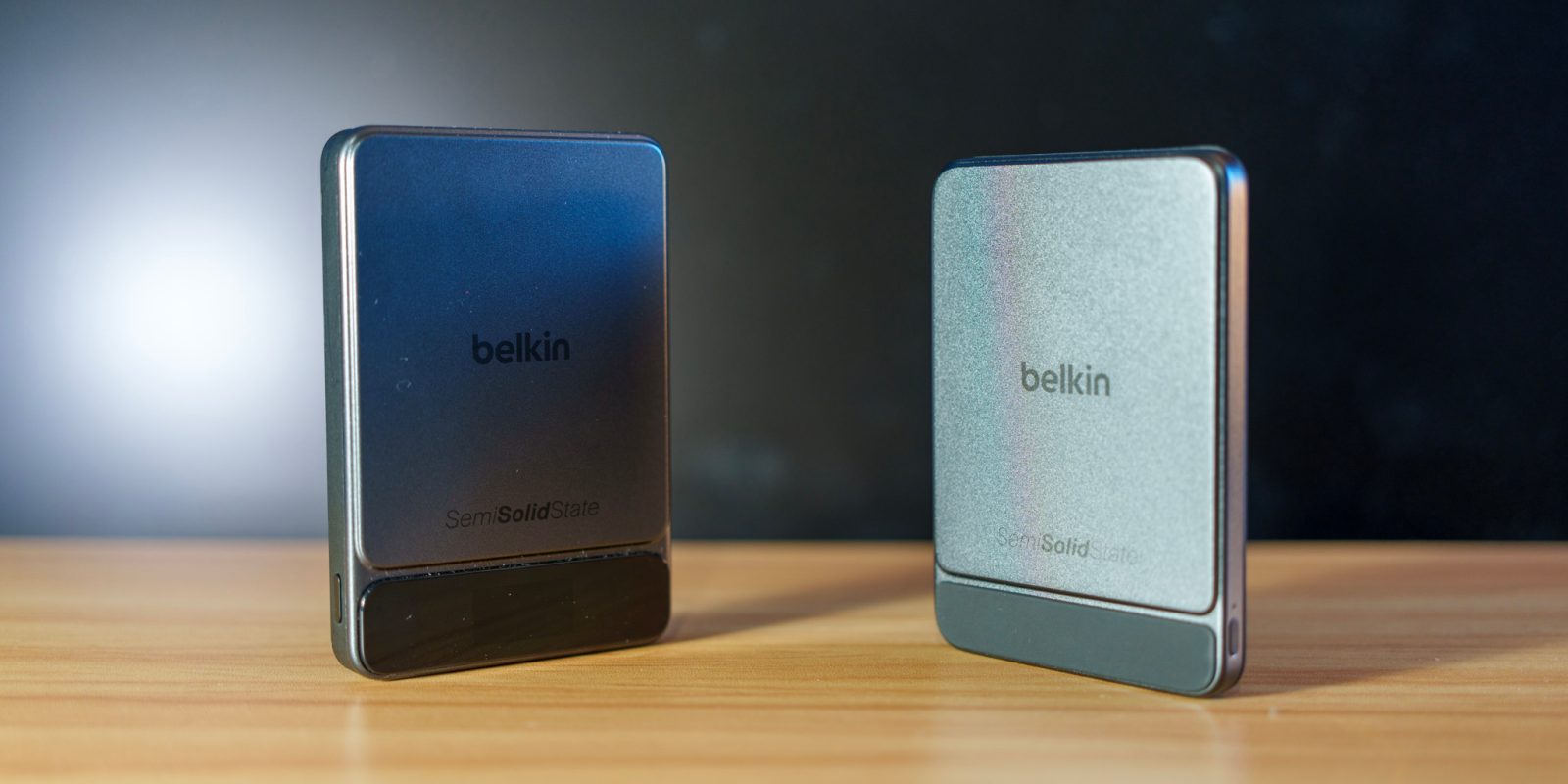
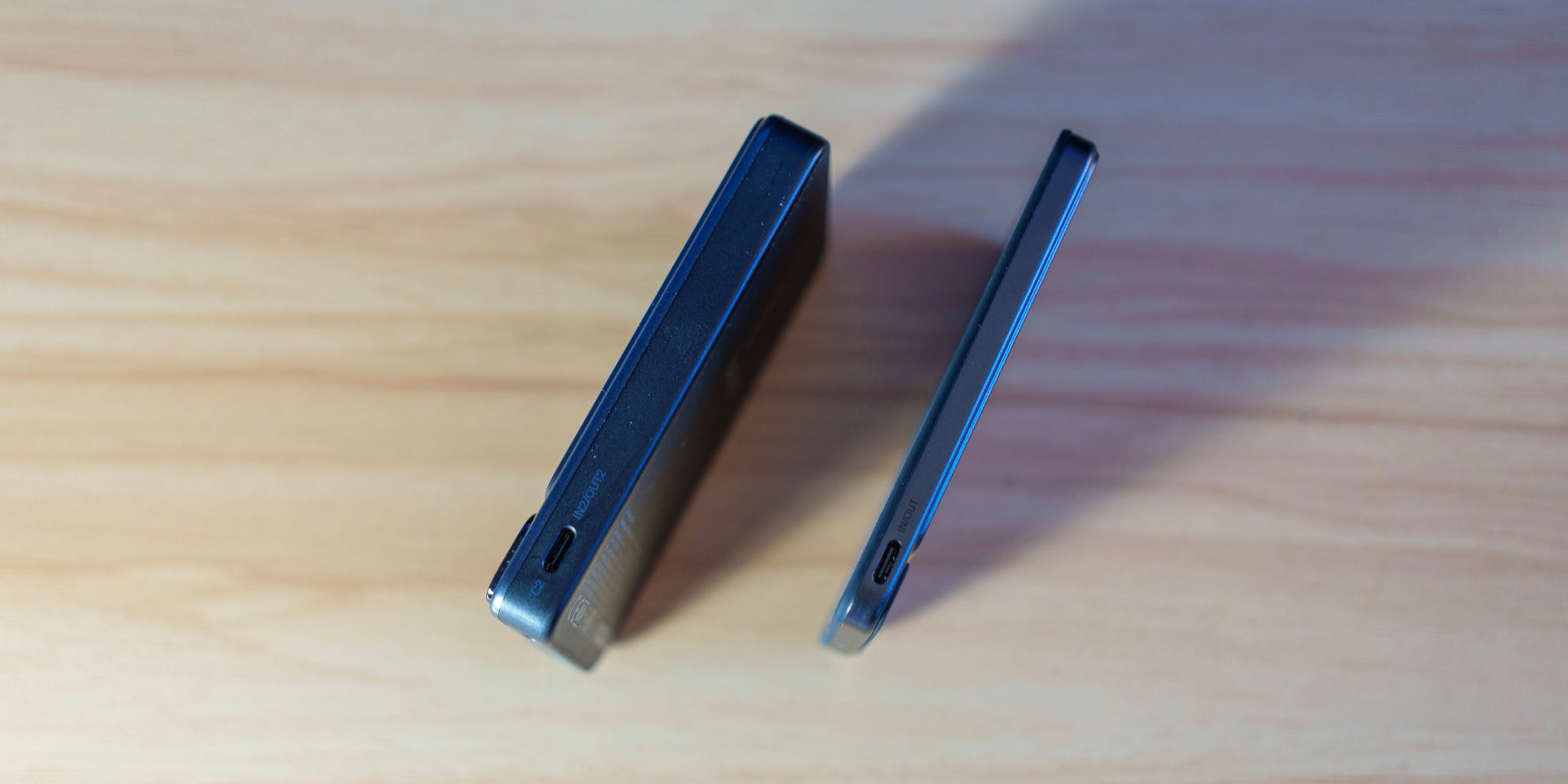
The flagship of this new release is the 10,000mAh power bank, designed for users requiring sustained power for multiple device charges throughout the day. Beyond its capacity, the unit distinguishes itself through its output capabilities and build quality. Capable of delivering up to 60W of power via its integrated USB-C port, the bank is robust enough to charge not just iPhones, but also iPads and even some lightweight laptops, positioning it as a versatile tool for professionals.
The chassis is constructed from premium aluminum, which serves a dual purpose: aesthetic appeal and thermal dissipation. Aluminum is inherently more effective at drawing heat away from internal components than plastic, which is critical for semi-solid state batteries during high-wattage charging cycles. The unit also features an integrated smart display, providing real-time data on remaining battery capacity, a feature that addresses the ambiguity often associated with LED-dot indicators found on cheaper alternatives. Priced at $89.95, the unit is positioned in the premium segment of the accessory market, targeting users who prioritize durability and performance.
5,000mAh MagSafe Charging Solution
The second product, a 5,000mAh MagSafe battery, is engineered for seamless integration with the iPhone’s magnetic mounting system. This unit leverages the Qi2 wireless charging standard, allowing for 15W wireless power delivery. The design philosophy behind this model centers on portability and minimalism. It eschews secondary features like built-in kickstands or complex displays in favor of a slim, lightweight profile that maintains a low center of gravity when attached to the rear of a phone.
The use of aluminum in this model ensures that the device remains cool to the touch during the wireless induction process. This is particularly important for MagSafe charging, as wireless energy transfer is inherently less efficient than wired charging and can generate significant waste heat. By utilizing a metallic enclosure, the heat is dispersed more effectively, potentially extending the lifespan of the battery cells within both the power bank and the host iPhone. At $69.99, it serves as a direct competitor to Apple’s own MagSafe battery ecosystem, offering similar functionality with the added benefits of modern semi-solid state density.
Industry Context and Market Implications
The release of these products comes at a time when the demand for high-density portable power is at an all-time high. Modern smartphones, with their high-refresh-rate displays and 5G connectivity, place significant strain on battery longevity. Market analysts have noted that the "power anxiety" phenomenon is driving a surge in the portable charger segment, which is projected to see a compound annual growth rate (CAGR) of over 6% through the end of the decade.
The decision by a major manufacturer like Belkin to adopt semi-solid state technology suggests a broader industry trend. For years, the power bank market has been characterized by iterative improvements in capacity and price-cutting. The shift toward higher-density, lighter-weight cell structures represents the first major material science innovation in the sector in nearly a decade.
Challenges and Future Considerations
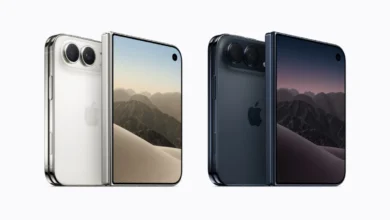
While the hardware specifications are impressive, the introduction of these batteries also highlights the ongoing challenge of hardware compatibility. The note regarding the iPhone "Duo" or larger-format iPhone models—where accessories may slightly protrude from the bottom—underscores the difficulty manufacturers face in keeping pace with Apple’s design cycles.
As Apple continues to iterate on the physical dimensions and camera housing of the iPhone, accessory manufacturers are forced into a delicate balancing act. Designing a "one-size-fits-all" battery that does not obstruct camera modules or ergonomics is increasingly difficult. It is highly probable that as these larger-screened devices continue to gain market share, the industry will see a secondary wave of "Pro" or "Max" specific MagSafe battery designs by early 2026, particularly timed to coincide with major trade events like CES.

Looking Ahead
The integration of smart displays on the 10,000mAh model and the focus on thermal management in the 5,000mAh model demonstrate that Belkin is prioritizing the user experience as much as the core hardware functionality. As consumers demand more transparency in their devices—such as knowing exactly how much energy remains—the inclusion of smart displays will likely become a mandatory feature for high-end charging solutions moving forward.
Furthermore, as the industry moves toward 2027 and beyond, the adoption of semi-solid state technology may serve as a bridge to full solid-state battery adoption. Solid-state batteries, which replace the liquid electrolyte entirely with a solid material, offer even higher safety profiles and energy densities. By beginning the transition with semi-solid solutions, Belkin is effectively socializing the market to the benefits of these newer, more efficient power architectures.
For the average consumer, these new units offer a tangible improvement in daily utility. The reduction in weight means that the device is more likely to be carried consistently, while the improved heat management ensures that the batteries are safer and longer-lasting. As these products hit the retail market, they will serve as a bellwether for how effectively consumers respond to the promise of "thinner, lighter, and more powerful" portable energy solutions in a post-liquid-electrolyte era.
The strategic alignment of these products with Apple’s ecosystem suggests that Belkin remains the primary partner for power accessories. By maintaining high build standards and ensuring compatibility with the latest Qi2 standards, they have solidified their position in a competitive landscape where reliability is the most valued currency. Consumers can expect that as the technology matures, these semi-solid state features will eventually trickle down to lower-priced tiers, making high-performance charging accessible to a broader demographic of mobile users.