Supposed M6 Pro Geekbench result for unreleased Apple Silicon likely a fabrication

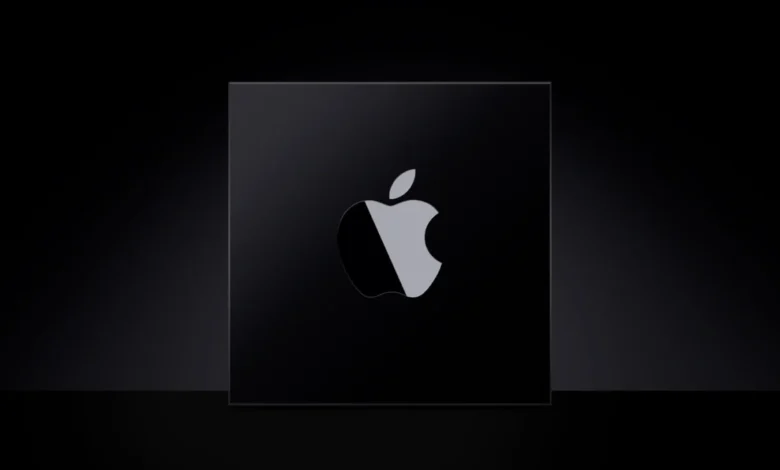
A recent entry appearing on the Geekbench browser database, purportedly showcasing the performance metrics of an unreleased M6 Pro processor, has been dismissed by industry experts as a sophisticated fabrication. The listing, which briefly captured the attention of the enthusiast community and hardware analysts, claimed to demonstrate significant leaps in both single-core and multi-core computational efficiency. However, deeper scrutiny by the creator of the benchmarking software itself has cast a definitive shadow over the legitimacy of these data points, highlighting the ongoing challenge of misinformation in the pre-release hardware cycle.
John Poole, the founder of Geekbench, confirmed to MacRumors that his analysis of the uploaded data revealed internal inconsistencies that are fundamentally incompatible with the known architecture and reporting protocols of Apple’s custom silicon. These discrepancies, while not immediately obvious to the casual observer, serve as a clear indicator that the data was manually constructed rather than generated by a physical machine running the test suite under controlled conditions.
The Anatomy of the Fabrication
The fake benchmark result appeared at a time of heightened speculation regarding the future of Apple’s Mac lineup. As the industry anticipates the transition toward the next generation of computing power, bad actors often attempt to manufacture excitement or manipulate market perception by creating "leaked" performance results. The M6 Pro listing included specific metadata and hardware identifiers that mimicked authentic Apple reports; however, the instruction set architectures and memory controller timings flagged by Poole were tell-tale signs of a synthetic data set.
In the world of synthetic benchmarking, internal consistency is paramount. Software like Geekbench tracks a wide array of variables, including cache latency, branch prediction performance, and thermal throttling behaviors. When these variables do not align with the established behavior of the underlying chip architecture—in this case, the theoretical M6 series—the data points reveal themselves as fraudulent. Poole’s intervention serves as a necessary reality check, reinforcing the necessity of cross-referencing all "leaked" hardware performance data with official documentation and credible supply chain reporting.
Historical Context and Strategic Roadmaps
The skepticism surrounding this specific leak is bolstered by recent strategic insights provided by Bloomberg’s Mark Gurman. According to Gurman’s industry reporting, Apple has adjusted its internal silicon roadmap in a manner that makes the existence of an M6 Pro chip highly unlikely. Reports suggest that Apple is planning to bypass the M6 Pro and M6 Max iterations entirely, opting instead for a more streamlined progression in its professional-grade computing tier.
This decision reflects a broader shift in Apple’s semiconductor strategy. By consolidating its high-performance offerings, the company can maximize manufacturing yields and streamline software optimization across its professional Mac lineup. The transition from the M5 series—which currently powers the latest Mac mini and Mac Studio models—directly to more advanced, higher-efficiency silicon suggests that Apple is prioritizing power-per-watt ratios over the traditional tick-tock cadence of incremental chip releases. If the roadmap indeed excludes the M6 Pro and M6 Max, the "leak" becomes not just factually incorrect, but structurally impossible.
The Current State of the Mac Ecosystem
To understand why this fabrication gained traction, one must consider the current momentum of the Mac ecosystem. As of September 2026, Apple has just finalized its latest hardware refresh, moving the Mac mini to M6 and M5 Pro configurations, while the Mac Studio has been solidified with the M5 Max and M5 Ultra chips. This diverse portfolio represents a significant investment in the current silicon generation.
The recent launch of these machines, scheduled for September 22, 2026, marks the latest milestone in the transition away from legacy architectures. Users are currently evaluating the performance of the M6-equipped Mac mini, focusing on real-world applications rather than hypothetical benchmarks. In this environment, any "leak" regarding future hardware is subjected to intense scrutiny by a community that is deeply invested in the accuracy of technical specifications.
Shipping Regulations and Hardware Constraints
The discourse surrounding high-performance hardware in 2026 is also being shaped by logistical and regulatory challenges. As demonstrated by the recent shipping restrictions on the iPhone 18 Pro Max, the hardware industry is increasingly forced to implement complex firmware solutions to manage battery capacity and safety compliance. The iPhone 18 Pro Max, which features a battery exceeding 20 watt-hours, requires a "Prepare to Ship" mode that limits capacity through software to comply with international transport regulations.
This intersection of hardware power and regulatory compliance provides a glimpse into the complexity of modern consumer electronics. Just as the iPhone 18 Pro Max requires careful management, the next generation of Apple Silicon will likely face its own set of thermal and power management hurdles. The complexity of these systems makes it increasingly difficult for individuals to forge credible performance data, as any fabricated result must now account for the interplay between hardware performance and the increasingly sophisticated firmware environments in which these chips operate.
Implications for the Tech Media Landscape
The rise and fall of this M6 Pro benchmark serves as a cautionary tale for tech journalism and the broader enthusiast community. In an era where information travels instantaneously, the pressure to break "exclusive" news often outweighs the time required for comprehensive verification. This environment creates a vacuum that is frequently filled by bad-faith actors seeking to influence stock sentiment or simply gain social media notoriety.
Moving forward, the reliance on primary sources like John Poole and established reporters like Mark Gurman is essential for maintaining the integrity of tech reporting. The incident underscores three critical lessons for the industry:
- Verification is Paramount: Performance data must be validated against the known physical characteristics of the chip architecture.
- Roadmap Literacy: Understanding the long-term strategic plans of a manufacturer is as important as testing the hardware itself.
- The Limits of Benchmarks: While benchmarks provide a quantitative measure of potential, they are susceptible to manipulation and should never be viewed as an absolute proxy for the end-user experience.
Broader Impact on Hardware Development
As Apple continues to iterate on its proprietary silicon, the focus has shifted toward integrated, system-on-chip (SoC) performance. The move toward larger caches, unified memory architectures, and specialized accelerators for AI and media processing means that traditional Geekbench scores are becoming less indicative of overall system utility.
Future developments will likely be characterized by advancements in 2nm and 1.4nm fabrication processes, which will offer density improvements that go far beyond what can be measured by current benchmarking standards. Analysts expect the next genuine leap in Apple Silicon to be driven by these manufacturing breakthroughs rather than iterative updates to existing Pro or Max tiers.
Conclusion
The fraudulent M6 Pro Geekbench result serves as a reminder that as Apple’s technology becomes more sophisticated, so too must the methods used to evaluate it. The industry’s rapid response—led by the expertise of Geekbench’s developers and the clarity provided by established reporting—successfully mitigated the spread of misinformation.
As consumers and professionals look toward the next generation of the Mac, the focus should remain on verified, tangible improvements in software compatibility, energy efficiency, and sustained performance. The M6 Pro rumor has been effectively debunked, leaving the space open for legitimate developments in the months ahead. The tech landscape in late 2026 is one defined by high-performance hardware and strict regulatory environments, where the truth is found not in fabricated benchmarks, but in the rigorous, transparent analysis of the silicon that powers the modern digital world. Apple’s trajectory remains clear: the focus is on a consolidated, highly efficient, and increasingly powerful future that will be documented by facts, not by falsified data. The Mac community, equipped with a healthy skepticism, remains the best defense against the proliferation of synthetic, misleading information in the hardware ecosystem.