Sennheiser Accentum Clip Review: Evaluating the Brand’s First Open-Ear Cuff Entry

The personal audio landscape has shifted dramatically over the past two years, moving away from closed-in noise-canceling designs toward open-ear alternatives that prioritize situational awareness. Amid this expanding market of cuff-style earbuds, German audio giant Sennheiser has introduced its latest contender: the Sennheiser Accentum Clip. Positioned within the brand’s more budget-friendly Accentum tier rather than the flagship Momentum family, these open-air earphones aim to deliver Sennheiser’s signature acoustic profile at a competitive mid-range price point. However, entering a saturated market crowded by established players like Bose, Shokz, and Anker Soundcore means that even a brand with Sennheiser’s pedigree must navigate notable design and connectivity hurdles.
Market Context and the Rise of Open-Ear Audio
The trend toward cuff-style open-ear earbuds gained significant momentum in early 2024 following the commercial success of Huawei’s FreeClip and the premium Bose Ultra Open Earbuds. Unlike traditional earbuds that seal off the ear canal or sports-oriented models featuring a rigid band behind the head, modern clip-on earbuds attach directly to the outer cartilage of the ear. Tiny external speakers direct sound waves precisely toward the ear canal, allowing users to consume music, podcasts, and calls while remaining fully aware of ambient environmental sounds such as traffic or office chatter.
Recognizing this surging consumer demand, manufacturers ranging from Sony and Soundcore to Shokz and Earfun have flooded the sector with diverse form factors. Sennheiser’s initial foray into the open-ear market—the semi-open, AirPods-style Accentum Open—received mixed reactions due to a flimsy build and a lack of companion application support. The newly released Accentum Clip represents a more deliberate attempt to capture the cuff-style demographic, bringing proper app integration, modern codecs, and a distinct hardware architecture to the table.
Pricing, Availability, and Global Discrepancies
Launched commercially on July 23, 2026, following an initial announcement on June 18, the Sennheiser Accentum Clip retail at £149 in the UK and AU$289 in Australia. This positions them directly in the middle of the open-ear pricing hierarchy. They undercut luxury alternatives such as the Bose Ultra Open Earbuds, which retail at $299 / £299 / AU$449.95, while sitting above budget-oriented options like the EarFun Clip 2 at $79.99 / £69.99 (approximately AU$120). Competitors like the Shokz OpenDots Air and Anker Soundcore AeroClip occupy a similar bracket around $129 / £129.99 / AU$219.
Despite a global rollout in regions including Europe, the UK, and Australia, prospective buyers in the United States have faced immediate availability hurdles. At launch, the Accentum Clip has not been released in the US market. Addressing consumer inquiries on community forums such as Reddit, Sennheiser representatives attributed the omission to a "strategic decision based on the legal environment," leaving American consumers reliant on competing domestic models for the foreseeable future.
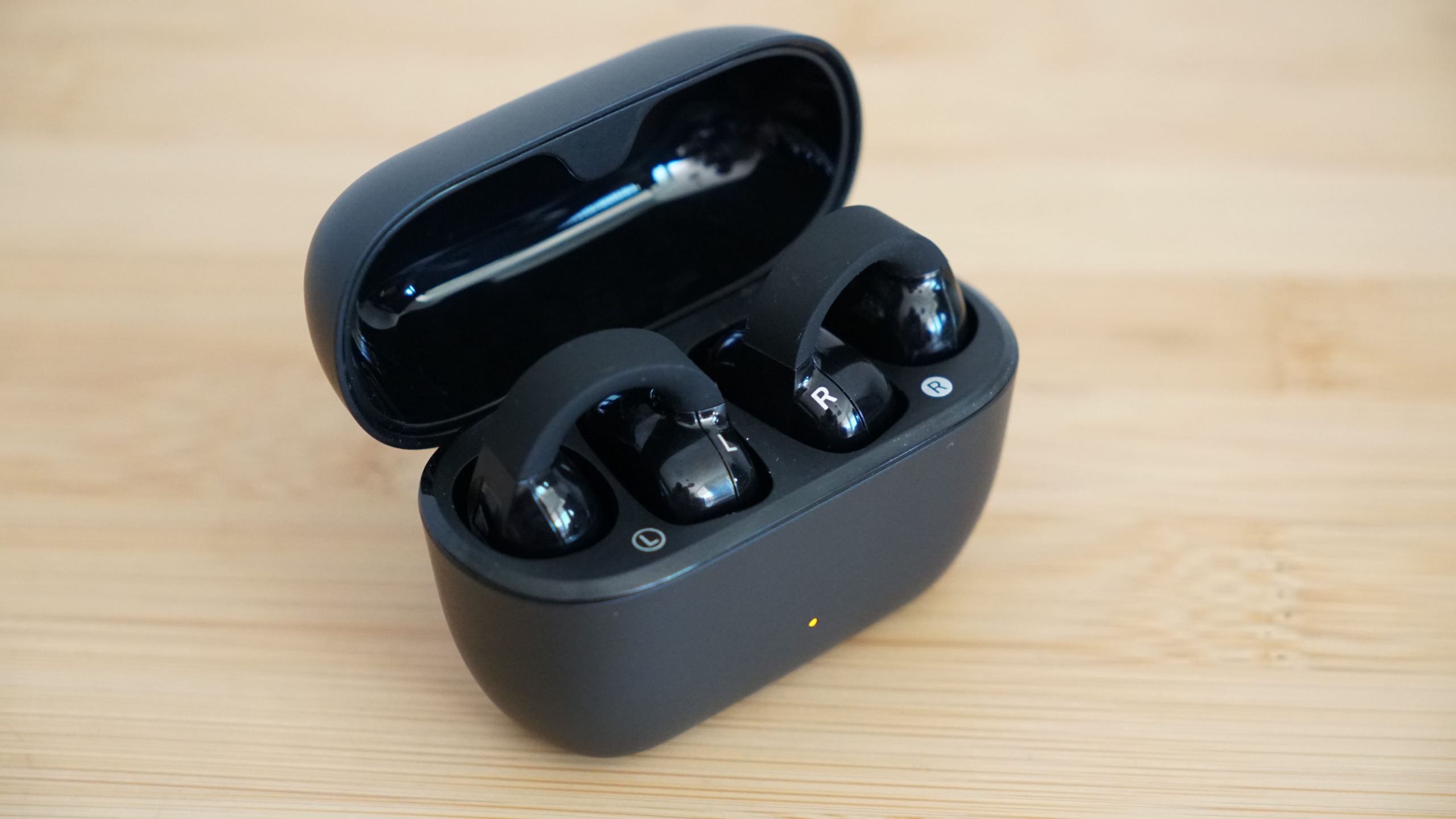
Hardware Design, Ergonomics, and Specifications
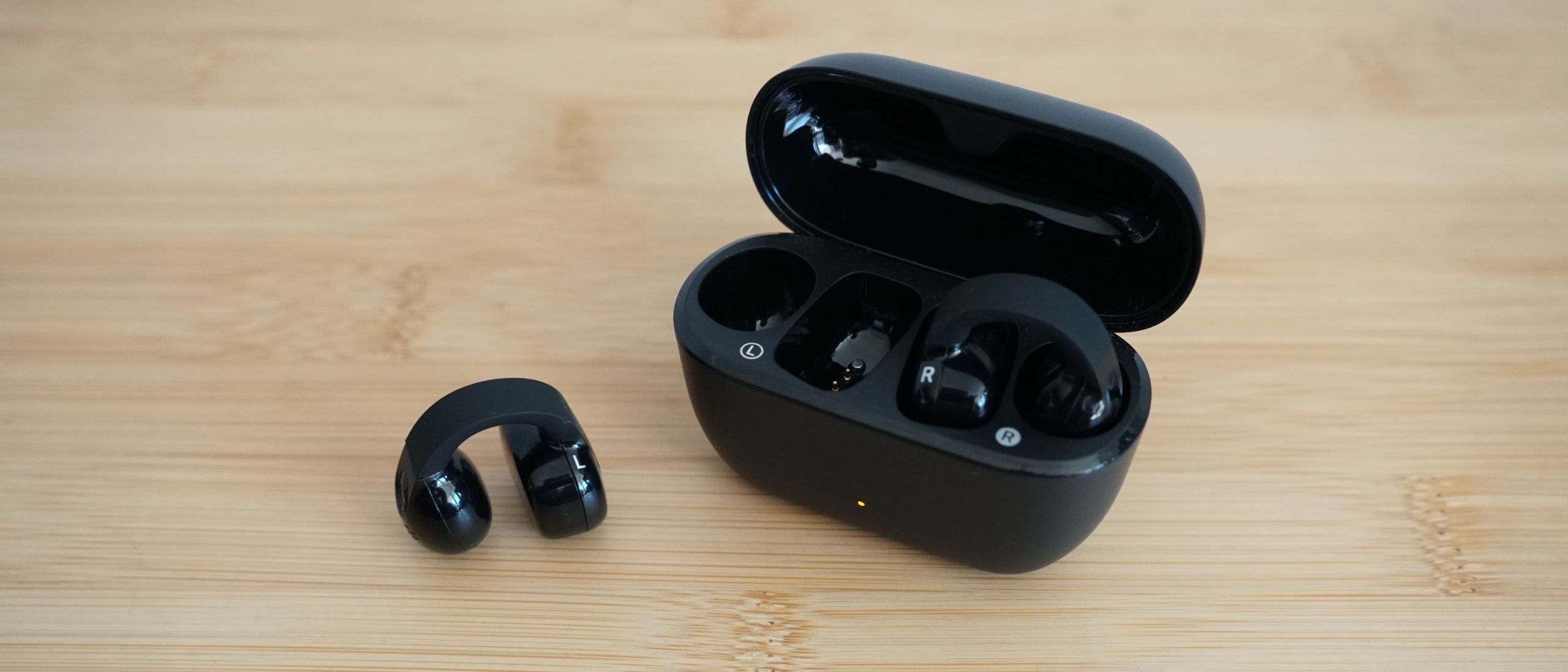
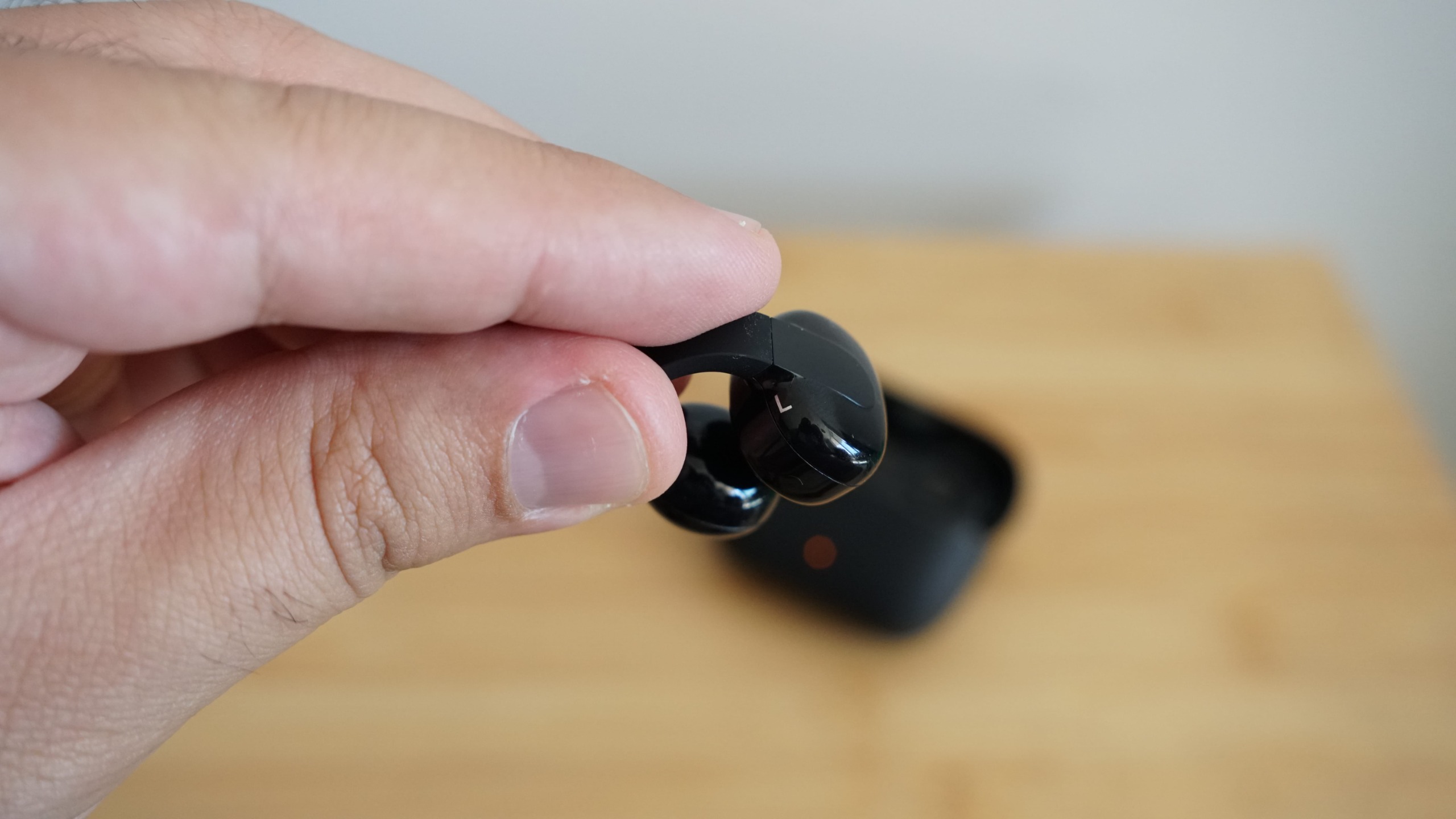
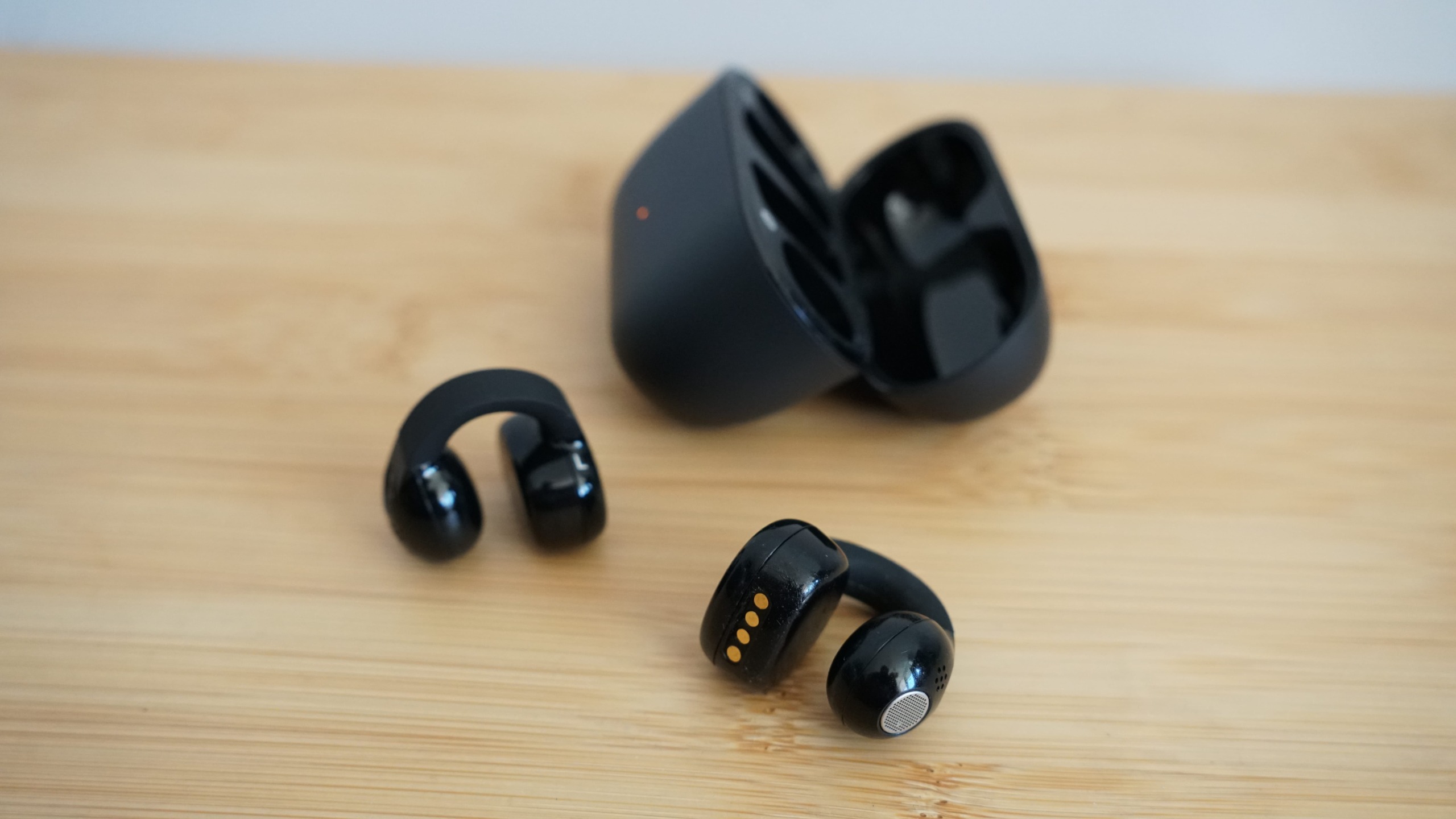
The Accentum Clip features a distinct physical build, available in basic Black and Cream colorways. Each individual earbud weighs approximately 6.8 grams, making them slightly heavier than several competing cuff-style models. A noticeable portion of this mass is concentrated in the rear battery housing, which rests behind the earlobe.
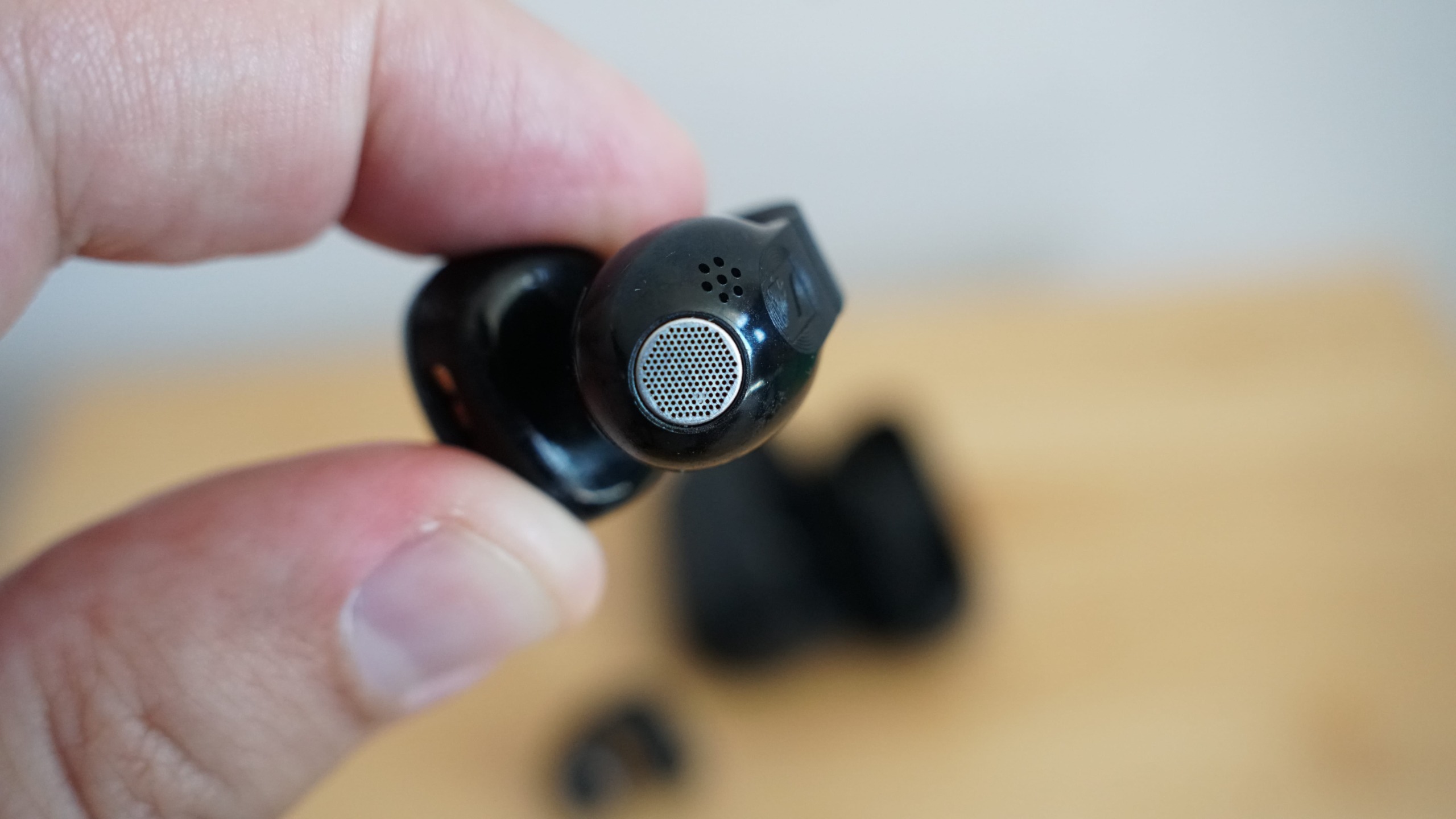
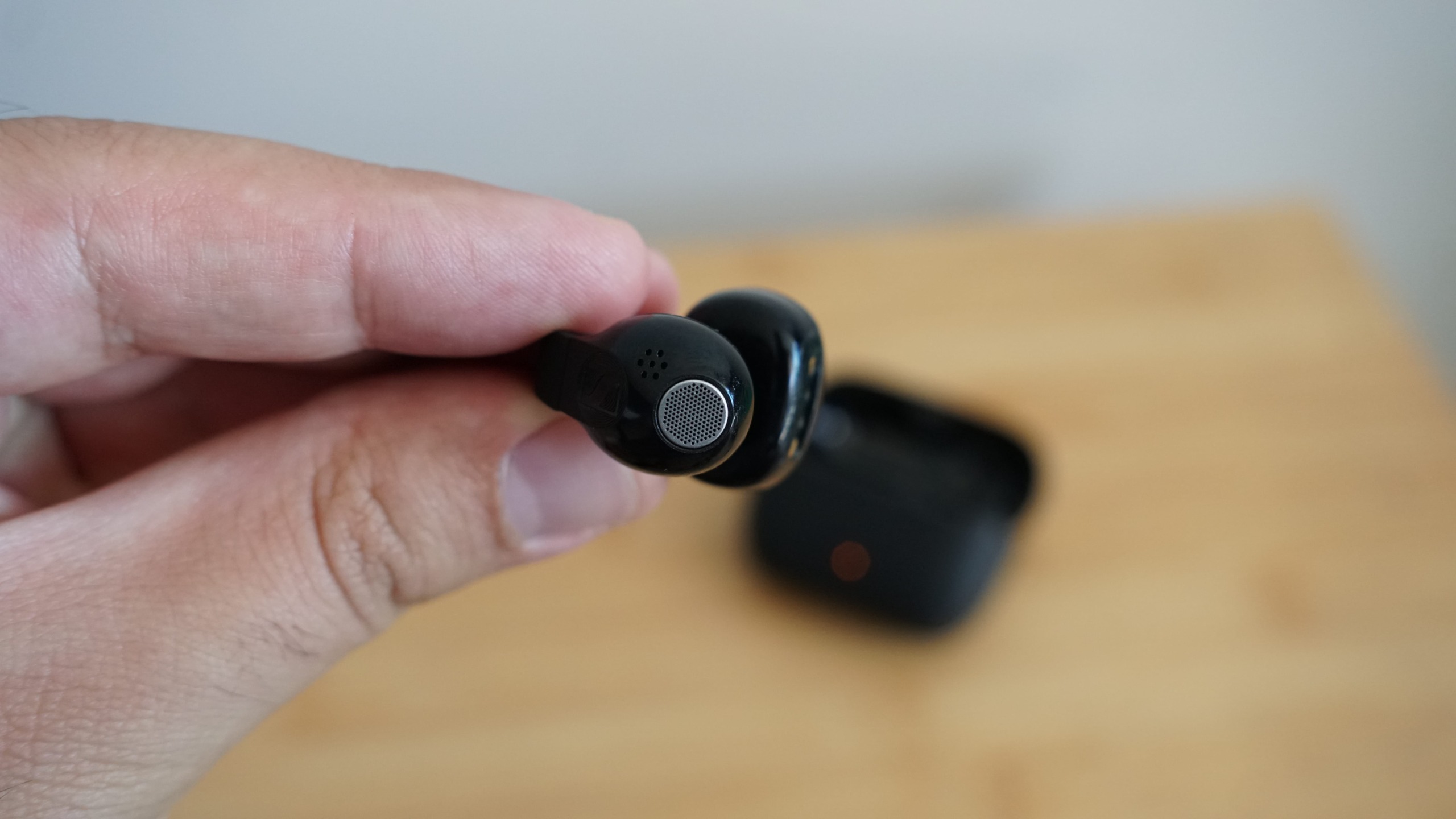
This weight distribution results in a firmer pinching sensation on the outer ear compared to featherlight alternatives like the Bose or Shokz lineups. Achieving an optimal acoustic seal—or in the case of open ears, precise directional audio projection—requires careful positioning. If the 12宁 dynamic drivers are misaligned even slightly relative to the ear canal, the perceived audio fidelity drops significantly. Furthermore, the flexible connecting band connecting the front speaker to the rear battery pod is notably chunkier than industry standards, necessitating a brief period of trial-and-error to secure a stable and comfortable fit.
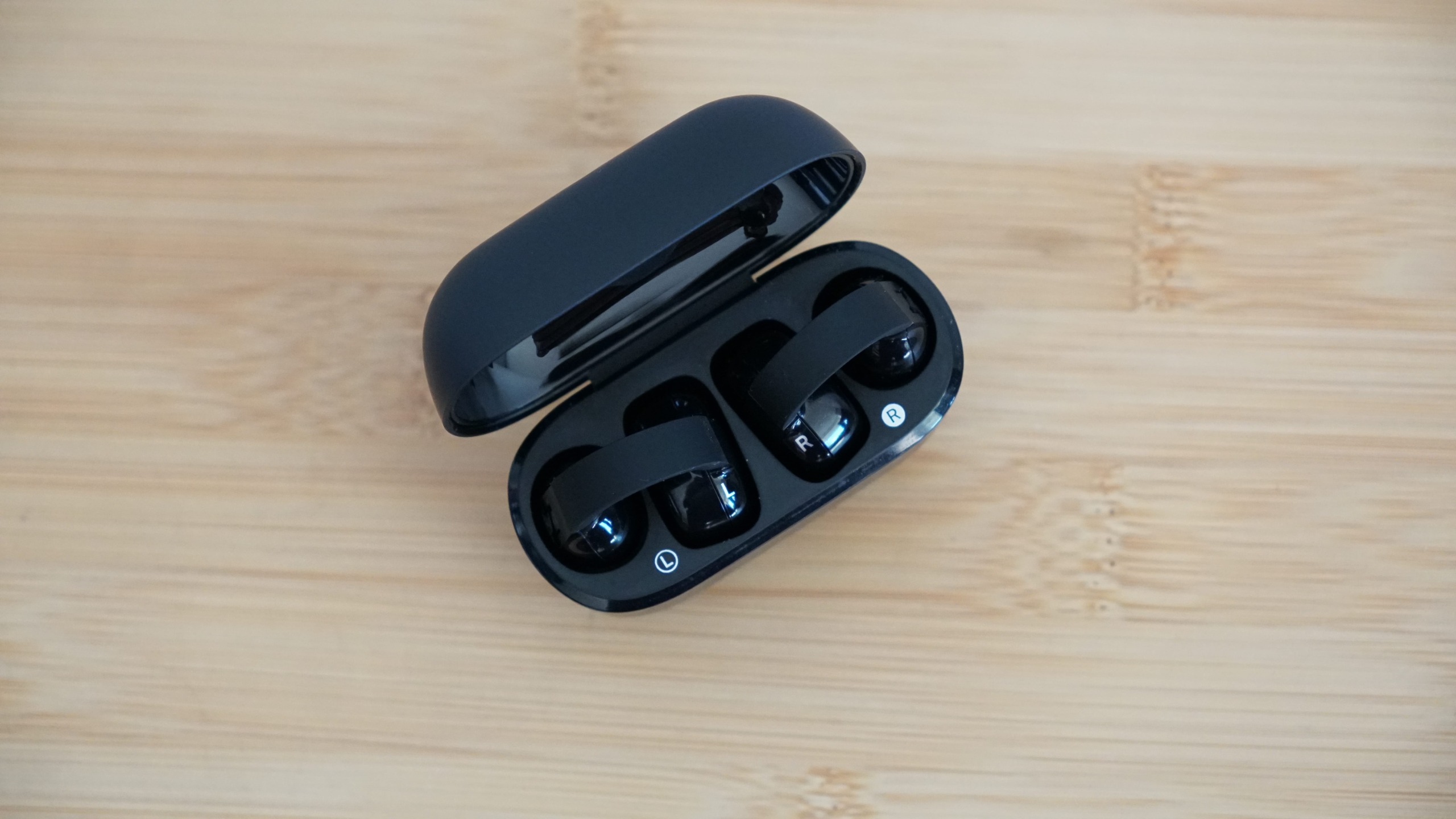
Control mechanisms also deviate from convention. Rather than placing capacitive touch panels on the rear battery enclosure, Sennheiser has integrated touch controls directly onto the front speaker housing. While this allows for immediate gesture inputs, it introduces a higher frequency of accidental activations when adjusting the earbuds in the ear. Fortunately, the companion app allows users to customize or disable these touch gestures.
The earbuds carry an IP54 dust and water-resistance rating, providing adequate protection against light rain, sweat, and everyday dust exposure. They are housed in a compact, vertical-standing charging case designed for pocket portability, though the plastic finish lacks the premium tactile feel associated with Sennheiser’s higher-end Momentum products.
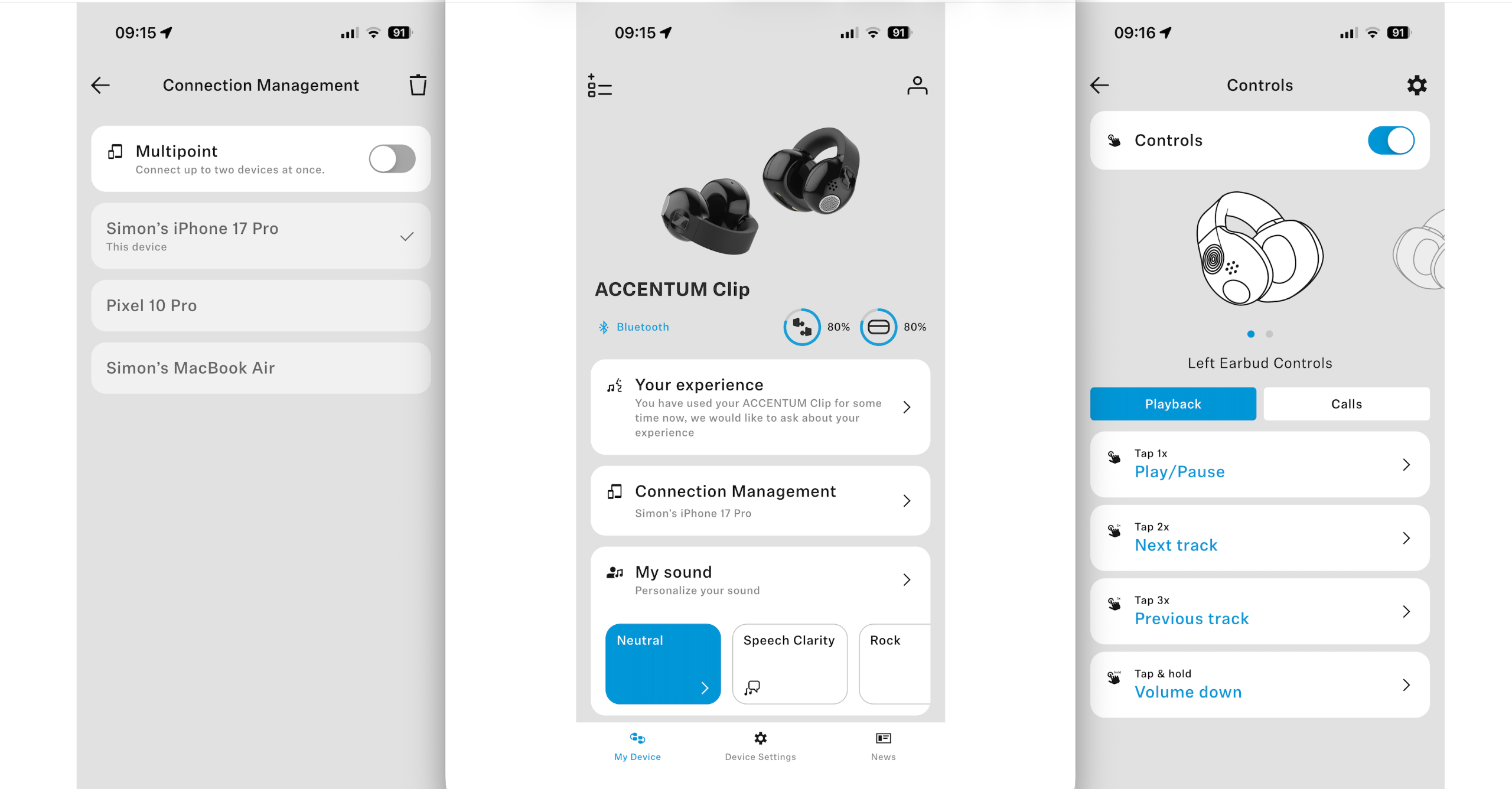
Comprehensive Feature Set and Connectivity Performance
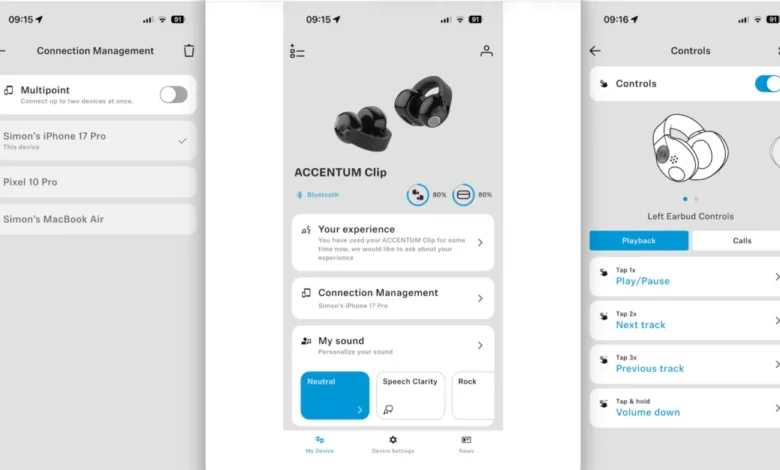
Integration with the Sennheiser Smart Control Plus application provides a robust suite of software tools. Upon initial pairing, users are prompted to perform firmware updates, configure battery management protocols, enable Bluetooth multipoint, and adjust a 5-band equalizer.
One of the standout software additions is a dedicated battery protection mode. By moderating charging speeds and preventing the cells from reaching a full 100% charge capacity, this feature aims to mitigate long-term chemical degradation, effectively doubling or tripling the operational lifespan of the earphones.
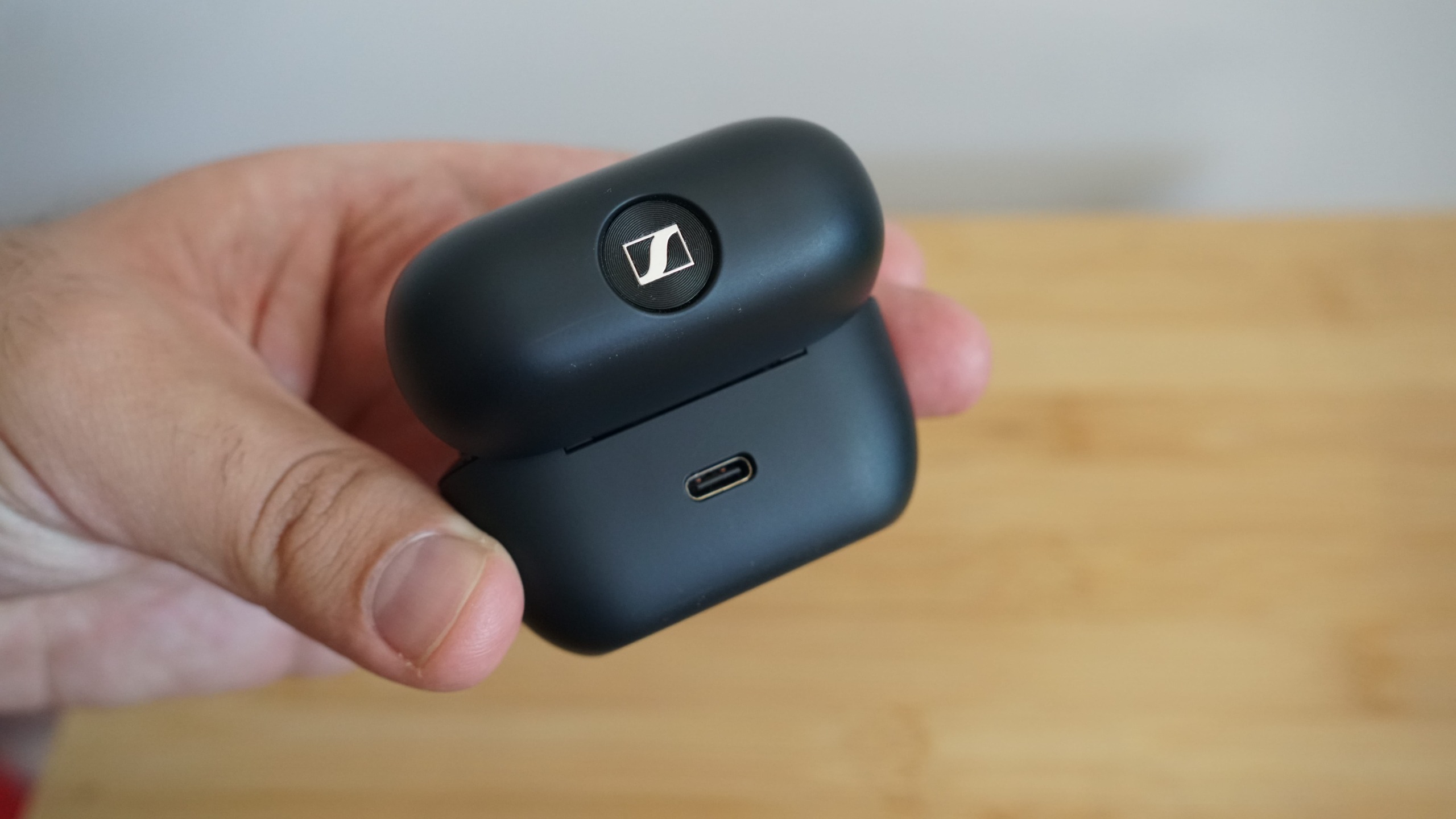
In terms of endurance, Sennheiser quotes up to 9 hours of continuous playback on a single charge, with an additional 27 hours provided by the charging case, bringing the total to 36 hours. Real-world testing indicates that at 50% volume, playback drops by roughly 40% over three hours, yielding a dependable operational window of 7.5 to 8 hours. Because open-ear designs do not utilize active noise cancellation (ANC)—a feature omitted on the Accentum Clip to preserve battery reserves—these longevity figures align favorably with market standards.
Despite supporting modern Bluetooth specifications and high-resolution audio codecs including AAC, SBC, and LDAC, connectivity performance presented notable flaws during testing. Bluetooth multipoint functionality exhibited inconsistent behavior; audio streams frequently defaulted to the incorrect source device upon pausing and resuming playback, or failed to transmit sound entirely when interacting with specific social media applications. Furthermore, unlike other modern ecosystems that allow seamless connection "pulling" between devices, the Accentum Clip requires manual disconnection and reconnection when switching source hardware—an unexpected friction point for a device utilizing advanced Bluetooth standards.
Acoustic Performance and Sound Signature
Open-ear earbuds inherently face acoustic limitations. Without an airtight seal inside the ear canal, generating deep, resonant low frequencies is fundamentally challenging. Despite these physical constraints, Sennheiser has successfully translated its characteristic warm, natural sound profile to the Accentum Clip.
Powered by 12mm dynamic drivers, the earbuds deliver clean instrumentation and clear vocal reproduction at moderate listening levels, avoiding the thin, hollow timbre common among cheaper open-ear alternatives. When streaming music, podcasts, or soundtracks at volumes up to 70%, users experience a surprising amount of bass presence and weight behind kick drums.
However, pushing the volume beyond moderate thresholds introduces audible distortion, diminishes bass texture, and causes fine upper-register details to become obscured. Consequently, these earphones perform best in quiet indoor environments rather than loud outdoor settings where users might be tempted to crank the volume to compensate for ambient noise.
Audiophiles may note the inclusion of the high-resolution LDAC codec. In practical testing across compatible Android and iOS devices, however, switching between LDAC and standard AAC yielded no discernible difference in audio fidelity, serving primarily to consume battery life at a faster rate without tangible acoustic gains.
Final Assessment and Market Implications
The Sennheiser Accentum Clip represents a commendable first attempt at the cuff-style open-ear form factor from an industry heavyweight. They excel in core areas such as mid-volume sound quality, extensive app customization, and long-term battery health management. At £149 / AU$289, they offer a compelling middle-ground option for listeners seeking natural audio reproduction without investing in ultra-premium flagships.
Nevertheless, stiff competition from brands offering superior ergonomics at lower price points—combined with initial US market exclusion, fit adjustments, and software quirks surrounding multipoint connectivity—suggests that Sennheiser still has room to refine its approach in future iterations. For buyers prioritizing brand heritage, detailed acoustic tuning at moderate volumes, and battery longevity features, the Accentum Clip remains a viable choice, provided they can overlook minor ergonomic and connectivity inconveniences.