Oppo Pad 5 Review: A Premium Big-Screen Tablet Balancing Power, Value, and Strategic Trade-Offs


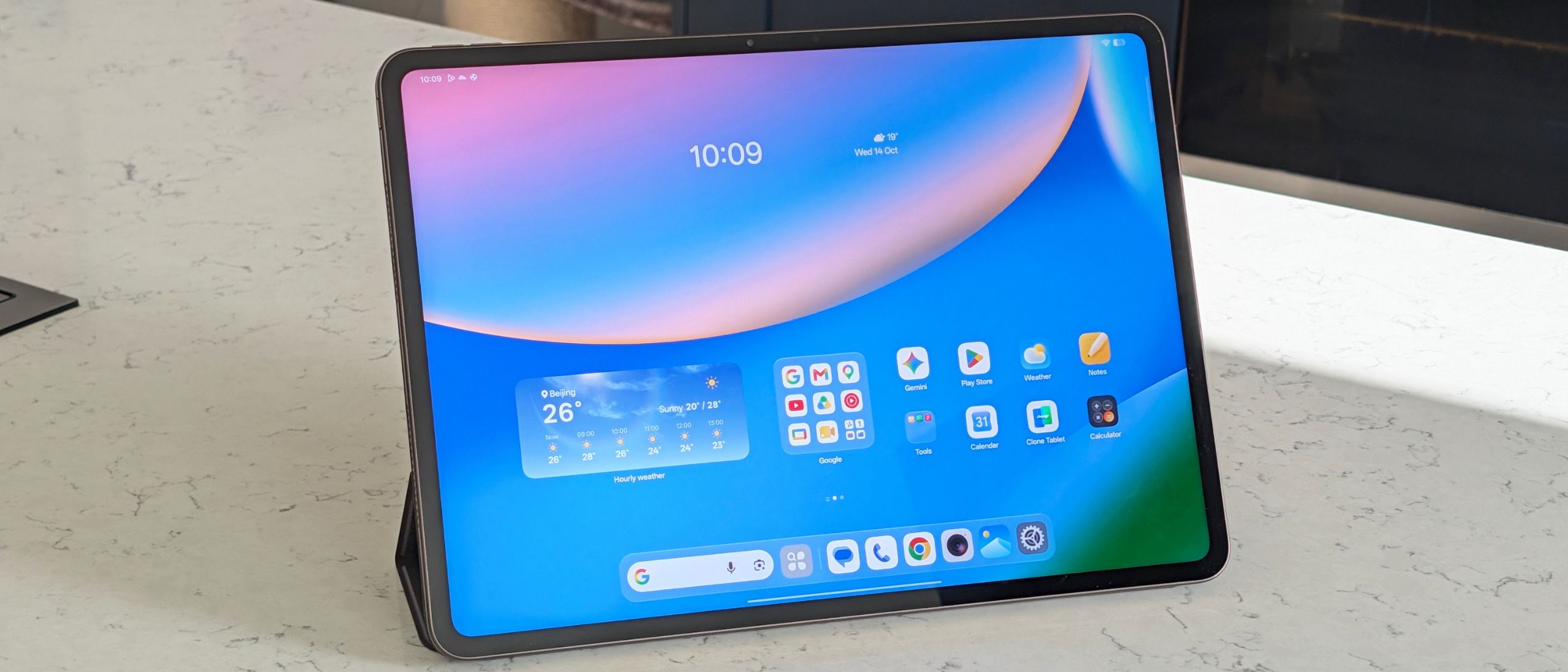
The landscape of big-screen productivity and entertainment tablets has expanded significantly, and the introduction of the Oppo Pad 5 Pro adds a compelling, budget-conscious contender to the mid-to-high tier market. Retailing at £699 in the UK and European markets—with launch promotional pricing dipping down to £599—the 13.2-inch Android slate arrives as the direct successor to the Oppo Pad 3 Pro released in 2025. While it brings a larger display, an upgraded Snapdragon processor, and an extraordinary multi-day battery capacity, its release also highlights the complex supply chain pressures currently shaping the consumer electronics industry.
Evolution of the Lineup and Global Market Positioning
Tracing the chronology of Oppo’s tablet division reveals a deliberate shift in strategy. The preceding Oppo Pad 3 Pro established a strong reputation with a 12-inch display and a robust 12GB of RAM, establishing itself as a versatile option for mobile professionals and media consumers alike. However, the release of the Pad 5 Pro introduces an intriguing specification shift: while the screen size has expanded to 13.2 inches, the RAM capacity has been reduced to 8GB.
Industry analysts attribute this configuration change directly to the ongoing global random-access memory (RAM) shortage. As memory component costs surge globally, hardware manufacturers face difficult decisions regarding retail pricing thresholds. By stepping down to 8GB of RAM, Oppo has successfully managed to keep the Pad 5 Pro competitively priced at £699. This positions the device below premium competitors such as the 13-inch Apple iPad Air and the Samsung Galaxy Tab S12 Plus, while offering a significantly larger display and newer internal architecture than entry-level alternatives.
Design, Display, and Ergonomics
The physical construction of the Oppo Pad 5 Pro reflects current design trends among ultra-slim mobile hardware. Crafted from an all-metal unibody with flat edges reminiscent of contemporary premium tablets, the device measures a slender 5.94mm in thickness. Despite its thin profile, the large footprint and massive internal components bring the weight to 672g, making it notably heavier than smaller alternatives or ultra-thin flagships like the 13-inch iPad Pro.
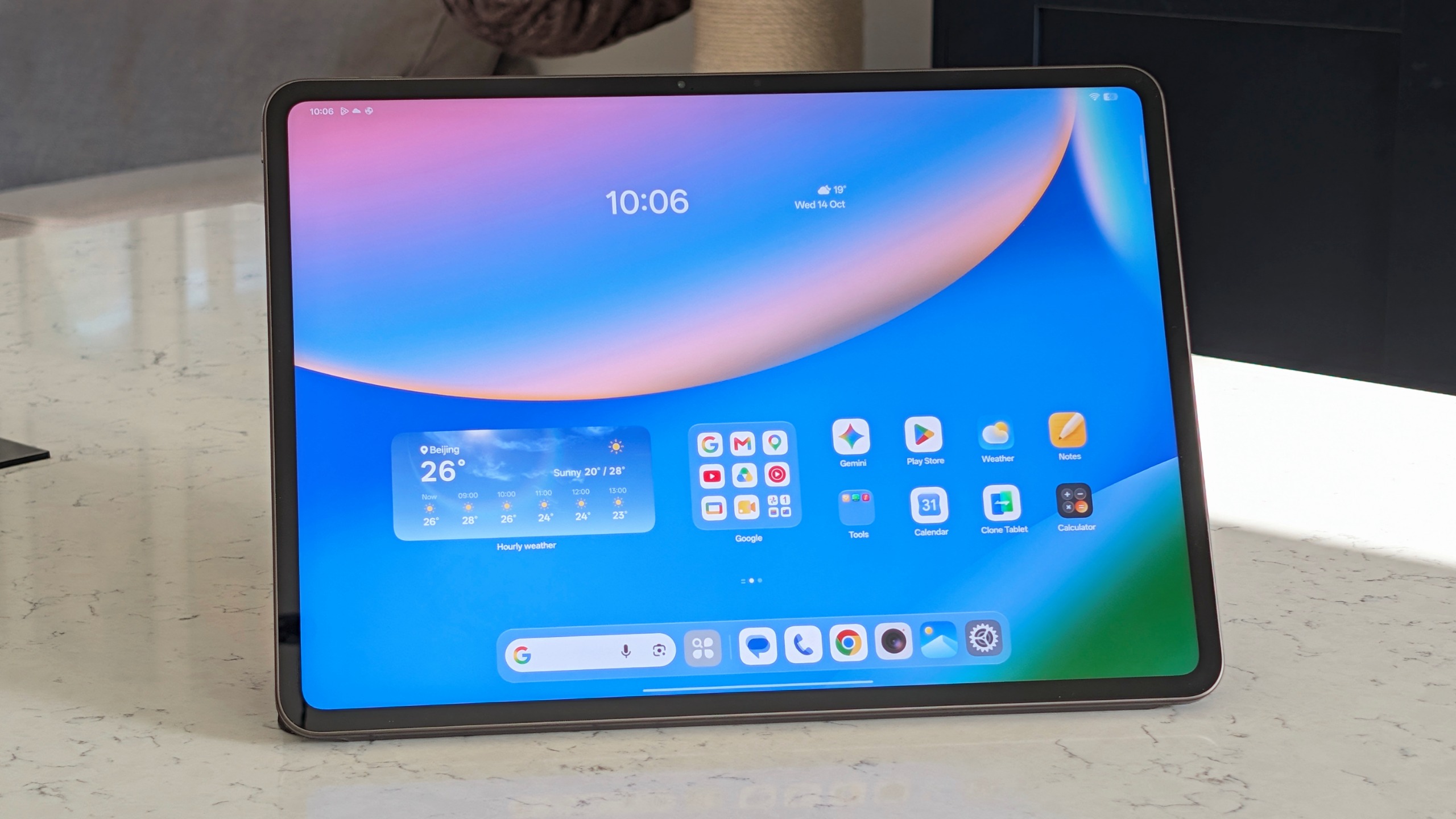
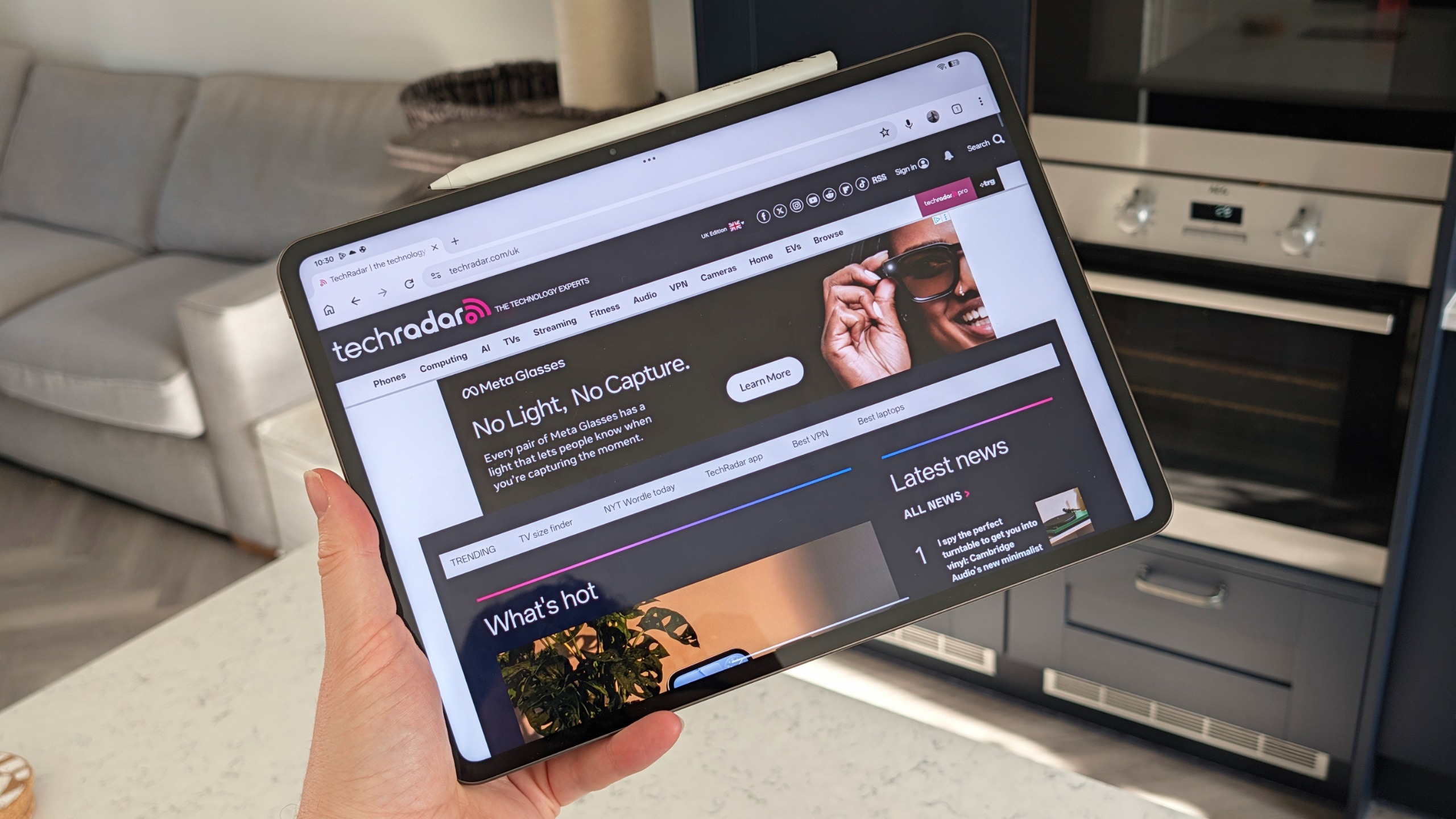
The centerpiece of the hardware is its expansive 13.2-inch LCD display, built around a unique 7:5 aspect ratio that Oppo terms the "A4 golden ratio." This geometry is specifically tailored to enhance productivity tasks, making document editing, spreadsheet viewing, and digital reading considerably more natural in portrait mode. The screen boasts a 3.4K resolution (3392 x 2400 pixels), yielding a sharp 315 ppi pixel density, alongside an adaptive refresh rate scaling up to 144Hz for fluid scrolling. With a peak brightness of 1,000 nits, the display remains legible in bright environments, aided by HDR and Dolby Vision support for streaming media.
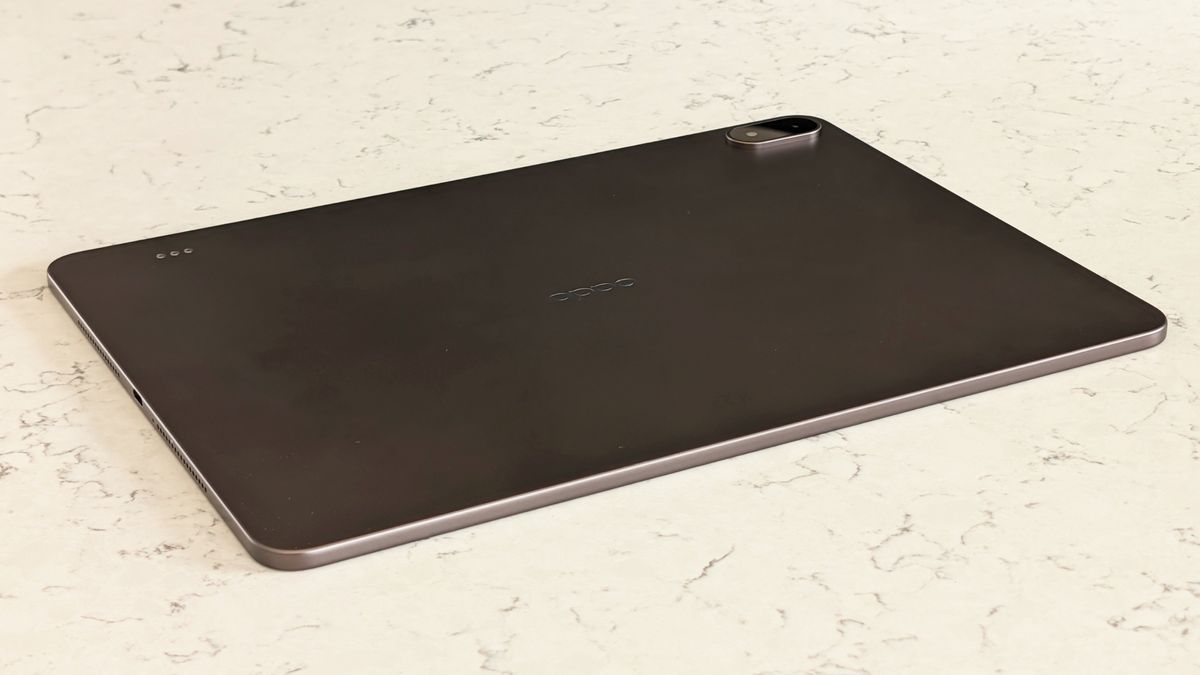
Audio performance is handled by a sophisticated eight-speaker array—four positioned along each short edge—complemented by dual microphones optimized for video conferencing and voice clarity. Biometric security relies entirely on facial recognition, as Oppo has omitted a physical fingerprint scanner from both the power button and the display panel.
Software Integration and Ecosystem Connectivity
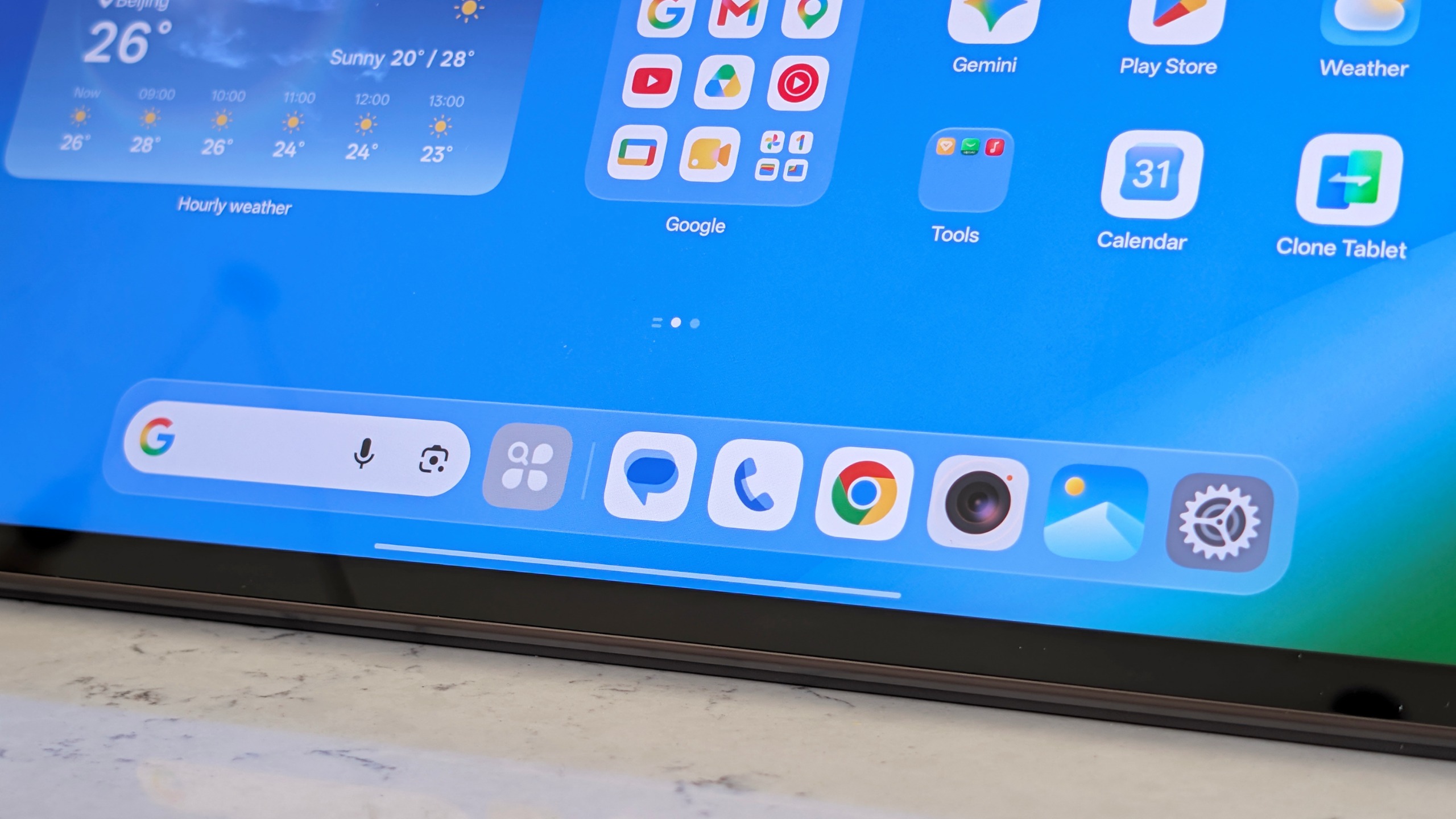
Running on Android with Oppo’s proprietary ColorOS 16 interface—with an anticipated upgrade to ColorOS 17 slated for late 2026—the software suite focuses heavily on multitasking and ecosystem integration. ColorOS 16 maintains a clean aesthetic close to stock Android while offering extensive customization tools. Multi-window capabilities are streamlined, allowing users to effortlessly run multiple applications in split-screen views via a straightforward three-dot interface gesture.
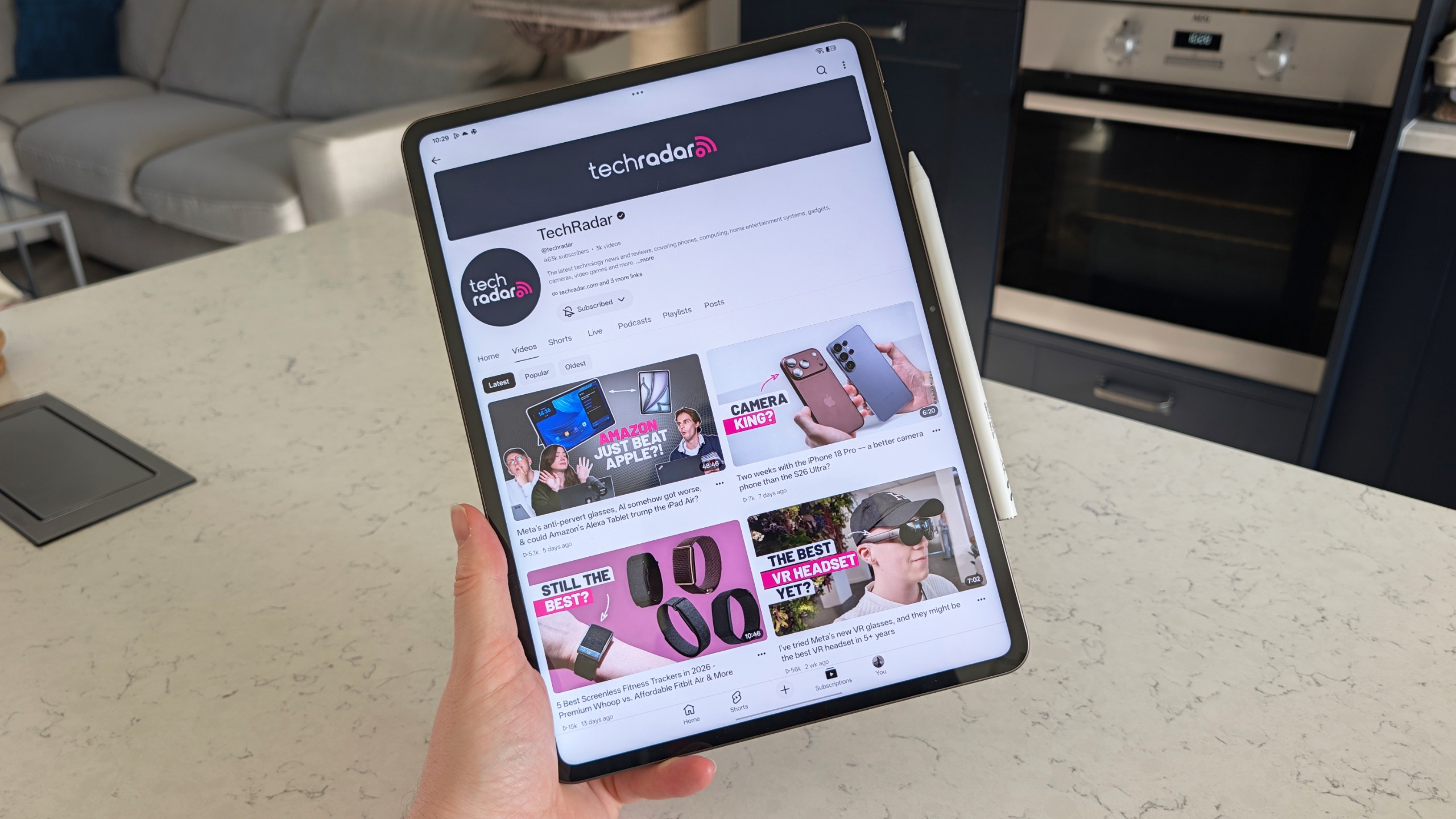
A standout feature for mobile professionals is O+ Connect, a proprietary software bridge enabling seamless interaction with Windows and macOS laptops. The utility allows the Oppo Pad 5 Pro to function wirelessly or via a wired connection as a functional secondary display, facilitate cross-device clipboard sharing, and transfer files instantly. Furthermore, productivity is amplified by optional hardware accessories: the Oppo Pad 5 Pro Smart Keyboard case (£299) provides a full QWERTY layout and stable stand, while the Oppo Pencil 3 Pro (£79.90) introduces 16,000 levels of pressure sensitivity and an innovative felt tip designed to mimic the tactile resistance of writing on physical paper.
Performance and Hardware Capabilities
Under the hood, the Oppo Pad 5 Pro is powered by Qualcomm’s flagship Snapdragon 8 Elite Gen 5 chipset. This cutting-edge processor provides substantial computational horsepower, ensuring that everyday navigation, high-end mobile gaming, and artificial intelligence workloads are handled smoothly. During intensive testing, the tablet successfully maintained high frame rates on demanding titles like PUBG Mobile—assisted by Oppo’s dedicated Game Assistant software—while effortlessly managing 4K video playback across major streaming platforms.
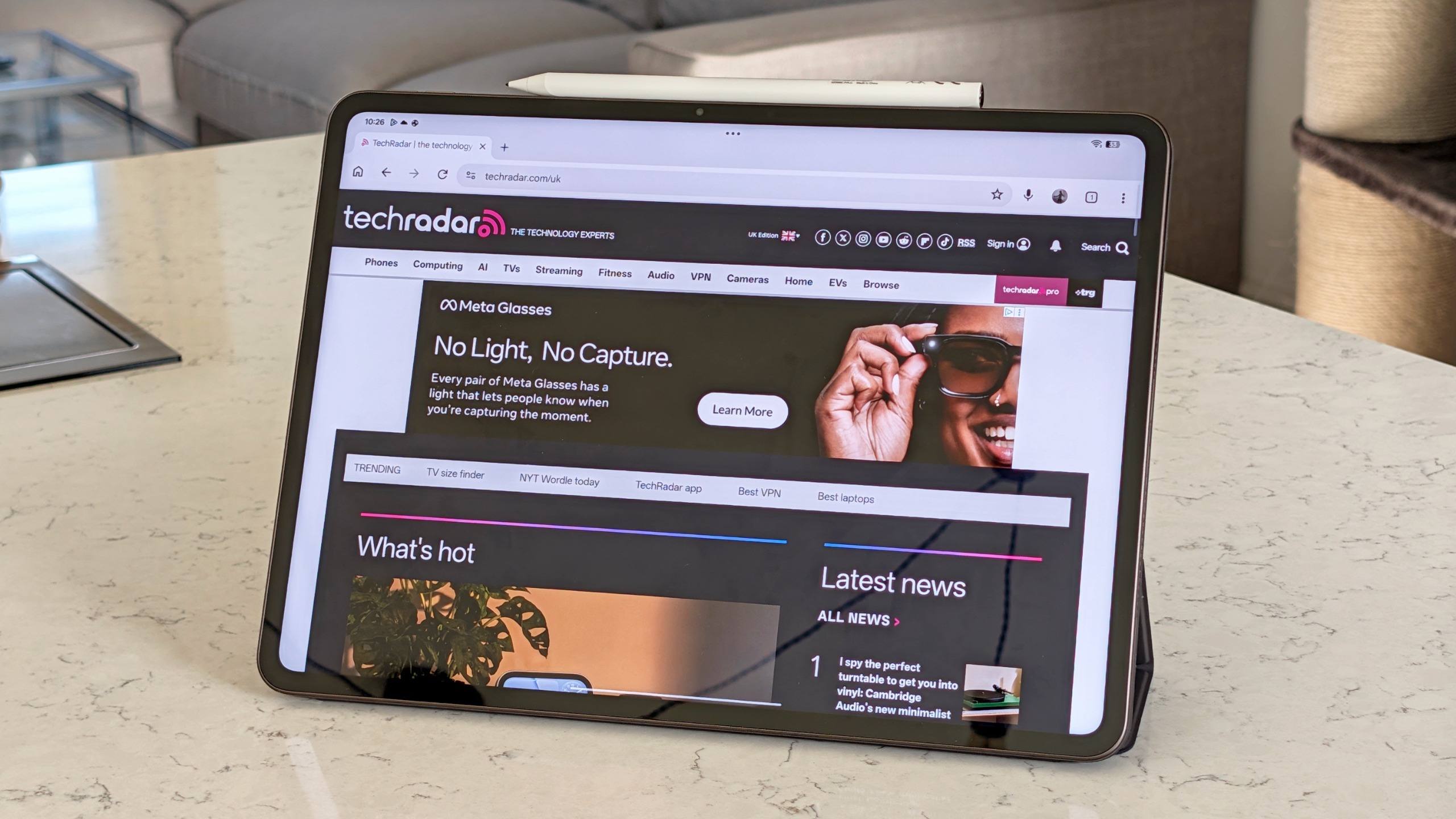
Nevertheless, the reduction to 8GB of LPDDR5X RAM does introduce a performance ceiling compared to its 12GB predecessor. While the device handles standard multitasking, media consumption, and general office productivity with ease, power users attempting exceptionally heavy graphic rendering or complex multi-app AI processing workflows may encounter bottlenecks. Storage is fixed at a generous 256GB, though the absence of cellular connectivity options means users are restricted to Wi-Fi networks.
Battery Longevity and Charging Infrastructure
One of the most commanding attributes of the Oppo Pad 5 Pro is its colossal 13,380mAh battery pack. The expansive power capacity translates directly into exceptional real-world endurance. Moderate everyday usage—encompassing web browsing, document editing, and sporadic media streaming—consistently yields up to two full days of operation on a single charge. Dedicated media testing reveals that streaming high-definition video drains approximately 6% to 9% of the battery per hour, pointing toward extensive total playback longevity under optimized settings.
When replenishment is required, the tablet supports 80W SuperVOOC wired fast charging. Utilizing an appropriately rated high-output charging block, the device can recover substantial battery percentages within brief charging intervals. However, consumers should note that a compatible 80W power adapter is not included in the retail packaging and must be purchased separately.
Market Implications and Verdict
The Oppo Pad 5 Pro occupies a strategic middle ground in the global tablet market. By prioritizing a stunning 3.4K display, a top-tier Qualcomm processor, and unmatched battery endurance while absorbing component cost pressures through a strategic RAM reduction, Oppo has delivered a versatile productivity and entertainment slate.
While its heavy build, lack of cellular options, and 8GB RAM ceiling may deter extreme power users, the tablet presents exceptional value for money—particularly for students, remote workers, and media enthusiasts seeking a large-screen experience without the exorbitant pricing associated with tier-one competitors. Supported by robust accessory integration and thoughtful software optimization, the Oppo Pad 5 Pro solidifies its place as a formidable alternative in the modern Android tablet ecosystem.