Canon EOS R8 Mark II Hands-On Review: A Balanced Evolution in Full-Frame Mirrorless Photography

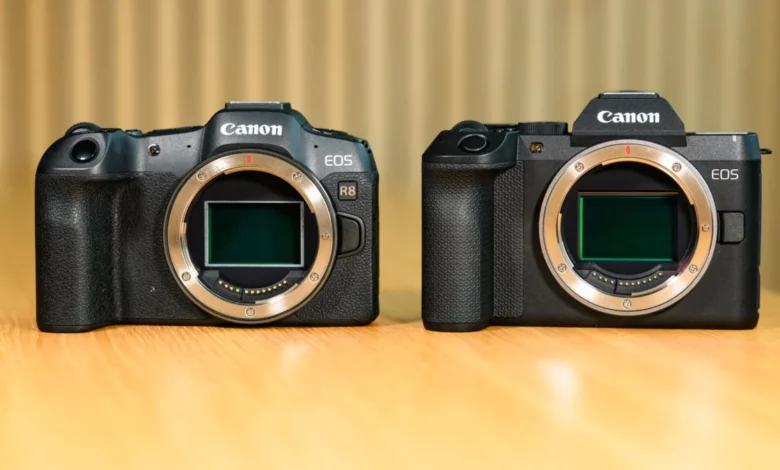
The consumer digital camera market continues its steady evolution as legacy manufacturers refine their entry-level full-frame ecosystems to capture both budget-conscious enthusiasts and hybrid content creators. Canon has officially announced the upcoming release of the EOS R8 Mark II, a direct successor to the popular original EOS R8 model launched previously. The second-generation full-frame mirrorless camera arrives with a series of mechanical and software refinements—most notably the integration of in-body image stabilization and an updated ergonomic design—while retaining certain baseline specifications from its predecessor. Positioned below the high-end R6 series, the new camera attempts to strike a delicate balance between advanced imaging capabilities and cost-efficiency.
Background Context and Market Positioning

When Canon first introduced the original EOS R8, the device was widely received as a simplified, lightweight entry point into the full-frame RF mount system. However, market observers and consumer feedback highlighted several compromises, particularly the omission of in-body image stabilization (IBIS) and a limited battery architecture. Industry rumors leading up to the announcement had heavily speculated that Canon would celebrate the fiftieth anniversary of its iconic AE-1 analog SLR by introducing a fully retro-styled digital body.
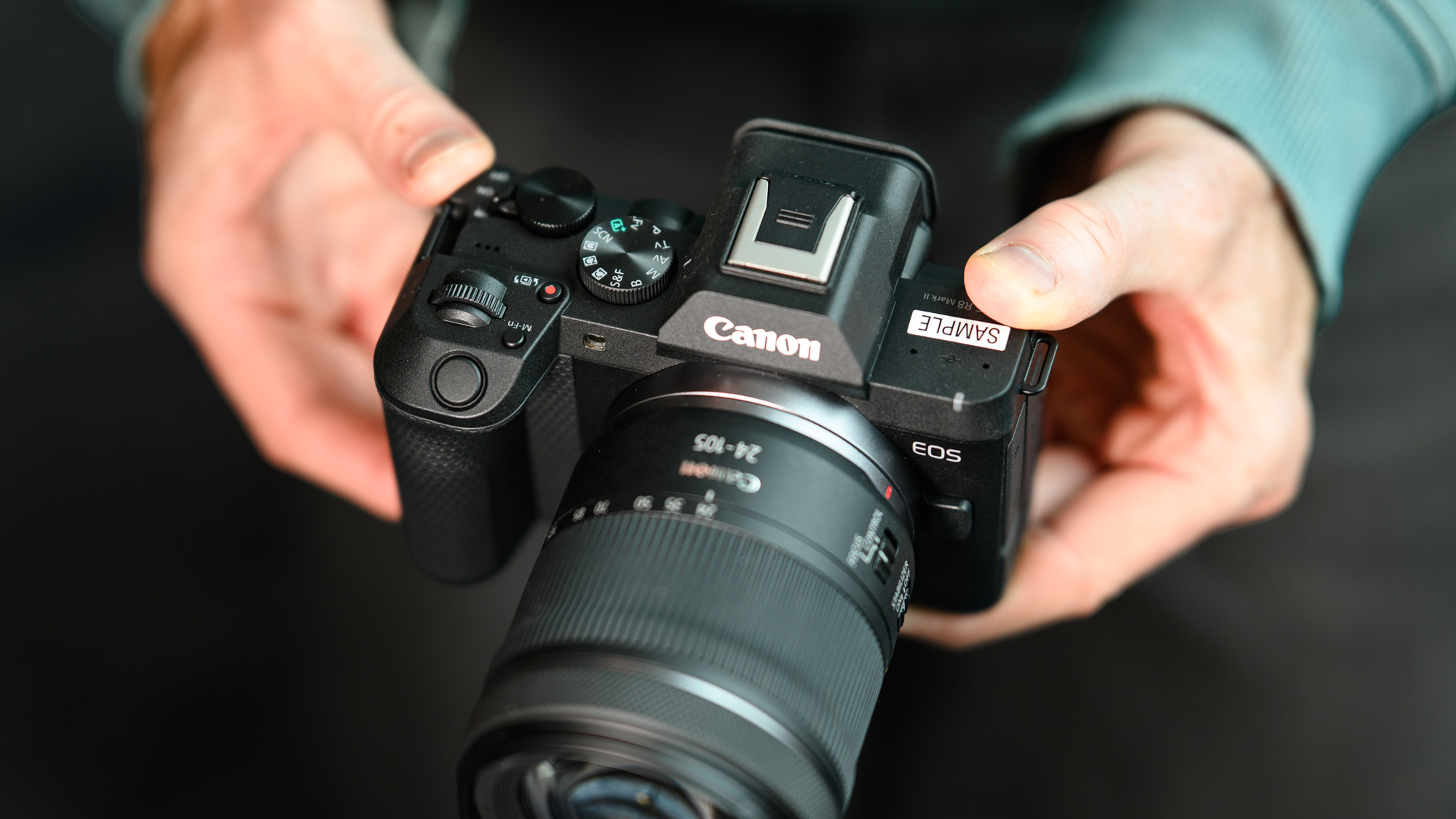
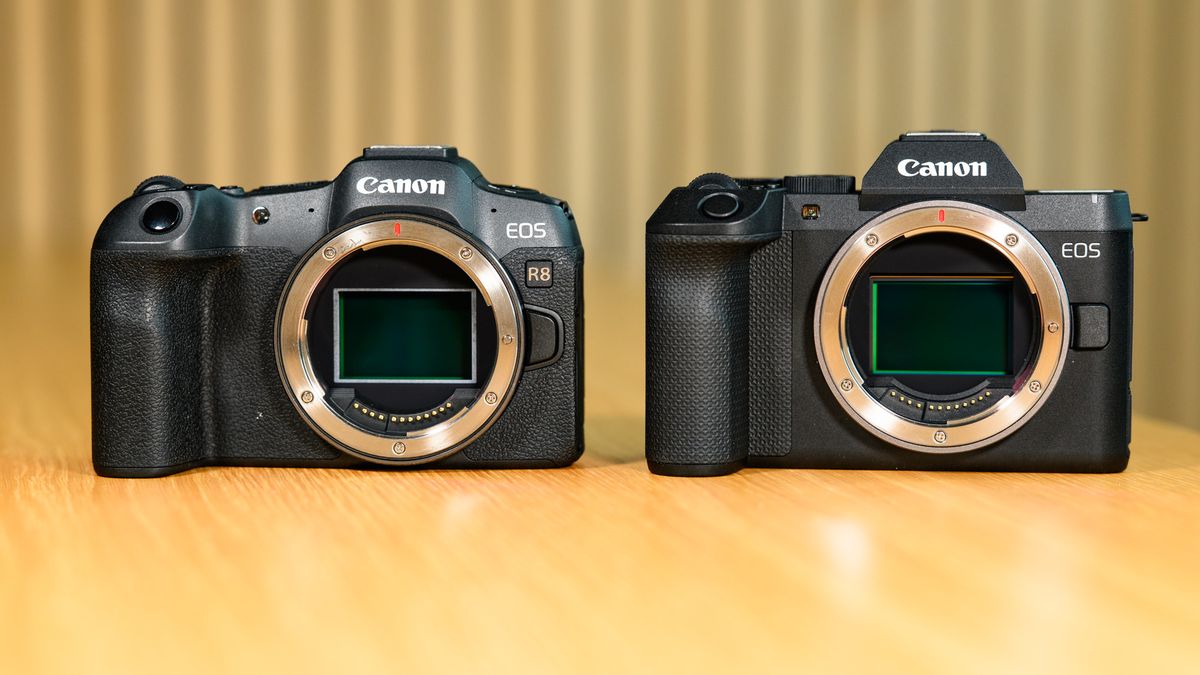
While the EOS R8 Mark II does incorporate subtle design cues drawn from decades-old analog SLR cameras—featuring sharper lines, a textured grip, and a slightly more angular chassis—it stops short of the aggressive retro aesthetic seen in competitors like the Nikon Zf. Instead, Canon opted for a modern hybrid profile that blends traditional ergonomics with contemporary layout standards. According to company representatives, the updated exterior styling is designed to improve handling stability, particularly when paired with longer telephoto or standard zoom lenses.
Pricing, Configurations, and Global Release Schedule
Canon has scheduled the global market release of the EOS R8 Mark II for October 20, targeting a late-year sales window ahead of the peak holiday shopping season. The manufacturer’s suggested retail pricing is structured across several distinct purchasing configurations to accommodate different consumer needs.
For buyers purchasing the camera independently, the body-only configuration is priced at $1,899 in the United States, £1,729 in the United Kingdom, and AU$2,529 in Australia. In North American markets, Canon will offer a dedicated kit pairing the camera with the RF 24-50mm f/4.5-6.3 IS STM lens for $2,099. International markets outside the US will receive alternative bundle options, including a kit featuring the RF 24-105mm F4-7.1 IS STM lens priced at £2,119 in the UK and AU$2,859 in Australia.
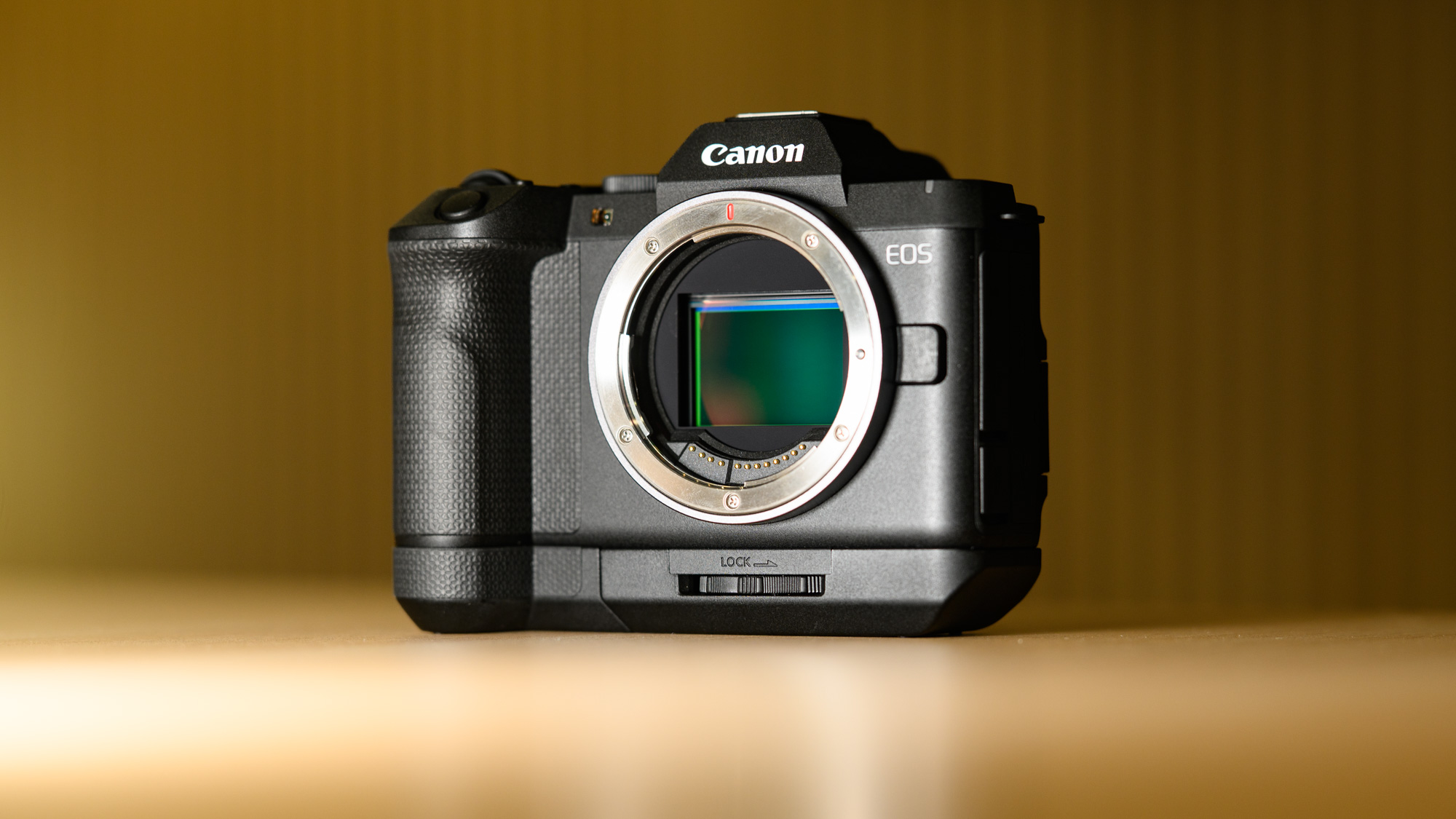
Additionally, Canon has introduced a dedicated ergonomic extension grip, the EC-G2, priced at $99 / £89 / AU$169. Industry analysts have noted that this accessory functions strictly as a physical grip extender to enhance hand support and does not house an auxiliary battery cell. However, the grip includes a specialized mechanical hinge that ensures unobstructed, direct access to the camera’s battery compartment on the underside of the chassis.
Hardware Specifications and Core Architecture
At its core, the EOS R8 Mark II relies on a 24.2-megapixel full-frame CMOS sensor, maintaining the baseline resolution of its predecessor. The camera utilizes the proprietary Canon RF lens mount, ensuring full compatibility with the expanding catalog of RF and RF-S optics, as well as EF-mount lenses via optional mount adapters.
Key structural and technical specifications include:
- Sensor Type: 24.2MP (effective) full-frame CMOS
- Autofocus System: Dual Pixel CMOS AF II featuring 1,053 zones with subject tracking for humans, animals, and vehicles, alongside ‘Register People Priority’
- Continuous Shooting Speeds: Up to 40 frames per second using the electronic shutter
- Video Capabilities: 4K video recording up to 60fps (oversampled from 6K resolution), 10-bit recording, and Canon C-Log 3 profile support; high-speed 1080p up to 180fps for slow-motion playback
- Viewfinder: 0.39-inch OLED electronic viewfinder with 2.36 million dots and 0.70x magnification
- Rear Display: 3.0-inch vari-angle touchscreen LCD with 1.62 million dots
- Storage: Single SD/SDHC/SDXC card slot, relocated to a side-door compartment adjacent to the handgrip
- Connectivity: 2.4GHz and 5GHz Wi-Fi, USB-C wired data transfer, and clean micro-HDMI output
- Physical Dimensions: 131.4 x 90.0 x 79.7 mm
- Weight: Approximately 546 grams including battery and memory card (499 grams body only)
Performance Upgrades and Functional Enhancements
The most significant performance upgrade in the EOS R8 Mark II is the incorporation of sensor-shift in-body image stabilization (IBIS). Rated for up to 7.5 stops of correction when paired with compatible stabilized RF lenses, the stabilization system addresses one of the primary criticisms leveled against the original model. This addition facilitates handheld shooting in low-light environments and stabilizes long-exposure photography and handheld video recording.
Autofocus performance has also been refined through the Dual Pixel CMOS AF II engine. The system’s low-light sensitivity has been extended to -7.5EV. A notable software addition is the ‘Register People Priority’ function, which allows operators to pre-register and store up to ten specific individual faces in the camera memory. The autofocus system subsequently prioritizes tracking these designated subjects within complex crowds, a feature expected to appeal to event and wedding photographers.
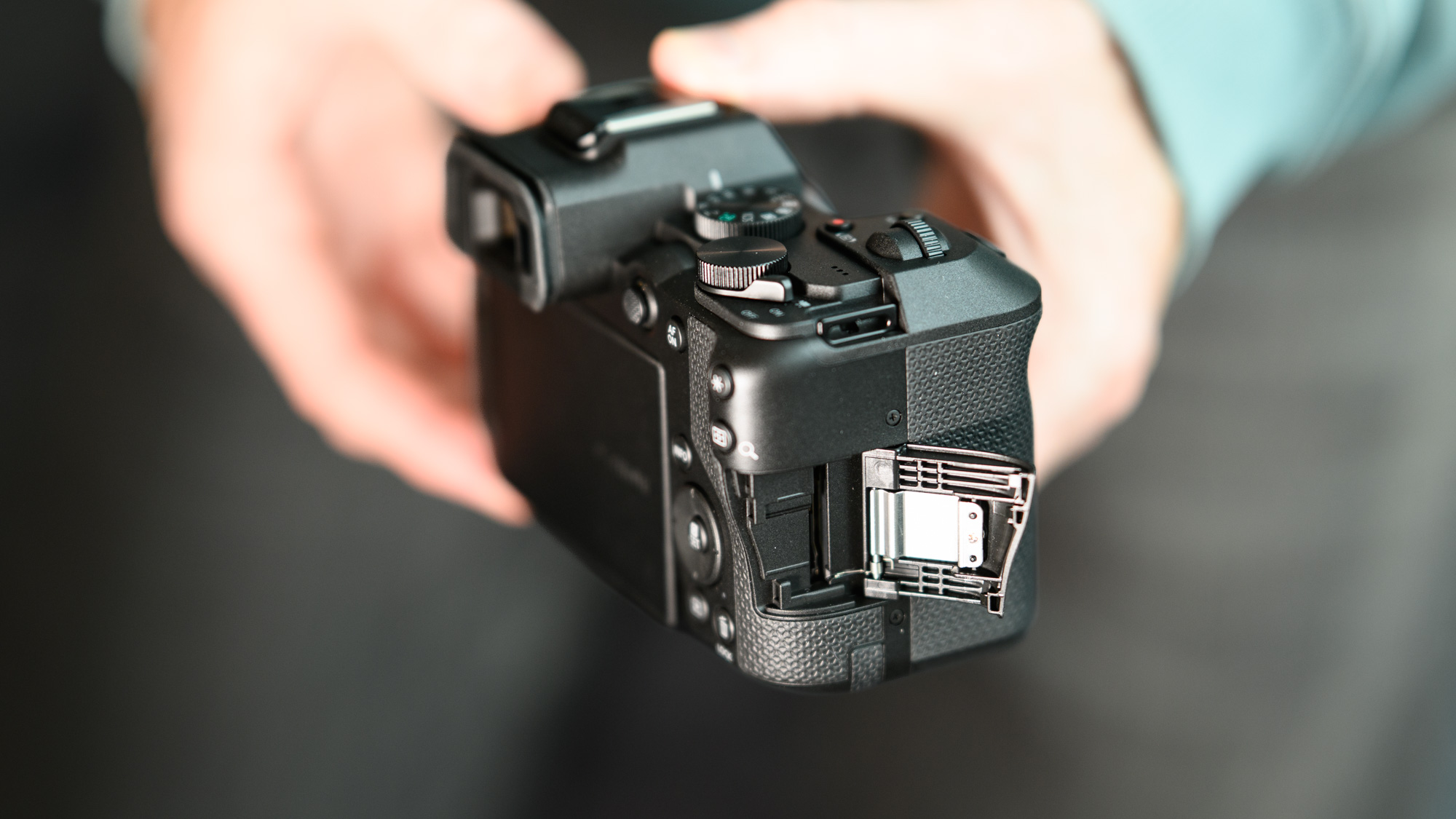
For action and wildlife photography, the EOS R8 Mark II introduces pre-continuous shooting (pre-capture) to Canon’s entry-level full-frame tier. By continuously buffering frames while the shutter button is pressed halfway, the camera can capture up to 20 images recorded in the half-second immediately prior to the full actuation of the shutter.
Video specifications receive a substantial boost with oversampled 4K recording up to 60fps, alongside 180fps slow-motion capture at 1080p. The inclusion of Canon’s C-Log 3 profile provides greater dynamic range flexibility for color grading in post-production. Furthermore, Canon has integrated a tally lamp to indicate active video recording and relocated the single SD card slot from the bottom battery compartment to a dedicated side door, improving accessibility when the camera is mounted on tripods or gimbals.
Ergonomics, Handling, and Design Compromises
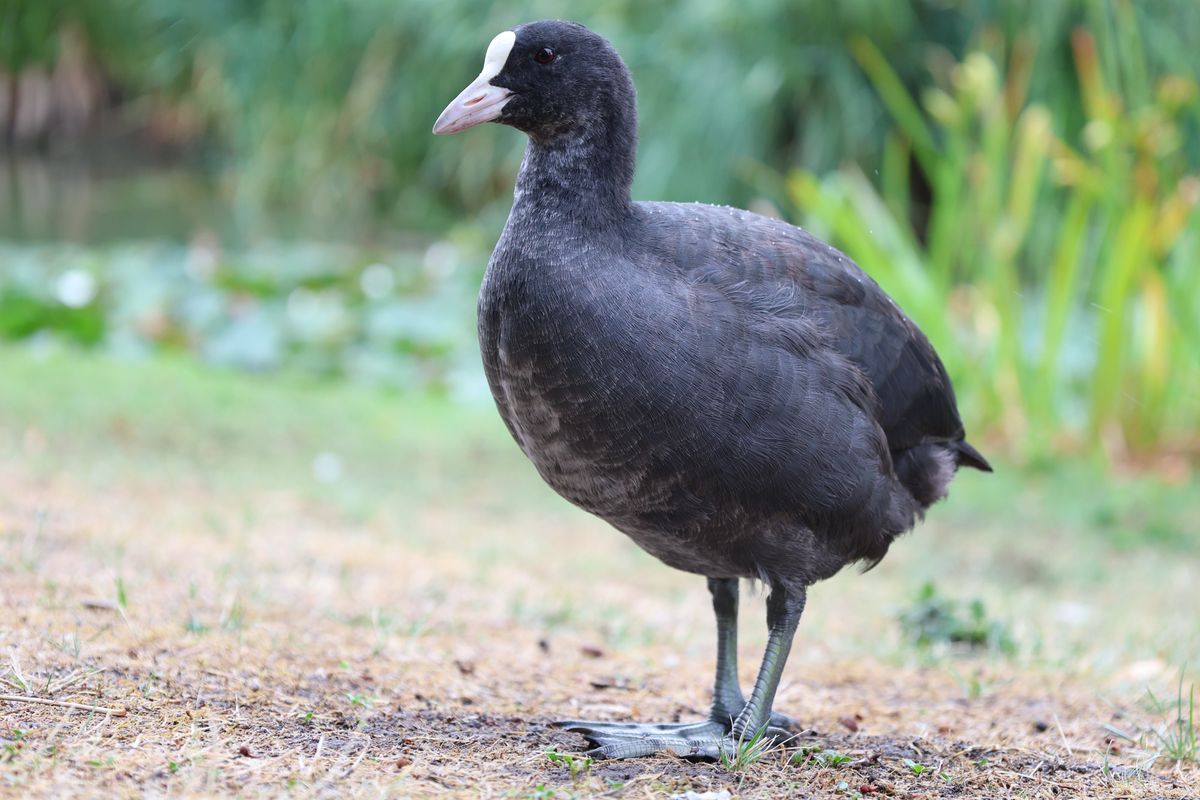
Initial hands-on evaluations of the camera at Canon’s regional facilities reveal notable changes to physical control layouts. The inclusion of a dedicated rear multi-controller (joystick) alongside the AF-ON button allows users to adjust autofocus points rapidly while maintaining a secure, one-handed grip on the body.
Despite these ergonomic improvements, the EOS R8 Mark II retains several legacy constraints. The chassis construction continues to utilize a hybrid build of aluminum alloy and polycarbonate materials, lacking the weather-sealed magnesium alloy construction found in higher-tier alternatives like the Canon EOS R6 series or competing models such as the Nikon Z5 II.
Battery performance remains a critical limitation. The camera utilizes the same compact battery pack as the original EOS R8. Due to the power demands of the newly added sensor-shift image stabilization system, battery endurance is rated at approximately 220 shots per charge when utilizing the electronic viewfinder, or up to 340 shots via the rear LCD monitor. Consequently, intensive field usage will likely require operators to carry multiple spare power cells.
Comparative Market Outlook and Industry Implications
The release of the EOS R8 Mark II places Canon directly into competition within the highly contested mid-range full-frame mirrorless sector. Analysts note that while the addition of IBIS, pre-capture capabilities, and an ergonomic joystick make the Mark II a substantially more versatile tool than its predecessor, it enters a market where rival manufacturers have set high standards for build quality and display resolution at competitive price points.
For existing Canon enthusiasts invested in the RF lens ecosystem, the EOS R8 Mark II provides a logical upgrade path that avoids the significantly higher financial investment required for professional-grade bodies. However, consumers uncommitted to a specific brand ecosystem may weigh the camera’s feature set against alternatives like the Nikon Z5 II, which offers weather-sealed magnesium construction at a lower price point.
As the October release date approaches, initial impressions suggest that the EOS R8 Mark II will perform strongly among content creators and enthusiasts seeking lightweight full-frame performance, provided retail pricing adjusts competitively over its product lifecycle. Comprehensive evaluations detailing absolute image quality, thermal performance during extended video recording, and rigorous battery endurance testing will follow upon the publication of full review metrics.