Samsung Galaxy S26 FE Review: A Streamlined Flagship Stifled by Price Hikes and Fierce Internal Competition


The release of Samsung’s Fan Edition lineup has historically represented a predictable cadence in the consumer technology sector. Arriving annually just ahead of the late-summer market transition, these devices are strategically engineered to distill the core attributes of the primary Galaxy S flagships into a more accessible package. Released globally on September 4, 2026, the Samsung Galaxy S26 FE continues this tradition, priced at $699 / £699 / AU$1,149 for the base 128GB configuration. However, structural price hikes, increased competition from within Samsung’s own ecosystem, and a mixed hardware strategy mean this year’s iteration presents a more complicated value proposition than its predecessors.
Market Positioning and Pricing Architecture
The launch pricing of the Galaxy S26 FE reflects a $50 / £50 / AU$50 increase compared to the previous-generation Galaxy S25 FE. While incremental cost adjustments are common in consumer electronics due to rising component and manufacturing expenses, this particular hike narrows the financial gap between the Fan Edition and Samsung’s mainline flagships.
Currently, the standard Galaxy S26 commands a $200 / £180 / AU$400 premium over the FE model, while the larger Galaxy S26 Plus sits roughly $400 / £400 / AU$700 higher. However, industry analysts note that these direct comparisons require nuance: the baseline mainline S26 models ship with double the default storage capacity (256GB) compared to the entry-level 128GB S26 FE.
To offset the pricing friction, Samsung has bundled promotional incentives, including a complimentary six-month subscription to Google AI Pro—valued at approximately $120 / £114 / AU$200—which provides users with expanded cloud storage and advanced Gemini capabilities. Despite these additions, the phone occupies an awkward tier just below traditional flagship pricing, forcing consumers to weigh whether minor upfront savings outweigh long-term hardware compromises.
Hardware Specifications and Design Evolution
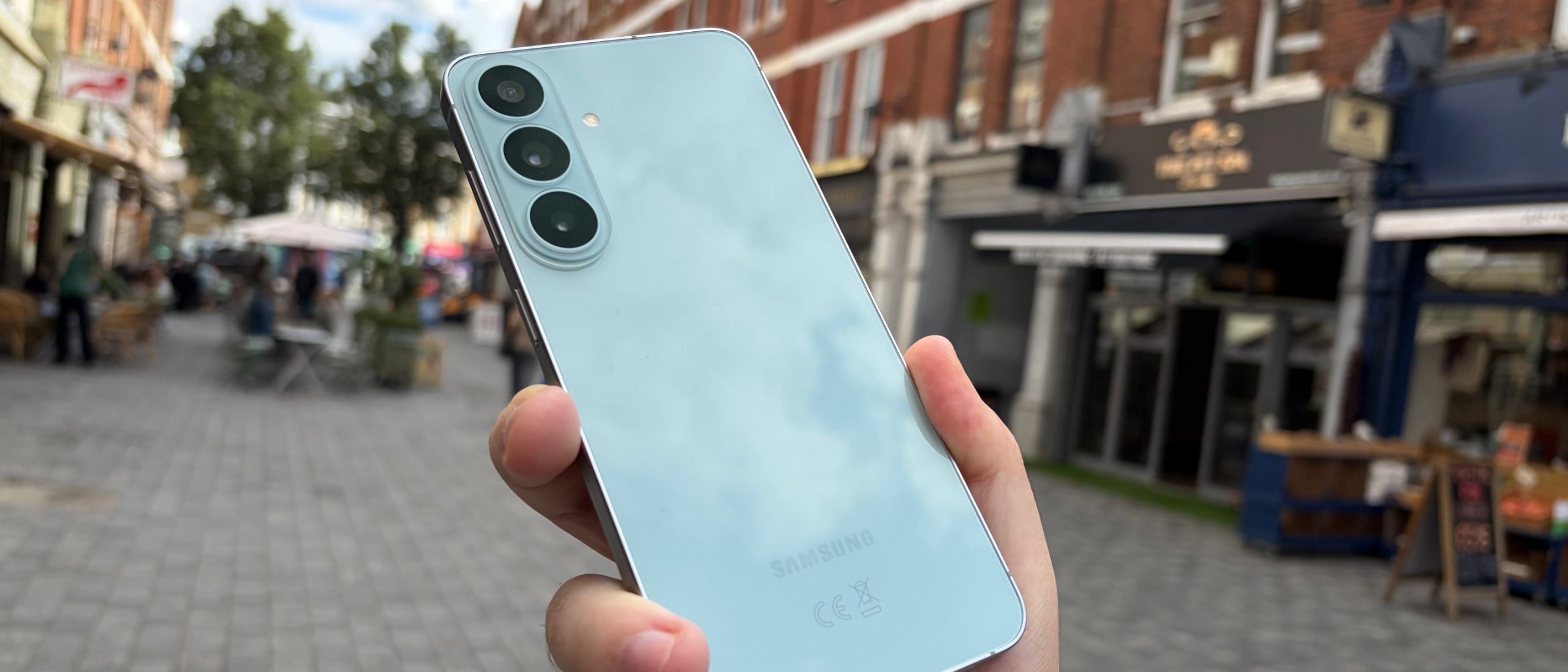
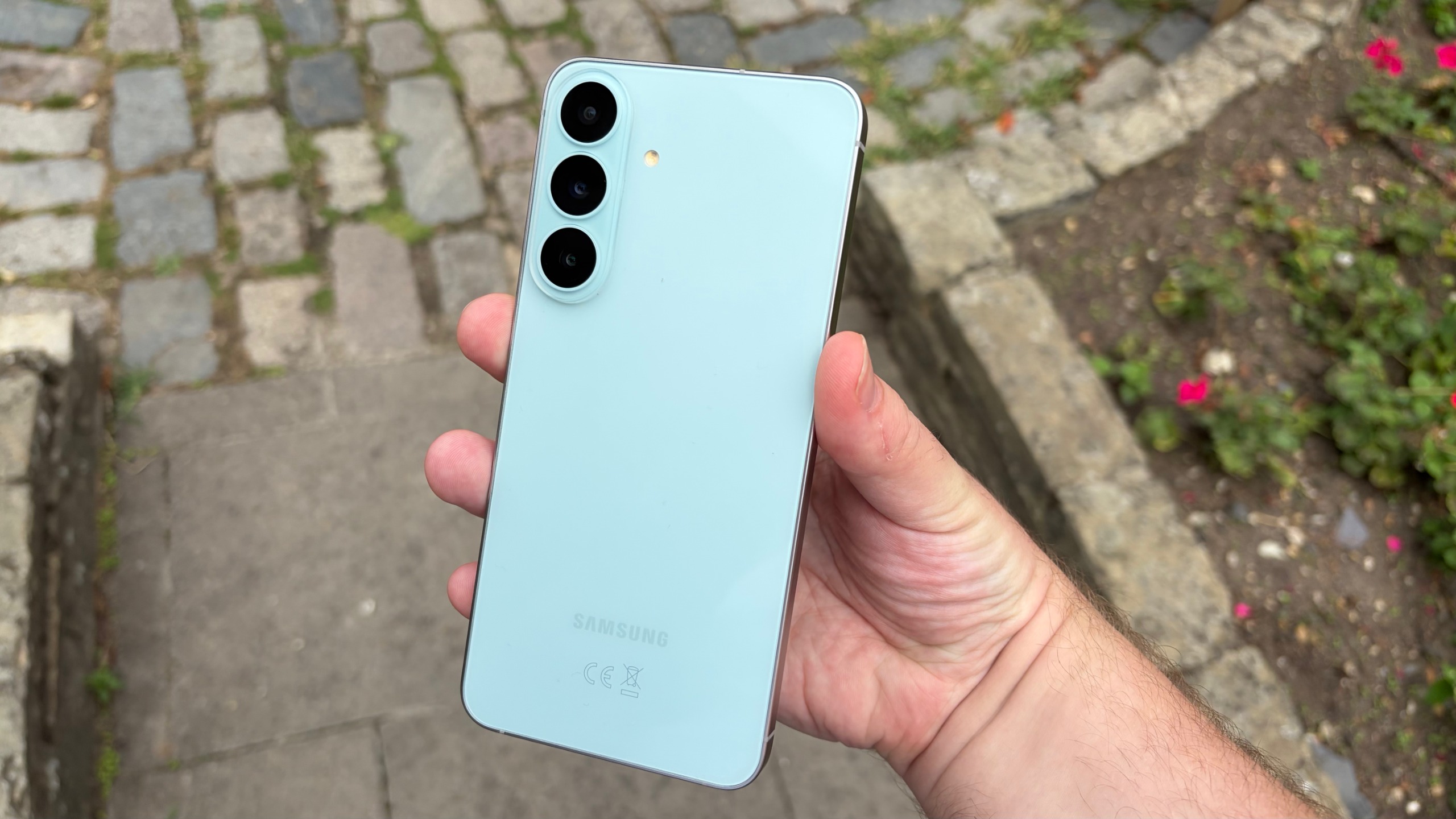
Physically, the Galaxy S26 FE maintains the design language established by the S25 FE, featuring flat side rails, rounded corners, and three distinct camera lenses embedded flush into the rear panel. Measuring 161.6 x 76.9 x 7.4mm and weighing 193 grams, the device is visually distinguished from the standard S26 by its glossy rear finish—contrasting with the matte textures of the primary flagships—and a noticeably thicker bottom chin bezel surrounding the display.
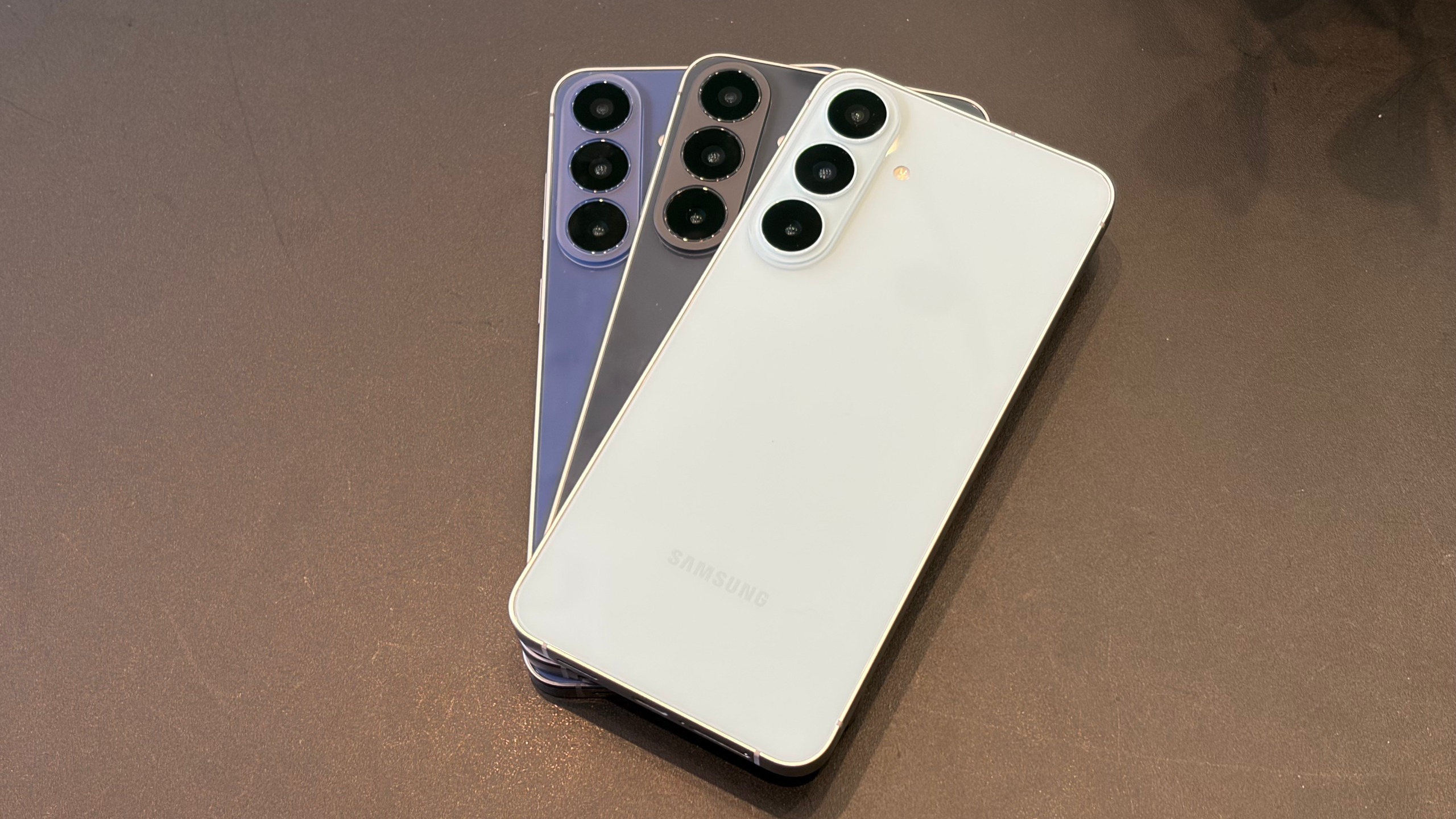
Samsung offers the device in three distinct colorways: Graphite, Blueberry, and Pistachio. Durability is managed via an IP68 dust and water-resistance rating, complemented by Corning Gorilla Glass Victus Plus on both the front and back panels. While robust, this protective glass is one generation behind the materials utilized in the mainline S26 and S26 Plus models.
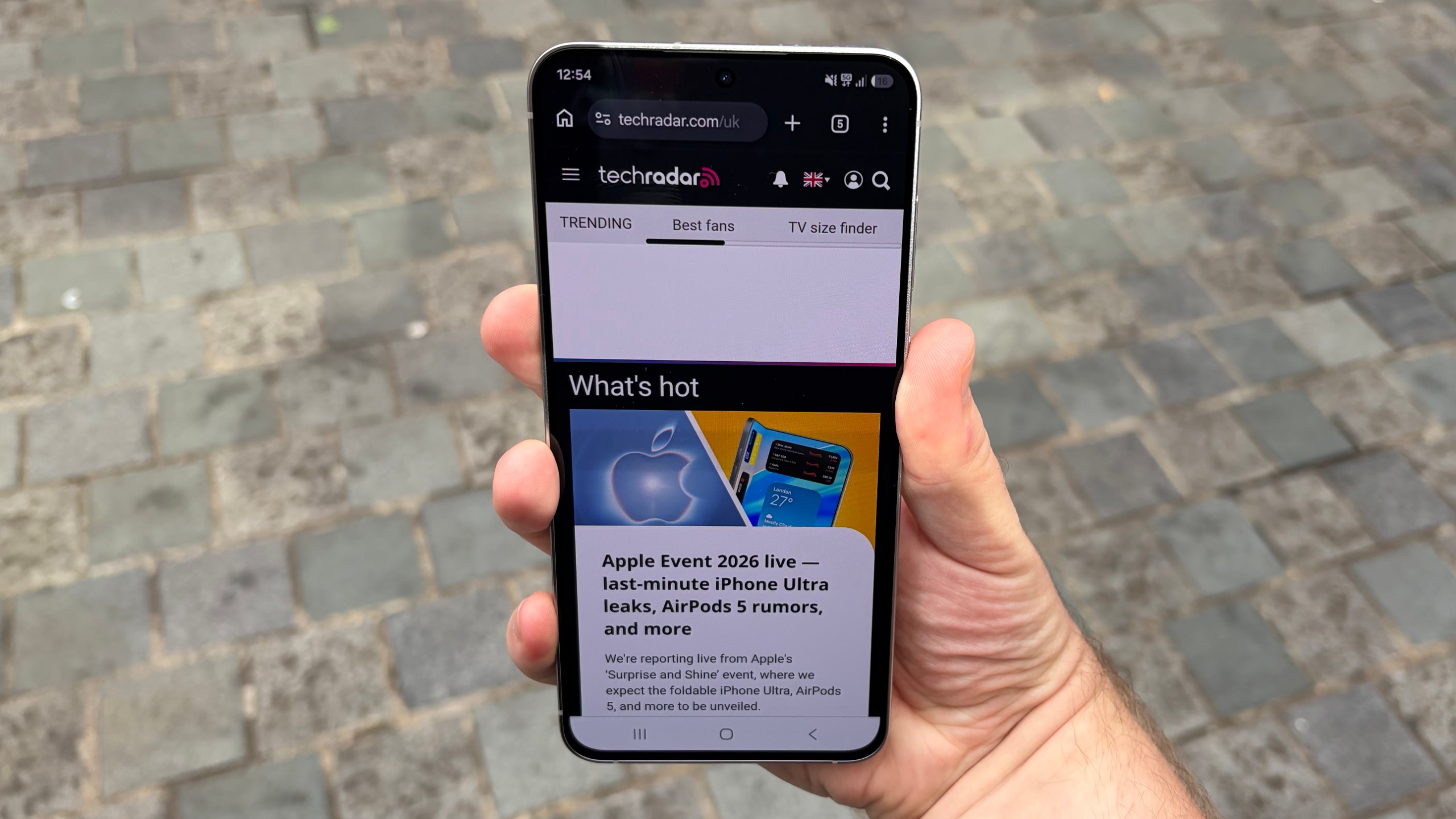
The display comprises a 6.7-inch Dynamic AMOLED 2X panel, matching the screen real estate of the Galaxy S26 Plus. It supports a 120Hz refresh rate, a peak brightness of 1,900 nits, and a 1080 x 2340 (FHD+) resolution. While vibrant and legible under bright ambient lighting, the display lacks the QHD resolution and higher peak luminance (2,600 nits) found on its more expensive siblings.
Performance Profiles and Processing Hardware
Under the hood, the Galaxy S26 FE diverges from the Snapdragon 8 Elite Gen 5 processors powering the rest of the S26 family, opting instead for Samsung’s proprietary Exynos 2500 chipset. Paired with 8GB of RAM—four gigabytes less than the 12GB standard found across the primary S26 lineup—the device delivers mixed performance metrics.
In benchmark evaluations, the Exynos 2500 exhibits competitive multi-core CPU results and exceptional graphical prowess, particularly in ray-tracing evaluations like the 3DMark Solar Bay test, where it scored 10,526. Standard gaming and multimedia consumption execute smoothly. However, the constrained 8GB RAM pool introduces bottlenecks during heavy multitasking or intensive productivity workflows, limiting the device primarily to standard web browsing, communication, and moderate gaming applications.
Software Support and Ecosystem Integration
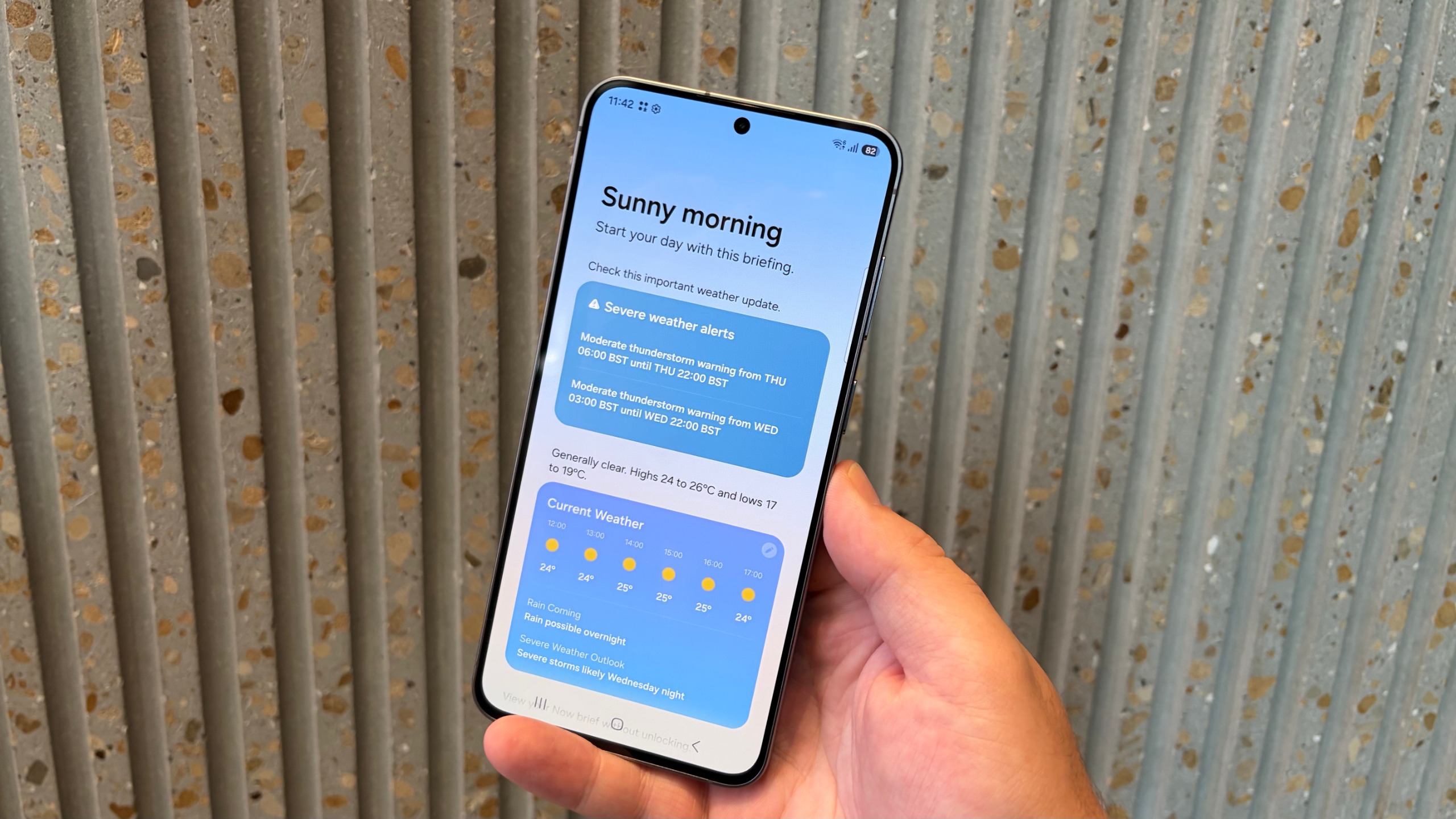
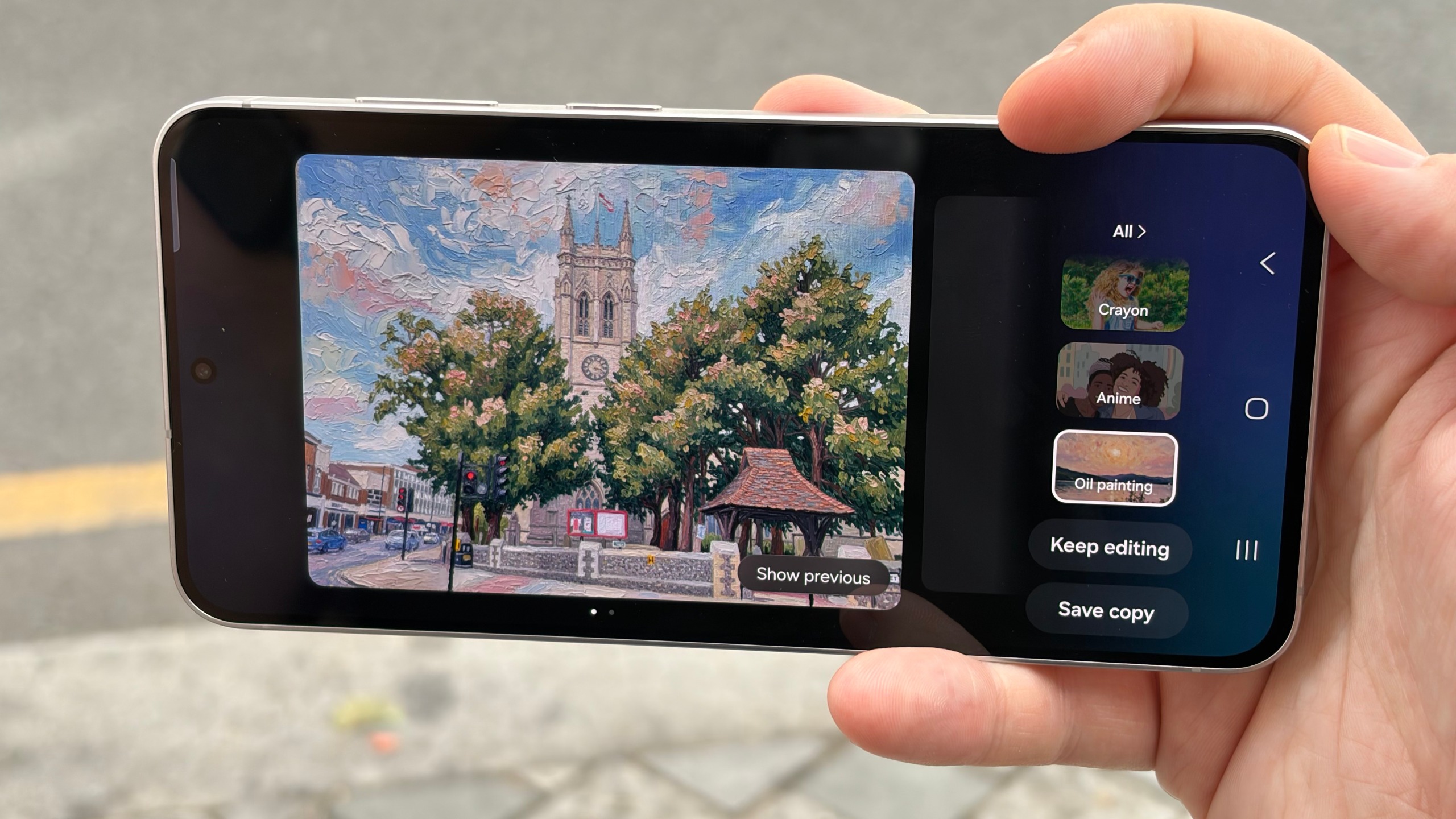
One of the device’s strongest operational advantages lies in its software architecture. The Galaxy S26 FE ships out of the box with One UI 9, built on top of Android 17. This gives the FE immediate access to features such as the FanCam video-tracking system, Photo Assist, Audio Eraser, and expanded productivity tools like Now Brief and Now Nudge. Interestingly, this places the FE slightly ahead of mainline S26 models, which initially access One UI 9 solely through beta channels.
Furthermore, Samsung has committed to its industry-leading policy of providing seven generations of Android OS upgrades and seven years of security patches. This long-term support matches the flagship S26 series and exceeds the update lifecycle of Samsung’s mid-tier Galaxy A57, bolstering the device’s long-term utility.
Camera System Evaluation
The camera configuration remains largely unchanged from previous generations, anchored by a 50MP wide primary sensor (f/1.8), a 12MP ultra-wide lens (f/2.2), an 8MP 3x telephoto lens (f/2.4), and a 12MP front-facing selfie camera.
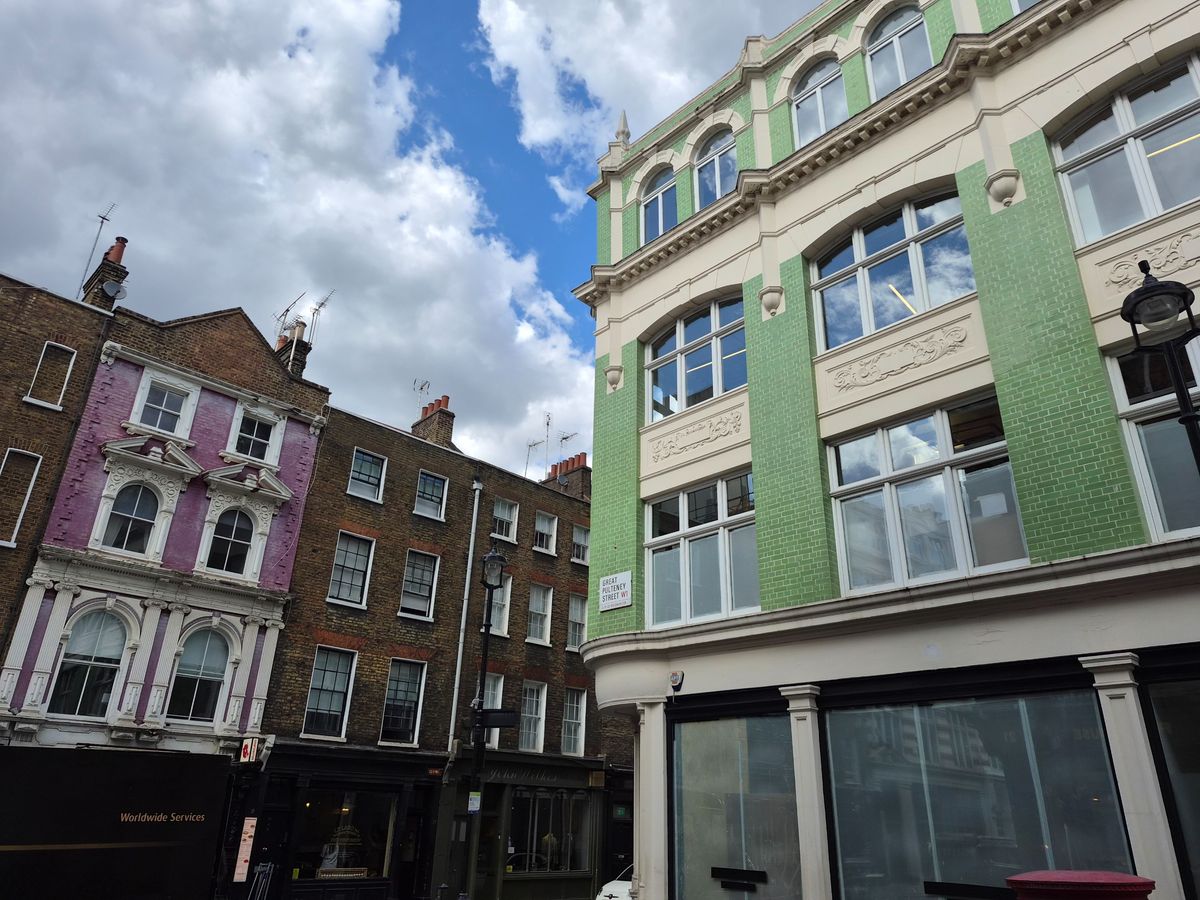
Real-world testing reveals a performance divide among the lenses. The primary 50MP sensor delivers reliable color accuracy, dynamic range, and detail retention, supported by strong portrait processing and subject separation algorithms. The 50MP sensor also enables high-quality in-sensor 2x zoom shots that retain structural detail.
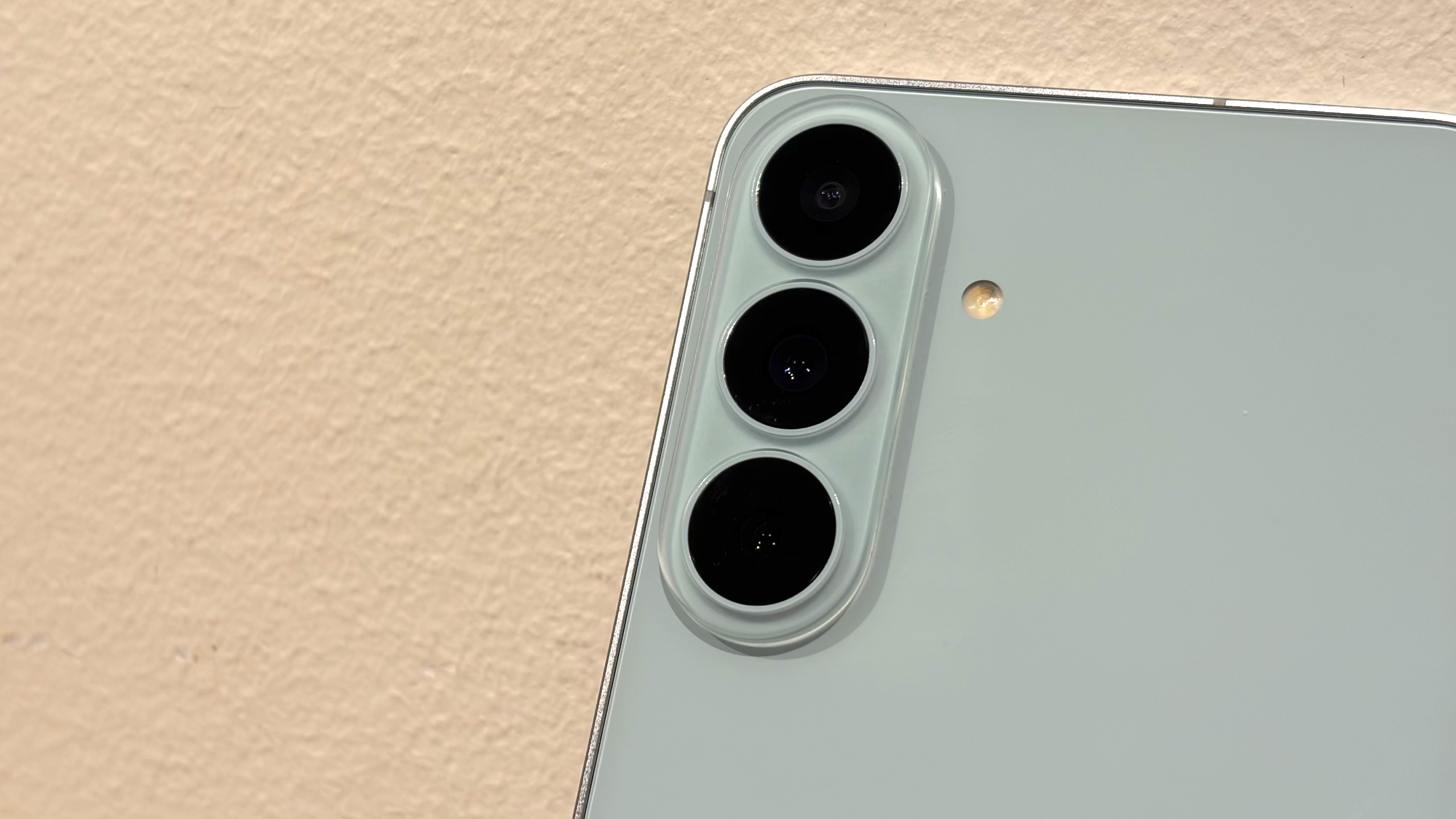
Conversely, the secondary lenses present noticeable trade-offs. The ultra-wide camera frequently yields drab, desaturated imagery under overcast conditions, while the 8MP telephoto lens produces darker, flatter images when relying on optical reach compared to the higher-resolution zoom modules found on competing devices.
Battery Life and Charging Speeds
Equipped with a 4,900mAh battery—matching the capacity of the Galaxy S26 Plus—the S26 FE delivers dependable longevity. Official manufacturer metrics estimate up to 29 hours of continuous video playback. In practical daily testing, moderate workloads involving communication, media streaming, and casual browsing consumed approximately 40% of the battery over a standard day, suggesting the device can comfortably clear a full day of heavy use or stretch into a second day of light operation.
Charging capabilities include 45W wired charging and 15W wireless charging. Using a compatible 45W adapter, the device achieves a 43% charge in 15 minutes and reaches full capacity in approximately 58 minutes. Notably, the device lacks Qi2 wireless charging compatibility, placing it slightly behind emerging wireless standards.
Strategic Implications and Industry Outlook
The Samsung Galaxy S26 FE successfully delivers a large display, robust battery endurance, and long-term software backing at a sub-flagship price point. However, its incremental price increase, paired with compromises in camera versatility and RAM capacity, complicates its market position. For consumers strictly seeking the lowest entry barrier into the modern Samsung ecosystem, the S26 FE remains a viable option. Yet, industry observers note that the minimal price gap between the FE and the fully featured standard Galaxy S26 may encourage many buyers to invest slightly more for superior hardware longevity and performance.