Fire Emblem: Fortune’s Weave Review: A Triumphant Tactical Masterpiece for the Nintendo Switch 2

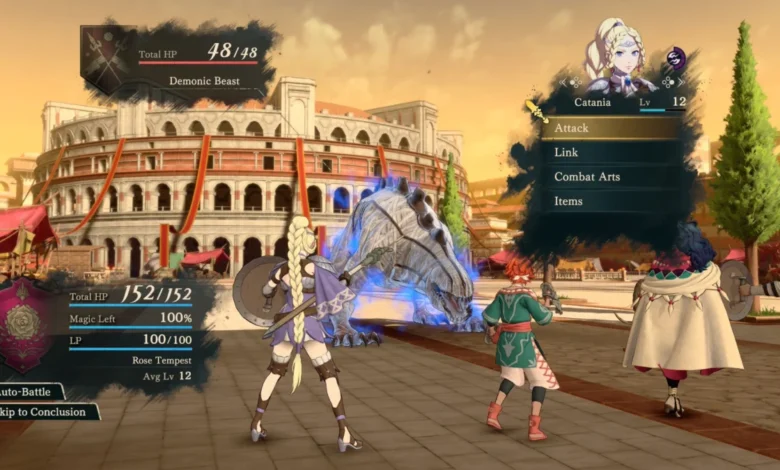
The landscape of tactical role-playing games has a new benchmark following the September 17, 2026 release of Fire Emblem: Fortune’s Weave. Developed exclusively for the Nintendo Switch 2, the title has rapidly established itself as a cornerstone of the console’s early software library. Merging deep, grid-based strategic combat with expansive multi-path narratives and immersive world exploration, the game has drawn critical acclaim for its staggering scale, which frequently demands upwards of 200 hours of engagement to fully experience.
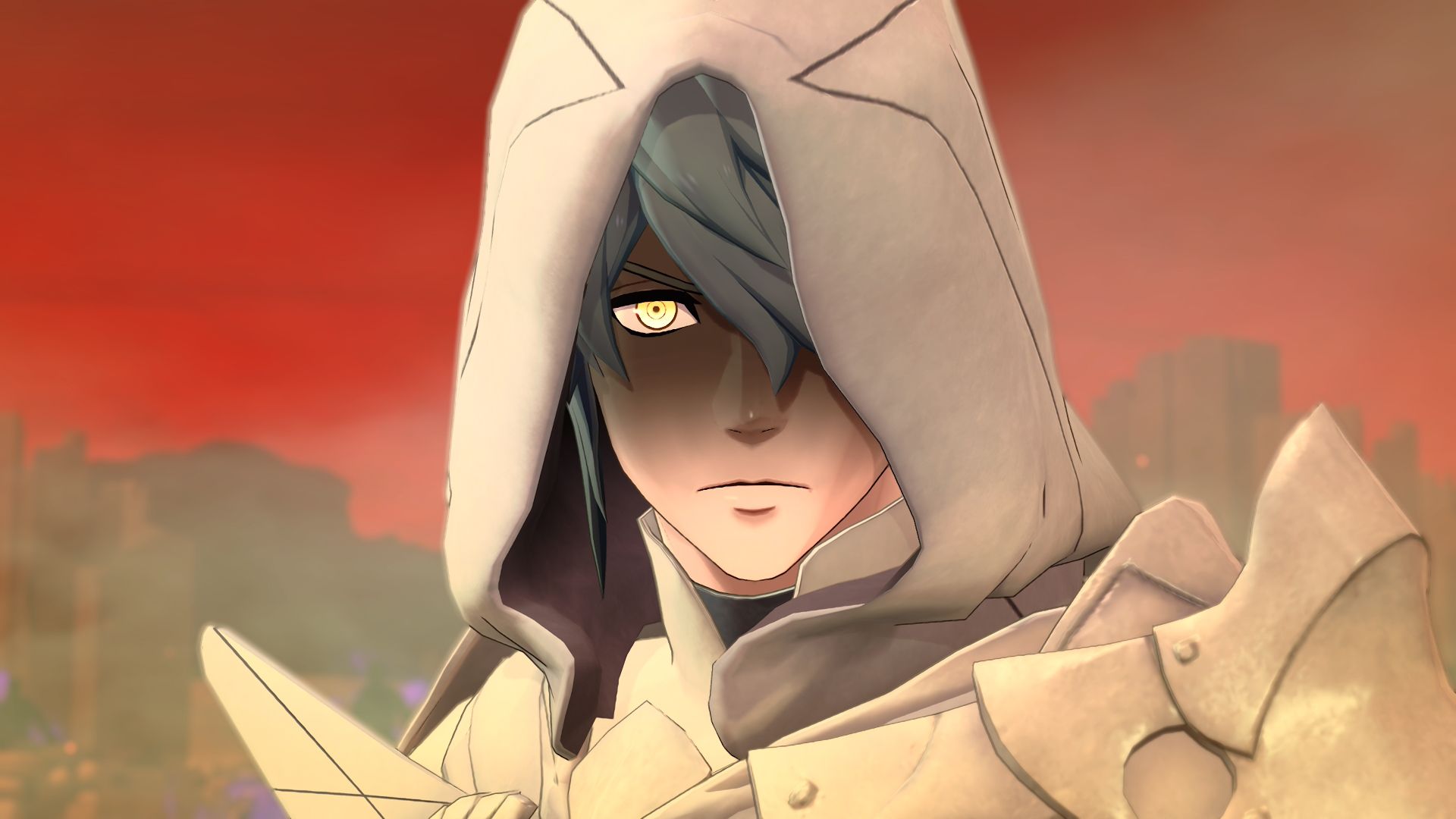
As the latest entry in Nintendo’s enduring and critically lauded franchise, Fortune’s Weave builds upon the structural foundations laid by predecessors like Fire Emblem: Three Houses while taking full advantage of the advanced hardware capabilities of the successor console. The result is a richly detailed, emotionally resonant odyssey set within the fictional realm of Dagda and its opulent capital city, Dagsion.
Narrative Structure and the Heroic Games
At the heart of Fire Emblem: Fortune’s Weave lies an intricate, branching narrative framework centered around four protagonists known as the Flame Lords: Leda, Dietrich, Theodora, and Cai. The overarching plot initiates during a grand colosseum tournament known as the Heroic Games. Sponsored by the Divine Sovereign Solel—the absolute ruler of Dagda—the tournament promises the ultimate prize: a single, unfettered wish granted to the ultimate champion.
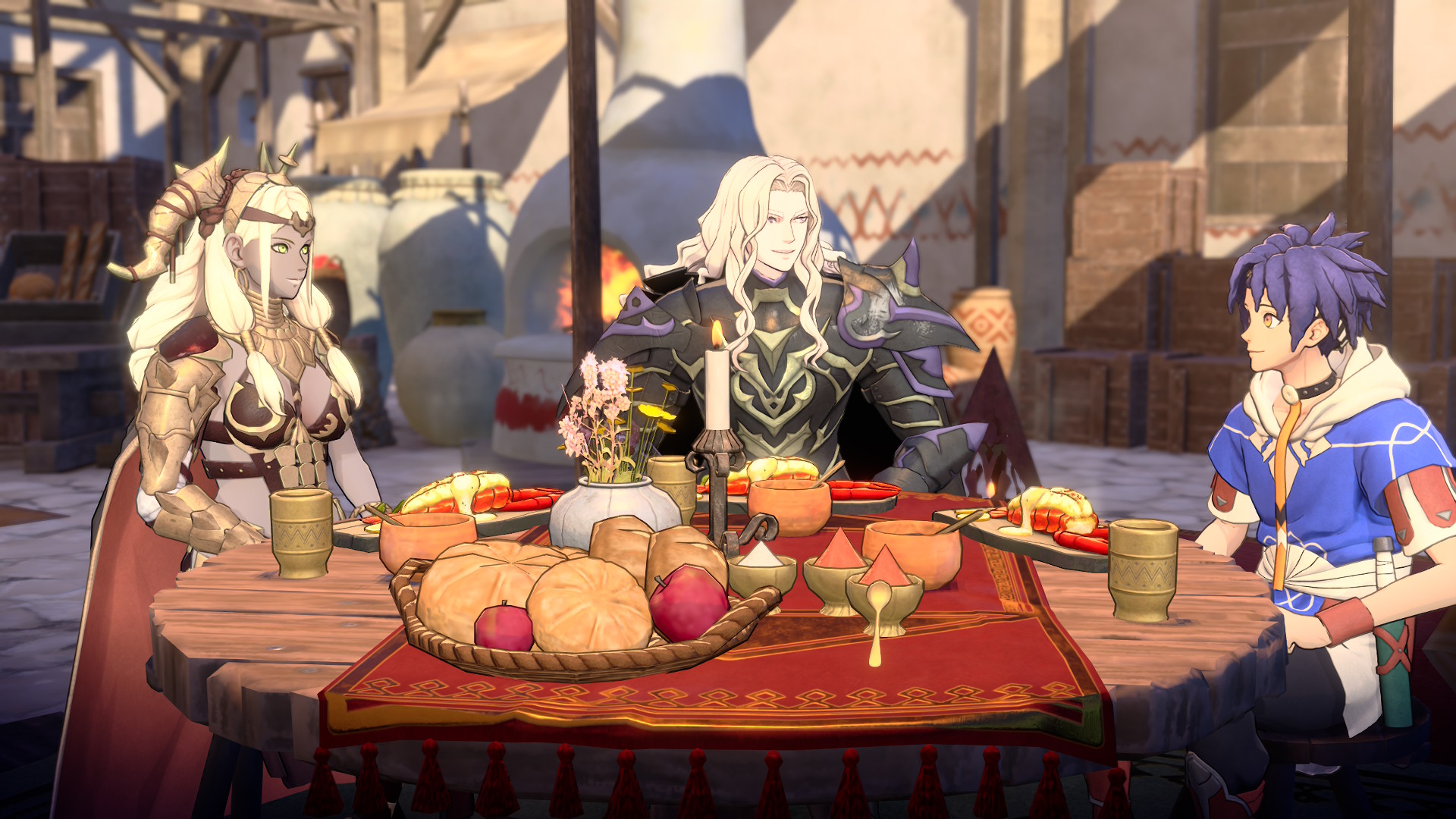
Following a streamlined prologue that functions as an accessible entry point for newcomers, players gain the freedom to select any of the four Flame Lords’ campaigns from a centralized hub. This structure allows for unprecedented narrative flexibility, enabling users to transition between individual arcs without the redundancy of replaying introductory sequences.
The first major act of the game focuses heavily on the distinct motivations of each Flame Lord. Leda pursues a path driven by vengeance, accompanied by the bard Sirocco and the warrior Buccar; Dietrich engages in brutal campaigns alongside the eccentric missionary Fabio and the fiery ally Esmeralda; and similarly unique dynamics define the journeys of Theodora and Cai. These individual narratives gradually converge in the second act, known as the War Arc, before culminating in a sweeping third act. In this final phase, players unite all four factions alongside the true protagonist to confront the demonic deity Balor.
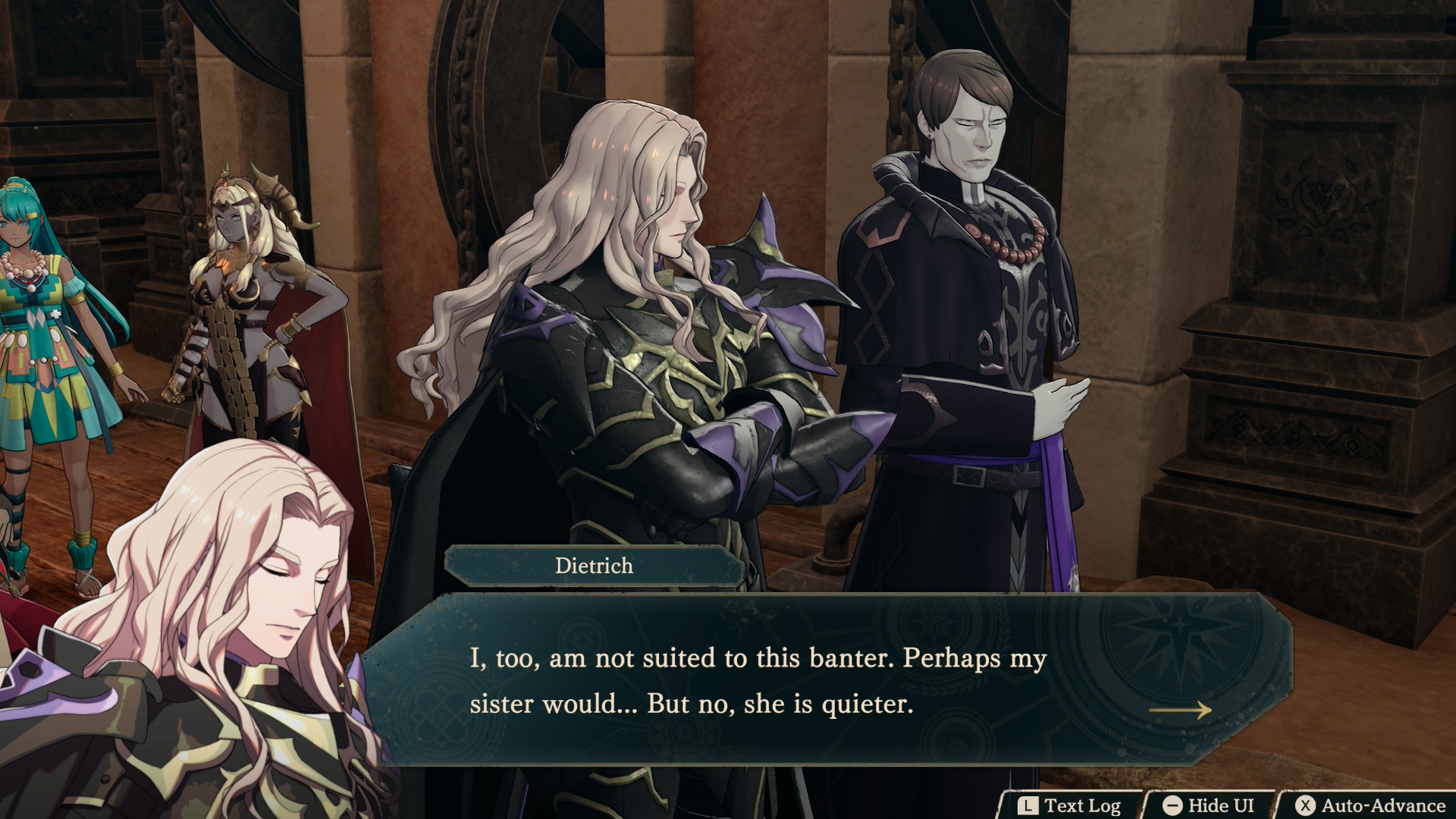
Critics have noted that this multi-tiered storytelling approach rewards prolonged engagement. Revelations uncovered in one character’s campaign frequently recontextualize events in another, adding substantial depth to secondary characters and creating an interconnected web of political intrigue, personal sacrifice, and character development.
Tactical Depth and Innovative Combat Mechanics
While the narrative provides emotional gravity, the core gameplay loop remains anchored in the series’ signature tactical turn-based combat. Battles unfold across classic grid-based terrain, incorporating returning mechanics such as weapon durability limits, Combat Arts, and specialized unit gambits.
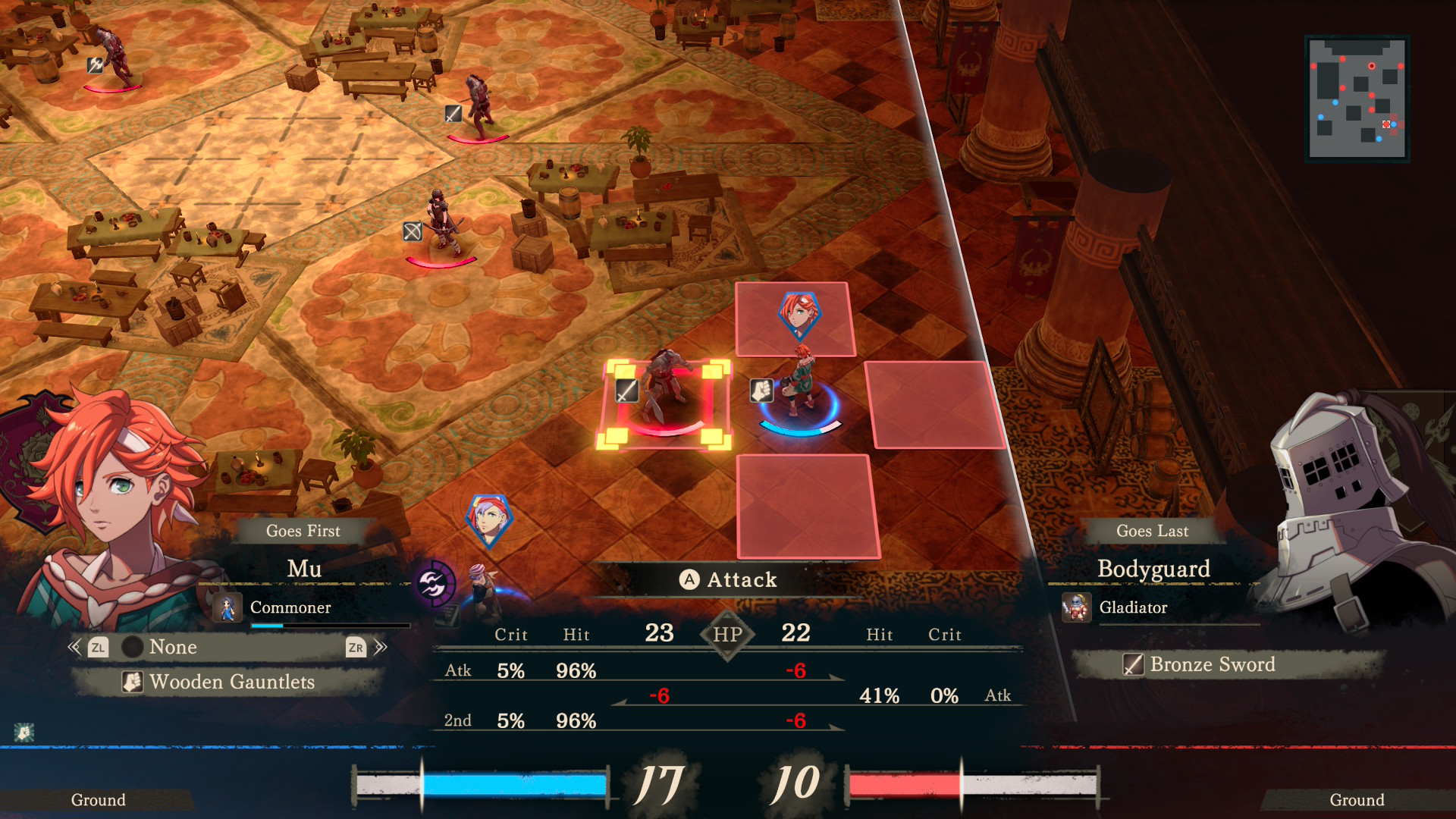
However, developer Intelligent Systems introduced several notable innovations to refresh the strategic formula. Most prominent among these is the introduction of "Blaze Arts." Tied to specific units, these abilities allow players to sacrifice a portion of their characters’ Hit Points (HP) to amplify damage output, enhance mobility, or bestow tactical buffs upon nearby allies. Because this mechanic fills an internal "blaze gauge" that eventually forces units to operate at a permanently reduced health threshold for the remainder of a map, it avoids the pitfalls of overpowered game-breaking mechanics, requiring careful risk-benefit analysis from the player.
In addition to traditional grid-based skirmishes, Fortune’s Weave diversifies the gameplay experience through 3D dungeon-crawling environments. These areas feature "Clash Battles," which blend light action segments with fast-paced JRPG combat, offering an alternative method for players to acquire experience points and class proficiencies outside of the standard tactical maps. Objectives on the primary battlefields also extend beyond simple route-the-enemy win conditions, frequently tasking commanders with rescuing civilians, subduing colossal entities, or intercepting fleeing thieves.
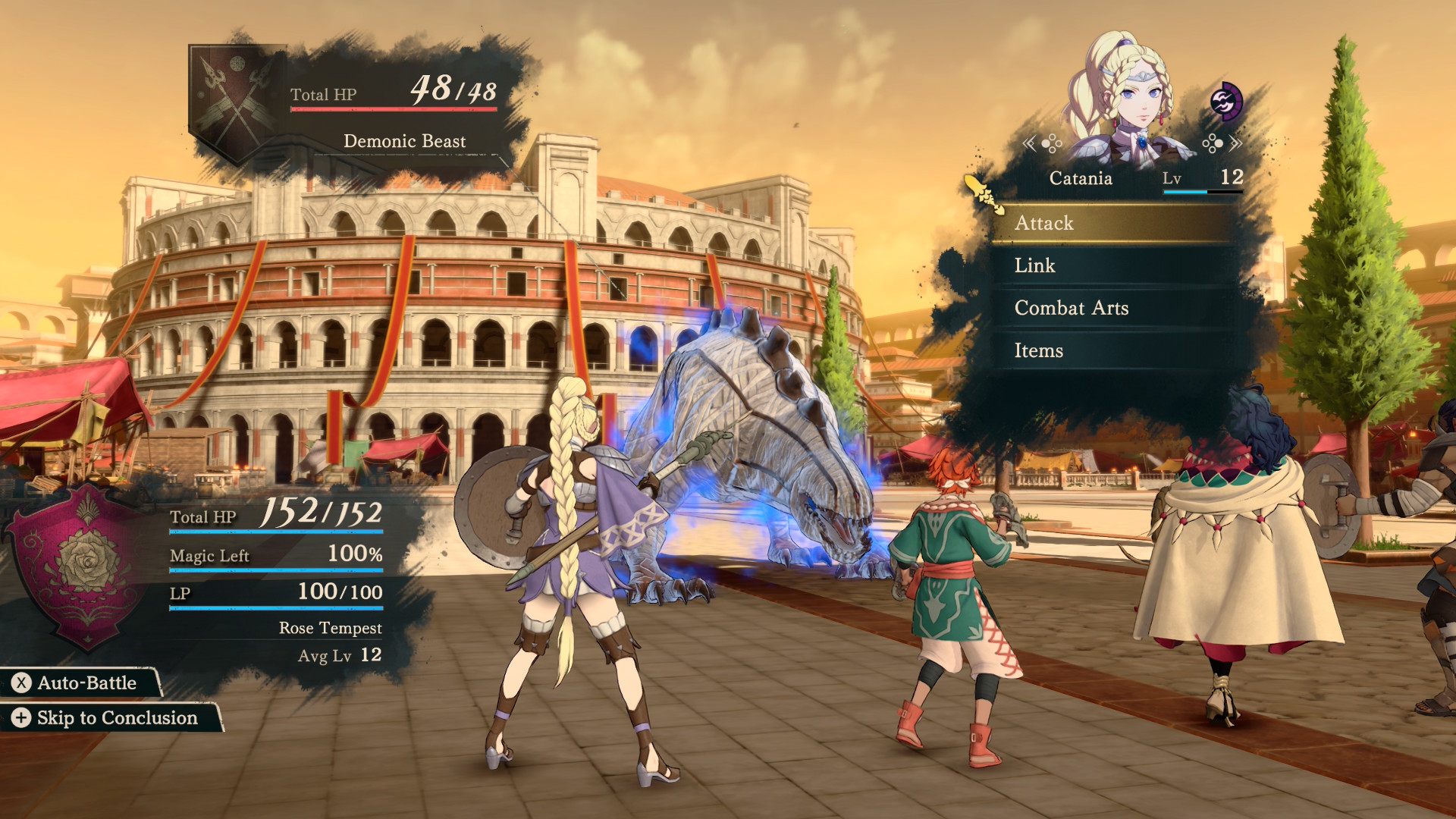
For players seeking varied levels of challenge, the game accommodates multiple difficulty configurations. The traditional "Classic" mode, which enforces permanent death for fallen units, contrasts with the more forgiving "Casual" mode. Additionally, a "Blessings" system allows players to rewind turns or temporarily augment unit statistics, catering to both hardcore strategists and newcomers alike.
Hub Exploration, Progression, and Technical Performance
Outside of active combat encounters, players spend considerable time managing their forces within the capital city of Dagsion and the broader expanse of Dagda. Dagsion serves as a comprehensive administrative hub, featuring training grounds for weapon aptitude, shopping districts, examination boards for class changes, and an inn for viewing character support conversations.
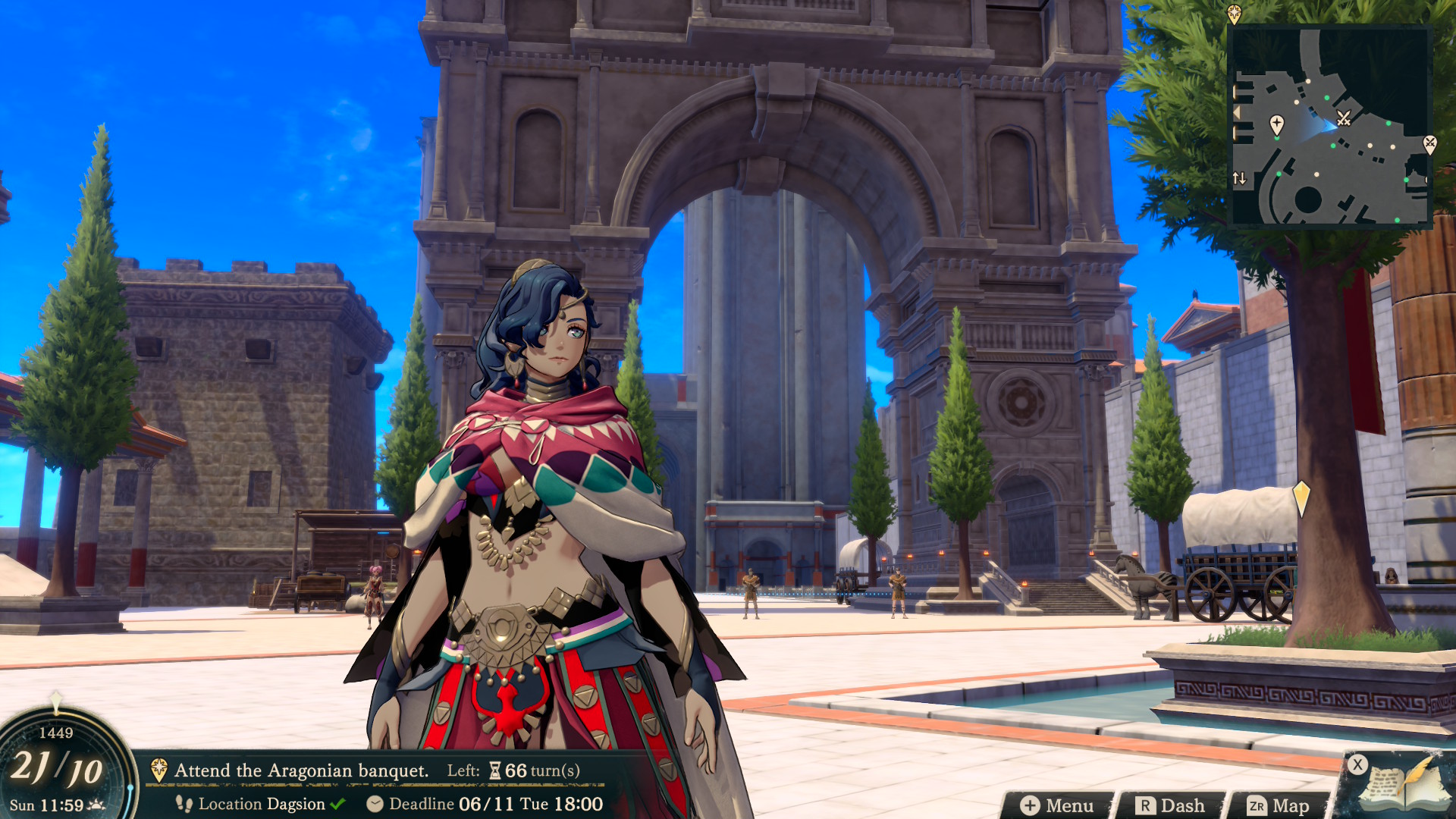
While the support system—crucial for unlocking recruitment opportunities and strengthening units—has been praised for deepening character relationships, some critics have observed that grinding for high support levels can occasionally become repetitive. To balance these administrative tasks, developers interspersed auxiliary activities such as theater visits, spa treatments, and subquests, alongside more eccentric diversions like feeding a raven incarnation of the protagonist to build future support metrics.
On a technical level, the transition to the Nintendo Switch 2 hardware has yielded noticeable improvements over previous entries. Character models exhibit crisp detail, with vibrant color palettes and striking visual design distinguishing the various factions. While background textures occasionally appear basic and the title does not target a locked 60 frames per second, performance remains stable across both docked and handheld play modes. The audio presentation has received similarly high praise, pairing a dynamic, genre-spanning soundtrack—ranging from orchestral battle themes to ambient synth-led temple tracks—with stellar voice performances that reinforce the distinct personalities of the cast.
Critical Reception and Market Position
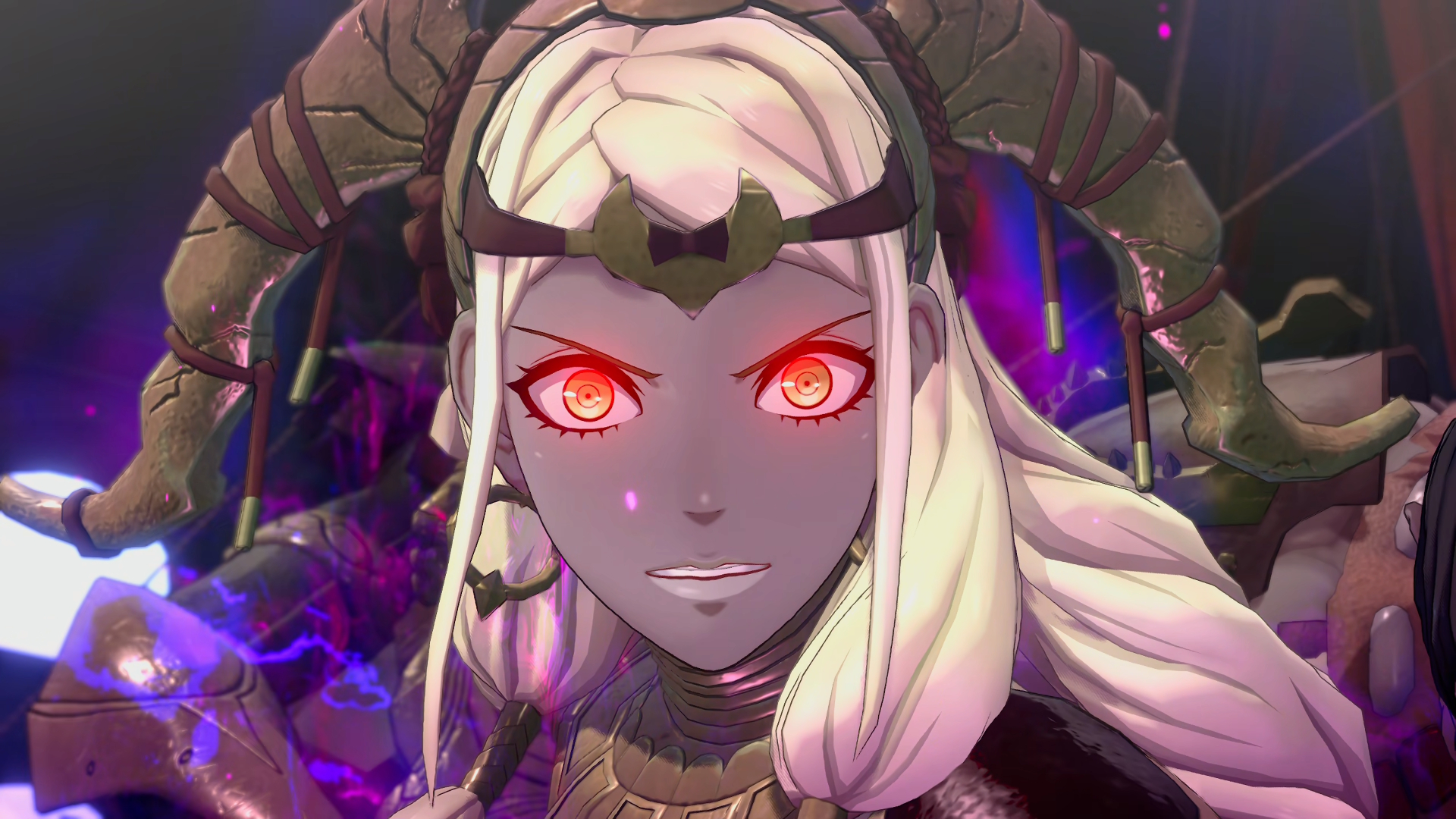
Since its launch, Fire Emblem: Fortune’s Weave has been widely embraced as a defining release for the Nintendo Switch 2. Industry analysts have highlighted the title as a prime example of how established Nintendo franchises can successfully scale up to leverage new hardware capabilities without losing their foundational identity.
With a runtime that easily exceeds 100 to 200 hours for completionists, the game addresses consumer demand for high-value, single-player epics. Its blend of meticulous tactical combat, branching storytelling, and rich character interactions has secured its place not only as a standout title within the Fire Emblem chronology, but as an essential purchase for early adopters of Nintendo’s latest hardware platform.
Related posts: