The Mechanics of the Double Daily Cash Promotion
The core appeal of the Apple Card has traditionally centered on its "no points, no gimmicks" philosophy. Unlike many traditional credit card programs that rely on complex point redemption systems, tiered travel rewards, or expiration dates, Apple’s Daily Cash is deposited directly into a user’s Apple Cash account shortly after a transaction is processed. This immediate liquidity has been a primary driver of the card’s adoption since its inception.
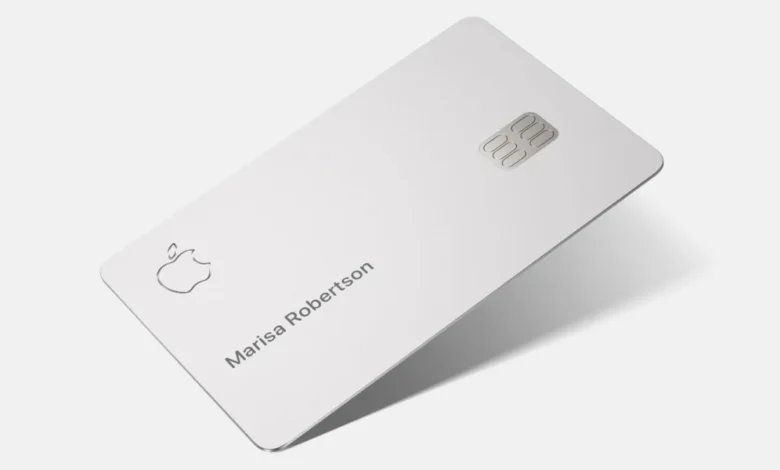
Under the terms of this latest promotion, the standard reward percentages are temporarily elevated. Typically, Apple Card users earn 3% on purchases made at Apple and select partner merchants, 2% on all purchases made using Apple Pay, and 1% on purchases made with the physical titanium card or the virtual card number. With this promotion, those rates are doubled to 6%, 4%, and 2%, respectively.
It is important to note that this is not an uncapped offer. Apple has instituted a hard cap of $1,000 on the additional "Bonus Daily Cash" that can be earned through this specific campaign. Once a user has accumulated $1,000 in bonus rewards—separate from their base rewards—the earn rates will automatically revert to the standard structure, regardless of whether the initial twelve-month period has concluded. This ensures that while the offer is highly attractive for the average consumer, it remains fiscally sustainable for Apple and its banking partner, Goldman Sachs.

Chronology and Strategic Timing
This promotion arrives at a pivotal point in the holiday shopping season. By setting a deadline of December 10, Apple is positioning the Apple Card as a primary payment method for the end-of-year retail surge. Historical data indicates that the period between Black Friday and the second week of December represents one of the highest volumes of consumer spending in the United States.
The launch of this incentive follows a series of incremental updates to the Apple Card and its companion Savings account. Over the past two years, Apple has focused on increasing the utility of its financial products, integrating them more deeply into the Wallet app on iOS. By offering this promotion during the fourth quarter, the company is likely aiming to capture market share from traditional financial institutions that often run end-of-year "switch and save" campaigns.
Contextualizing the Apple Card Ecosystem
Since its launch in 2019, the Apple Card has been designed to prioritize security and user privacy, moving away from traditional physical credit card features like printed numbers or CVV codes. The integration with Apple Pay has been the cornerstone of its success, encouraging users to adopt contactless payments—a trend that saw accelerated growth following the global health events of the early 2020s.
When evaluating the value proposition of this promotion, it is helpful to compare it against the broader credit card market. Many premium credit cards offer "sign-up bonuses" that require the user to spend a specific, often high, amount within the first three months. The Apple Card’s approach is more granular, rewarding the user daily and extending the benefit over an entire year. This shift toward "habitual rewards" rather than "one-time bonuses" reflects a broader trend in fintech where companies prioritize long-term user retention over short-term acquisition bursts.

Data Analysis and Potential Implications
For a consumer to reach the $1,000 cap on the bonus portion of this offer, they would need to spend a significant amount of money. If a user primarily utilizes Apple Pay, where the reward rate is increased from 2% to 4%, they would earn the additional 2% bonus on their spending. To reach the $1,000 cap, a user would need to make $50,000 in eligible Apple Pay transactions over the course of the year. For the 6% tier (Apple and partner merchants), the math changes significantly, but the underlying principle remains: the promotion is designed to encourage consistent, daily usage rather than just a single large purchase.
This strategy serves several purposes for the company:
- Wallet Integration: It keeps the Apple Wallet at the forefront of the user’s mobile experience, reinforcing the "Apple Pay first" habit.
- Data Acquisition: Increased usage provides more transaction data, which, while subject to strict privacy controls, helps Apple understand consumer spending patterns.
- Competitive Pressure: By offering 4% and 6% rates, Apple is effectively undercutting the standard 1.5% to 2% cash-back rates offered by most major competitors, forcing them to reconsider their own rewards structures.
Official Stance and Program Limitations
Apple has been careful to manage expectations regarding the promotion. The disclaimer that "merchant offers may change at any time" is standard for the financial industry, allowing the company to adjust partner lists or specific merchant categories without voiding the entire promotion. Furthermore, the promotion is only available via a specific link, suggesting that Apple is tracking the efficacy of this specific marketing channel to determine if it should be expanded or replicated in the future.
Industry analysts suggest that this promotion is part of a broader "lock-in" strategy. By providing a high-value incentive for the first year, Apple encourages users to move their primary spending to the Apple Card. Once the year is over and the rewards rate drops to the standard level, many users are likely to remain, as the convenience of the digital-first interface and the seamless integration with the iPhone often outweighs the potential benefits of switching to a different card with a slightly higher base reward rate.

Broader Economic Impact
The financial services sector has been rapidly digitizing, and Apple’s entry into the space has been a catalyst for this transformation. By simplifying the reward process and removing the friction associated with point redemption, Apple has forced traditional banks to invest more heavily in their own mobile applications. The current "Double Daily Cash" campaign is a testament to the fact that even a mature financial product must periodically refresh its value proposition to remain competitive.
For consumers, the advice remains the same as it would for any credit product: the promotional offer should not be the sole reason to apply for a card. Prospective applicants should evaluate their own creditworthiness, spending habits, and the annual percentage rate (APR) associated with the card. However, for those who already use Apple products and were planning to apply, the current promotion offers a quantifiable financial advantage that is rarely seen in such a straightforward, transparent format.
Conclusion and Future Outlook
As the deadline of December 10 approaches, it is expected that Apple will continue to promote this offer through its digital channels, including the App Store, the Wallet app, and its email marketing lists. Whether this promotion will be extended into the new year remains to be seen, but current trends suggest that Apple is satisfied with the growth of its financial services segment.
The move is a calculated effort to solidify the Apple Card’s position in the consumer wallet. By making the reward structure both highly visible and remarkably easy to understand, Apple continues to differentiate itself from traditional lenders. For the next twelve months, those who participate in this program will be observing the "no gimmicks" policy in full effect, receiving twice the value on their daily spending—a move that significantly alters the math of personal finance for the modern, tech-integrated consumer. The success of this initiative will likely serve as a benchmark for how the company approaches its financial product marketing throughout 2027 and beyond.