Apple HomeView smart home hub launch further evidence of significant development delays as devices ship with legacy firmware

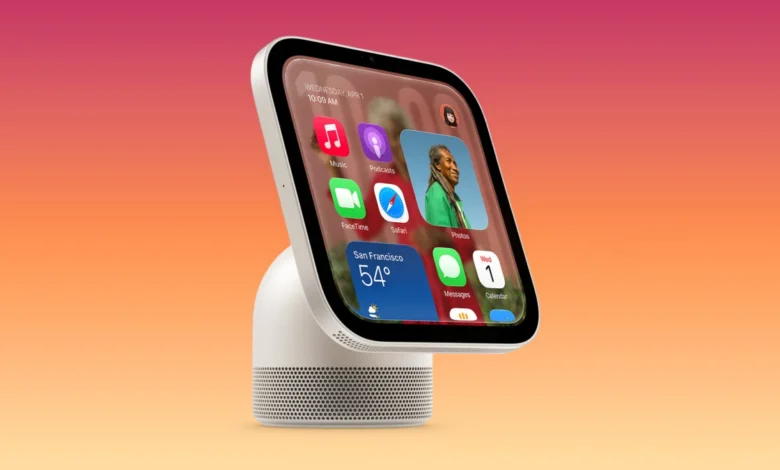
The upcoming launch of Apple’s HomeView smart home hub, scheduled for retail availability on Friday, November 13, 2026, has been underscored by technical indicators suggesting a protracted and complex development cycle. Recent data retrieved from AppleDB reveals that units currently prepared for initial shipment will arrive with HomeView software version 26.5 pre-installed. This firmware version, which originated approximately six months ago, necessitates that users perform an immediate "day-one" update to version 27.2 during the initial device configuration process. This discrepancy between the software present on the hardware and the latest available operating system serves as a definitive marker of the manufacturing lead times required for a product that has faced well-documented delays.
A History of Development Challenges
The path to the HomeView’s release has been marked by significant internal hurdles and industry speculation. Originally anticipated to bridge the gap between Apple’s existing smart home offerings and a more centralized, display-integrated hub, the product was subject to multiple internal deadline shifts. The transition from early internal prototypes to a finalized consumer device appears to have been hampered by both hardware integration difficulties and the refinement of the device’s core operating system.
When Apple first began exploring the smart home market, the strategy was widely expected to center on "homeOS," a dedicated platform for household management. However, as revealed in recent trademark filings and subsequent product announcements, Apple opted to pivot away from a standalone OS branding, opting instead for the more utilitarian "HomeView software" nomenclature. This strategic pivot, while aligning with the naming conventions used for the HomePod series, likely contributed to the development friction that caused the product’s launch window to slide from its initial target into the final quarter of 2026.
The Significance of Firmware Versioning
In the consumer electronics industry, the version of software installed at the factory provides a "snapshot" of the development cycle. When a product ships with software that is six months out of date, it implies that the physical assembly, packaging, and logistical distribution of the units began long before the software was finalized.
For early adopters, this creates a mandatory, high-stakes initialization process. Version 27.2, which users will be prompted to download, likely contains essential security patches, performance optimizations for the 7-inch Liquid Retina display, and critical updates to the Siri AI integration that were not available when the units were boxed at the manufacturing facility. This creates a reliance on robust server infrastructure on launch day, as thousands of new users attempt to pull the updated software simultaneously. The necessity of this update reinforces the reality that the HomeView hardware design was locked in well before the software development team had achieved feature parity with Apple’s current internal standards.
Product Overview: The HomeView Ecosystem
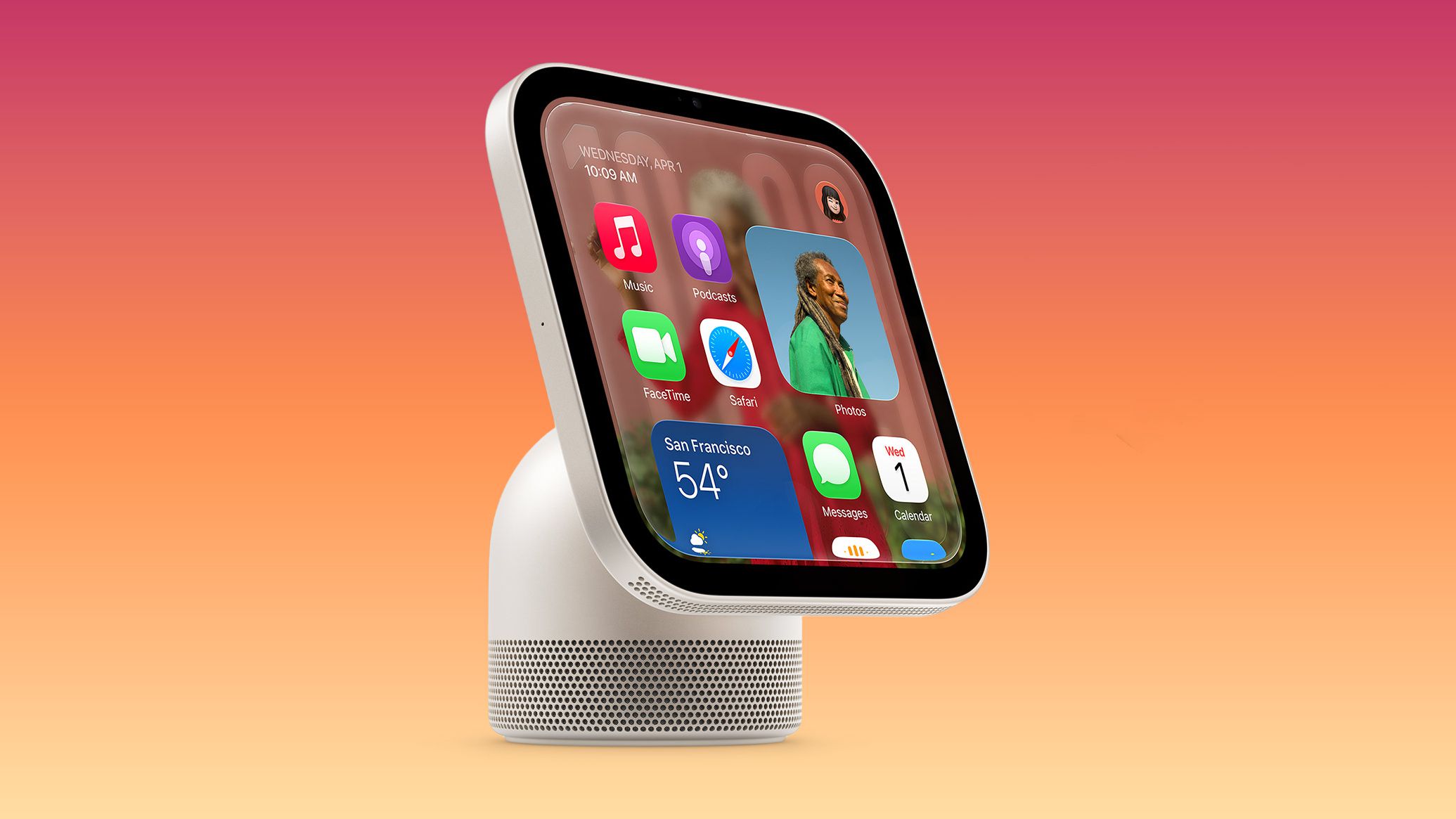
The HomeView, officially unveiled on October 13, 2026, represents a significant hardware shift for Apple. The device features a 7-inch Liquid Retina touchscreen and is powered by a sophisticated iteration of Siri, bolstered by advanced artificial intelligence capabilities. Unlike previous iterations of Apple’s smart home hardware, the HomeView is designed with a "shared-first" philosophy.
Greg Joswiak, Apple’s senior vice president of Worldwide Marketing, highlighted the device’s personalized nature during the unveiling. By leveraging on-device face recognition technology, the HomeView can transition from a communal interface—displaying shared family calendars, thermostat controls, and ambient home status—to an individual user experience that reflects the specific preferences and information of the person currently facing the screen. This integration of biometric authentication into a fixed-position home hub is a core differentiator for the device, intended to compete directly with existing market leaders that lack similar user-profile sophistication.
Market Context and Strategic Implications
The launch of HomeView comes at a pivotal time for the smart home industry. Apple, which has historically maintained a more fragmented presence in the smart home sector through the Apple TV, HomePod, and the Home app, is now consolidating its footprint. The "Welcome home" event in New York, held in mid-October, served as the formal theater for this consolidation.
Analyst sentiment suggests that the HomeView is a strategic move to lock users further into the Apple ecosystem. By providing a dedicated, always-on interface, Apple is positioning the HomeView not just as a controller for HomeKit accessories, but as a gateway for communication, media consumption, and personal data management. However, the success of this strategy hinges on the software experience. If the initial setup process—plagued by the need for immediate, large-scale firmware updates—is cumbersome, it risks alienating the premium-market demographic that Apple typically targets.
The Competitive Landscape
The smart home hub market is currently saturated with competitors that have benefited from several years of iterative development. With the HomePod mini 2 and the refreshed Apple TV 4K launching alongside the HomeView, Apple is attempting to create a cohesive "smart home environment." The HomeView serves as the command center for this environment.
The delay of the HomeView has allowed competitors to maintain their foothold, but the introduction of Apple’s proprietary silicon and the integration of advanced Siri AI provide a distinct technical edge. The reliance on legacy firmware is a common occurrence for products produced at scale, but it highlights the precarious nature of launching a new category of device. The six-month delay between the firmware version installed and the current software version indicates that the product was essentially "ready" from a manufacturing perspective earlier in the year, yet held back—likely to ensure that the AI-driven software was stable enough for a general public rollout.
Anticipation for Launch Day
As November 13 approaches, the consumer and developer communities are closely watching for any signs of further bottlenecks. The requirement for a day-one firmware update is standard practice for modern devices, but the age of the base software (version 26.5) is notably long. This suggests that Apple’s supply chain has been sitting on substantial inventory, waiting for the software team to reach a "gold master" status for version 27.2.
For the average consumer, this means that the unboxing experience will be slightly extended by the installation process. For the tech industry, it serves as a case study in the difficulties of coordinating hardware manufacturing with the fast-paced, iterative nature of AI-focused software development.
Conclusion: The Road Ahead
The HomeView is a high-stakes entry for Apple. By integrating a 7-inch display, facial recognition, and advanced Siri capabilities, the company is betting that users are ready for a more personal, screen-centric approach to home automation. While the evidence of past delays and the reliance on older firmware may point to a challenging development cycle, the eventual arrival of the device represents a significant milestone in Apple’s roadmap. Whether the hardware can live up to the expectations set by the delay and the subsequent anticipation will be determined by the performance of the updated 27.2 software upon launch. The industry will be watching closely to see if the HomeView can deliver the seamless "it just works" experience that has become the hallmark of Apple’s product launches, or if the friction of its development will manifest in the user experience during those critical first hours in the home.