IOS 27 Beta 4 Everything New: Apple Refines Operating System Ahead of Fall Launch

Apple has officially released the fourth developer beta of iOS 27, signaling a shift in the development cycle from broad feature implementation to granular refinement and optimization. As the tech giant approaches its traditional September hardware and software launch window, this latest iteration provides a clearer picture of the final user experience. While previous betas introduced major overhauls to the Home Screen and the integration of Apple Intelligence, Beta 4 focuses on "quality of life" improvements, interface consistency, and laying the groundwork for upcoming hardware.
The release of Beta 4 follows a two-week interval since the third beta, maintaining a steady cadence as Apple engineers work to squash bugs and polish the new "context-aware" Siri. Although the number of visible changes has decreased compared to earlier builds, the adjustments found within the Settings app and system-level code reveal significant insights into Apple’s strategy for the iPhone 17 lineup and its deepening commitment to professional-grade media tools.
Chronology of the iOS 27 Development Cycle
To understand the significance of the fourth beta, it is essential to look at the timeline of the iOS 27 rollout. The journey began on June 8, 2026, during the Worldwide Developers Conference (WWDC) keynote, where Apple unveiled its vision for an operating system centered on generative AI and cross-device fluidity.
- June 8, 2026: iOS 27 Beta 1 released to developers, introducing the initial suite of Apple Intelligence features and the redesigned Control Center.
- June 22, 2026: iOS 27 Beta 2 arrived, bringing the first iteration of the revamped Image Playground and more robust HomeKit Secure Video features.
- July 6, 2026: iOS 27 Beta 3 introduced a specialized wallpaper cutout feature in the Notification Center and expanded language support for Siri.
- July 20, 2026: iOS 27 Beta 4 (the current release) streamlines the interface, adjusts Siri’s accessibility options, and introduces the ProRes Log 2 video format.
Apple typically moves to a weekly release schedule in August as it prepares the "Golden Master" or Release Candidate version. The fourth beta represents the final phase of feature experimentation before the software enters a strict stabilization period.
Enhancements to Media and Entertainment Apps
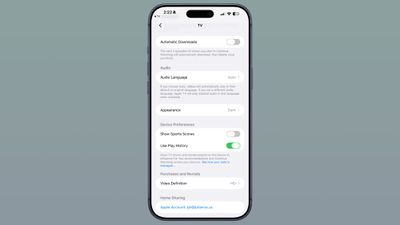
The Apple TV app and the Photos app have received notable updates in Beta 4, aimed at improving automation and visual presentation. In the TV app, Apple has introduced a new "Automatic Downloads" toggle within the Settings menu. When enabled, the system will automatically download the next two episodes of a series currently appearing in the "Continue Watching" queue. To manage device storage effectively, the system is designed to delete these episodes automatically once the user has finished viewing them. This feature is particularly beneficial for commuters and travelers who may frequently move between areas of varying cellular connectivity.

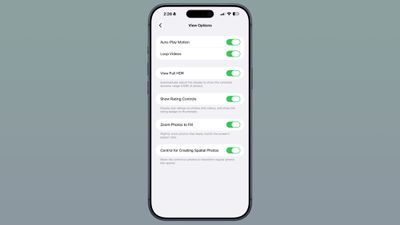
In the Photos app, a new "Zoom Photos to Fill" toggle has been added to the Settings interface. This feature, enabled by default, applies a subtle zoom to images that nearly match the iPhone’s screen aspect ratio. By eliminating thin black bars on the edges of slightly off-ratio photos, Apple aims to provide a more immersive, edge-to-edge viewing experience. Users who prefer to see the uncropped original frame can manually disable this feature.
The Evolution of Siri and Artificial Intelligence Integration
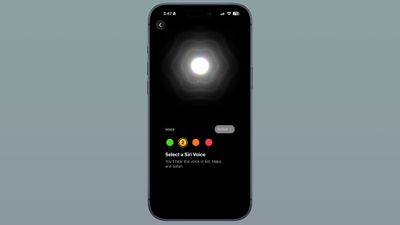
Siri remains the centerpiece of iOS 27, and Beta 4 introduces several UI changes that suggest a more personalized and transparent AI experience. The Siri Voice selection interface has been unified. Devices that do not support the highly touted "Customizable Voice" feature now share the same modern aesthetic as high-end models, offering a streamlined selection of accents and tones.
However, the more advanced customizable Siri options—which allow the AI to learn and mimic specific user-selected vocal characteristics—remain exclusive to the iPhone 17 Pro, iPhone 17 Pro Max, and the newly rumored iPhone Air. This suggests that the feature requires the processing power of the A19 or A20 Pro chips to handle the real-time generative audio tasks locally on the device.
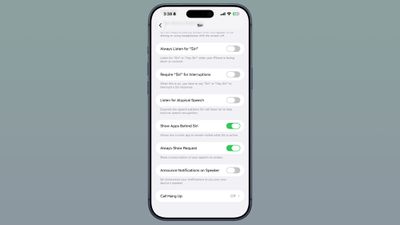
For users concerned with accessibility and feedback, Beta 4 adds an "Always Show Request" toggle. Located in the Accessibility section of Settings, this feature provides a live on-screen transcription of everything the user says to Siri. Furthermore, users can now customize the length of Siri’s app previews, choosing to display anywhere from zero to five lines of text. These changes reflect Apple’s response to user feedback regarding the transparency and speed of AI interactions.
Professional Video and Camera Refinements
Apple continues to push the iPhone as a professional filmmaking tool with the introduction of ProRes Log 2 encoding in Beta 4. When Apple ProRes is enabled in the Camera settings, users can now choose between the original Log format and the new Log 2.
Log 2 is a more advanced encoding profile designed to retain a higher degree of data in the highlights and shadows. This provides colorists and editors with significantly more flexibility during post-production. The move is viewed as a direct response to the growing use of iPhones in high-end commercial and independent film production, where dynamic range and color grading latitude are paramount.
Connectivity and Hardware Ecosystem Updates
The fourth beta also brings changes to how the iPhone manages wireless connections and accessories. Within the Wi-Fi settings, Apple has introduced a per-network "Connectivity Assist" toggle. Previously, Wi-Fi Assist was a global setting that allowed the phone to switch to cellular data if a Wi-Fi signal was poor. The new granular control allows users to enable this behavior for unreliable public hotspots while disabling it for home or office networks where they might prefer to stay on Wi-Fi regardless of temporary speed fluctuations.
The AirPods interface in the Control Center has also been redesigned. The new layout offers more intuitive access to "Adaptive Mode" settings, allowing users to fine-tune the balance between Active Noise Cancellation and Transparency. These refinements come amid rumors that Apple is preparing to launch updated AirPods Pro alongside the iPhone 17 series this fall.
Code Revelations: The Dual-Battery iPhone and Foldable Aspirations
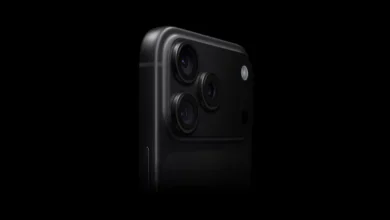
Perhaps the most intriguing discovery in Beta 4 is hidden within the system code rather than the user interface. Developers have identified strings of code referencing an iPhone with two distinct batteries. One specific string reads, "The batteries in this iPhone are performing as expected," using the plural "batteries" where previous versions of iOS always used the singular.
Industry analysts suggest this is a definitive hint toward the long-rumored "iPhone Ultra" or a foldable iPhone model. Foldable devices typically utilize a split-battery design, with one cell in each half of the chassis to balance weight and maximize internal space around the hinge mechanism. While Apple has not officially confirmed the existence of a foldable device, the inclusion of dual-battery management software in iOS 27 Beta 4 suggests that the hardware is currently undergoing internal testing and could be slated for a late 2026 or early 2027 release.
Broader Impact and Market Implications
The refinements in iOS 27 Beta 4 arrive at a critical time for Apple. As competitors like Google and Samsung lean heavily into cloud-based AI, Apple is positioning iOS 27 as the leader in "Private Cloud Compute" and on-device processing. By refining the UI for Siri and expanding the capabilities of ProRes video, Apple is catering to both the mass market and the "prosumer" niche.
Early reactions from the developer community suggest that Beta 4 is significantly more stable than its predecessors, with fewer reports of springboard crashes and battery drain. This stability is vital for Apple’s plan to launch its new iCloud+ perks, which include increased daily limits for AI image generation and enhanced HomeKit Secure Video processing.
The removal of the wallpaper subject cutout in the Notification Center—a feature introduced just one beta ago—indicates that Apple is not afraid to walk back features that do not meet its standards for visual clarity or performance. This "less is more" approach in the later stages of the beta cycle is a hallmark of Apple’s software philosophy, prioritizing a smooth launch over a cluttered feature list.
Conclusion and Looking Ahead
iOS 27 Beta 4 represents the final "polishing" phase of what is expected to be one of Apple’s most consequential software updates in years. By focusing on the nuances of Siri’s interface, professional video formats, and granular connectivity controls, Apple is ensuring that the transition to the generative AI era is as seamless as possible for its billion-plus users.
As the tech industry looks toward the September keynote, the focus will now shift to the Public Beta, which is expected to receive these updates within the coming days. With the foundations of iOS 27 now largely set, the stage is prepared for the debut of the iPhone 17, which will serve as the primary vehicle for these software innovations. Whether the "dual-battery" references point to a surprise foldable reveal or simply a more robust internal design for the Pro models, Beta 4 has successfully heightened anticipation for the future of the Apple ecosystem.