Apple Releases HomeView 27.2.1 Software Update to Address Persistent Siri Functionality Issues

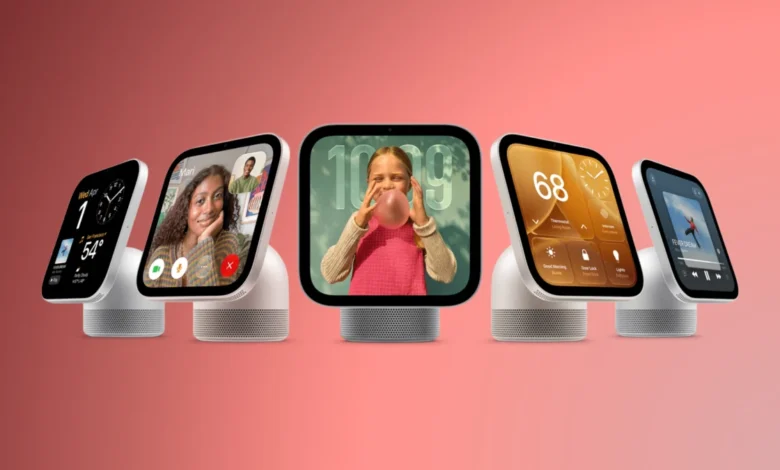
Apple has officially deployed the HomeView 27.2.1 software update, a critical maintenance release aimed at resolving a series of performance bugs that have hampered the user experience of its latest smart home hub since its market debut earlier this month. The update, which arrives just days after widespread reports of system instability, specifically targets integration failures between the hub and Apple’s ecosystem of mobile devices, as well as configuration errors involving the device’s specialized interface features.
The rollout of HomeView 27.2.1 comes during an exceptionally aggressive product cycle for the Cupertino-based tech giant. Having launched over 25 new devices and accessories since late August, including the highly anticipated HomeView hardware on November 13, Apple has been under mounting pressure to stabilize the software ecosystem surrounding its newest flagship smart home product.
Core Fixes and Technical Improvements
According to the official release documentation provided by Apple, the 27.2.1 update centers on three primary technical vulnerabilities that have been identified by both internal diagnostic teams and the early-adopter community.
First, the patch addresses a significant compatibility conflict between the HomeView and mobile devices running the iOS 27.3 or iPadOS 27.3 beta software. Users had reported that when a HomeView was paired with an iPhone or iPad operating on these pre-release versions, Siri requests would consistently fail to process or return actionable results. By aligning the hub’s communication protocols with the current beta development branch, Apple aims to restore parity for users who utilize Apple’s developer or public beta software programs.
Second, the update rectifies a failure within the Photos face configuration. Previously, users attempting to set up a "Shared Album" on the HomeView display found that the device would fail to download the necessary background support for Siri. This omission effectively rendered the voice assistant unavailable whenever this specific aesthetic customization was active.
Finally, the update resolves a critical connectivity bug that plagued users managing multiple home hub devices. Under previous firmware versions, connecting a secondary home hub would occasionally trigger a logic error that caused the HomeView to be unexpectedly removed from the primary user’s HomeKit configuration. This forced users to undergo the cumbersome process of re-pairing the device and re-configuring their smart home automations from scratch.
Chronology of the HomeView Launch and Subsequent Complaints
The release of this patch follows a turbulent introductory week for the HomeView. Following its release on November 13, 2026, social media platforms and technical forums—most notably MacRumors and Reddit—saw a rapid influx of user complaints regarding the hub’s performance.
Early feedback highlighted a disconnect between the marketing promise of the device and its real-world application. Users reported a wide array of failures:
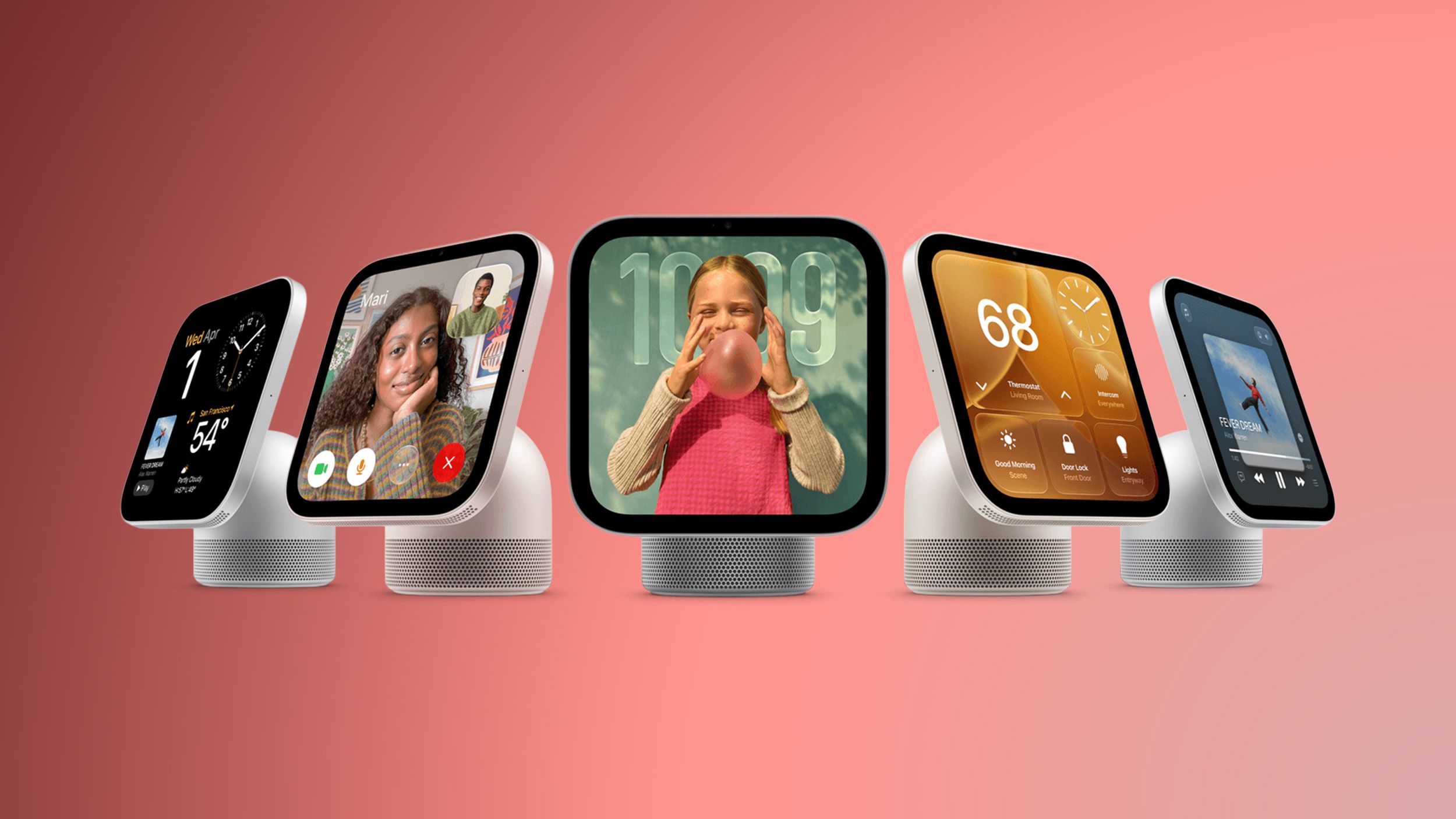
- November 14-15: Initial reports surfaced regarding the device’s inability to set simple alarms or timers, two core functions of a smart home hub.
- November 16: Growing reports confirmed that music control commands were intermittently failing, accompanied by noticeable latency in Siri’s response times.
- November 17: Industry analysts and reviewers, including Joanna Stern, publicly documented specific failures in the Siri AI security protocols, particularly concerning voice-activated unlocking of door locks and garage doors after camera-based authentication.
While Apple’s 27.2.1 notes do not explicitly address the alarms, timers, or music playback issues, internal sources suggest that the refinements to the underlying Siri framework are intended to improve overall voice recognition and processing efficiency, which may indirectly mitigate these earlier reported glitches.
Broader Implications for the Apple Smart Home Strategy
The HomeView launch represents a pivot point in Apple’s smart home strategy. With the integration of advanced AI capabilities, the device is intended to be the central nervous system of the modern, automated home. However, the current software hurdles underscore the challenges of deploying sophisticated machine learning models in a hardware environment that demands high reliability and low latency.
Analysts note that the "HomeView" is not just a hardware product, but a gateway to a larger software ecosystem. The inclusion of the Photos face and Shared Album integration indicates Apple’s intent to make the device a lifestyle hub, not just a utilitarian controller. When these aesthetic features interfere with core functional tasks like voice command processing, it risks eroding consumer trust.
The specific issue regarding the inability to unlock secure doors via voice, as highlighted by Joanna Stern, points to a deeper concern: the integration of advanced AI security with standard smart home controls. Apple has acknowledged this specific flaw and has committed to a dedicated fix scheduled for release in December. This upcoming update is expected to be more complex, likely involving a patch to the secure enclave or the authentication handshake protocols between the HomeView and connected smart locks.
Future Outlook and Software Maintenance
For consumers, the installation of HomeView 27.2.1 is recommended to ensure system stability. The update can be initiated through the Settings menu directly on the HomeView display or managed remotely via the Home application on an iPhone, iPad, or Mac.
The rapid turnaround of this update—released less than a week after the device hit store shelves—demonstrates Apple’s "agile" approach to hardware support. However, it also highlights the increasing trend of "day-one" or "week-one" software patching, where consumers act as de facto testers for new hardware. As Apple continues to expand its product lineup—having released over 25 items in the last three months—the ability to maintain consistent quality assurance across its diverse ecosystem will be the primary metric for its sustained success.
Industry experts suggest that while these fixes provide a necessary short-term resolution, the long-term success of the HomeView will depend on Apple’s ability to move beyond reactive bug fixes and toward proactive performance optimization. With the fourth-generation Apple TV 4K also entering the market this month, the interoperability of these devices remains a focal point for the company’s engineering teams.
As of November 18, 2026, the tech giant appears to be focusing its resources on clearing the backlog of initial hardware complaints. The industry will be watching closely in December to see if the promised security update successfully resolves the biometric authentication issues, which represent the most significant hurdle to date for the HomeView platform. For now, users are encouraged to monitor their HomeView settings for the 27.2.1 prompt and to maintain current versions of iOS and iPadOS to minimize further integration friction.
By addressing these initial bugs, Apple is clearly attempting to stabilize its reputation among power users and smart home enthusiasts who expect seamless performance from the company’s premium ecosystem. Whether this release is sufficient to quell the recent wave of negative feedback remains to be seen, but it represents the first major step in Apple’s effort to restore the HomeView to its intended functionality.
Related posts: