Google Health 5.08 Rolls Out on Android and iOS Bringing Minor Account Updates and Stability Fixes


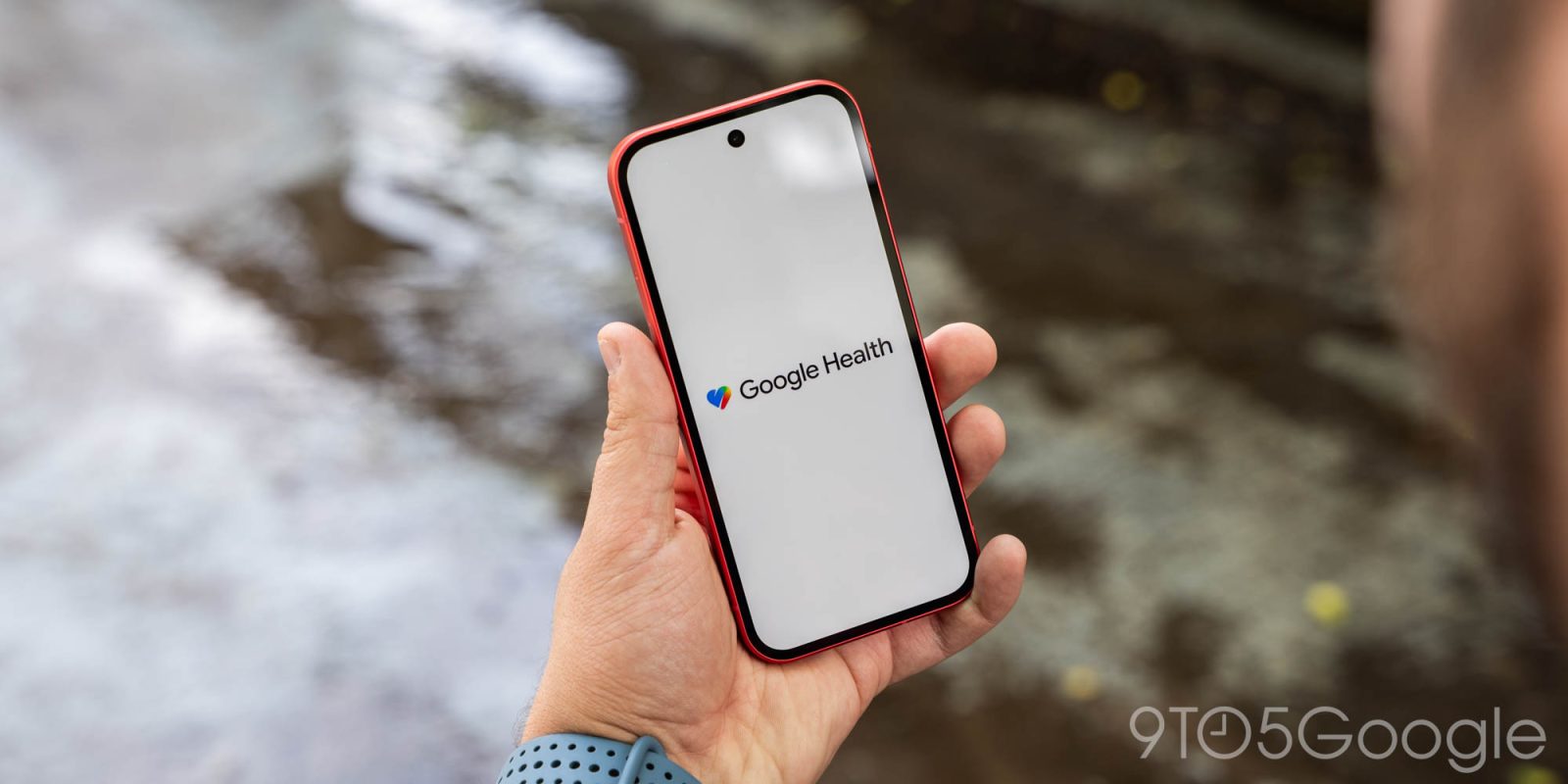
Google Health version 5.08 is officially making its way to users across both the Android and iOS ecosystems, marking the latest iteration of the digital wellness and fitness platform. According to release notes and deployment trackers, this newest software package represents the most modest update released for the application since its extensive, overarching redesign back in May. While major feature revamps typically capture the attention of the tech community, incremental releases such as version 5.08 play an equally critical role in maintaining the day-to-day reliability, security, and performance of applications that manage sensitive biometric and health-related information.
As the software distribution network pushes the update live, users on Apple devices running iOS find the package fully available on the App Store, while deployment for Android users via the Google Play Store is rolling out in phases. This staggered rollout strategy is a standard operating procedure for major technology firms, allowing developers to monitor telemetry data in real-time, catch unforeseen regressions or critical bugs early, and halt distribution if severe issues arise before the update hits the global user base.
Key Updates and Technical Adjustments in Version 5.08
The release notes accompanying version 5.08 highlight a targeted set of modifications centered primarily around user account management. Specifically, the build introduces a pair of discrete account updates designed to streamline how users interact with their personal profiles, sign-in credentials, and data synchronization pathways. While Google has kept the exact technical details of these account modifications relatively brief, industry analysts note that such backend adjustments frequently align with broader efforts to unify account security frameworks across Google’s extensive ecosystem of consumer applications.
Beyond the account-specific tweaks, the update contains the standard software development inclusions of general stability improvements and underlying bug fixes. Although these changes rarely translate to immediate, noticeable visual modifications for the end user, they are vital for minimizing application crashes, reducing battery drain associated with background synchronization of fitness trackers, and ensuring seamless communication between the mobile application and connected wearable hardware.
The Post-Redesign Roadmap and Evolution of Google Health
To fully understand the context of version 5.08, one must examine the trajectory of the Google Health platform over the past year. Following the substantial visual and functional revamp in May—which consolidated various legacy elements and introduced a modernized user interface inspired by contemporary material design principles—Google outlined an ambitious product roadmap. This roadmap was designed to address user feedback, patch integration gaps following the merging of distinct health ecosystems, and introduce advanced analytical tools.
In the months immediately following the May overhaul, Google’s engineering and product teams focused heavily on stabilizing the core architecture of the application. The company released a series of rapid-fire patches to resolve synchronization errors with wearable devices, address battery consumption anomalies, and refine the layout of daily wellness dashboards. With the deployment of version 5.08, Google has successfully addressed the vast majority of the high-priority issues originally outlined in that post-revamp roadmap.
However, the completion of these milestone fixes leaves a singular, highly anticipated frontier remaining on the development agenda: the ongoing refinement and expansion of the Health Coach feature.
The Future of the Health Coach and Artificial Intelligence Integration
The centerpiece of Google’s long-term vision for the platform relies heavily on intelligent, automated guidance designed to help users interpret their daily activity, sleep patterns, and biometric data. The Health Coach initiative, which has been a primary talking point for stakeholders and users alike, represents the intersection of consumer health tracking and advanced machine learning.

While initial iterations of health-tracking software focused purely on passive data collection—such as counting steps, measuring resting heart rates, and tracking sleep duration—the industry has rapidly shifted toward active, personalized interpretation. Users increasingly demand actionable insights rather than raw data feeds. Google’s roadmap for the Health Coach aims to bridge this gap by synthesizing complex physiological metrics into understandable, context-aware recommendations regarding rest, exertion, and overall wellness.
Development on AI-driven health features, however, requires rigorous validation, stringent privacy controls, and adherence to regulatory standards regarding medical and wellness data. Industry observers suggest that the deliberate, measured pace of updates like version 5.08 reflects Google’s careful balancing act between pushing cutting-edge artificial intelligence features forward and maintaining rock-solid infrastructure stability for millions of active daily users.
Ecosystem Implications and Market Positioning
The rollout of version 5.08 occurs within a fiercely competitive digital health landscape. Major technology corporations are heavily investing in ecosystem lock-in through integrated health and fitness offerings. By continuously refining applications like Google Health, technology giants aim to position their software as the central hub for consumer wellness, bridging smartphones, smartwatches, smart home equipment, and third-party medical devices.
For Android users, the app serves as a crucial connective tissue between the operating system and various hardware accessories. On iOS, the application provides an alternative or complementary ecosystem for Apple device owners who utilize cross-platform wearables or prefer Google’s data analysis frameworks. Consequently, maintaining absolute parity, high performance, and robust security across both mobile platforms is non-negotiable for the product’s long-term viability.
Looking ahead, as Google works through the final outstanding items on its post-revamp roadmap—particularly concerning the evolution of the Health Coach—users can expect subsequent minor updates to pave the way for broader, feature-rich releases. For now, users on both Android and iOS are encouraged to check their respective app stores to ensure they are running the latest stable build, thereby benefiting from the security enhancements, account adjustments, and bug fixes packaged within version 5.08.