Samsung Unveils Galaxy Z Fold 8 at Galaxy Unpacked Event Highlighting Significant Design Shift and Enhanced Display Technology

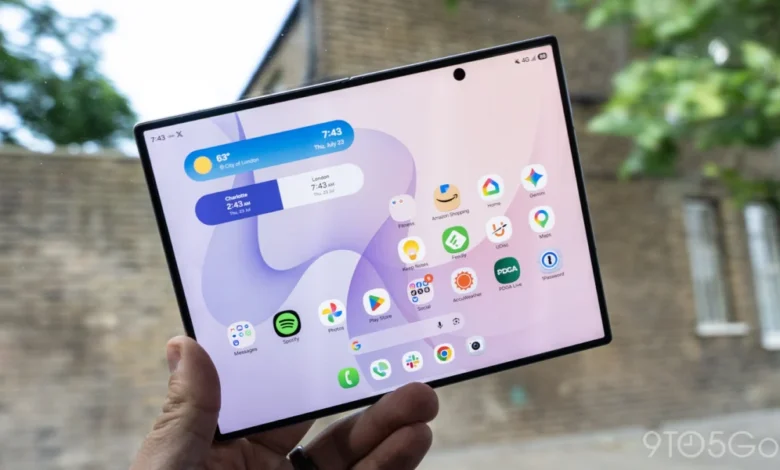
Samsung Electronics has officially introduced the Galaxy Z Fold 8, marking a pivotal moment in the evolution of its flagship foldable smartphone lineup. Revealed during the latest global Galaxy Unpacked event, the device represents a departure from the narrower, taller form factors that characterized previous generations, opting instead for a wider, more ergonomic design language. This shift in strategy follows years of incremental updates and reflects the company’s response to a maturing foldable market where competitors have increasingly challenged Samsung’s dominance with varied aspect ratios and thinner profiles.
The Galaxy Z Fold 8 arrives at a time when the foldable sector is transitioning from a niche luxury segment into a primary driver of premium smartphone sales. By prioritizing a "short and stout" outer display, Samsung aims to address long-standing user feedback regarding the usability of the external screen, which many found too cramped for traditional smartphone tasks. While the Galaxy Z Fold 7 focused heavily on reducing the device’s thickness and the experimental Galaxy Z TriFold showcased the brand’s engineering prowess, the Fold 8 is positioned as the definitive consumer-ready vision for the future of the category.
Evolutionary Chronology: From Concept to the Fold 8
The journey to the Galaxy Z Fold 8 has been defined by a decade of research and development in flexible OLED technology. Since the launch of the original Galaxy Fold in 2019, Samsung has methodically addressed durability concerns and refined the mechanical hinge systems that power these devices.

In the previous cycle, the Galaxy Z Fold 7 was lauded for its significantly thinner chassis, bringing the foldable experience closer to the dimensions of a standard flagship. However, the Galaxy Z Fold 8 represents a more fundamental architectural change. Industry analysts note that Samsung’s decision to alter the aspect ratio is a strategic move to align with global software standards and user ergonomics. The new design facilitates a typing experience on the outer display that mirrors that of the Galaxy S series, reducing the learning curve for new adopters.
Concurrently, Samsung’s internal "Project Q" labs have continued to push the boundaries with the Galaxy Z TriFold, a multi-hinge device designed for ultra-productivity. While the TriFold serves the extreme high-end enthusiast market, the Galaxy Z Fold 8 is the primary volume driver, incorporating lessons learned from both the thinness of the Fold 7 and the display versatility of the TriFold experiments.
Technical Specifications and Hardware Innovations
The hardware of the Galaxy Z Fold 8 is anchored by a redesigned chassis that houses the most advanced display panels Samsung has produced to date. Both the internal and external screens utilize Dynamic AMOLED 2X technology, featuring an adaptive refresh rate of 1Hz to 120Hz.
The outer display, often the primary point of interaction, has been widened to provide a more traditional smartphone feel. This "stout" design ensures that applications do not feel vertically compressed, a common complaint in the Fold 4 through Fold 6 eras. Inside, the main folding screen offers a nearly square canvas, optimized for multi-window multitasking and professional workflows. Early technical assessments indicate that the peak brightness has been increased to 2,800 nits, ensuring legibility even under direct sunlight, while a new anti-reflective coating reduces the visibility of the center crease by approximately 20%.
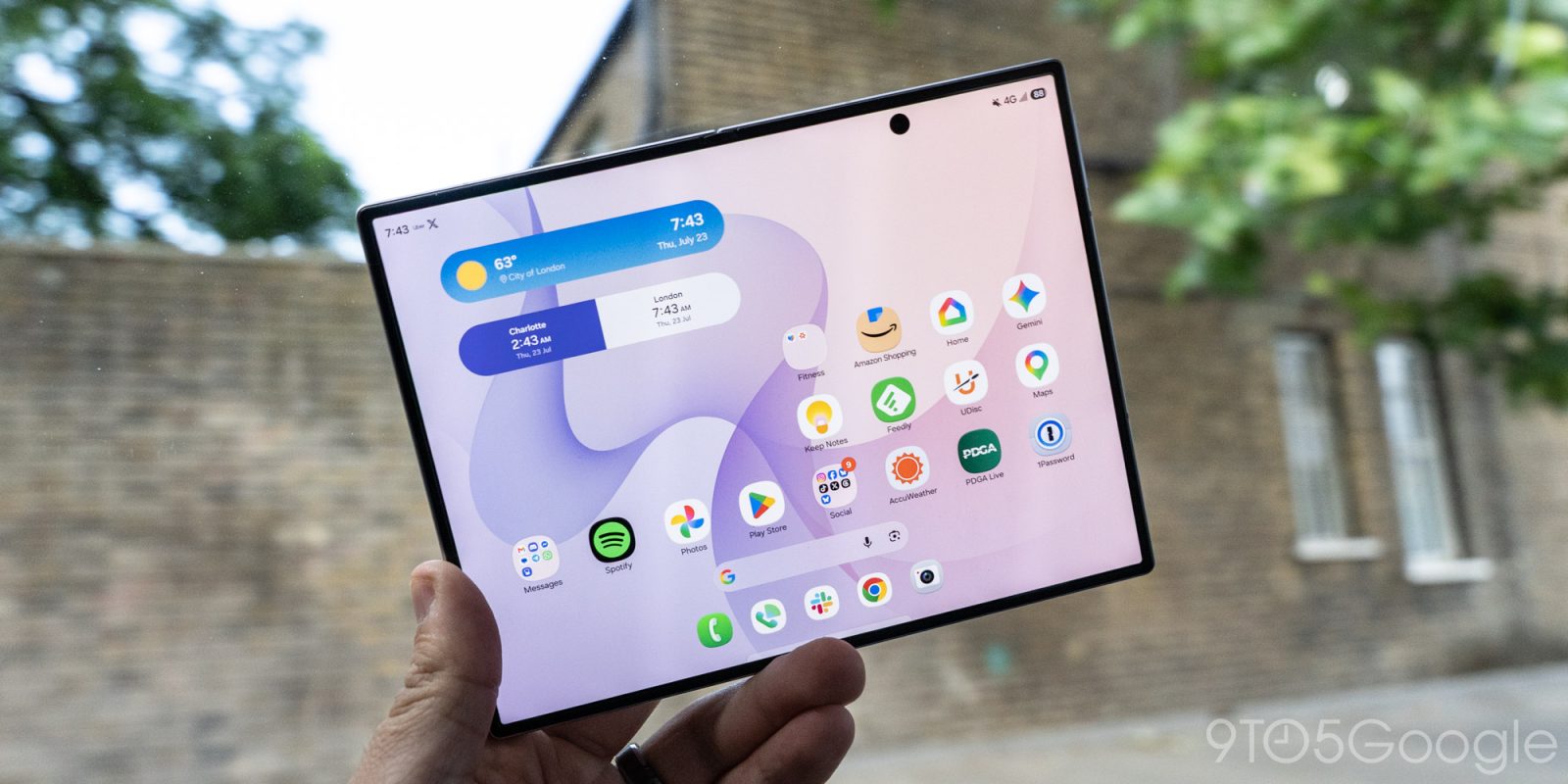
Under the hood, the device is powered by the latest Snapdragon 8 series processor, specifically optimized for the "Galaxy" ecosystem. This chipset is paired with 12GB or 16GB of LPDDR5X RAM, providing the necessary overhead for the device’s extensive AI-driven features. Thermal management has also seen an upgrade, with a vapor chamber that is 15% larger than its predecessor, a necessary inclusion given the increased processing demands of modern mobile software.
Camera System and Multimedia Capabilities
The camera array on the Galaxy Z Fold 8 remains a focal point of the device’s premium positioning, though it introduces a controversial shift in sensor priority. The primary 50-megapixel wide-angle lens and the 12-megapixel ultra-wide lens have been updated with improved low-light processing and faster autofocus capabilities.
However, early hands-on reports from the Unpacked event indicate a change in the telephoto configuration. While previous models emphasized high-magnification optical zoom, the Fold 8 appears to focus on a high-resolution crop-sensor approach or a shorter focal length optimized for portraits. This change has drawn mixed reactions from long-time users who have grown accustomed to the dedicated telephoto capabilities of the Galaxy S Ultra series. Samsung officials suggest that the new sensor arrangement allows for a thinner camera bump and better integration with the device’s AI image signal processor (ISP), which uses machine learning to "fill in" detail at higher zoom levels.
Regarding multimedia, the new aspect ratio presents a unique set of trade-offs. While the wider screens are superior for web browsing and document editing, initial feedback suggests that standard 16:9 or 21:9 cinematic video content may result in larger black bars (letterboxing) than seen on previous, narrower models. This highlights the device’s shift toward a "productivity-first" rather than a "media-first" priority.
User Experience and Software Integration
The Galaxy Z Fold 8 runs on One UI 6.1.1 (or higher), a software skin specifically tailored for large-screen devices. Samsung has deepened its partnership with Google and Microsoft to ensure that popular productivity suites like Office 365 and Google Workspace are natively optimized for the Fold 8’s unique dimensions.
A significant portion of the software experience is now dedicated to "Galaxy AI." Features such as real-time translation, generative photo editing, and automated note-taking have been integrated directly into the operating system. The "Circle to Search" feature, which debuted earlier this year, has been enhanced for the Fold 8 to take advantage of the larger internal screen, allowing users to search for items across multiple open apps simultaneously.
Initial user impressions highlight a sense of "bewilderment" transitioning from the old form factor to the new one. The wider outer screen changes the center of gravity in the hand, making the device feel more substantial. While this improves the typing experience, it requires a period of adjustment for those accustomed to the "remote control" style of previous Fold devices.
Market Positioning and Competitive Landscape
The release of the Galaxy Z Fold 8 comes as Samsung faces unprecedented competition in the foldable space. In the North American and European markets, the Google Pixel Fold and OnePlus Open have gained traction by offering wider external displays and thinner designs—features that Samsung has now adopted with the Fold 8. In Asian markets, manufacturers like Xiaomi, Honor, and Huawei continue to push the envelope with even thinner devices and larger battery capacities.
Samsung’s strategy with the Fold 8 appears to be one of "refined dominance." By adopting the wider form factor, Samsung is closing the gap on its competitors’ design advantages while leaning heavily on its superior software ecosystem and global after-sales support. The Galaxy Z Fold 8 is priced at a premium, starting at $1,799, signaling that Samsung still views the foldable as its premiere luxury offering.
Official Responses and Industry Impact
During the Unpacked keynote, Samsung executives emphasized that the Galaxy Z Fold 8 is the result of analyzing millions of hours of user data. "We are not just making a foldable phone; we are redefining what a mobile computer can be," stated TM Roh, President and Head of Mobile eXperience Business at Samsung Electronics. "The Galaxy Z Fold 8 is designed for those who demand the best in productivity without compromising on the daily smartphone experience."
Industry analysts suggest that the Fold 8 could be the catalyst for a new wave of foldable adoption. "Samsung’s move to a more traditional aspect ratio on the outer screen removes one of the final barriers for mainstream users," said one senior analyst at a leading tech research firm. "While enthusiasts may debate the camera changes or the video letterboxing, the average consumer will find this device much more approachable than previous versions."
Future Outlook and Availability
Pre-orders for the Galaxy Z Fold 8 have opened globally, with shipping expected to begin in late July. The device is available in a variety of colors, including Titanium Gray, Navy, and Pink, with exclusive colorways available through Samsung’s online store.
As the tech community begins to digest the implications of the Fold 8, the focus turns to how this design shift will influence the rest of the industry. If the "short and stout" design proves to be a commercial success, it is likely that the "tall and narrow" foldable era has come to a permanent end. For Samsung, the Galaxy Z Fold 8 is more than just a new phone; it is a statement of intent that the company is willing to abandon long-held design philosophies to maintain its crown in an increasingly crowded and competitive market.
The coming weeks will provide a clearer picture of the device’s performance as full reviews and long-term durability tests emerge. For now, the Galaxy Z Fold 8 stands as a bold, if polarizing, evolution of the world’s most popular foldable smartphone line.