Samsung Galaxy SmartTag 3 Receives Its First Major Discount Just Weeks After Launch, Threatening Google’s Pixel Tag Ecosystem

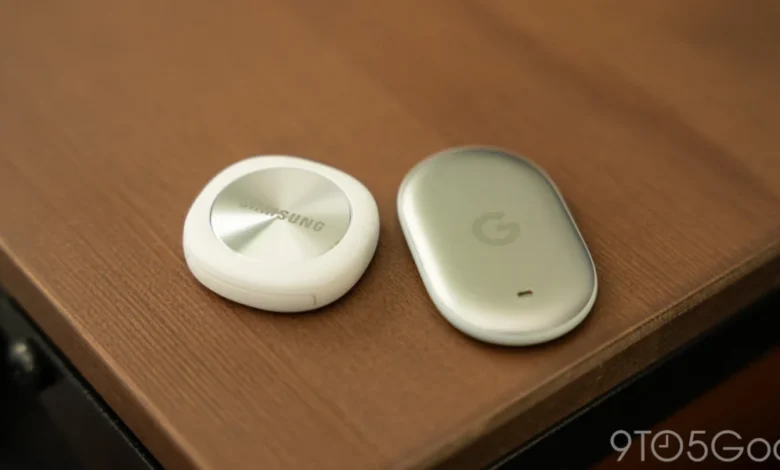
Barely a week after hitting store shelves, Samsung’s newly launched Galaxy SmartTag 3 has already received its first significant price cut, bringing the cost of the hardware-tracked device down to as low as $20 per unit. The rapid discount comes amid a fiercely competitive landscape in the personal tracking market, where tech giants Samsung and Google are battling for dominance. While Google’s newly minted Pixel Tag has captured considerable attention as a native solution for Android users, Samsung’s offering continues to leverage the deeply entrenched SmartThings Find network—a system that many real-world users and tech enthusiasts argue offers superior reliability and range compared to Google’s evolving Find Hub network.
The timing of the discount has surprised industry analysts, given that the Galaxy SmartTag 3 made its official commercial debut only days prior at a standard retail price of $29.99. However, major electronic retailers, most notably Woot, have initiated aggressive promotional pricing, offering individual trackers alongside discounted multi-pack bundles that significantly lower the barrier to entry for consumers invested in the Samsung ecosystem.
Chronology of the Release and Early Market Response
The journey toward the current market rivalry between Samsung and Google has been years in the making. The Bluetooth tracking segment, once dominated almost exclusively by Apple’s AirTag and niche players like Tile, transformed into a multi-ecosystem battleground with the advent of standardized tracking protocols designed to combat unwanted stalking while expanding device discoverability.
In late September, Samsung generated considerable industry buzz when early details indicated that the Galaxy SmartTag 3 would feature unique cross-platform capabilities, including limited support for Apple iPhones, though initially omitting direct integration with Android’s broader Find My Device network. By early November, the device officially went on sale globally, introducing a refreshed industrial design characterized by a smaller, more compact chassis. Unlike its predecessor, the SmartTag 2, which featured a prominent built-in physical loop for keyring attachment, the third-generation iteration discarded the integrated loop in favor of a sleeker profile, necessitating accessories for specific mounting configurations.
Despite this design change, the SmartTag 3 introduced notable technical enhancements. These include extended battery longevity, a revamped NFC (Near Field Communication) feature that allows finders to instantly pull up the owner’s pre-programmed contact information simply by tapping the tag with a compatible smartphone, and improved signal processing. Within days of its release, online consumer communities—such as Reddit’s Google Find My Device enthusiast boards—began drawing unfavorable comparisons between Google’s network performance and Samsung’s mature infrastructure. Many real-world tests indicated that the SmartThings Find network successfully located missing items with greater speed and consistency than Google’s alternative, prompting consumers to reconsider which ecosystem best suited their security needs.

Pricing Breakdown and Availability Details
The aggressive pricing strategy deployed by online retailers has drastically altered the value proposition of Samsung’s latest hardware. While the manufacturer’s suggested retail price (MSRP) remains at $29.99 for a single unit, early promotions have introduced tiered discounts designed to encourage bulk purchases.
According to retail listings on platforms like Woot, a single Galaxy SmartTag 3 is currently available for $23.99. However, greater savings are realized through bundle configurations:
- 2-Pack Bundle: Priced at $43.99
- 3-Pack Bundle: Priced at $62.99
- 4-Pack Bundle: Priced at $79.99, which reduces the per-unit cost to approximately $20.
These discounts apply to international models being distributed through authorized online liquidators. Concurrently, Amazon has responded by implementing price cuts on the preceding generation, the Galaxy SmartTag 2, providing budget-conscious consumers with alternative hardware choices depending on their preference for the older, loop-inclusive design.
Ecosystem Rivalry: Google Pixel Tag vs. Samsung SmartTag 3
The emergence of these discounts highlights a broader structural conflict within the Android ecosystem. Google’s Pixel Tag entered the market as a flagship showcase for the company’s unified Find Hub network—an ambitious initiative designed to turn virtually every active Android device into a crowd-sourced tracking beacon. However, early deployments of Google’s network have faced growing pains, including reported latency issues, slower update intervals in densely populated urban environments, and occasional syncing inconsistencies.
In contrast, Samsung’s SmartThings Find network has operated at scale for several years. Built upon millions of active Galaxy smartphones, tablets, and smart home appliances, Samsung’s proprietary network benefits from an established density of relay devices. For owners of Samsung Galaxy smartphones, tablets, and wearables, utilizing a SmartTag 3 remains a frictionless experience that bypasses the nascent limitations currently plaguing Google’s centralized platform.
Furthermore, the introduction of cross-platform accessibility features in the SmartTag 3—such as limited iPhone compatibility—positions Samsung’s hardware as a more versatile consumer tool than Google’s ecosystem-locked alternatives, which are primarily optimized strictly for the Android environment.

Broader Impact and Industry Implications
The rapid discounting of a flagship accessory mere days after its commercial launch signals shifting retail dynamics within the consumer electronics sector. Manufacturers are increasingly relying on aggressive launch-window promotions via third-party liquidators to secure market share in high-turnover categories like Bluetooth trackers.
For consumers, the price reduction of the Galaxy SmartTag 3 to the $20 threshold removes one of the primary financial deterrents associated with adopting new tracking hardware. As competition intensifies between Apple’s AirTag, Samsung’s SmartTag lineup, and Google’s burgeoning Pixel Tag ecosystem, end-users stand to benefit from lower hardware
costs and rapid technological iterations focused on battery efficiency, privacy controls, and network reliability.
As the holiday shopping season approaches, analysts expect further promotional activity across all major tracking ecosystems. Whether Google can scale its Find Hub network performance to neutralize Samsung’s hardware advantage remains one of the most closely watched developments in the mobile accessories market. For now, Samsung’s preemptive discount ensures that its latest tracker remains a formidable option for anyone embedded within the Galaxy ecosystem seeking dependable asset recovery.
Related posts: