A New Strategic Pillar for the Home
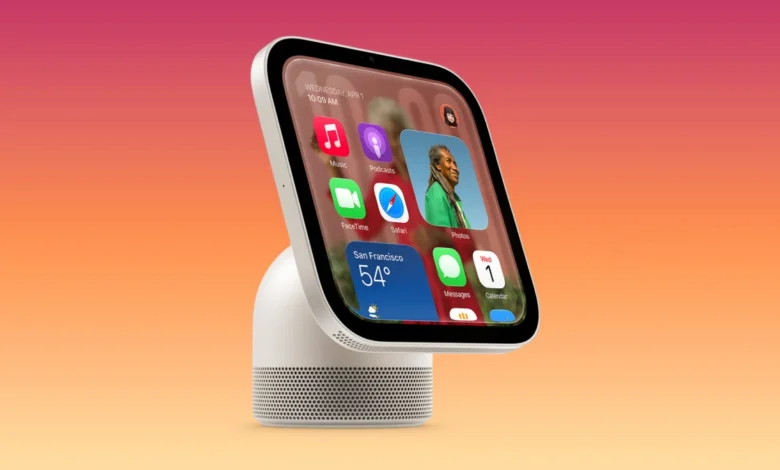
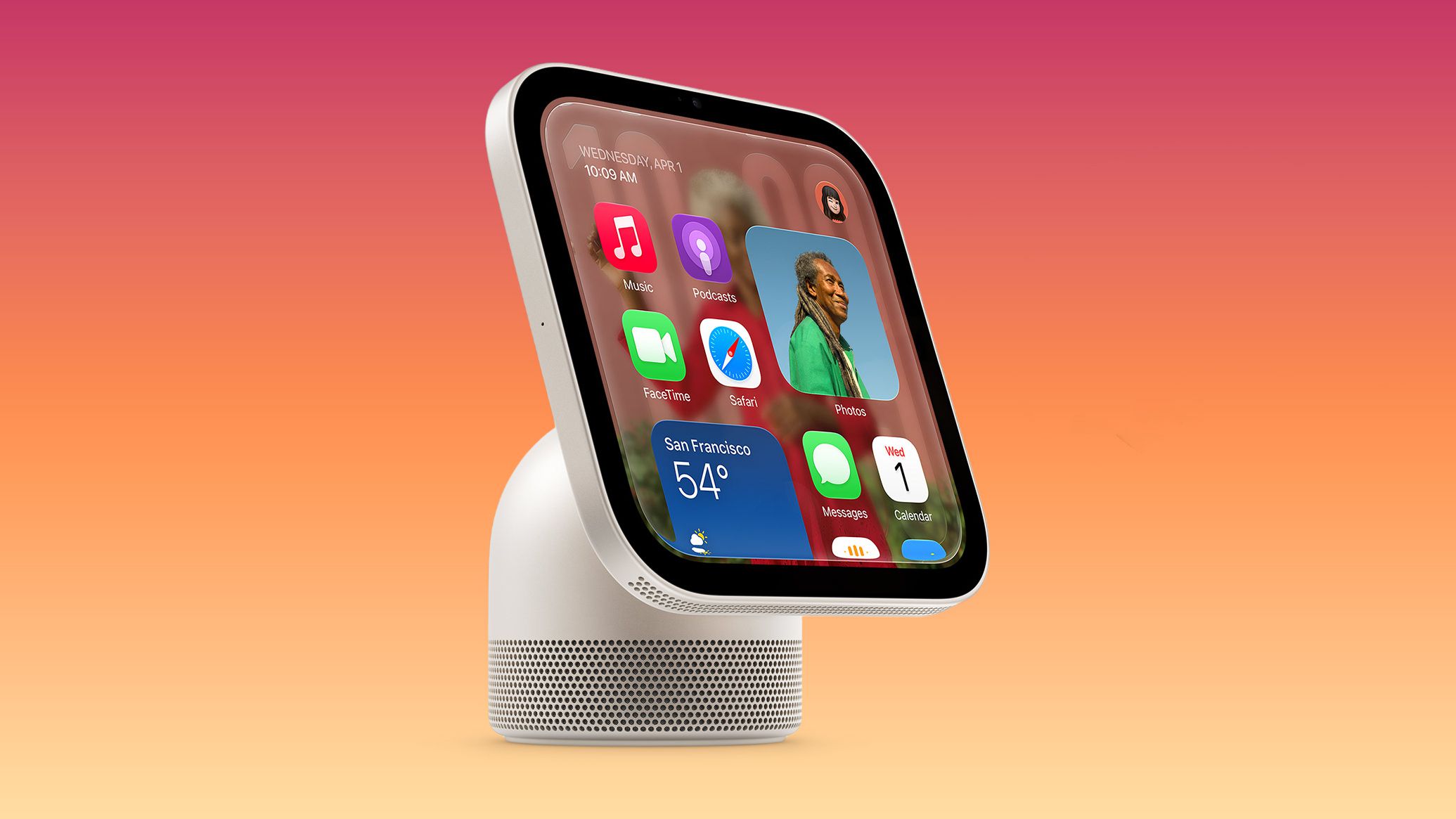
The HomeView, priced at $299, represents Apple’s most ambitious attempt to unify the fragmented smart home market. Functionally positioned as a hybrid between an iPad and a HomePod, the device features a distinct 7-inch square display. It is available in two configurations: a tabletop model equipped with a dedicated speaker base for enhanced acoustic performance, and a wall-mount variant that prioritizes minimalist aesthetic integration.
The device is designed to serve as the central nervous system of a modern household. Unlike previous attempts at home automation controllers, the HomeView utilizes advanced onboard camera sensors and voice recognition technology capable of identifying up to six distinct users. By cross-referencing these identities with personalized data, the HomeView delivers customized interfaces, calendar views, and smart home control presets, effectively transforming from a shared household device into a personal assistant for each resident.
The Technological Foundation: Siri AI and iOS 27
Central to the HomeView experience is the integration of the new Siri AI, the sophisticated voice-assistant architecture that debuted alongside the launch of iOS 27 earlier this year. Unlike previous generations of Siri, which relied heavily on cloud-based processing, the HomeView leverages the enhanced NPU (Neural Processing Unit) capabilities of the Apple silicon powering the device to handle requests locally. This shift addresses long-standing privacy concerns regarding home-based audio and video capture.
While the HomeView lacks a dedicated App Store, it is designed to be an extension of the iPhone ecosystem. It runs pre-installed, optimized Apple applications and supports a wide array of iPhone widgets, allowing users to monitor security cameras, manage lighting, adjust climate settings, and handle video communications without needing to unlock a smartphone. The interface is purposefully static and task-oriented, distinguishing it from the more expansive, multi-purpose environment of an iPad.
Global Availability and Market Constraints
The rollout of the HomeView is being conducted in waves, with initial availability spanning Australia, Canada, India, New Zealand, Singapore, South Africa, the United Kingdom, and the United States. Notably, the device is currently absent from the European Union market. Industry analysts attribute this omission to the complex regulatory landscape regarding artificial intelligence in the EU, particularly concerning the advanced behavioral tracking and data-processing capabilities of the new Siri AI. Apple has not yet provided a definitive timeline for when these features might be reconciled with the European AI Act.
In regions where the device is available, the distribution network is robust. In Australia, where the Apple Store network is extensive, the device is being made available for in-store purchase immediately. In New Zealand, where physical Apple-branded retail locations are absent, consumers are relying exclusively on the digital storefront and authorized premium resellers. Supply chain reports suggest that Apple has adequately stocked its retail channels, and market analysts do not anticipate the inventory shortages that characterized the launch of the Vision Pro or the early M-series MacBooks.
The Simultaneous Debut of the Apple TV 4K
Coinciding with the HomeView launch is the arrival of the fourth-generation Apple TV 4K, also priced at $299. This hardware refresh is aimed at power users and home theater enthusiasts. Under the hood, the new Apple TV 4K is powered by the A19 chip, providing a significant performance uplift that enables fluid navigation, enhanced gaming, and sophisticated machine-learning-driven upscaling.
With 128GB of internal storage and native support for Wi-Fi 7, the device is built to handle the high-bitrate streaming demands of future media formats. A standout feature is the expanded audio-routing capability, which allows users to connect up to four HomePods simultaneously to create a complex, wireless surround-sound environment. Like the HomeView, the new Apple TV 4K utilizes the latest iteration of Siri AI to provide context-aware recommendations, making it a critical component of the integrated Apple home theater experience.
Historical Context: The 2026 Product Surge
The release of the HomeView and the latest Apple TV 4K concludes a whirlwind of activity that began in late August. According to industry records, Apple’s cadence of hardware releases in 2026 has been unprecedented. By releasing over 25 products in under three months, the company has effectively accelerated its typical annual cycle, likely to position its latest AI-integrated hardware for the peak holiday shopping season.
Market observers have noted that this rapid-fire release strategy serves two purposes: clearing the runway for the 2027 fiscal year and establishing a baseline for the "Siri AI" era of computing. By ensuring that the HomeView, Apple TV, and existing iPhone models are all synchronized under the same software architecture, Apple is attempting to solidify its "walled garden" in the smart home space, a sector where competition from Amazon and Google has historically been fierce.
Industry Implications and Future Outlook
The introduction of a $299 smart home hub suggests that Apple is targeting the premium segment of the market. While competitors like Amazon offer Echo Show devices at lower price points, Apple is positioning the HomeView as a secure, privacy-first alternative that integrates seamlessly with existing Apple devices. The decision to make the wall-mount hardware an additional purchase indicates that Apple is treating the HomeView as a semi-permanent home fixture, similar to a thermostat or a light switch, rather than a transient piece of consumer electronics.
Technological analysts are particularly interested in the device’s ability to handle smart home protocols. By acting as a Thread Border Router and Matter-compatible controller, the HomeView is expected to stabilize the currently chaotic landscape of smart home device interoperability. If the HomeView succeeds, it will likely render the current generation of fragmented smart home bridges obsolete, consolidating control into a single, reliable device.
Initial Consumer Response
Early reports from social media platforms and the MacRumors forums indicate a high level of curiosity among early adopters. Users in the Southern Hemisphere, having had access to the device for several hours, have highlighted the responsiveness of the Siri AI and the intuitive nature of the widget-based interface. However, some early feedback has focused on the limitations of the "no App Store" policy, with some users expressing a desire for more third-party integrations.
As the device launches in the United States and the UK, industry experts will be watching for metrics related to "user attachment rates"—the frequency with which a user interacts with the HomeView compared to their smartphone. If Apple can prove that users prefer the HomeView for daily tasks, it will likely influence the design of future appliances and home hardware.
Conclusion
The Friday, November 13, 2026, launch of the HomeView and the updated Apple TV 4K marks the culmination of one of the busiest quarters in Apple’s history. By focusing on ambient computing, AI-driven personalization, and a unified ecosystem, the company is betting that the future of technology lies not in the devices we carry in our pockets, but in the ones that reside on our walls and tabletops. As global markets continue to receive their orders, the true test for these products will be their longevity and their ability to become indispensable components of the modern smart home. For now, the successful deployment of these devices confirms that Apple’s transition to an AI-first product ecosystem is well underway, setting a new standard for the industry to follow in the coming year.