A Departure from Hardware Ambitions
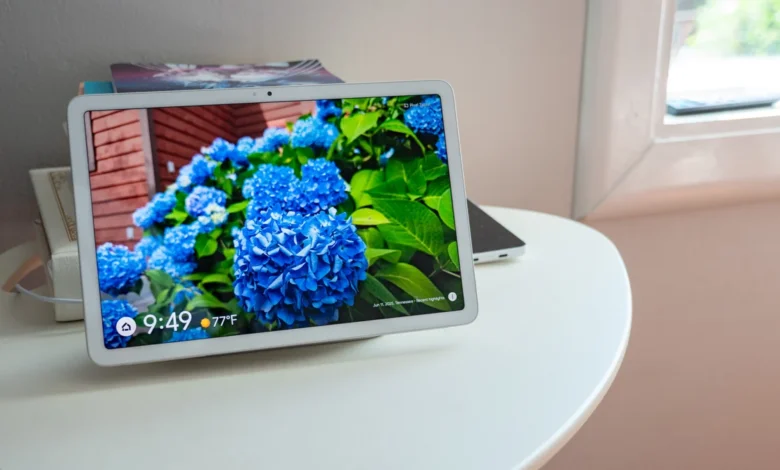
The Pixel Tablet was introduced in 2023 with a unique value proposition: a hybrid device that functioned as a standard Android tablet while offering the utility of a smart home display when docked on its proprietary Charging Speaker Dock. At a launch price of $499, it was marketed as a central hub for the Google Home ecosystem, designed to bridge the gap between portable media consumption and stationary home automation.
However, the device faced immediate hurdles upon release. Critics often pointed to a disconnect in the user experience; it lacked some of the high-end multitasking features found in premium tablets from competitors like Samsung or Apple, yet it was priced significantly higher than budget-friendly options. The decision to remove the product from the market suggests that these challenges in positioning hindered the device’s ability to gain meaningful traction in a saturated market dominated by entrenched competitors.
Chronology of the Pixel Tablet Lifecycle
The trajectory of the Pixel Tablet was relatively brief but marked by high expectations from industry analysts who viewed it as a pivot for Google’s hardware strategy.
- May 2022: Google provides a "sneak peek" of the Pixel Tablet at the Google I/O developer conference, confirming the company’s re-entry into the tablet market.
- May 2023: The Pixel Tablet is officially launched and made available for purchase. It ships with the Tensor G2 chip, the same processor found in the Pixel 7 series.
- Early 2024: Industry reports emerge indicating that Google has scrapped plans for a second-generation Pixel Tablet, citing concerns over profitability and sluggish sales figures.
- Mid-2024: Further reports suggest that a third-generation model, originally slated for a 2027 release, has also been abandoned by the hardware division.
- Late 2024: The Google Store begins listing the device as "out of stock" in various regions, signaling the beginning of the end for the product’s retail presence.
- 2025: The product page is entirely removed from the Google Store, and major retailers follow suit, effectively ending the official availability of new units.
Market Context and Sales Performance
The tablet market has historically been a difficult sector for Android manufacturers to penetrate, particularly at the mid-to-high price tier. According to market research data from firms like IDC and Canalys, the tablet space remains heavily concentrated, with Apple’s iPad maintaining a dominant lead in market share, followed by Samsung’s Galaxy Tab series.
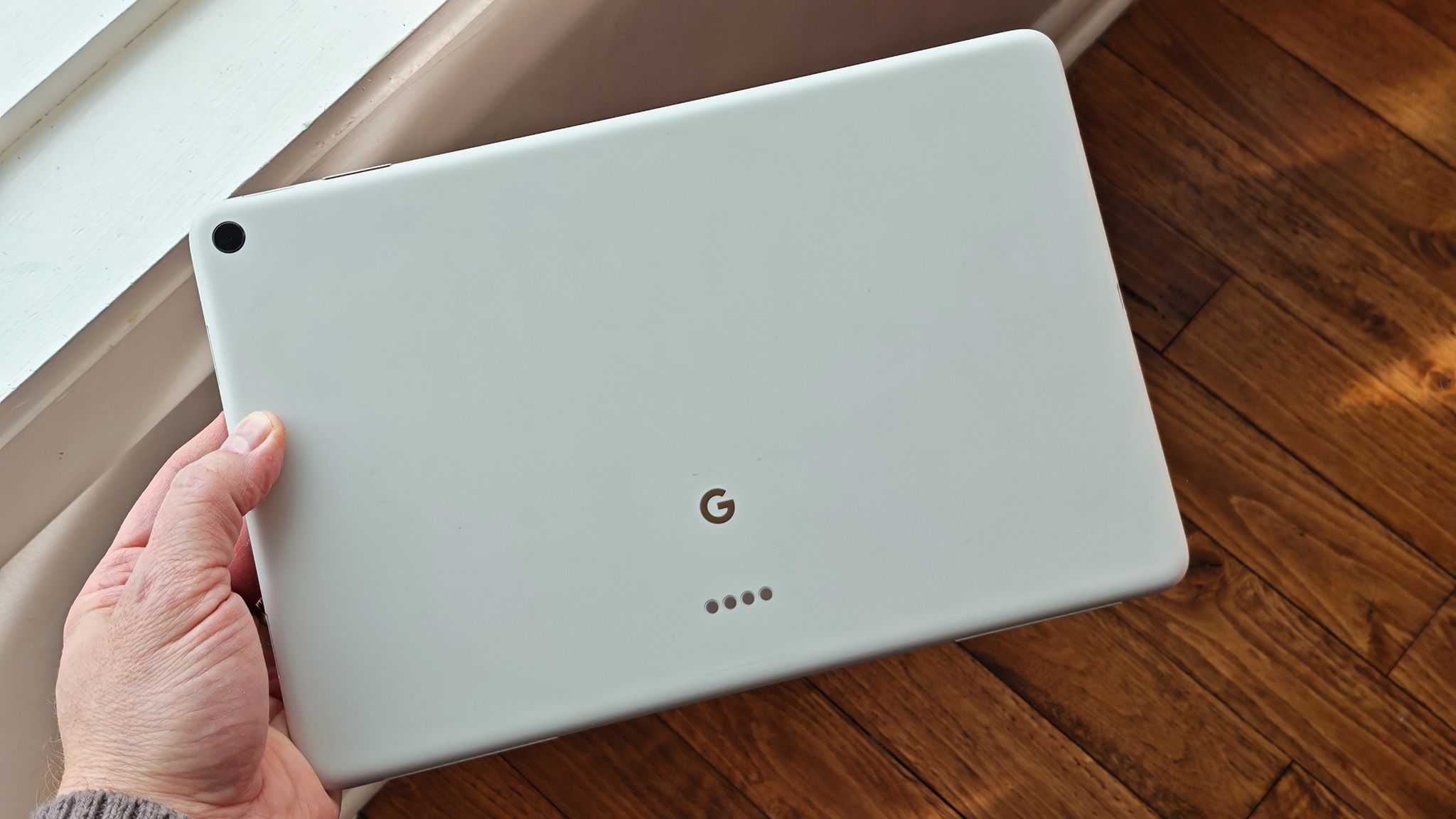
Google’s attempt to differentiate the Pixel Tablet through its docking mechanism was an attempt to avoid a direct head-to-head comparison with professional-grade tablets. By positioning it as a "Smart Home Hub," Google hoped to capitalize on its dominance in the smart home ecosystem. However, the hardware did not achieve the sales volume required to justify continued investment in a multi-generational product line. The high cost of maintaining a specialized hardware ecosystem—including the proprietary dock—likely contributed to the decision to cease production rather than iterate on the design.
Software Support and Legacy
Despite the discontinuation of the hardware, Google has reaffirmed its commitment to existing users. The company’s policy for the Pixel Tablet includes a dedicated support window for security updates and OS patches. Current owners can expect official software support to continue until at least mid-2028.
This is a critical factor for current users, as it ensures that the device remains secure and functional for several years to come. Unlike some discontinued products that receive immediate "end-of-life" status, the Pixel Tablet will remain a viable part of the Android ecosystem for the foreseeable future. This commitment is consistent with Google’s broader effort to extend the longevity of its Pixel hardware, a trend observed across its smartphone lineup as well.
Implications for Google’s Hardware Strategy
The decision to shutter the Pixel Tablet line reflects a broader shift in Google’s hardware strategy. Under the leadership of the Devices and Services division, Google has been increasingly selective about where it allocates its R&D budget. The company has seen significant success with its Pixel smartphones and its expansion into the wearable market with the Pixel Watch. By trimming less successful product lines, Google is effectively focusing its resources on areas where it holds a stronger competitive advantage and higher potential for market growth.
This retreat does not necessarily signal an exit from the tablet form factor forever. Technology companies frequently pause or pivot their hardware efforts based on market feedback and shifting consumer behavior. However, it does underscore the difficulty of capturing market share in a space where consumer loyalty is deeply embedded in established ecosystems.
Analysis of the "Hybrid" Failure
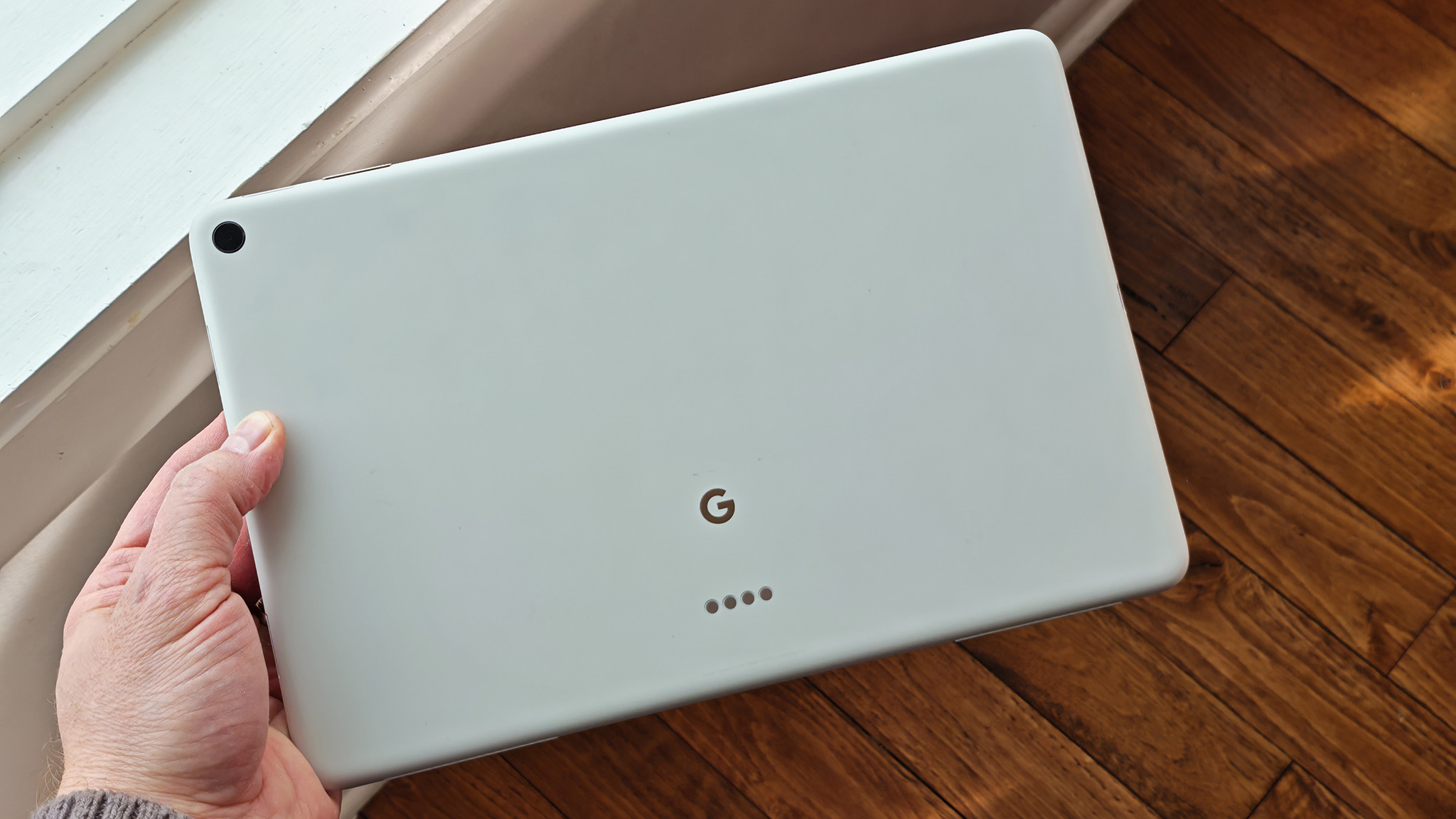
The failure of the Pixel Tablet to become a flagship product offers a case study in product positioning. By trying to serve two masters—the casual tablet user and the smart home enthusiast—the device arguably suffered from a lack of focus. The charging dock, while innovative, was an added expense that pushed the price point toward the premium range, where users often expect higher performance specifications, such as faster refresh rates or more advanced multitasking software capabilities.
Furthermore, the Android tablet experience has historically lagged behind that of tablet-specific OS iterations. While Google has made significant strides in optimizing Android for larger screens—introducing improved navigation bars, better split-screen support, and enhanced keyboard integration—the software ecosystem for tablets remains a work in progress. For many consumers, the value proposition of a premium tablet is defined by productivity, and the Pixel Tablet was viewed by many as more of a media consumption device, which made the price tag harder to justify compared to cheaper alternatives.
Looking Ahead
For consumers currently in the market for a tablet, the departure of the Pixel Tablet leaves a void in the "smart home-first" category. It remains to be seen if other manufacturers will attempt to replicate the docking concept or if the industry will continue to favor the traditional, standalone tablet design.
For Google, the focus now shifts back to its core hardware portfolio. The lessons learned from the Pixel Tablet—regarding manufacturing costs, consumer expectations for tablets, and the integration of smart home features—will likely inform future product development. As the company continues to refine its Tensor-based hardware, the technology developed for the Pixel Tablet may eventually reappear in other forms, perhaps as part of a future smart home display or a different iteration of the Pixel hardware line.
The Pixel Tablet will be remembered as an ambitious, if ultimately unsuccessful, experiment. It served as a testament to Google’s willingness to innovate in the hardware space, even when those innovations do not yield the long-term commercial success required to sustain a product line. For now, the "dead" status of the device serves as a definitive punctuation mark on a chapter of Google’s hardware history that prioritized unique utility over traditional market dominance. Existing users, however, can rest assured that their devices remain supported, maintaining the promise of security and functionality for years to come.