Apple Product Roadmap Intensifies with iPhone Ultra Foldable Rumors and Major Amazon Satellite Partnership

The landscape of consumer technology shifted significantly this week as a series of disclosures and market movements provided a clearer picture of Apple Inc.’s strategic direction for the latter half of the decade. Central to these developments is the emergence of more concrete details regarding the long-rumored foldable iPhone, reportedly designated the "iPhone Ultra," alongside a major realignment in the satellite connectivity sector following Amazon’s acquisition of Globalstar. While the company prepares for these future-facing hardware launches, it simultaneously faces immediate headwinds in its desktop computer segment due to a deepening global semiconductor shortage that has halted orders for several professional-grade Mac configurations.
The iPhone Ultra: Engineering a Durable Foldable
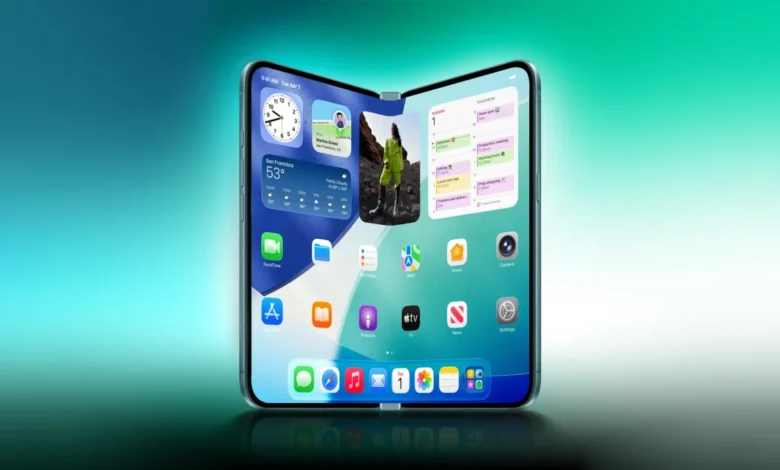
For years, the foldable smartphone market has been dominated by competitors, while Apple remained in a protracted research and development phase. According to recent reports from Bloomberg’s Mark Gurman and corroborated by supply chain leaks on Chinese social media, Apple is now nearing the production phase for its first foldable device. The "iPhone Ultra" is expected to be positioned as the most premium tier in the iPhone lineup, potentially debuting alongside the iPhone 18 Pro series in September 2026.
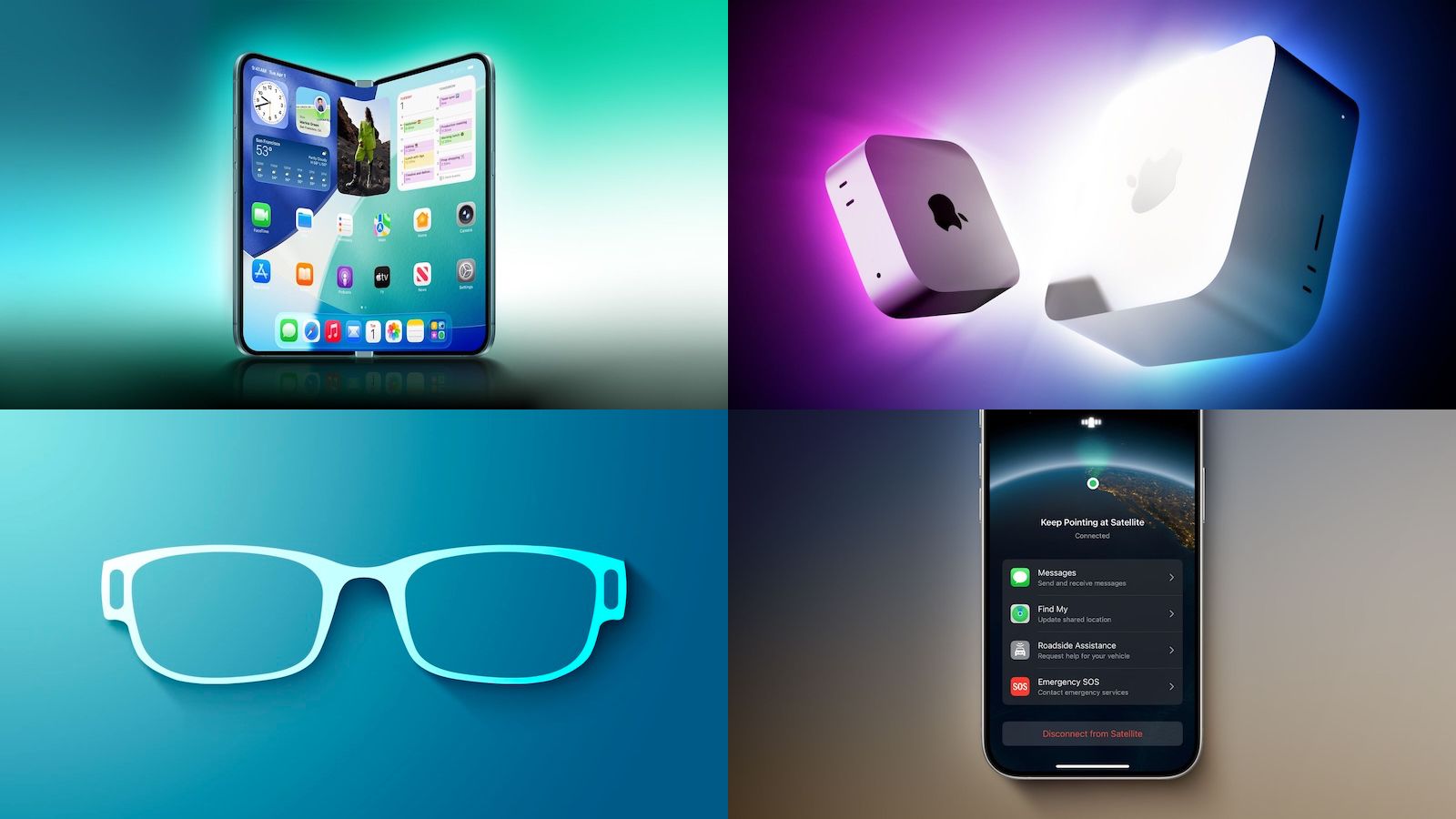
The primary delay in Apple’s entry into the foldable market has been attributed to two persistent industry-wide failures: screen crease visibility and long-term hinge durability. Reports suggest that Apple engineers have finally achieved a breakthrough in these areas. The iPhone Ultra will reportedly utilize a proprietary display technology that minimizes the "trough" effect seen in current foldable OLED panels. Furthermore, the device is expected to feature a new ceramic-reinforced glass substrate designed to withstand significantly more fold cycles than the current industry standard.
While production timelines for a device of this complexity are notoriously volatile, current intelligence indicates that Apple is aiming for a Fall 2026 launch. However, some analysts suggest that if yield rates for the new display panels do not meet Apple’s stringent quality control standards by early next year, the release could be pushed to a standalone event in the first quarter of 2027. This device is viewed by market analysts as Apple’s response to the plateauing of the traditional smartphone form factor, aiming to capture the high-end productivity segment that currently utilizes iPad Mini and Pro Max devices.
Global RAM Shortage Halts Mac Production
In a stark contrast to its future product ambitions, Apple is currently grappling with severe supply chain constraints affecting its current desktop hardware. A global shortage of high-density RAM chips has forced the company to stop accepting orders for specific configurations of the Mac mini and Mac Studio. As of mid-April 2026, the Apple Online Store in the United States has listed Mac mini models with 32GB or 64GB of RAM and Mac Studio models with 128GB or 256GB of RAM as "currently unavailable."
This supply tightening follows a move last month where Apple quietly removed the 512GB RAM upgrade option for the Mac Studio entirely. Industry experts point to a series of manufacturing disruptions in the DRAM sector, combined with a sudden surge in demand for high-bandwidth memory (HBM) for artificial intelligence servers, which has diverted resources away from consumer-grade unified memory components.
The remaining available configurations of these desktop Macs are currently showing shipping estimates of four to twelve weeks. This shortage is expected to impact Apple’s quarterly revenue in the Mac segment, particularly as creative professionals and enterprise clients are unable to procure the high-performance machines required for intensive workflows. There is speculation that Apple may use this forced hiatus to transition the Mac mini and Mac Studio lines to the M5 series of chips sooner than originally planned, though the company has not officially commented on its production schedule.
Amazon and Apple: A Strategic Satellite Realignment
One of the most significant corporate maneuvers of the week involved the intersection of big tech and aerospace. Amazon has officially announced its acquisition of Globalstar, the satellite operator that has served as Apple’s exclusive partner for satellite-based services since the launch of the iPhone 14 in 2022. While such an acquisition by a direct competitor might initially appear to threaten Apple’s "Emergency SOS" ecosystem, the two companies have concurrently signed a long-term service agreement.

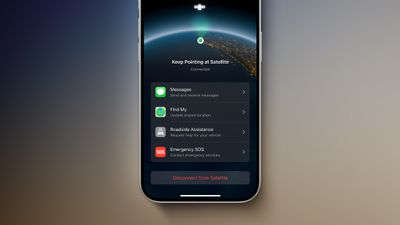
Under this new deal, Apple’s suite of off-grid services—including Emergency SOS, satellite-based messaging, Find My tracking, and Roadside Assistance—will transition to Amazon’s burgeoning Low Earth Orbit (LEO) satellite network. This move is expected to provide Apple users with significantly higher bandwidth and lower latency for satellite communications.
Technical Implications of the Amazon-Apple Satellite Deal:
- Increased Coverage: Amazon’s LEO constellation offers more comprehensive global coverage compared to traditional mid-orbit satellites.
- Future Services: The partnership reportedly includes provisions for "future satellite services," which analysts believe could eventually include limited satellite data roaming or high-speed emergency video calling.
- Redundancy: Apple will continue to support legacy Globalstar hardware while phasing in the LEO-compatible protocols for the upcoming iPhone 18 series.
This partnership marks a rare moment of deep infrastructure collaboration between Amazon and Apple, suggesting that the cost and complexity of maintaining a global satellite network are high enough to encourage cooperation even among fierce rivals.
Wearable Innovation: The Four Styles of Apple Smart Glasses
Following the niche success of the Vision Pro, Apple is reportedly pivoting toward a more consumer-friendly wearable: smart glasses. Mark Gurman reports that Apple is currently testing at least four distinct styles of smart glasses. Unlike the bulkier augmented reality headsets, these glasses are designed to look like traditional high-end eyewear.
A key differentiator for Apple’s approach is the choice of materials. Rather than the industrial plastics common in the smart eyewear market, Apple is utilizing high-quality acetate. This material is not only more durable but also allows for a wider variety of aesthetic finishes, signaling Apple’s intent to market the device as a fashion accessory as much as a technological tool.
The internal testing focuses on different frame shapes to accommodate various facial structures, with the goal of integrating a discreet "Heads-Up Display" (HUD) that can project notifications, walking directions, and biometric data directly into the wearer’s field of vision without the need for a fully immersive—and socially isolating—VR enclosure.

Software Refinements: iOS 26.4 and Hotspot Transparency
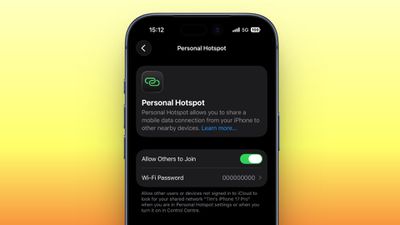
On the software front, the release of iOS 26.4 has introduced a long-requested feature aimed at data management. Apple has redesigned the Personal Hotspot interface to provide granular transparency regarding data usage. Users can now see a real-time list of every device connected to their iPhone’s hotspot, along with a precise breakdown of how much data each individual device has consumed during the current session.
Previously, this information was buried deep within the "Cellular" section of the Settings app, making it difficult for users to identify which connected device was responsible for data overages. This update reflects Apple’s broader move toward "User Empowerment" in its software design, providing tools that help consumers manage the costs associated with increasingly expensive high-speed data plans.
Artemis II: The iPhone 17 Pro Max in Lunar Orbit
Apple’s marketing department received a significant boost this week following the successful return of NASA’s Artemis II crew. During their mission around the far side of the Moon, astronauts utilized the iPhone 17 Pro Max to capture high-resolution imagery of the Earth and the lunar surface. The "Shot on iPhone" campaign reached new heights—literally—as selfies of the crew with the Earth rising over the lunar horizon were shared globally.
Apple CEO Tim Cook and Senior Vice President of Worldwide Marketing Greg Joswiak both issued public statements praising the NASA crew. Cook noted that the images "captured the wonders of space and our planet beautifully," highlighting the iPhone’s computational photography capabilities in extreme lighting environments. This high-profile use case serves as a powerful validation of Apple’s camera hardware, positioning it as a tool capable of performing in the most demanding environments known to humanity.
Chronology of Recent Events:
- March 2026: Apple removes 512GB RAM option for Mac Studio; rumors of M5 chip transition begin.
- April 1, 2026: Apple celebrates its 50th anniversary; Tim Cook hints at "new categories" coming soon.
- April 10, 2026: Artemis II crew returns to Earth with iPhone-captured media.
- April 14, 2026: Amazon announces Globalstar acquisition and Apple partnership.
- April 18, 2026: Reports surface regarding "iPhone Ultra" durability solutions and smart glasses acetate construction.
Analysis of Broader Implications
The convergence of these stories suggests that Apple is in a period of intense transition. The shift toward foldables and smart glasses indicates that the company is preparing for a "post-smartphone" era where the primary device is either more versatile (the Ultra) or more integrated into daily life (Smart Glasses).
However, the ongoing RAM shortage serves as a reminder of Apple’s vulnerability to global macroeconomic and supply chain factors. The company’s ability to innovate is currently tethered to a fragile semiconductor market. Meanwhile, the satellite deal with Amazon demonstrates a pragmatic shift in Apple’s strategy; by offloading the burden of satellite infrastructure to Amazon, Apple can focus on the user experience and software integration, ensuring that its safety features remain the gold standard in the mobile industry.
As Apple enters its 51st year, the "iPhone Ultra" and the expansion into luxury smart eyewear will likely define the brand’s ability to maintain its premium status in an increasingly saturated and technically challenging global market.