US Disrupts North Korean FaceStealer Campaign Responsible for $400 Million in Cryptocurrency Theft

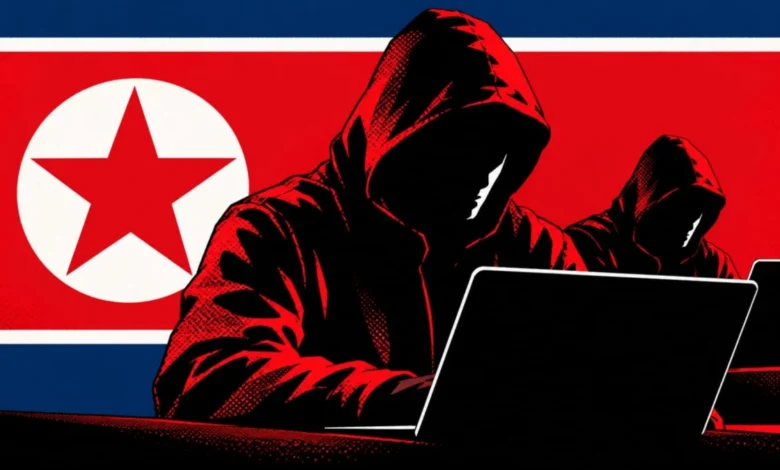
The United States government, working in coordinated partnership with private-sector cybersecurity firms, has successfully disrupted an extensive, highly sophisticated social engineering campaign orchestrated by North Korean threat actors. Dubbed "FaceStealer," the 18-month-long cyber espionage and financial theft operation successfully targeted individuals within the global cryptocurrency, Web3, and open-source software development sectors, ultimately making off with more than $400 million in digital assets.
According to joint advisories released by the Federal Bureau of Investigation (FBI), the United States Department of Justice (DoJ), and prominent cybersecurity researchers, the operation relied on deeply convincing social engineering techniques, including the illicit use of secretly recorded webcam footage, deepfakes, and the deceptive "ClickFix" social engineering framework. The takedown of the campaign involved seizing the underlying cloud-based infrastructure that enabled the threat actors to sustain their multi-faceted attacks across multiple continents.
Anatomy of the FaceStealer Campaign and Social Engineering Tactics
The FaceStealer operation represents a significant evolution in the sophistication of state-sponsored cybercrime originating from the Democratic People’s Republic of Korea (DPRK). For nearly a year and a half, the threat actors—widely attributed by cybersecurity investigators to the notorious state-backed hacker collective known as BlueNoroff—infiltrated and hijacked accounts across prominent communication and professional networking platforms, including Telegram, LinkedIn, Slack, and Discord.
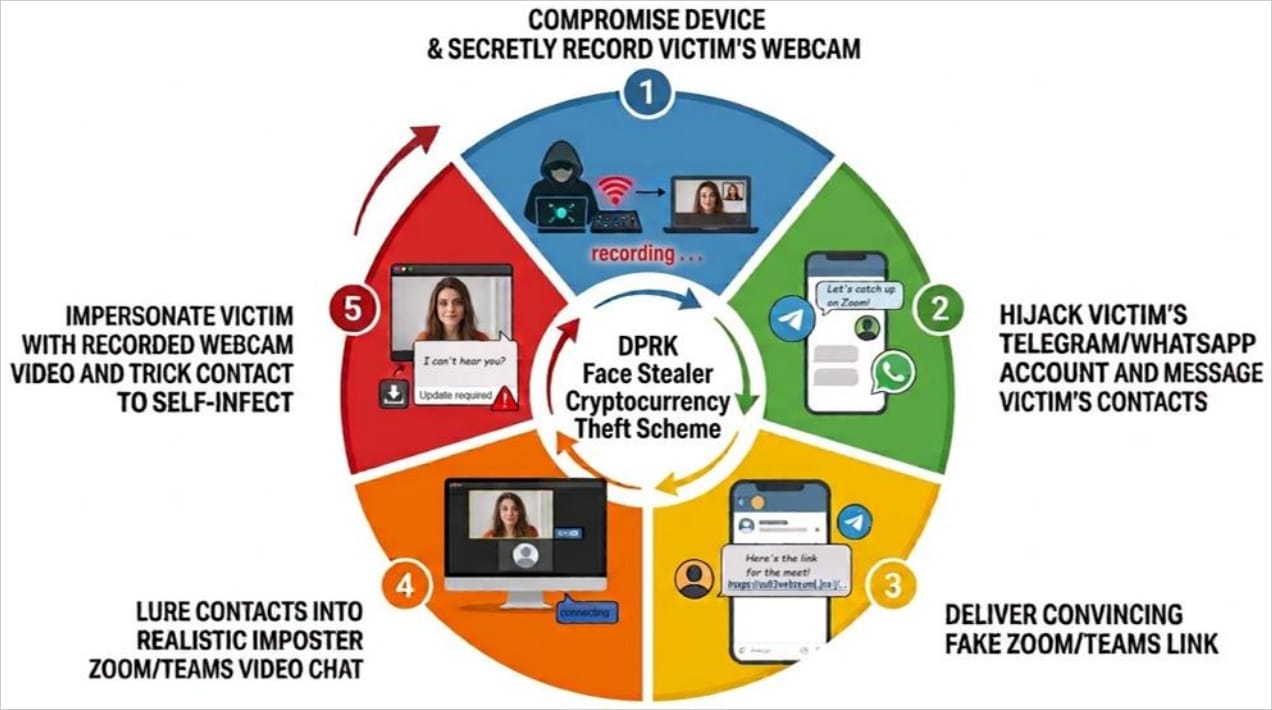
Once inside these compromised accounts, the attackers approached high-value targets, such as cryptocurrency fund founders, senior executives, Web3 developers, and prominent open-source maintainers. Under the guise of networking opportunities, investment discussions, or technical collaborations, the hackers invited victims to seemingly legitimate video conferences hosted on mainstream collaboration platforms like Zoom, Google Meet, and Microsoft Teams.
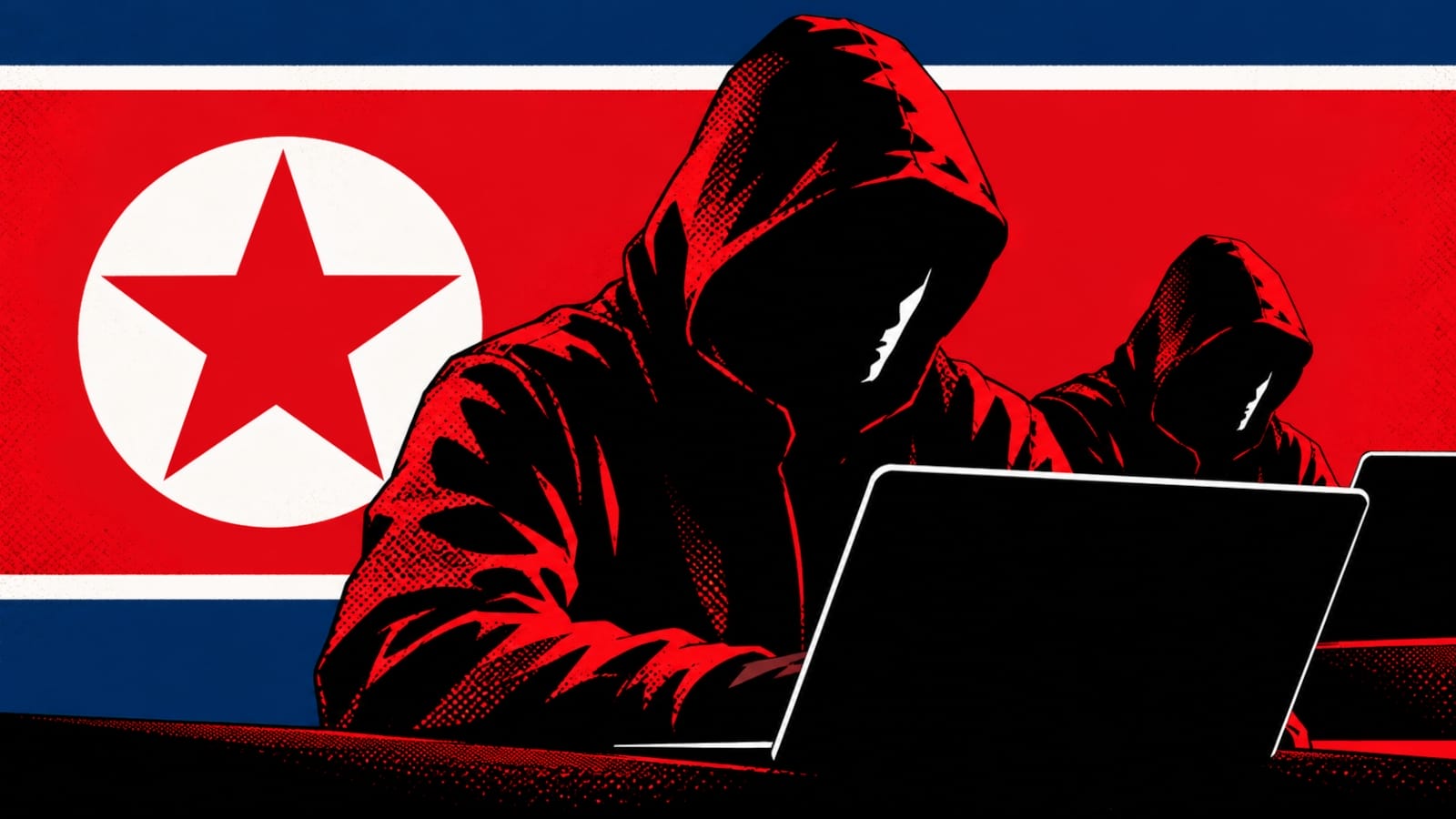
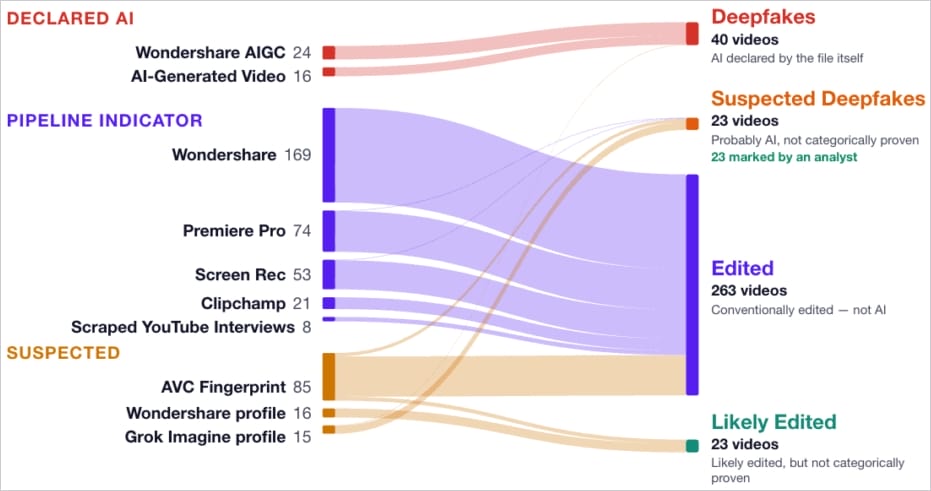
The most insidious aspect of the campaign involved the psychological manipulation of victims through the strategic misuse of recorded video. While targets waited in virtual meeting lobbies for the conversation to begin, the malicious actors covertly recorded the victims via their own webcams. U.S. authorities have subsequently identified more than 900 unique webcam videos secretly harvested by the hackers during these deceptive introductory moments.
The threat actors then weaponized these recordings in subsequent attacks against other victims. During later video calls, targets were often greeted with what appeared to be multi-participant meetings featuring individuals they recognized and trusted—sometimes colleagues, friends, or previous victims of the campaign. In reality, the hackers were replaying pre-recorded video and audio loops of these trusted individuals, creating an illusion of familiarity and drastically lowering the target’s defensive skepticism.
Following the establishment of this false trust, the attackers would stage a fabricated technical malfunction. Claiming audio or video connectivity issues, the threat actors directed the victims to a fake error message interface designed to mimic standard troubleshooting prompts. This tactic, commonly referred to in the cybersecurity industry as "ClickFix," prompted victims to execute specific commands, scripts, or installer packages supposedly required to resolve the technical hurdle.
The Deployment and Payload of the Malware
Once the victim executed the recommended "fix," their system was immediately compromised. The payload delivered by the FaceStealer campaign was a highly capable information-stealing malware designed to systematically harvest sensitive data.
In addition to draining cryptocurrency wallets, the malware targeted account credentials for video-conferencing software, developer repositories, and enterprise communication tools. It also granted the attackers persistent access to the victims’ comprehensive contact lists, social media profiles, and local communication history, while maintaining the capability to covertly activate webcams.

Cybersecurity researchers at ArcticWolf, who conducted extensive tracking of the BlueNoroff campaign, mapped out the broader distribution mechanisms utilized by the threat actors. Beyond fake video conferencing errors, the group leveraged a diverse portfolio of lures, including deceptive financial audit documents, fraudulent PDF viewer updates, urgent identity verification prompts, and fabricated corporate security assessments.
ArcticWolf researchers successfully identified 677 distinct targets spanning 58 countries, noting a disproportionate focus on high-ranking decision-makers, company founders, and venture capitalists within the blockchain ecosystem. Furthermore, intelligence reports indicated that the threat actors frequently exercised patience, occasionally delaying active exploitation for months or even more than a year following the initial system compromise. This strategic dormancy was deliberately employed to allow the victims’ cryptocurrency holdings to appreciate significantly in value before executing the final theft.
Open-Source Software Supply Chain Implications
The threat posed by the FaceStealer campaign extended far beyond direct financial theft from individuals and venture firms, posing a systemic risk to the global software supply chain. U.S. federal law enforcement bulletins highlighted specific incidents in which the hackers successfully compromised maintainers of widely utilized open-source software libraries.
In one notable case, threat actors targeted the maintainer of a popular open-source JavaScript library boasting tens of millions of weekly downloads. By luring the developer into a fraudulent Microsoft Teams meeting featuring multiple participants—including a deepfake or playback of someone known to the developer—the hackers attempted to inject malicious code into the software supply chain. Quick detection and swift incident response thwarted this specific attempt, but the FBI confirmed that similar coordinated attacks were launched against developers contributing to the npm (Node Package Manager) and Rust crate ecosystems.
These findings align closely with prior threat intelligence reports published earlier in the year. In July, Amazon threat analysts formally linked several open-source supply chain attacks—including incidents involving the "debug" and "chalk" npm packages—to North Korean state-sponsored threat groups. Similarly, cybersecurity firm Huntress documented instances in 2025 where BlueNoroff operatives utilized deepfake executive personas within Zoom environments to deliver custom macOS information-stealers to corporate leadership teams.
Coordinated International Disruption and Asset Freezing
The public exposure and infrastructure takedown of the FaceStealer campaign coincide with broader, aggressive actions by the United States government and international partners to curtail North Korea’s illicit revenue generation apparatus.
In a simultaneous announcement, the U.S. Department of Justice revealed comprehensive enforcement measures aimed at neutralizing billions of dollars in cryptocurrency laundered by North Korean cyber operatives. Notably, the DoJ and private-sector blockchain analytics firms successfully froze more than $2.7 billion linked to the catastrophic $6.3 billion Binance crypto heist, which federal investigators have officially attributed to DPRK state-sponsored hackers. The Justice Department confirmed that it has already secured court authorizations to formally seize or restrain in excess of $1.2 billion of those illicitly obtained funds.
The convergence of social engineering, artificial intelligence capabilities such as deepfakes, and state-sponsored cybercrime underscores the evolving nature of modern geopolitical conflict. North Korea has increasingly relied on cyber-enabled financial thefts to bypass international economic sanctions and fund its state programs, turning cryptocurrency exchanges and technology workers into front-line targets.
Defensive Recommendations for Enterprises and Individuals
In light of the methodologies exposed by the FaceStealer disruption, cybersecurity authorities and private sector experts have issued stringent guidance for individuals and organizations operating in vulnerable sectors, particularly cryptocurrency, Web3, and software development.
Security analysts recommend that enterprise employees and developers adhere to strict operational security protocols:
- Independent Verification: Always verify unexpected meeting invitations or collaboration requests through out-of-band communication channels (such as verified phone numbers or corporate messaging systems) before joining.
- Official Application Usage: Join virtual meetings exclusively through official, natively installed applications using direct invite codes rather than following unverified web links sent via chat or email.
- Webcam Hygiene: Keep webcams disabled by default during virtual meetings unless visual confirmation is an absolute operational necessity.
- Skepticism Toward Troubleshooting Prompts: Never execute scripts, terminal commands, or third-party installers recommended as "fixes" for technical glitches encountered during video conferences or online collaborations.
- Endpoint Monitoring: Implement advanced endpoint detection and response (EDR) solutions capable of identifying anomalous process execution and unauthorized credential-access attempts.
As federal agencies continue to dismantle the remaining infrastructure associated with BlueNoroff and related DPRK operations, public and private sector collaboration remains crucial in safeguarding the global digital economy against increasingly sophisticated state-backed threats.
Related posts: